Cost of Living in Ouro Preto
Where this figure comes from. No cost survey covers Ouro Preto, so the $1,000 a month above is our own estimate rather than a measurement. On 416 of our 999 city guides the figure is built from a published Numbeo basket, a one-bedroom rent in the centre plus one person's monthly costs without rent, converted to USD; this city is not one of them. How we source everything.
Ouro Preto is affordable, cheaper than Rio or Sao Paulo and helped by its large student population, though its heritage status and tourism add a modest premium. A comfortable single-person budget runs roughly $800 to $1,300 a month. A furnished apartment or a room in the many student republicas costs about $300 to $600, and hearty Minas Gerais cooking is cheap and generous. These are our editorial estimates in US dollars, and because prices are set in the Brazilian real, the exchange rate strongly shapes how far a foreign income stretches here. The student calendar moves the rental market more than tourism does. Rooms are scarce and dearer when term is running and fall away in the long December to February break and again in July, so arriving in a holiday month is the cheap way to find somewhere and hold it. Living in the historic centre has a hidden tax: the big supermarkets are down at the edge of town, which means either a bus with the shopping or paying more at the small shops uphill. Many people end up doing both.
- Furnished apartment or student-style room: roughly $300 to $600 a month
- Prato feito or a plate of comida mineira: roughly $5 to $9
- Cafezinho at a padaria: roughly $1
- Bus to Belo Horizonte (about two hours): a few dollars
Where to Work in Ouro Preto
Ouro Preto is a historic university town rather than a nomad hub, but the presence of a major federal university means decent connectivity and a youthful energy. Home fibre is available in much of the town and handles calls and everyday work, and there are cafes and student-friendly spots where you can settle in with a laptop, though a dedicated coworking scene is minimal. A Vivo, Claro or TIM SIM adds cheap mobile data. Ouro Preto shares Brazil's eastern time zone, giving comfortable overlap with the Americas. The steep terrain aside, it is a workable, atmospheric base for focused work. A practical note on where to live if you intend to work: the republicas, the student houses that give the town much of its character, are also loud on a Wednesday night in a way that no amount of goodwill survives on a deadline. Ask what is either side of a flat before taking it. The other quirk is the buildings themselves. Listed eighteenth-century houses cannot be rewired freely, so a fibre line sometimes terminates in one room and reaches the rest of the house badly, which is a question worth asking before signing rather than after.
Getting Around Ouro Preto
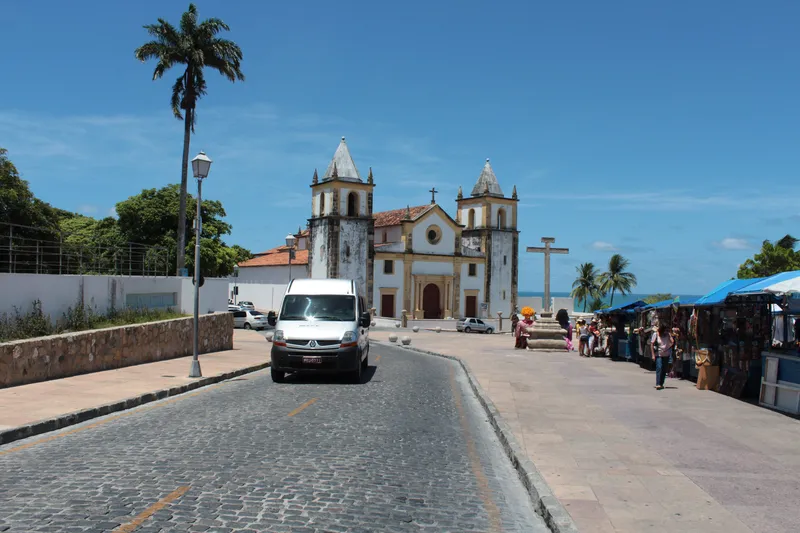
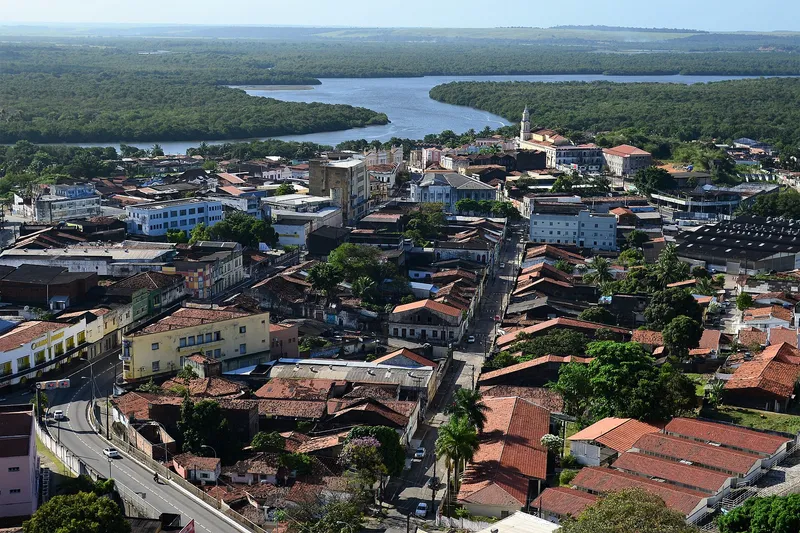
Ouro Preto's defining feature for daily life is its terrain: the beautiful colonial town tumbles up and down impossibly steep, cobbled hills, so getting around is a genuine cardio workout and comfortable shoes are essential. The historic centre is walkable but demanding, and local buses help with the steeper climbs. For leaving town, frequent buses connect Ouro Preto to Belo Horizonte, about two hours away, which has the nearest airport and links to the rest of Brazil. Nearby colonial towns like Mariana and the baroque treasures of the region make easy day trips. The stones themselves deserve a warning. The old paving is rounded and uneven, wheeled luggage is close to useless on it, and after rain the polished sections are genuinely slippery, which is how most visitors acquire their one injury. Pack shoes with a real sole. A tourist train runs the short line down the valley to the neighbouring town through the hills, which is a far nicer way to make that trip than the bus. Within town, the bus routes follow the few roads a bus can physically climb, so plan on walking the last stretch almost everywhere.
Sorting transport? Book an airport transfer, or compare car rental on Auto Europe and QEEQ.
Visas for Ouro Preto
Brazil is fairly open. Citizens of the EU, UK and many other countries enter visa-free for 90 days, extendable by another 90, while US, Canadian and Australian visitors now need an affordable e-visa arranged online. For longer stays, Brazil offers a digital nomad visa for remote workers meeting a minimum monthly income, granting a year with the option to renew. Rules and the e-visa requirement have changed recently. A visa-free entry allows up to 90 days, so plan the stay around that limit. The counting rule catches people. The ninety days are not per entry, they are a total within a twelve-month window, so leaving for a week and coming back does not reset anything; the clock only clears twelve months after your first entry. An extension is requested from the Federal Police before the original period runs out, not after, and it is granted at their discretion rather than automatically. Overstaying attracts a daily fine, capped at a maximum, which is payable on departure and does not usually bar a future return, but it does go on record.
Best Time to Visit Ouro Preto
Ouro Preto sits at over 1,000 metres in the hills of Minas Gerais, giving it a mild highland climate with cool evenings year-round. The best time to visit is the dry season from April to September, when days are pleasant and sunny and the cobbled streets are at their most inviting, though winter nights can be genuinely cold. The wet season from October to March brings warm days and frequent afternoon rain that can make the steep streets slippery. The town is famous for its dramatic Holy Week and Carnival celebrations, both worth timing a stay around. Both of those events change the town completely rather than decorating it. In the small hours before the Good Friday procession, residents lay coloured sawdust and flower carpets along the processional route, and they are walked over and gone by the afternoon, which is worth getting up at four to see. The pre-Lent week fills the town with students and visitors far beyond what it was built to hold, and a quiet week is not on offer anywhere in it. The winter arts festival in July is the gentler alternative, busy but civilised.
Pros and Cons of Ouro Preto
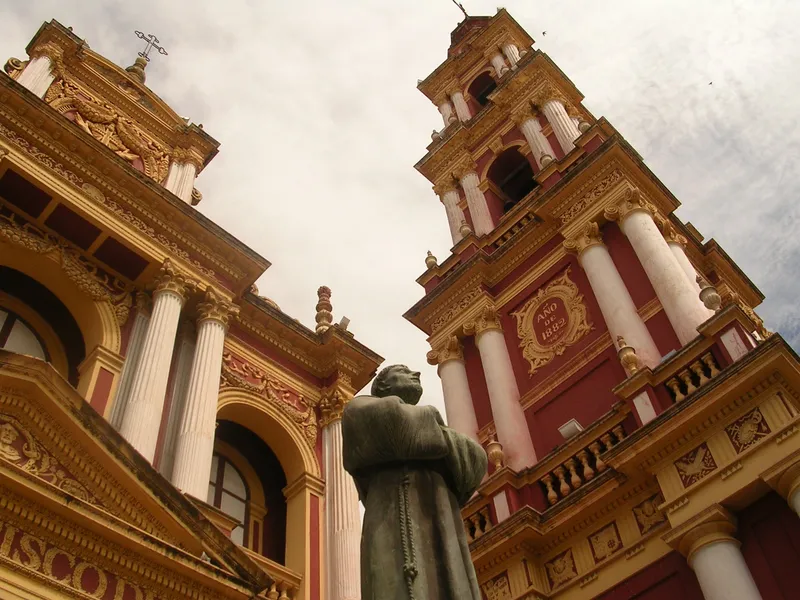
Ouro Preto is one of the Americas' great colonial treasures, with the quirks of a steep, out-of-the-way town. Quirks understates the hills. This is a town built on the sides of a valley by people who had donkeys, and a walk home from dinner can involve two hundred vertical metres of wet cobble in the dark. Anyone with a knee problem, a pushchair or a suitcase should take that literally rather than as colour. What you get for it is a place that has barely been altered since the eighteenth century, where the churches hold work by the greatest sculptor the country produced and where a university keeps the whole thing alive rather than preserved. The comparison worth making is not with other Brazilian cities but with the European heritage towns that charge five times as much and feel half as inhabited. If the stairs are acceptable, very little else here is a compromise.
- Pros: a stunning, perfectly preserved baroque colonial townscape and UNESCO World Heritage site, extraordinary churches and gold-rush history, superb and cheap Minas Gerais food, a lively student atmosphere, a mild highland climate, and low costs.
- Cons: punishingly steep, hilly streets, limited English, a small nomad community, a somewhat remote location, wet, slippery summers, and a small range of amenities compared with a big city.
Who Ouro Preto Is For
Ouro Preto is for the culture-and-history nomad who wants to live inside a baroque masterpiece and does not mind a daily workout on the hills. Lovers of colonial architecture, art, history and hearty regional food, and anyone who enjoys the energy of a lively university town, will be captivated, and it makes an inspiring, inexpensive base for focused creative work. It rewards travellers happy with some Portuguese and a quieter, steeper life. It is a weaker fit for those who need flat, easy walking, a large nomad community, beaches, or a big-city buzz. Base yourself in the historic centre, brace your legs, and let Ouro Preto's baroque beauty surround you. What tips the balance for a long stay is the university, which keeps a steady supply of people in their twenties and thirties who are not tourists, which is exactly what most small heritage towns lack. Turn up in February when term starts and you will have acquaintances by March. Turn up in the January break and the place can feel like a museum with the lights off. Three to six months spanning a semester is the stay that works, and it is long enough to stop noticing the hills.