Cost of Living in Belo Horizonte
Real market data
Source: Numbeo · September 2026
$980/moSolo nomad1-bed centre + living costs
$1,310/moCoupleshared 1-bed + costs
$690/moLean / localcheaper area + costs
- 1-bed rent, city centre$580R$2,922
- 1-bed rent, outside centre$280R$1,438
- Monthly costs excl. rent (1 person)$410R$2,060
- Meal, inexpensive restaurant$6R$30
- Monthly transit pass$68R$345
- Buy price, per m² (centre)$2,300R$11,670
Prices are from Numbeo (September 2026), converted to USD at $1 = R$5.07 (01 Aug 2026). The monthly living-costs figure is our transparent one-person basket, groceries, a few meals out, utilities, phone, internet, transport and essentials, priced from those figures. Solo adds central rent; couple and lean are estimates from the same numbers.
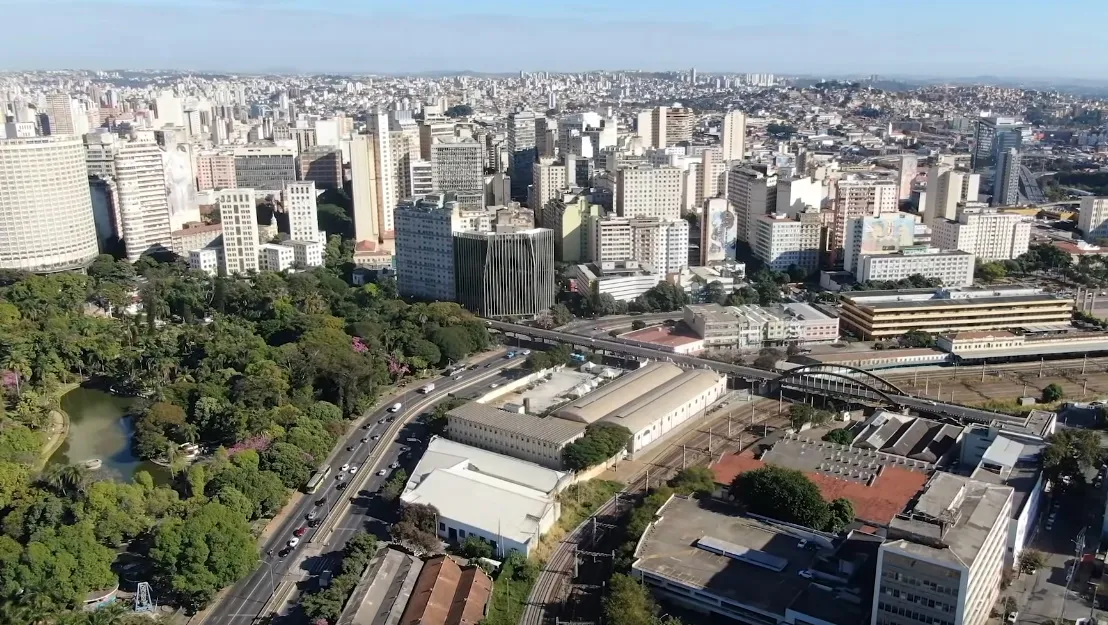
Belo Horizonte, the capital of Minas Gerais, is a large inland city offering strong value, and a solo remote worker lives comfortably on about $980 per month on the Numbeo basket above (the line items below are editorial estimates in USD). A one-bedroom apartment in sought-after central areas like Savassi or Funcionarios runs roughly $300 to $480, while neighborhoods further out drop to $200 to $320. Groceries cost around $180 to $260 monthly, with the region's famous produce and markets keeping quality high and prices low. Eating out is a highlight and a bargain: a generous prato feito or per-kilo lunch runs $5 to $9, and the city's legendary bar food, or comida de boteco, is cheap and plentiful. Buses and the limited metro keep transport near $30 to $50 monthly, supplemented by ride-hailing. Coworking memberships run $80 to $150. Minas food culture means eating out often is both a pleasure and easy on the budget here.
Where to Work in Belo Horizonte
Belo Horizonte has a solid coworking ecosystem, much of it clustered in and around Savassi, the city's hip commercial and nightlife hub, alongside spaces in the central business districts. As one of Brazil's largest metros, its internet is generally reliable, with fiber home connections widely available and cafe wifi usually dependable in the better neighborhoods. A prepaid SIM from Vivo, Claro, or TIM delivers good urban 4G and 5G coverage as a solid backup for calls. Cafe-work culture thrives, helped by Minas Gerais's serious coffee heritage and a dense scene of bakeries and cafes where lingering with a laptop is normal. Savassi in particular has plenty of laptop-friendly spots that transition from daytime workspace to evening bar. For longer focus sessions and meeting local founders, a coworking membership is worthwhile, plugging you into the city's genuine startup and tech community, one of the more active in Brazil. Iron ore is what this state actually runs on, and the two tailings dam collapses at Mariana and Brumadinho, which killed hundreds of people and poisoned two river systems, are still live in the courts and in local politics. The mining companies are headquartered here, which is why the engineering and legal sectors are as large as they are.
Getting Around Belo Horizonte
Belo Horizonte is a big, hilly city, and while central neighborhoods like Savassi and Funcionarios are walkable and lively, the terrain and sprawl mean you will use transport for longer trips. There is a single metro line of limited reach plus an extensive bus network with fares around $1, though buses can be slow and crowded. Ride-hailing through Uber and 99 is the go-to for most nomads, being cheap, quick, and safe for night moves, with typical trips costing $3 to $8. You do not need a car to live centrally, though one helps for weekend trips into the beautiful Minas countryside and historic towns like Ouro Preto. Tancredo Neves International Airport, at Confins about 40 minutes out, connects the city domestically and with some international routes. Between walkable central districts and cheap ride-hailing, daily mobility is manageable without owning a vehicle. A second, older airport much closer to the centre handles regional flights, and checking which one a ticket uses saves an hour in each direction. The colonial road that carried gold down to the coast passes through the hills south of the city and is now walked and ridden in stages, which is the best way into that country.
Sorting transport? Book an airport transfer, or compare car rental on Auto Europe and QEEQ.
Visas for Belo Horizonte
As with anywhere in Brazil, Belo Horizonte falls under the country's national Digital Nomad Visa, which allows remote workers employed by foreign companies to stay for one year, renewable for a second. You will need to show income of roughly $1,500 per month or sufficient savings, plus health insurance, and apply through a Brazilian consulate abroad. This is the most straightforward legal path for a longer stay. For shorter visits, many nationalities including most Europeans enter visa-free for 90 days as tourists, often extendable to 180 days within a twelve-month period. Be aware that visa reciprocity rules have recently shifted for some countries, including the US, Canada, and Australia, so your situation depends on your passport.
Best Time to Visit Belo Horizonte
Belo Horizonte enjoys a pleasant highland tropical climate, sitting at around 850 meters elevation, which keeps temperatures milder and more comfortable than Brazil's steamy coastal cities. The year divides into a wet season and a dry season rather than hot and cold extremes. The rainy season runs from roughly October to March, bringing warm days and frequent, sometimes heavy afternoon showers along with higher humidity. The dry season, from about April to September, is the sweet spot: warm, sunny days, low humidity, cooler and very pleasant evenings, and little rain. Those dry-season months are the best time to base yourself here, with June and July occasionally cool at night, so pack a light jacket. Summers are warm but rarely oppressive thanks to the altitude. If you want to avoid the wettest, most humid stretch, steer clear of the peak of the rainy season around December and January. The street carnival here grew from almost nothing over the last decade into one of the largest in the country, with blocks parading through the central neighbourhoods for a week and the whole city out on the street. It is worth arranging a room around, in one direction or the other, because nothing else happens that week.
Pros and Cons of Belo Horizonte
Belo Horizonte's strengths are its famous food and bar culture, genuinely warm and welcoming locals, a pleasant highland climate, strong value for money, a real tech and startup scene, and easy access to the stunning colonial towns and mountains of Minas Gerais. It feels authentically Brazilian rather than touristy. On the downside, it is a large, sprawling, hilly city with limited metro coverage, so you depend on buses and ride-hailing. There is no beach and fewer marquee sights than Rio, so its appeal is more about lifestyle and food than postcard attractions. The nomad and international community is smaller than in coastal hotspots, and English is not widely spoken, making Portuguese important. As in any big Brazilian city, you should stay aware of safety in certain areas and at night. It rewards those who value substance, cuisine, and local life over obvious tourist glamour.
Who Belo Horizonte Is For
Anyone who wants a food-obsessed Brazilian city rather than a beach resort or a heavily touristed one will do well here. It is perfect for anyone who loves eating and drinking out, since the boteco bar culture and Minas cuisine are among the best in the country and remarkably affordable. It fits sociable travelers happy to learn some Portuguese and connect with warm locals and an active startup community rather than lean on a big expat bubble. The mild highland climate appeals to those who find coastal heat and humidity tiring. It is a launchpad for exploring historic colonial towns and mountain scenery. It is a weaker pick for beach lovers, first-time visitors wanting famous landmarks, or anyone needing a large ready-made international nomad crowd. Choose Belo Horizonte if great food, genuine local culture, good value, and a comfortable climate matter more to you than beaches and tourist fame.