Cost of Living in Recife
Real market data
Source: Numbeo · August 2026
$900/moSolo nomad1-bed centre + living costs
$1,220/moCoupleshared 1-bed + costs
$660/moLean / localcheaper area + costs
- 1-bed rent, city centre$490R$2,499
- 1-bed rent, outside centre$260R$1,309
- Monthly costs excl. rent (1 person)$400R$2,040
- Meal, inexpensive restaurant$6R$28
- Monthly transit pass$38R$193
- Buy price, per m² (centre)$1,970R$9,962
Prices are from Numbeo (August 2026), converted to USD at $1 = R$5.07 (01 Aug 2026). The monthly living-costs figure is our transparent one-person basket, groceries, a few meals out, utilities, phone, internet, transport and essentials, priced from those figures. Solo adds central rent; couple and lean are estimates from the same numbers. The guide below quotes its own monthly range, which is a different measurement rather than a competing one: this table prices a defined basket at the figures above, while that range is a judgement about how somebody actually lives here.
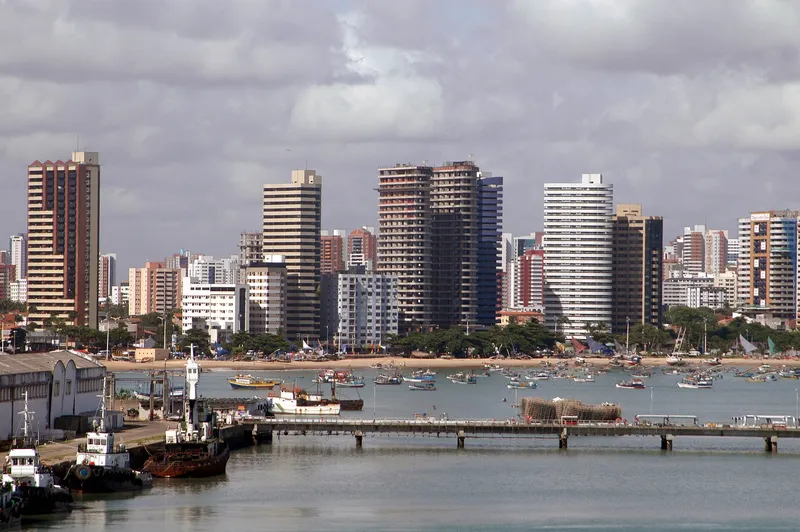
Recife is one of the more affordable cities in Brazil for remote workers. Your biggest expense is rent. A furnished one-bedroom apartment in central Recife or Santo Antonio runs around $300-430 per month. In Boa Viagem, the beachside neighborhood most popular with expats, expect to pay $390-690 for a well-located flat. Further from the beach or center, you can find options under $300.
A rough monthly breakdown for a solo nomad:
- Rent (1BR, Boa Viagem): $390-690
- Rent (1BR, cheaper areas like Várzea or Espinheiro): $240-350
- Groceries (supermarket): $120-180
- Eating out (mix of local plates and mid-range restaurants): $99-180
- Coworking hot-desk membership: $120-180
- Local transport (Uber/bus mix): $39-79
- Utilities and mobile data: $49-79
Total monthly range: roughly $830-1,350. A modest but comfortable setup costs around $990. Live more frugally, eating local lunches and using buses, and you can get by on under $690.
Where to Work
Recife has a functional coworking scene anchored by its Porto Digital tech cluster, one of the largest urban technology parks in Latin America with over 350 companies. This creates real demand for quality workspaces, and several solid options exist.
Hub Plural operates two units in Boa Viagem and one in Várzea, with dedicated desks from around $120/month. The Boa Viagem units are the most polished, close to the beach, and well-reviewed. Regus at JCPM Trade Centre in Pina offers a more corporate setup on the 7th and 14th floors of a prominent tower, with day passes around $29 and monthly desks from $110. Reef Coworking sits inside Porto Digital in Recife Antigo and caters to the local tech crowd.
Cafe culture for laptop work is patchier than in Rio or Sao Paulo. A few cafes like Cafe Lumi and Nossa Secreta have gained a reputation among remote workers for reliable WiFi and power outlets. That said, WiFi in Recife is generally only serviceable for video calls. Invest in a coworking membership if your work demands consistent connectivity. Mobile data (4G) is widely available and performs better than cafe WiFi in many spots.
Getting Around
Recife has a metro system with two lines that connect parts of the south and west zones to the city center. It is affordable at $0.84 per ride but the network is limited in coverage and does not serve Boa Viagem directly. Most nomads rely on Uber and 99 (the main Brazilian ride-hailing app), which are reliable, cheap by Western standards, and essential for night travel. A typical 3 km ride costs under $3.
The city bus network is extensive but navigating it as a newcomer requires patience and some Portuguese. Buses run frequently between Boa Viagem and the center during daytime. Walking is pleasant within Boa Viagem itself, which has a beachfront promenade and walkable streets, but venturing into other neighborhoods on foot at night is not advised.
Airport: Recife/Guararapes International Airport (REC) is well-located, about 14 km from the center and only a few kilometers from Boa Viagem. The metro connects directly from the airport terminal to downtown in about 23 minutes for $0.84. Buses to Boa Viagem take 15-30 minutes. An Uber costs $5-10 depending on traffic.
Sorting transport? Book an airport transfer, or compare car rental on Auto Europe and QEEQ.
Visas and Staying Long-Term
Brazil offers visa-free entry to citizens of most EU countries, the UK, Japan, Argentina, and many others for stays of up to 90 days, extendable to 180 days in a 12-month period. From April 2025, US, Canadian, and Australian citizens must obtain an eVisa ($80.90) before arrival, valid for multiple entries and stays up to 90 days at a time.
Brazil launched its Digital Nomad Visa (VITEM XIV), which gives you one year of legal residency renewable for a second year. To qualify, you need to demonstrate at least $1,500 per month in income from foreign sources or show $18,000 in savings, plus a contract or service agreement with an overseas employer or client. You can apply at a Brazilian consulate abroad or, if already in Brazil on a tourist entry, to the Ministry of Justice through its MigranteWeb system. After arrival on this visa, you must register with the Federal Police within 90 days to obtain your CRNM residency card (fee around $40).
Best Time to Visit
Recife sits close to the equator and stays warm year-round, with temperatures holding between 24-29C (75-84F) in every month. The real variable is rain. The wet season runs from roughly March through August, with June and July the wettest months. Heavy daily downpours are common, though often brief. If you plan to spend time on the beach or outdoors, the wet season is less pleasant.
For remote work purposes, the weather matters less, but the dry season from September through February gives you cleaner skies and easier exploration. October through December is considered the sweet spot: lower rainfall, comfortable temperatures, and fewer crowds than the high summer season of December through February when prices rise and Carnival approaches. If you want to experience Carnival, February brings one of Brazil's most vibrant street festivals to Recife and neighboring Olinda, though it means higher prices and more noise.
Pros and Cons
- Low cost of living by international standards, around $800-1,200/month for a modest nomad lifestyle
- Porto Digital tech hub creates a genuine startup and professional community
- Rich culture including Frevo music, Maracatu, Carnival, and historic colonial architecture in nearby Olinda
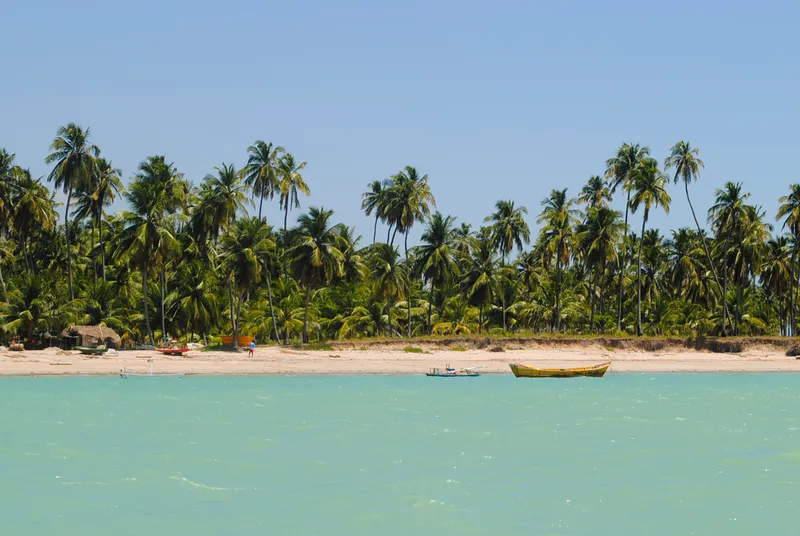
- Warm weather year-round with direct beach access in Boa Viagem
- Airport well-connected to the rest of Brazil and some international routes
- Good regional food scene with distinctive Northeastern Brazilian cuisine
- Safety concerns are real: petty theft is common, beach robberies occur in broad daylight, and some areas require genuine caution
- Slow internet and unreliable WiFi outside coworking spaces
- Low English proficiency citywide; Portuguese is essential for daily life
- Humidity is high year-round, often above 80%, which some people find draining
- Getting around without Uber is inconvenient; the metro is limited and public buses require local knowledge
- Boa Viagem beach has a shark risk; swimming requires staying in designated areas
Who Recife Is Best For
Recife works well for nomads who want an authentic Brazilian experience without Rio or Sao Paulo prices or crowds. If you are drawn to vibrant street culture, Northeastern Brazilian music and food, colonial history, and a real local atmosphere, Recife delivers in ways polished tourist cities do not. Budget-conscious nomads who can live comfortably on under $1,000 a month will find the economics compelling. Those with a connection to the tech world through Porto Digital will find networking opportunities. People who already speak some Portuguese, or are committed to learning, will get far more from the city.
Recife is a harder sell if you prioritize fast internet, seamless English-speaking environments, or a low-stress daily routine. If safety anxiety affects your ability to work and explore freely, other Brazilian cities may be a better fit. Families with children and nomads who need high-bandwidth video production setups should look elsewhere. But for a self-sufficient, culturally curious remote worker who wants to go beyond the obvious, Recife is a genuinely rewarding base.