Cost of Living in Fortaleza
Real market data
Source: Numbeo · September 2026
$830/moSolo nomad1-bed centre + living costs
$1,150/moCoupleshared 1-bed + costs
$630/moLean / localcheaper area + costs
- 1-bed rent, city centre$430R$2,156
- 1-bed rent, outside centre$230R$1,173
- Monthly costs excl. rent (1 person)$400R$2,044
- Meal, inexpensive restaurant$6R$30
- Monthly transit pass$20R$100
- Buy price, per m² (centre)$2,660R$13,469
Prices are from Numbeo (September 2026), converted to USD at $1 = R$5.07 (01 Aug 2026). The monthly living-costs figure is our transparent one-person basket, groceries, a few meals out, utilities, phone, internet, transport and essentials, priced from those figures. Solo adds central rent; couple and lean are estimates from the same numbers.
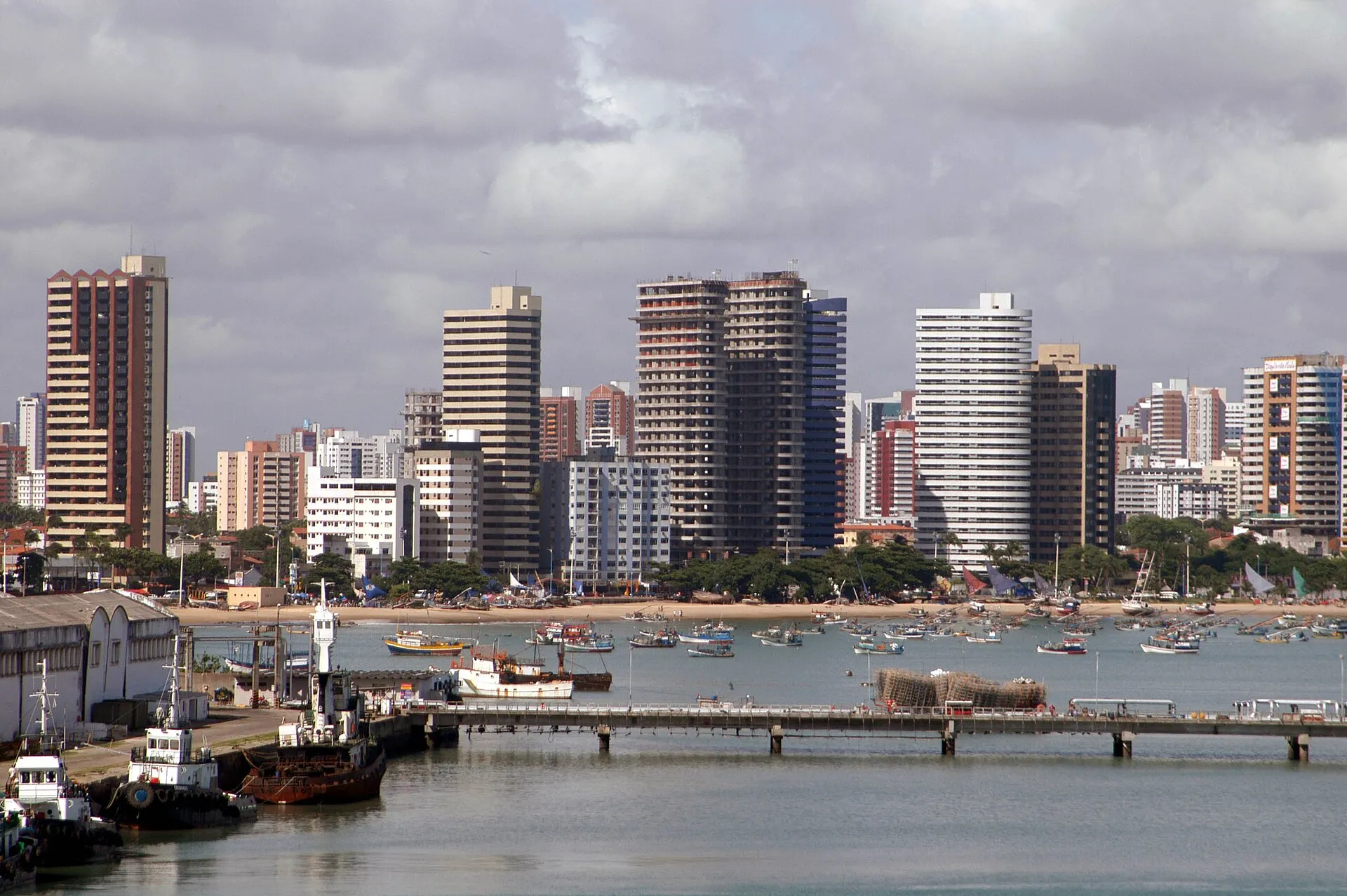
Fortaleza, a large coastal city in Brazil's northeast, offers beach living at a lower cost than the south, and a solo remote worker manages well on around $830 per month on the Numbeo basket above (the line items below are editorial estimates in USD). A one-bedroom apartment near the beach in Meireles or Aldeota runs roughly $300 to $500, while further from the coast you find places for $200 to $320. Groceries cost about $180 to $260 monthly, with cheap tropical fruit, fish, and produce widely available. Eating out is inexpensive: a set lunch runs $4 to $7, and fresh seafood or a beachside meal stays affordable. Local buses cost around $1, keeping monthly transport near $30 to $50 if you mix in ride-hailing. Coworking memberships run $80 to $150. Air conditioning and its electricity bill are a real line item here given the year-round heat, so budget a bit extra for cooling and utilities.
Where to Work in Fortaleza
Fortaleza has a growing coworking scene concentrated in the Meireles, Aldeota, and Praia de Iracema areas near the beach, offering desks, meeting rooms, and a local startup community. As a major Brazilian city, its internet is generally good, with fiber home connections common and reliable, though quality can vary more by building than in the wealthier south. A prepaid SIM from Vivo, Claro, or TIM provides solid urban 4G and 5G as a dependable backup. Cafe-work culture exists along the beachfront and in Aldeota, with air-conditioned cafes being especially welcome given the heat. Many nomads value a coworking space here not just for the wifi but for the reliable air conditioning during long working days. Connectivity in central and beachfront neighborhoods is dependable enough for video calls, though it is wise to test your specific apartment's connection before committing to a longer lease. More submarine internet cables come ashore here than anywhere else in the southern half of the world, which is why a city this far from the wealthy south has latency to Europe and North America that the bigger cities cannot match. That is not a detail: it is the strongest technical argument there is for working from this coast rather than another one.
Getting Around Fortaleza
Fortaleza is a sprawling city, and while the beachfront districts of Meireles and Iracema are pleasantly walkable with a long seaside promenade, getting across town requires transport. There is a limited metro and an extensive bus network, with fares around $1, though buses can be crowded and slow. Most nomads lean on ride-hailing, with Uber and 99 both cheap and widely available; typical trips cost $3 to $8. You do not strictly need a car if you base yourself near the beach and use apps, though a car helps for exploring the famous dune beaches and coastline beyond the city. Pinto Martins International Airport connects Fortaleza to the rest of Brazil and increasingly to Europe, making it a convenient Atlantic gateway. For day trips to spots like Cumbuco or Jericoacoara, arrange a transfer or rental, since public options thin out fast. The road west along the coast is the one that matters, running past a string of kite beaches to the dune village most people come for, and the final stretch of it is sand crossed by buggy rather than by car. A full day goes each way. Long-distance coaches leave from a station well inland of the beach districts, and reaching it is itself a trip across town.
Sorting transport? Book an airport transfer, or compare car rental on Auto Europe and QEEQ.
Visas for Fortaleza
Brazil's Digital Nomad Visa applies here just as anywhere in the country: it grants a one-year, renewable stay for remote workers employed by foreign companies, requiring proof of income around $1,500 per month or equivalent savings, plus valid health insurance. You apply through a Brazilian consulate abroad, and it is the cleanest legal route for a longer Fortaleza stay. For shorter visits, many nationalities including most Europeans enter visa-free as tourists for 90 days, frequently extendable to 180 days within a year. However, visa requirements for some countries, including recently the US, Canada, and Australia, have been in flux, so do not assume. A national tax number is the document that unlocks ordinary life here: no phone contract, no bank account and no great many online purchases without it, and a foreigner can obtain one at a consulate before arrival or at a federal revenue office afterwards. Getting it early saves a fortnight of being unable to pay for things the way everybody around you does.
Best Time to Visit Fortaleza
Fortaleza sits close to the equator and is hot and sunny essentially year-round, with temperatures typically in the high 20s to low 30s Celsius every month, tempered by a near-constant sea breeze. Unlike southern Brazil, there is no cool season, so if you dislike heat, be prepared for it all the time. The year splits into a wet season and a dry season rather than hot and cold. The rainy months run roughly from February through May, when heavy showers are common, though they often pass quickly. The best time to visit is the dry season from around July to December, when you get reliable sunshine, lower humidity, and ideal beach and dune conditions. September through November are especially good. Wind sports enthusiasts favor the windy second half of the year. Whenever you come, plan for strong sun and pack accordingly.
Pros and Cons of Fortaleza
Fortaleza's appeal is straightforward: warm weather every single day, long urban beaches, a lively seaside promenade, fresh seafood, low costs, and easy access to spectacular dune-lined coastline like Jericoacoara. The constant sea breeze takes the edge off the heat, and flights to Europe are handy. On the downside, the relentless heat and, in season, heavy rains can wear on some people, and there is no escape into cool weather. Safety is a genuine consideration, as Fortaleza has higher crime rates than the calmer southern cities, so you must be street-smart about neighborhoods and nighttime movement. The city sprawls, English is limited, and the nomad community is smaller and less established than in Florianopolis or Rio. Air conditioning is close to a necessity, adding to costs. It is a trade-off of beach lifestyle and value against heat, sprawl, and safety caution.
Who Fortaleza Is For
Sun-loving, beach-focused arrivals are the obvious fit here: warm weather guaranteed year-round, affordable coastal living, and a base for exploring the stunning dunes and lagoons of northeastern Brazil. It is a natural fit for kitesurfers and windsurfers, who flock to the region for its steady winds, and for anyone happy trading cooler climates for permanent summer. Budget-conscious remote workers get real value here compared with southern or international beach hubs. It rewards those who speak some Portuguese and are comfortable staying alert about safety in a big northeastern city. It is a weaker choice for anyone sensitive to heat, wanting a large polished expat scene, or prioritizing safety and walkable compactness above all, who might prefer Florianopolis. Come to Fortaleza if endless sun, beaches, seafood, and low costs outweigh the heat, sprawl, and need for everyday street awareness.