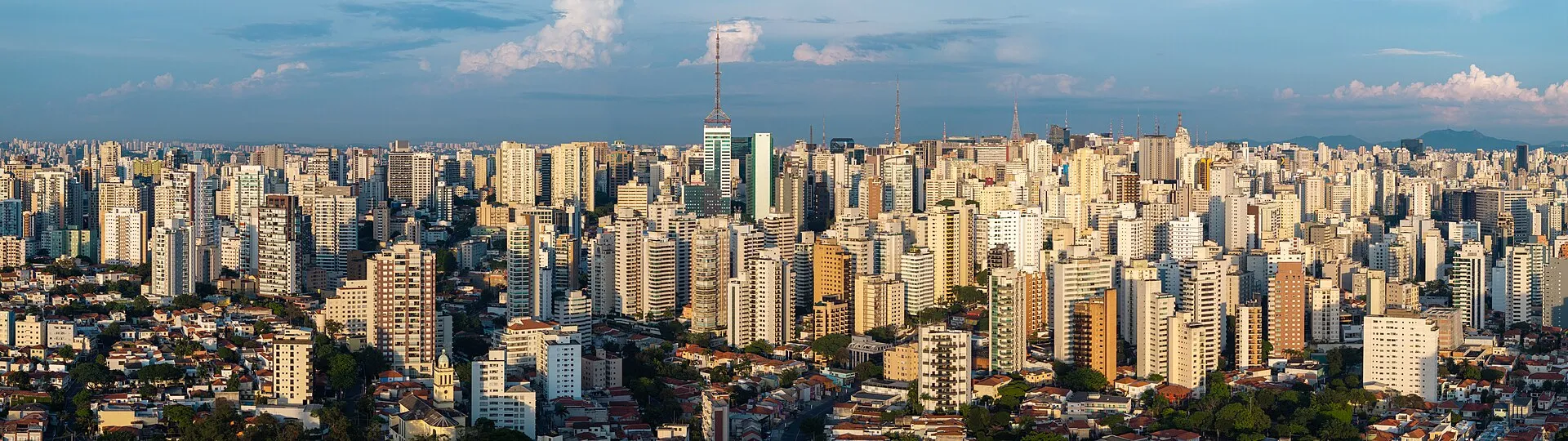
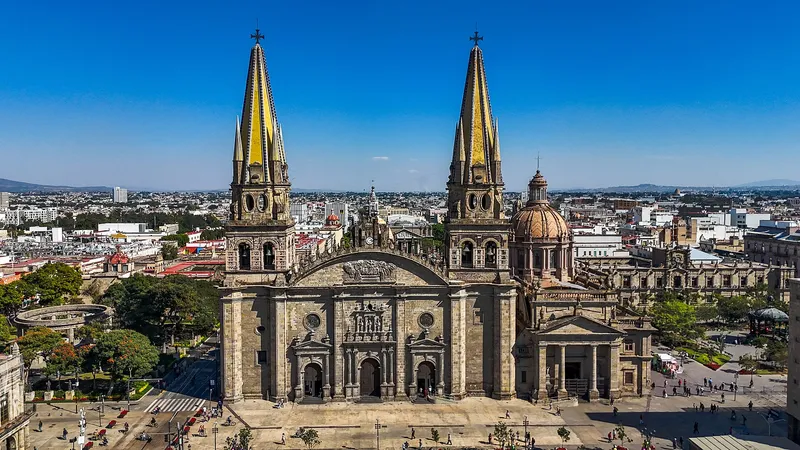
Cost of Living in São Paulo
Real market data
Source: Numbeo · August 2026
$1,180/moSolo nomad1-bed centre + living costs
$1,570/moCoupleshared 1-bed + costs
$900/moLean / localcheaper area + costs
- 1-bed rent, city centre$690R$3,473
- 1-bed rent, outside centre$410R$2,094
- Monthly costs excl. rent (1 person)$490R$2,487
- Meal, inexpensive restaurant$9R$45
- Monthly transit pass$48R$243
- Buy price, per m² (centre)$2,740R$13,878
Prices are from Numbeo (August 2026), converted to USD at $1 = R$5.07 (01 Aug 2026). The monthly living-costs figure is our transparent one-person basket, groceries, a few meals out, utilities, phone, internet, transport and essentials, priced from those figures. Solo adds central rent; couple and lean are estimates from the same numbers. The guide below quotes its own monthly range, which is a different measurement rather than a competing one: this table prices a defined basket at the figures above, while that range is a judgement about how somebody actually lives here.
São Paulo is genuinely affordable if you earn in a hard currency, but the numbers shift fast with Brazil's volatile real. As of mid-2026, one US dollar buys roughly $1. Expect these monthly figures for a single person living comfortably:
- Rent, central (Pinheiros, Vila Madalena, Itaim): $690-1,200 for a furnished one-bedroom
- Rent, cheaper areas (Mooca, Lapa, Santana): $390-690
- Groceries (cooking at home): $160-240
- Eating out (mix of local spots and mid-range restaurants): $200-390
- Coworking hot desk: $120-300/month; daily passes run $12-24
- Local transport (metro + bus or Uber blended): $79-180
Total realistic monthly range: $1,400-2,750. Budget-focused nomads can land closer to $1,200 by renting farther out and cooking most meals. Those who favor central neighborhoods and eat out often sit closer to $2,350.
Where to Work
São Paulo has a mature coworking scene. WeWork operates multiple locations including Faria Lima and Avenida Paulista, with hot desks starting around $160-200 per month. Impact Hub São Paulo in Pinheiros (R. Dr. Virgílio de Carvalho Pinto, 445) caters to social entrepreneurs and remote workers with a more community-driven atmosphere. Cubo Itaú in Vila Olímpia is a startup-focused innovation hub open to partnerships and events, though day access is more restricted.
For cafe work, Coffee Lab on Rua Fradique Coutinho in Vila Madalena is the gold standard: roaster-grade specialty coffee, large space, and an implicit culture of laptop work. Urbe Café near Consolação has a dedicated mezzanine level designed for working. Both have stable WiFi and accessible power outlets.
Fiber internet is standard in apartments and coworking spaces. Public WiFi in cafes is generally reliable in the smarter neighborhoods but can be spotty in older commercial zones. Mobile data on Claro or Vivo 4G/5G is a solid backup.
Getting Around
The metro is clean, fast, and cheap at around $0.99 per ride. It covers key areas including Paulista, Pinheiros, and the historic center, though it does not reach every neighborhood you might want to live in. Buses are extensive but slower and require more local knowledge to navigate. Uber and 99 are the practical solutions for anything off the metro grid and are far cheaper than taxis hailed on the street.
Walkability varies sharply by neighborhood. Pinheiros, Vila Madalena, and Jardins are pedestrian-friendly; sprawling outer districts are not. Do not walk while staring at your phone, especially at night.
From Guarulhos International Airport (GRU), the most direct option is the CPTM Line 13-Jade train to Luz station, from where you connect to the metro. The trip takes about 60-75 minutes and costs under $2. Uber from the airport to central São Paulo runs $16-30 depending on traffic and is the most common choice for arrivals with luggage. São Paulo's traffic can be brutal during peak hours, so factor in 90+ minutes by road at bad times.
Sorting transport? Book an airport transfer, or compare car rental on Auto Europe and QEEQ.
Visas and Staying Long-Term
Citizens of most EU countries, the UK, and many other nationalities enter Brazil visa-free for up to 90 days, with the possibility of one extension of up to 90 more days through the Federal Police inside Brazil, capping at 180 days per 12-month period. US, Canadian, and Australian citizens now require an e-Visa (VIVIS) since April 10, 2025, costing around USD $80.90 and processed online before arrival.
Brazil has a formal Digital Nomad Visa (VITEM XIV): it grants one year of residence, renewable for another year, and requires proof of at least USD $1,500 per month in foreign income or USD $18,000 in savings. Processing takes roughly 15-30 days. As of early 2026, there were reports that the Federal Police was frequently denying simple tourist extension requests, so if you plan to stay beyond 90 days, the nomad visa route is safer.
Best Time to Visit
São Paulo sits at around 800 meters above sea level, which keeps temperatures milder than coastal Brazilian cities. The climate is subtropical with two distinct personalities.
June through August is the dry season and generally the best window for remote work. Temperatures range from about 13°C at night to 23°C during the day, humidity drops, and afternoon thunderstorms are rare. Daylight hours are shorter but conditions are genuinely pleasant.
December through February is hot and very wet: afternoon downpours are daily, temperatures push toward 30°C, and flooding occasionally disrupts traffic in low-lying areas. It is the carnival and holiday season, which means energy in the city but also higher prices and more noise.
The shoulder months of April-May and September-October are solid: warm enough to enjoy the city outdoors, with less rain than summer and without the winter chill of July. If you can only pick one window, aim for May through August.
Pros and Cons
- Pro: Exceptional food and nightlife scene, with dining at every price point from street-food pastel to Michelin-recognized restaurants
- Pro: Large international community and startup ecosystem, making it easy to find English-speaking professionals and networking events
- Pro: Strong fiber internet infrastructure and a mature coworking market
- Pro: Very affordable on a USD or EUR salary, especially given the quality of housing and food available
- Pro: Direct flights to major hubs in the US, Europe, and across Latin America
- Con: Safety requires constant situational awareness; petty theft, phone snatching, and some violent crime are real risks, particularly at night and in certain zones
- Con: Traffic is severe; commutes across town can eat hours even on a short distance
- Con: Portuguese is the working language; English is spoken in coworking and business circles but daily life requires at least basic Portuguese
- Con: Brazil's bureaucracy and banking system are complex for foreigners wanting to open accounts or manage tax compliance
- Con: The city is vast and lacks the compact, walkable core of smaller nomad hotspots; getting oriented takes time
Who São Paulo Is Best For
São Paulo works well for nomads who want to be in a world-class city rather than a beach town. If you are in tech, finance, marketing, or design and want access to a real business and startup ecosystem in Latin America, São Paulo gives you that. It suits people who find Medellín or Buenos Aires too small, who appreciate serious food culture, and who do not mind trading postcard scenery for urban energy and infrastructure.
You will get the most out of it if you have at least survival-level Portuguese or are committed to learning quickly. The city rewards those who dig into its neighborhoods: Vila Madalena for creative and nightlife culture, Pinheiros for restaurants and day-to-day livability, Itaim Bibi for the business crowd.
São Paulo is a harder fit if you prioritize safety above all else, prefer walkable compact cities, are on a very tight budget under $1,000 per month, or came to Brazil for beaches and nature. For that, Florianópolis or Salvador will serve you better.