Cost of Living in Joao Pessoa
Where this figure comes from. No cost survey covers Joao Pessoa, so the $750 a month above is our own estimate rather than a measurement. On 416 of our 999 city guides the figure is built from a published Numbeo basket, a one-bedroom rent in the centre plus one person's monthly costs without rent, converted to USD; this city is not one of them. How we source everything.
Joao Pessoa runs about $750 a month for one person. A furnished one-bedroom in Tambau, Cabo Branco or Manaira, the three beachfront neighbourhoods where most visitors stay, is $270 to $480; inland districts are considerably cheaper. A prato feito lunch is $4 to $6, a good restaurant dinner $12 to $20, and a beer on the beach a dollar. Coworking runs $80 to $150 a month. Home fibre costs $20 to $35. An Uber across the city is $3 to $6. Air conditioning adds $30 to $55 to the monthly power bill. Two contract shapes exist and the difference is large: an annual lease, which is what the figures above describe, and aluguel por temporada, the short-season let aimed at Brazilian holidaymakers, which costs several times as much per night through December and January. Anyone arriving in the summer should take something short and move onto an annual contract once the season breaks. IPTU, the municipal property tax, is usually the tenant's responsibility in a long lease and is billed annually rather than monthly.
Where to Work in Joao Pessoa
Joao Pessoa has a modest coworking scene concentrated in Tambau, Manaira and near the university, at $80 to $150 a month, with a local software sector larger than the city's size suggests. The stronger point is home internet: Brazilian fibre from Claro, Vivo, Oi or the regional providers costs $20 to $35 a month across the beach neighbourhoods, which makes video calls and large uploads a non-issue. Mobile 4G and 5G are cheap and widespread. Beachfront cafes are workable for a morning. Power is reliable and outages are rare, so no backup setup is needed here. Sitting three hours behind London and one or two ahead of New York, this coast catches the back half of the European day and the front half of the North American one without either falling outside office hours, which is why so many people servicing both markets end up in Brazil rather than in Asia. That single fact does more for a freelance income here than the internet speed does. The federal university adds a research population, and the software sector clusters around it rather than around the beach.
Getting Around Joao Pessoa
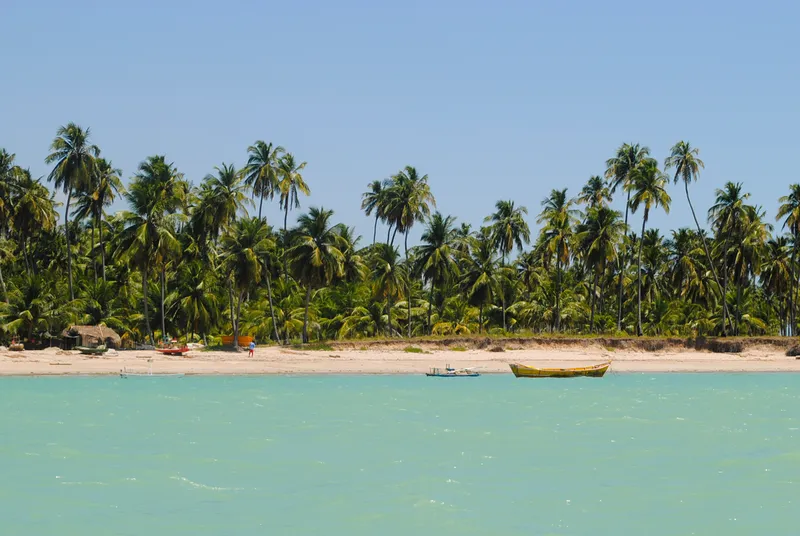
The city runs along a beachfront that is unusually green and low rise by Brazilian standards, with building height restricted so the beaches keep afternoon sun. The Tambau to Cabo Branco stretch is walkable and cycleable, with a beachfront path along most of it. Buses cover the city cheaply, and Uber and 99 handle everything else for $3 to $6. Ponta do Seixas, the easternmost point of the Americas, is 14km south below the Cabo Branco lighthouse. Praia do Jacare on the Paraiba river is 15km north, where boats gather at sunset. The airport is 11km out, and Recife is two hours south by road for wider connections. Long-distance coaches are the way to move around the northeast, running overnight to Natal, Recife and further south in comfort and at low cost, and the rodoviaria is better organised than the airport for anything within the region. Cycling on the beachfront path is genuinely safe; cycling on the arterial roads is not, and residents are clear about the distinction. Ride-hailing is cheap enough that most people simply use it after dark rather than walking.
Sorting transport? Book an airport transfer, or compare car rental on Auto Europe and QEEQ.
Visas for Joao Pessoa
Brazil admits most European nationalities visa free for 90 days, extendable once by a further 90 through the Policia Federal, capped at 180 days in any 12-month period. American, Canadian and Australian citizens require an e-visa obtained online in advance. Brazil's digital nomad visa gives one year, renewable for a second, and asks for proof of remote work for a company outside Brazil plus a minimum income of about $1,500 a month or savings of $18,000. It can be applied for at a consulate abroad or converted after arrival, and the paperwork burden is lighter than most European equivalents. The date to watch is not the visa's expiry but the tax one. Spending more than 183 days in Brazil within a twelve-month period generally makes you tax resident, which brings worldwide income into scope and is entirely separate from whatever immigration status you hold, so anyone planning a full year on the nomad visa should take advice before rather than after. On arrival with a long-stay visa you also register with the Policia Federal for the residence card, which is the document everything else asks for.
Best Time to Visit Joao Pessoa
Joao Pessoa sits seven degrees south and its temperature barely moves, with highs of 29C to 31C all year and a constant sea breeze that makes it feel milder than the numbers. Rain is the variable: the wet season runs March to July, with April, May and June the heaviest, and while the showers are usually short they can be intense. September to February is the dry stretch, with lower humidity, calm seas and the best beach conditions. The city claims the first sunrise in the Americas at Ponta do Seixas, which is a genuine geographic fact and worth an early morning. Sea temperature stays around 27C throughout. June is the month the northeast belongs to. Festas Juninas run through it with bonfires, quadrilha dancing and forro in every town, and Campina Grande, two hours inland, hosts one of the largest of these celebrations anywhere, which is worth building a trip around rather than stumbling into. It also falls squarely inside the wet season, so expect to dance in the rain. Carnival here is smaller and gentler than Recife's and is the better one for anyone who wants to sleep.
Pros and Cons of Joao Pessoa
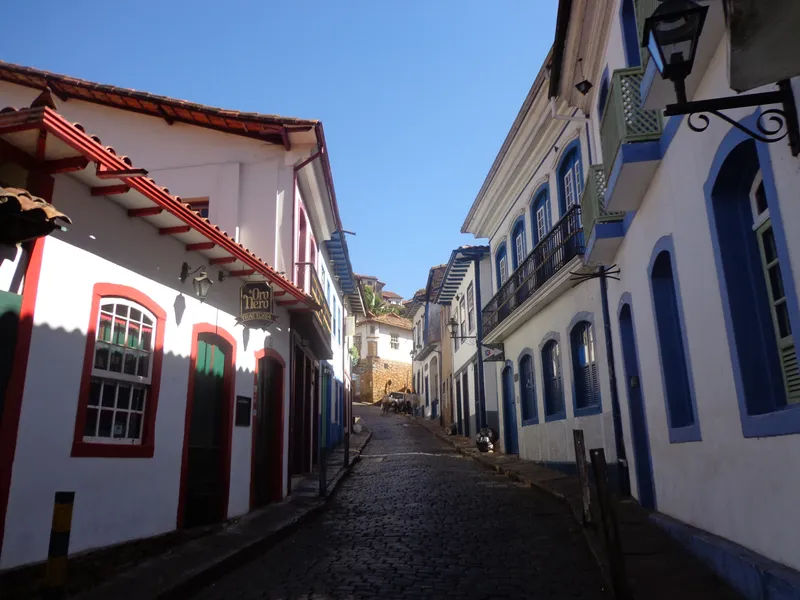
Joao Pessoa is the calmest of all the northeastern Brazilian capitals: greener, lower rise and less crowded, with a beachfront where building height rules keep the sand in sunlight all day, a well-preserved colonial centre including the Sao Francisco church complex, and fast cheap fibre throughout the city. It is generally regarded as safer than Recife, Salvador or Maceio, though it is still a Brazilian city and the usual precautions apply. Costs are low and the digital nomad visa is accessible. Little English is spoken, few other foreigners are around, the nightlife is quiet next to Recife or Natal, and the wet season from April to June is genuinely heavy. Paraiba is a small state and its capital carries the university, the hospitals and the administration, which gives the place a settled professional middle class rather than a purely tourist economy, and that shows in how it feels away from the beach strip. Medical provision is among the better options in the northeast, with the federal university hospital taking referrals and private cover costing very little. The trade-off for the calm is real: this city will not entertain anyone who needs their evenings filled.
Who Joao Pessoa Is For
Northeastern Brazil at a slower pace: a beach city with real infrastructure, excellent internet and a bill that stays small, where the trade-off for fewer people is less noise rather than less to do. Some Portuguese makes an enormous difference and is close to necessary. It is a strong candidate for a year on the digital nomad visa if you want warmth, water and a manageable city rather than a big one. Portuguese does all the work in Paraiba and English gets a visitor nowhere, foreigners here number far fewer than in Recife or Natal up the coast, and the nightlife is gentle rather than serious. Recife is two hours south for all three, at a higher cost and a busier safety picture. Set against the other northeastern beach capitals, Natal is windier and built for package tourism, Fortaleza is much larger and busier, Maceio has the better water and a worse safety record, and this one is the quietest of them. It rewards a stay of months, since the appeal is the rhythm rather than a list of sights, and most people who come for a fortnight leave wondering what the fuss was and most who stay a season understand it.
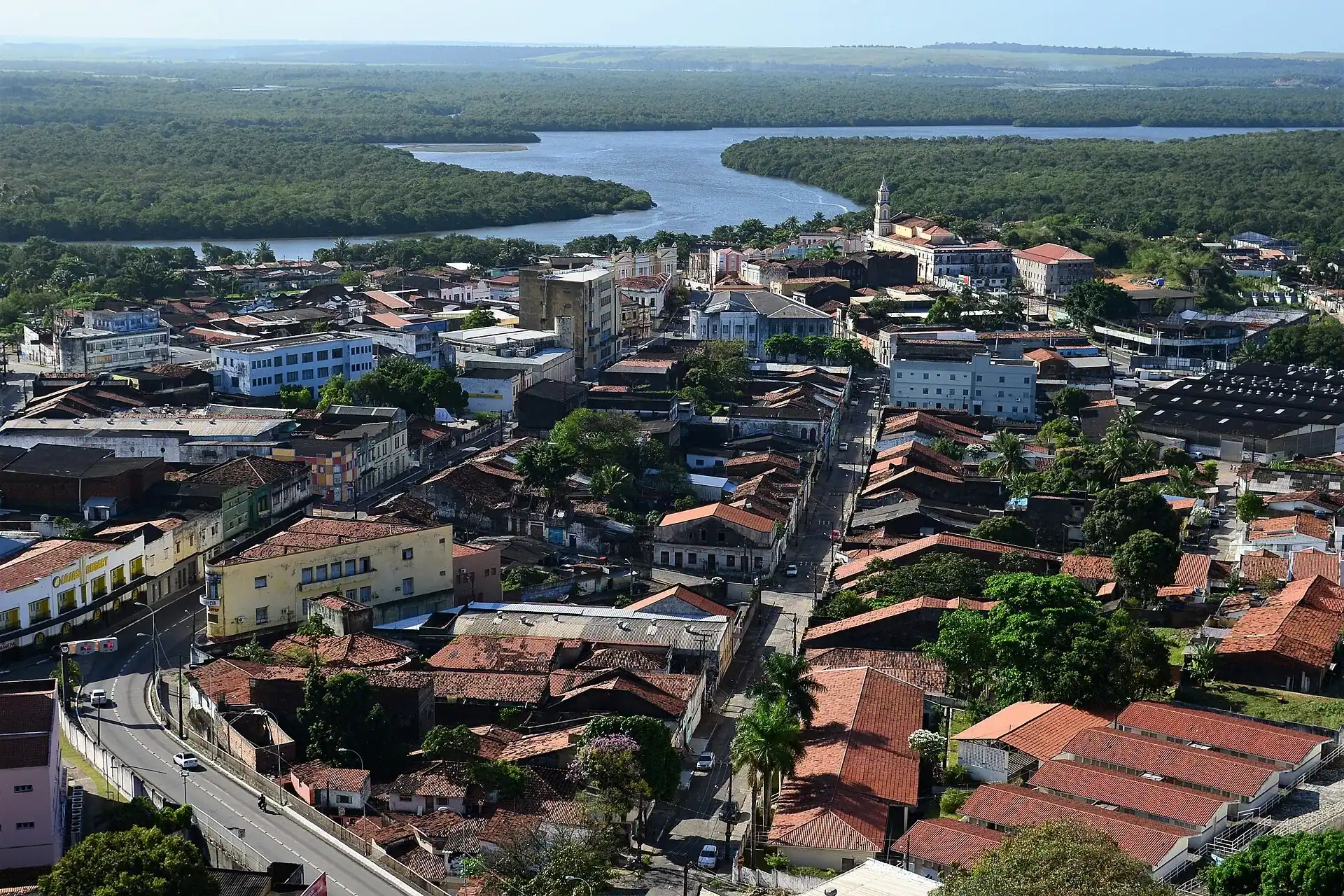 Photo: Rogerio121402 / Wikimedia Commons (CC BY-SA 4.0)