Cost of Living in Curitiba
Real market data
Source: Numbeo · September 2026
$960/moSolo nomad1-bed centre + living costs
$1,330/moCoupleshared 1-bed + costs
$750/moLean / localcheaper area + costs
- 1-bed rent, city centre$500R$2,527
- 1-bed rent, outside centre$290R$1,465
- Monthly costs excl. rent (1 person)$460R$2,351
- Meal, inexpensive restaurant$8R$40
- Monthly transit pass$71R$360
- Buy price, per m² (centre)$2,470R$12,513
Prices are from Numbeo (September 2026), converted to USD at $1 = R$5.07 (01 Aug 2026). The monthly living-costs figure is our transparent one-person basket, groceries, a few meals out, utilities, phone, internet, transport and essentials, priced from those figures. Solo adds central rent; couple and lean are estimates from the same numbers.
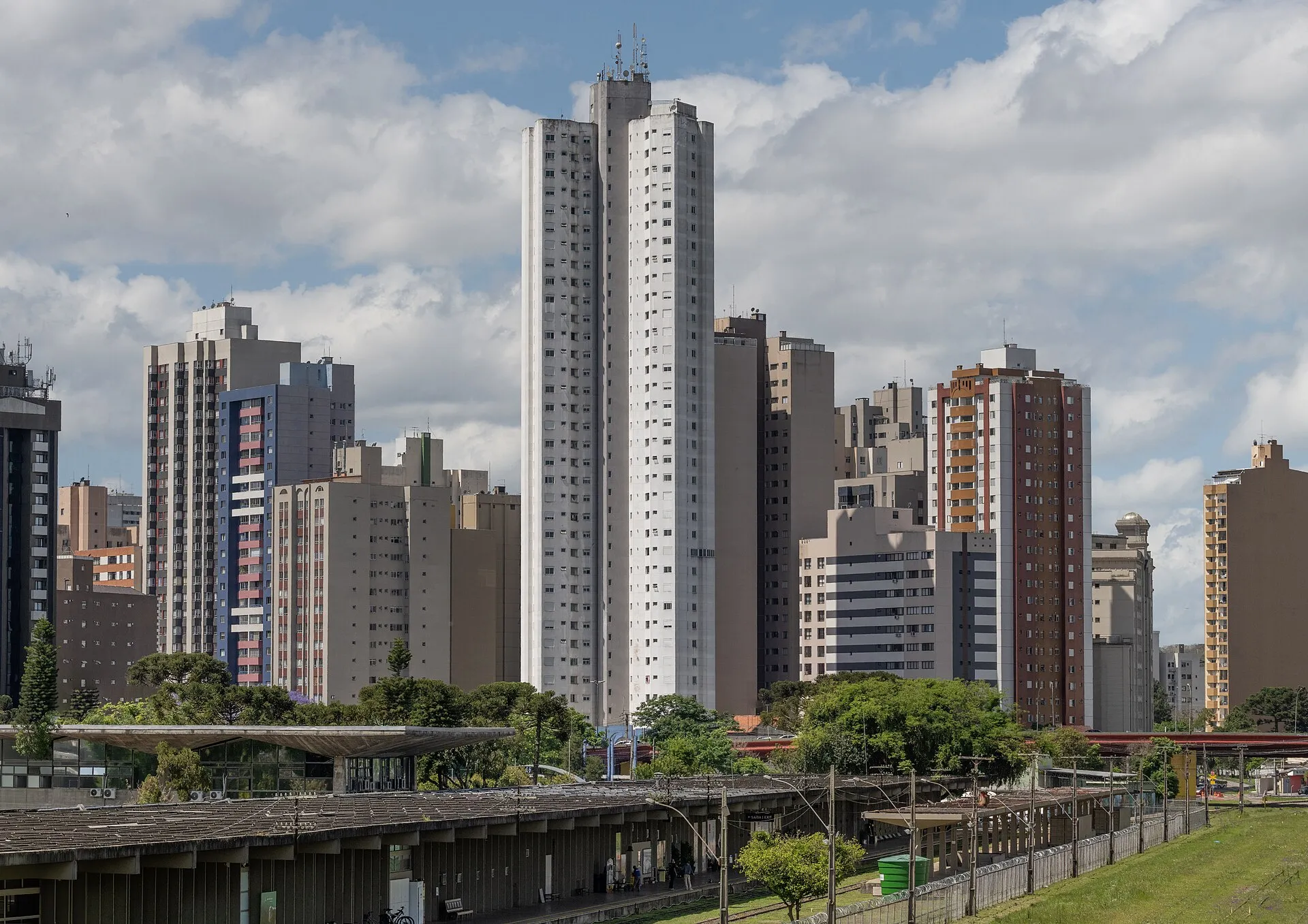
Curitiba is one of southern Brazil's more polished cities, and a solo remote worker can live on about $960 per month on the Numbeo basket above, a central one-bedroom plus everyday costs (the line items below are editorial estimates in USD). A one-bedroom apartment in central, desirable neighborhoods like Batel or Centro runs roughly $350 to $550, while comparable places further out drop to $250 to $380. Groceries are reasonable at around $200 to $280 monthly, helped by strong local markets and Brazil's cheap produce. Eating out is good value: a hearty prato feito lunch costs $4 to $7, and a per-kilo buffet, a Brazilian staple, runs $6 to $10. Curitiba's celebrated bus system keeps transport cheap, around $30 to $45 a month. A coworking membership typically lands between $90 and $160. Add coworking, utilities, mobile data, and some leisure on top of that, and the total sits nearer the $1,400 mark, less if you cook often and skip the priciest neighborhoods.
Where to Work in Curitiba
Curitiba has a mature coworking scene, with numerous shared offices clustered around Batel and the city center offering hot desks, private rooms, and events. As a wealthier, well-organized southern city, its internet infrastructure is strong: fiber home connections are widely available and reliable, and cafe wifi is generally solid. Brazil's mobile networks in cities are good, so a local prepaid SIM from Vivo, Claro, or TIM gives you dependable 4G and growing 5G coverage as a backup. Cafe-work culture is comfortable here, with a thriving specialty-coffee scene, fitting given Curitiba's cool climate makes lingering over a laptop pleasant. Many cafes in Batel and Alto da XV welcome remote workers for a few hours. For serious focus and networking, a coworking membership is worthwhile and connects you to the local startup community. Overall connectivity is among the more reliable you will find in Brazil. A ring of car plants on the eastern edge of the metropolitan area makes this one of the country's vehicle assembly centres, and the engineering firms supplying them are why there are more technical people here than a green-city reputation would lead you to expect. None of them will ever hire a foreigner with a laptop, but they keep the place working through the winter.
Getting Around Curitiba
Curitiba is famous worldwide for pioneering the Bus Rapid Transit model, and its integrated bus network with tube-shaped stations remains efficient, extensive, and cheap at roughly $1 per ride. The city is also notably walkable in central districts and greener than most, with pedestrian streets and abundant parks. Ride-hailing via Uber and 99 is widespread, affordable, and the easiest way to move at night, with typical trips costing $3 to $7. You do not need a car to live here, and many nomads skip one entirely, relying on buses, walking, and apps. Afonso Pena International Airport, in neighboring Sao Jose dos Pinhais, handles domestic flights and some regional international routes, connecting easily through Sao Paulo hubs. Traffic is lighter than in Rio or Sao Paulo. Between the reliable transit and cheap ride-hailing, getting around is one of Curitiba's genuine strengths. A railway drops off the plateau to the coast through the Serra do Mar on a line cut in the eighteen eighties, crossing viaducts above rainforest, and it is one of the great train journeys anywhere on the continent. It runs as an excursion rather than a service, but it remains the way to reach the colonial towns and the sea from up here.
Sorting transport? Book an airport transfer, or compare car rental on Auto Europe and QEEQ.
Visas for Curitiba
Brazil offers a Digital Nomad Visa valid for one year and renewable for another, aimed at remote workers employed by companies outside Brazil. The main requirement is proof of income of roughly $1,500 per month or savings of around $18,000, plus health insurance, applied for through a Brazilian consulate or, once you are already in Brazil, through the Ministry of Justice. For shorter stays, many nationalities including most Europeans get 90 days visa-free as tourists, often extendable by another 90 days per year. Note that some passport holders, and recently citizens of the US, Canada, and Australia, may face reintroduced visa requirements, so this is exactly the kind of rule that shifts. The nomad visa is the cleanest legal route for basing yourself in Curitiba beyond the tourist window.
Best Time to Visit Curitiba
Curitiba sits on a high plateau in Brazil's south and has a noticeably cooler, more temperate climate than the tropical northeast or Rio. Expect four distinct seasons and frequent temperature swings within a single day, so layers are your friend year-round. Summer, from December to March, is mild and pleasant by Brazilian standards, with warm days rarely oppressive but fairly frequent rain. Winter, from June to August, is genuinely cool, with nights sometimes dropping near freezing and damp, grey stretches, so it is the season most people find least comfortable. The most agreeable months are the shoulder seasons of spring, September to November, and autumn, April to May, when the weather is mild, drier, and the city's many parks look their best. If you dislike cold and damp, avoid deep winter. Otherwise Curitiba is a comfortable, sweat-free base almost any month. Frost whitens the parks on the coldest mornings, which is a thing almost nowhere else in this country can claim and which residents mention with some pride. The araucaria pines standing over the city drop their seeds in the cold months, and roasted pinhao sold on street corners is the clearest signal the season has turned.
Pros and Cons of Curitiba
Curitiba's strengths are real: it is clean, safe by Brazilian standards, exceptionally green with world-class parks, well organized, and has excellent public transit and reliable internet. The cool climate is a relief if you dislike tropical heat, and the coffee and food scenes are strong. The city feels calm and orderly. On the downside, that same cool, grey winter weather disappoints anyone expecting beaches and constant sun, and Curitiba has no coastline. The nomad and expat community is smaller than in Florianopolis, Rio, or Sao Paulo, so social life takes more initiative. Portuguese is essential, since English is not widely spoken. Some visitors find the city a touch quiet or lacking the vibrant energy of Brazil's more famous destinations. If you crave nightlife, warmth, and a big international crowd, Curitiba may feel understated compared with its flashier Brazilian rivals.
Who Curitiba Is For
Livability rather than spectacle is the trade being made here: someone who wants a safe, clean, well-run city with reliable internet, great parks, and a temperate climate rather than beaches and heat. It is ideal for focused remote workers, digital professionals, and anyone who finds tropical humidity draining and appreciates cool evenings and four real seasons. Coffee lovers and park-and-cycle types will feel at home. It rewards those willing to learn some Portuguese and build their own social circle, since the international community is modest. It is a weaker choice for beach seekers, party-focused travelers, or anyone wanting a large ready-made nomad scene, who would be happier in Florianopolis or Rio. Choose Curitiba if you value calm, order, green space, and a comfortable base for exploring southern Brazil, and if a mild, sometimes chilly climate sounds like a feature rather than a drawback.