Cost of Living in Florianópolis
Real market data
Source: Numbeo · August 2026
$1,140/moSolo nomad1-bed centre + living costs
$1,520/moCoupleshared 1-bed + costs
$960/moLean / localcheaper area + costs
- 1-bed rent, city centre$660R$3,346
- 1-bed rent, outside centre$490R$2,469
- Monthly costs excl. rent (1 person)$480R$2,409
- Meal, inexpensive restaurant$9R$45
- Monthly transit pass$82R$414
- Buy price, per m² (centre)$2,830R$14,320
Prices are from Numbeo (August 2026), converted to USD at $1 = R$5.07 (01 Aug 2026). The monthly living-costs figure is our transparent one-person basket, groceries, a few meals out, utilities, phone, internet, transport and essentials, priced from those figures. Solo adds central rent; couple and lean are estimates from the same numbers. The guide below quotes its own monthly range, which is a different measurement rather than a competing one: this table prices a defined basket at the figures above, while that range is a judgement about how somebody actually lives here.
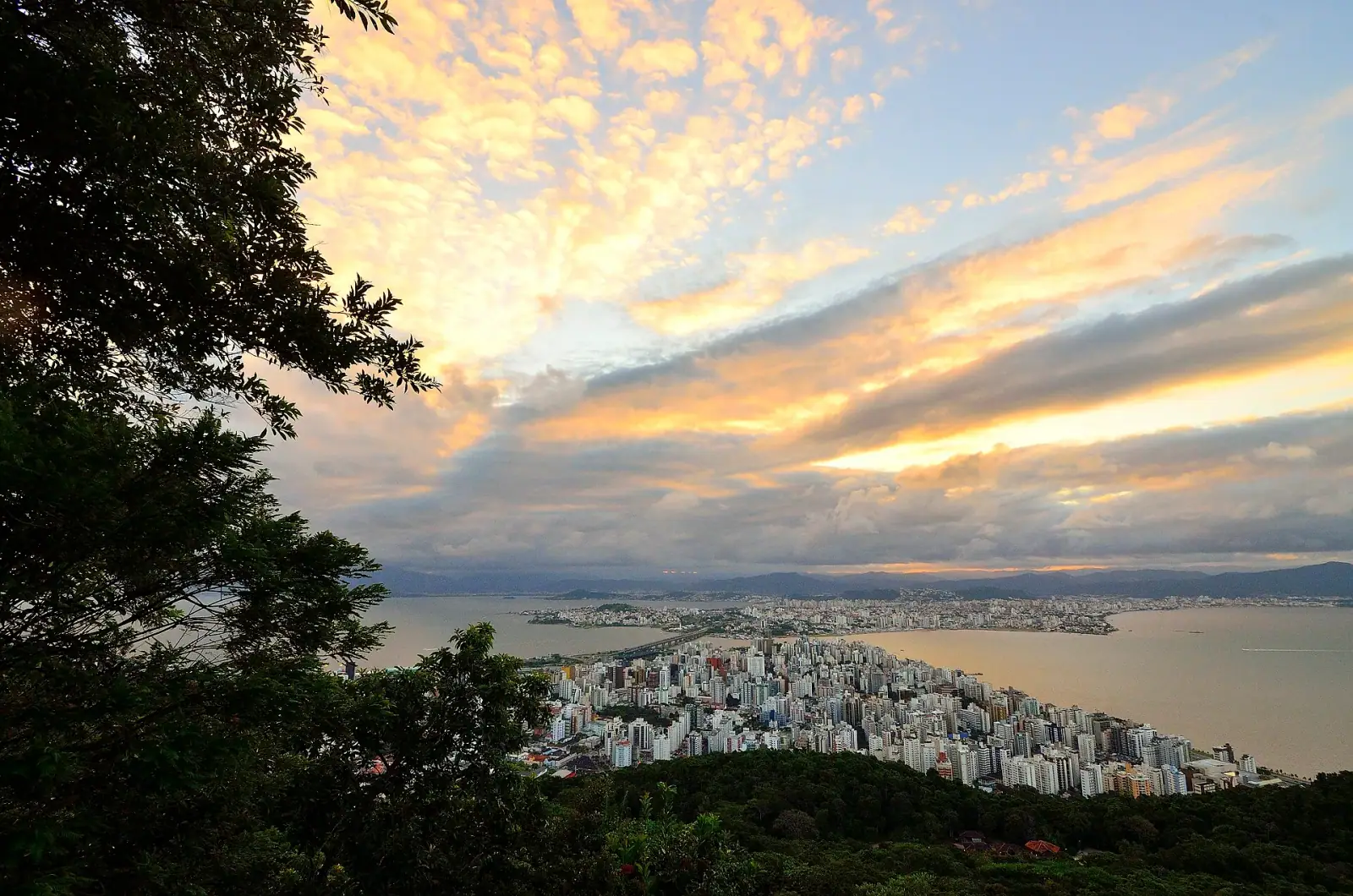
Florianópolis sits at the more affordable end of Brazilian beach cities without feeling like a compromise. In the central neighborhoods (Centro, Trindade, Bairro Agronômica), expect to pay $430-690 per month for a furnished one-bedroom apartment. In the more relaxed beach areas like Campeche, Rio Tavares, and Lagoa da Conceição, prices for a similar apartment can drop to $350-550 outside the high season. Be aware that summer (December through February) is peak tourist season, and short-term rentals inflate sharply. Locking in a longer lease before December saves considerably.
- Rent (1BR, furnished): $350-690/month
- Groceries: $140-220/month
- Eating out: $6-16 per meal at local restaurants; a prato feito (set lunch) runs $4-7
- Coworking hot-desk: $79-180/month; day passes $10-24
- Local transport (bus/apps): $39-79/month depending on how much you rely on Uber and 99
- Home internet: $20-30/month
- Total range: USD 800-1,500/month for a comfortable nomad lifestyle
Rents have risen around 10% annually in recent years as the city has attracted more remote workers, so budget slightly above older estimates you find online.
Where to Work
The coworking scene in Florianópolis is genuinely good for a city this size. Sandbox Coworking (Rio Tavares, near Campeche) is a well-regarded space catering to tech workers and startups, with 24-hour access, meeting rooms, and fast fiber internet. Impact Hub Floripa has multiple locations including a Centro branch on Rua Trajano and a Beira Mar location, both offering a community-oriented environment popular with entrepreneurs. Favo Coworking in Ingleses in the north of the island has strong reviews and a well-lit, comfortable setup. HZ Coworking Space (Centro, Av. Rio Branco 404) is one of the city's longest-running spaces and suits those who need a business address.
For cafe work, Café Cultura is the most reliable chain for nomads, with several locations across the island, fast Wi-Fi, plentiful outlets, and indoor/outdoor seating. ARBOR Café in Porto da Lagoa draws specialty coffee fans and has a calm atmosphere suited to focused work. Cafe-work culture is accepted at most specialty coffee shops, though busy weekend mornings are not ideal for marathon sessions.
The real Wi-Fi situation: coworking spaces reliably deliver fast fiber connections. Home internet is widely available and fast. Cafe Wi-Fi is usable but variable, and a local SIM card with a data plan (Claro or Vivo) is worth having as a backup, particularly in beach areas where the grid is less consistent.
Getting Around
Florianópolis is an island connected to the mainland by two bridges, and it is not a walkable city in the traditional sense. The neighborhoods are spread out across a large island, and distances between them are significant. If you base yourself near your coworking space or the beach, daily life can feel manageable on foot, but crossing the island requires a vehicle or a bus ride.
The city bus network covers most neighborhoods with fares around $0.89-1 per ride, but routes are slow and transfers can be awkward. Most nomads rely on Uber and 99 (a popular local alternative) for flexible movement. Both apps work reliably across the island. Renting a car or motorbike is common for those staying longer, especially to reach the southern beaches.
Getting to and from Hercílio Luz International Airport (FLN): the airport sits on the island close to Centro. An Uber or 99 to the central neighborhoods costs around $10-20 and takes 20 minutes. The 431 bus line connects the airport to the main downtown terminal (TICEN) for $1.50, taking roughly 45-50 minutes. An executive bus line (4131) is also available for a slightly higher fare. Taxis at the rank outside arrivals cost $16-30 depending on destination.
Sorting transport? Book an airport transfer, or compare car rental on Auto Europe and QEEQ.
Visas and Staying Long-Term
Citizens of the UK and most EU countries enter Brazil visa-free for up to 90 days. US, Canadian and Australian passport holders no longer do: Brazil ended their exemption on 10 April 2025 on reciprocity grounds, and they now need an electronic visa obtained online before travel. You can request a single 90-day extension at the local Polícia Federal office in Florianópolis before your initial period expires, for a potential total of 180 days in any 12-month period. Extension approvals are not guaranteed and have become less routine under recent federal policy, so do not count on an extension as a fallback plan.
Brazil introduced the VITEM XIV Digital Nomad Visa in 2022. It grants one year of legal residence, renewable once for a second year, for remote workers earning at least USD 1,500/month from outside Brazil, or who can show USD 18,000 in savings. You also need private health insurance valid in Brazil and a criminal background check. This is the most stable route for a longer stay.
Best Time to Visit
The sweet spot for remote work in Florianópolis is April through August. Temperatures sit in the comfortable range of 18-26°C (64-79°F), crowds thin out significantly after Carnival, rental prices drop, and the city returns to its more local pace. The southern Atlantic winters are mild, rarely dipping below 10°C (50°F) at night, though you will want a light jacket. Rainfall is spread fairly evenly year-round, but heavy afternoon downpours are more common in the shoulder months.
Summer (December through March) brings heat, humidity, and the full Brazilian holiday season. Prices spike, beaches are packed, traffic is terrible, and many coworking and restaurant spots operate at capacity. If you are visiting specifically for beach life and nightlife energy, summer delivers, but it is a harder environment for focused remote work. September through November offers warming temperatures and lighter crowds, making it a reasonable secondary option if the austral winter doesn't appeal.
Pros and Cons
Pros
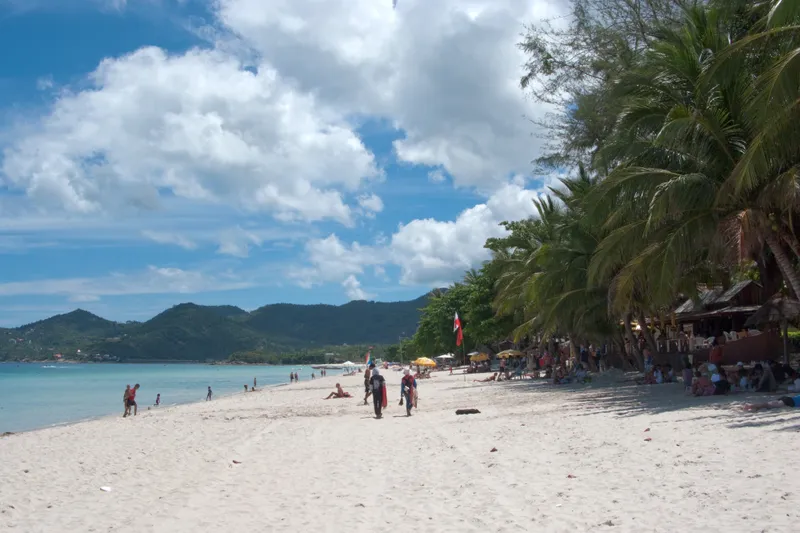
- Exceptional natural setting: 40+ beaches, lagoons, and green hills within the city limits
- Growing nomad community with a mature coworking infrastructure for a Brazilian city
- Fast fiber internet widely available in homes and coworking spaces
- Excellent and diverse food scene, with a strong seafood culture rooted in Azorean heritage
- Safer than most large Brazilian cities, with many neighborhoods comfortable for daily walking
- Strong startup and tech ecosystem locally, which means good networking if you work in tech
- Flights from São Paulo (GRU/CGH) take roughly 90 minutes and run frequently
Cons
- Not walkable: you need apps, a bike, or a car to move between neighborhoods
- Summer (Dec-Feb) is crowded, expensive, and not ideal for productivity
- English is not widely spoken outside of coworking spaces and some tourist areas
- Rents are rising year over year and seasonal pricing can catch you off guard
- Beach neighborhoods in the south can feel isolated without personal transport
- Brazilian bureaucracy and banking can be frustrating for foreigners to navigate
Who Florianópolis Is Best For
Florianópolis works well for nomads who genuinely want to balance work with an outdoor lifestyle. If you surf, trail run, or just want the option to be at a beautiful beach on a Friday afternoon without a long commute, Floripa is hard to beat in Latin America at this price point. It suits people comfortable with Portuguese or willing to learn, since daily life outside of expat hubs requires at least basic language skills.
Tech workers and startup founders will find a surprisingly deep local ecosystem, with events, accelerators, and a community that takes remote work seriously. The visa infrastructure for longer stays is now more formal than it used to be, which is good news for nomads who want legal clarity.
Those who should look elsewhere: if you need a dense, walkable city where everything is close, Floripa's spread-out geography will frustrate you. If you are on a very tight budget, rising rents have pushed it closer to mid-tier rather than budget territory. And if you want a large expat scene with English widely available, you will need to actively seek that community rather than stumble into it.