Cost of Living in Las Vegas
Where this figure comes from. No cost survey covers Las Vegas, so the $2,900 a month above is our own estimate rather than a measurement. On 416 of our 999 city guides the figure is built from a published Numbeo basket, a one-bedroom rent in the centre plus one person's monthly costs without rent, converted to USD; this city is not one of them. How we source everything.
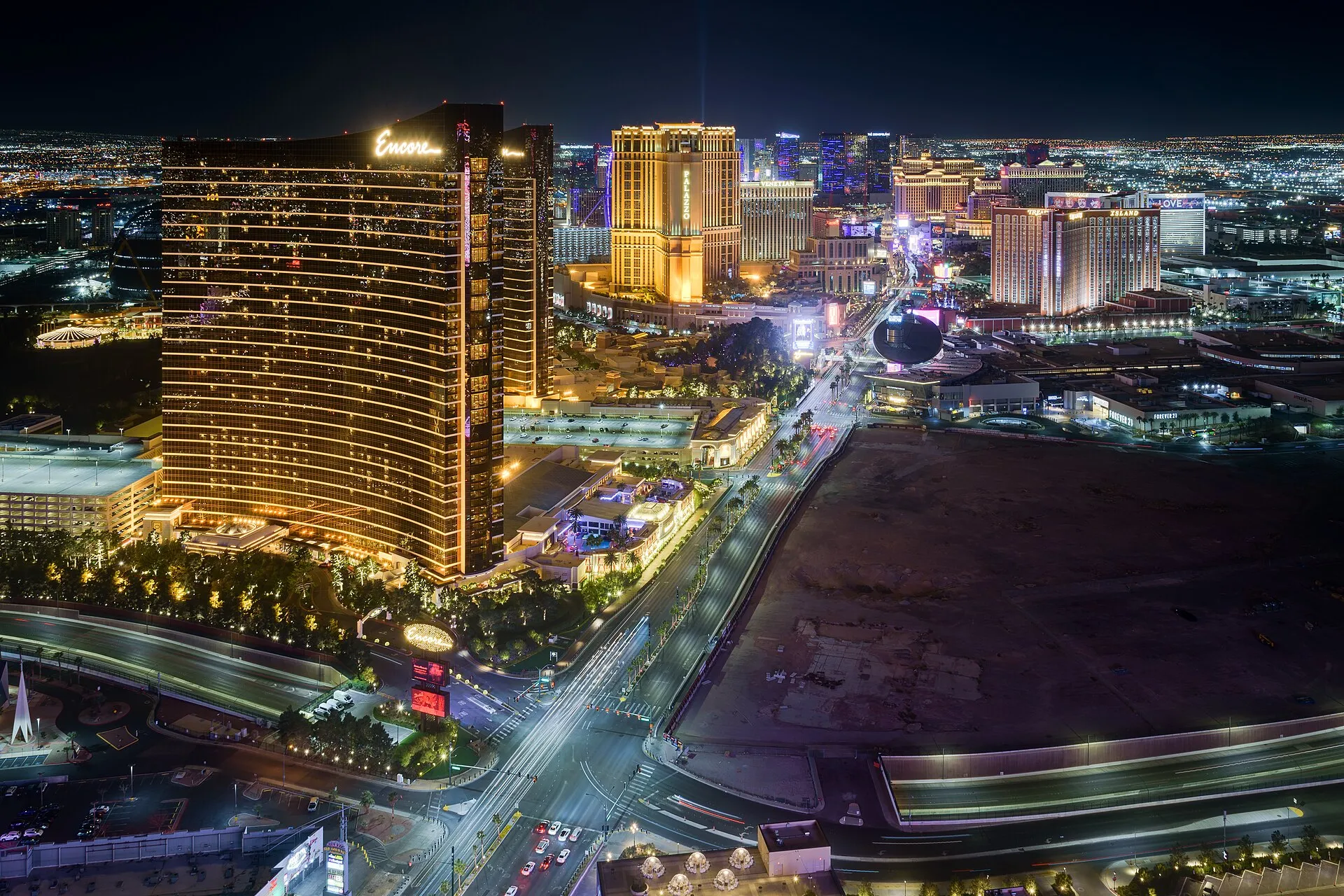
Las Vegas is surprisingly affordable for a major US city, and roughly $2,900/month is realistic for a solo remote worker. A one-bedroom near the center or in walkable Downtown runs about $1,300 to $1,600, while suburbs like Henderson or Summerlin offer similar or slightly higher for newer units, and cheaper apartments exist further out around $1,100 to $1,300. Groceries for one run $350 to $450. Eating out is a bargain if you skip the Strip: solid meals off-Strip cost $12 to $20, though casino restaurants can be pricey. There is no state income tax, which helps. A car is effectively required, so budget $250 to $450 for payment, fuel, and insurance, or less if you rely on ride-hailing. Coworking desks run about $150 to $300/month. Summer electricity bills spike with air conditioning, easily $150 to $250. These are editorial estimates in USD. Frugal nomads manage near $2,400. Casino hotels still charge nightly resort fees, but a federal rule in force since May 2025 obliges them to include those fees in the first price shown, so comparing a week in a casino tower with a furnished apartment across town is finally honest arithmetic.
Where to Work in Las Vegas
Las Vegas has a growing coworking scene, with spaces in Downtown, the Arts District, and the southwest and Summerlin business corridors offering hot desks, private offices, and events. Home internet is strong, with widespread cable and expanding fiber delivering fast, reliable speeds, an advantage for video-heavy remote work. Cafe-work culture is decent but uneven: the Arts District and Downtown have independent coffee shops friendly to laptops, while much of the city is chain cafes and casino food courts not built for lingering. Casinos offer free wifi but are noisy, dim, and full of distractions, so they are poor offices. Caveats: the metro is spread out, so your work spot is often a drive away rather than a walk. Summer heat pushes everyone indoors, which actually makes climate-controlled coworking appealing from June through September. Choose a base near your neighborhood to avoid daily cross-town commutes. The convention calendar rather than the season is what moves prices here: a large trade show fills every room in the city and triples the nightly rate, so anybody booking a month should look at what is on before choosing the dates. That same calendar is why the airport is busiest in the middle of the week rather than at the weekend, which is the reverse of almost everywhere else.
Getting Around Las Vegas
Las Vegas is a car city. Public transit exists through the RTC bus system, and the Strip has a monorail plus the underground Vegas Loop, but coverage across the sprawling metro is limited and slow for daily life. Walkability is good only on and around the Strip and in Downtown; most neighborhoods are suburban and require driving for groceries, work, and errands. Ride-hailing (Uber and Lyft) is plentiful and reliable, and some nomads get by on it alone, but costs add up quickly if used daily. Harry Reid International Airport (LAS) sits minutes from the Strip and is a major low-cost hub with cheap domestic flights nationwide, a real plus for travelers. Traffic is manageable compared with bigger cities, and parking is generally easy and often free off-Strip. Bottom line: rent or bring a car for anything beyond a Strip-centered stay, or budget generously for ride-hailing. The road west to the coast is four hours on a good day and closer to seven on a Sunday afternoon, when an entire weekend goes home at once and the interstate backs up through the desert. Leaving on the Monday morning instead costs nothing and saves the afternoon.
Sorting transport? Book an airport transfer, or compare car rental on Auto Europe and QEEQ.
Visas for Las Vegas
The US has no digital nomad visa, and Nevada follows federal immigration rules. Nationals of Visa Waiver Program countries can apply for ESTA online and enter for up to 90 days for tourism, with no extension of that period. Others generally need a B-2 tourist visa, with admission normally set at six months per entry. Visitors may not engage in employment while admitted, and no US visa exists for remote work. Overstaying triggers automatic re-entry bans of three to ten years, so track your admitted-until date carefully. Las Vegas is a huge international tourist destination, so tourist entries are routine, but keep evidence of onward travel, accommodation, and funds. A B-2 visitor who needs more time can apply to USCIS for an extension of up to six months.
Best Time to Visit Las Vegas
Las Vegas has a hot desert climate, and timing your stay around the summer is essential. June through September is brutal, with daytime highs regularly topping 100 to 110 degrees Fahrenheit and little relief until night. It is dry heat, but it is genuinely dangerous for prolonged outdoor activity, and you will live in air conditioning. The best months are spring (March to May) and fall (October to November), when temperatures are warm and comfortable, ideal for exploring Red Rock Canyon, hiking, and pool time without the extreme heat. Winter (December to February) is mild and pleasant by day, cool at night, and rarely freezing, making it a great low-season base with fewer crowds. Rain is scarce year-round. For nomads, aim for October through April to enjoy the outdoors, and if you must be there in summer, embrace early mornings, indoor coworking, and evening plans once the sun drops. November brings the Formula 1 Grand Prix, a night race on a street circuit that runs down the Strip itself, and the road closures and hotel rates around it make race week the most awkward of the year to arrive.
Pros and Cons of Las Vegas
Pros: Las Vegas is affordable for a US metro, with no state income tax, reasonable rent, and cheap off-Strip dining. Internet is fast and reliable, the airport is a low-cost hub with cheap flights everywhere, and there is endless entertainment, dining, shows, and nightlife. Nearby nature is a highlight, with Red Rock Canyon, Lake Mead, and day trips to Zion and the Grand Canyon. The climate is dry and sunny most of the year. Cons: summer heat is extreme and limiting for months at a time. The city is car-dependent and sprawling outside the Strip, and its economy and identity lean heavily on tourism and gambling, which not everyone enjoys living around. Culture and green space are thinner than in older cities, and the transient atmosphere can feel hollow to some. Air quality and water scarcity are ongoing concerns. It is convenient and cheap, but not for everyone long-term.
Who Las Vegas Is For
The budget-conscious US-based nomad who wants low costs, no state income tax, fast internet and an airport with cheap flights to almost anywhere is the obvious candidate. The desert is closer than the reputation suggests: serious hiking and several national parks sit within a short drive of the Strip. The other half of the case is the entertainment, the food and a social life that never has to be arranged in advance. Remote workers on US time zones get a comfortable and inexpensive base here, provided nobody is expecting it to be picturesque as well. It suits people who do not mind driving and can handle, or avoid, the extreme summer. Walkable charm, mild summers, deep history and a settled local community are all absent, and a visitor who needs any of them will spend the month noticing it. The same applies to anyone who finds an economy built on tourism and gambling wearing rather than amusing. Come for value, convenience, and easy access to nature.