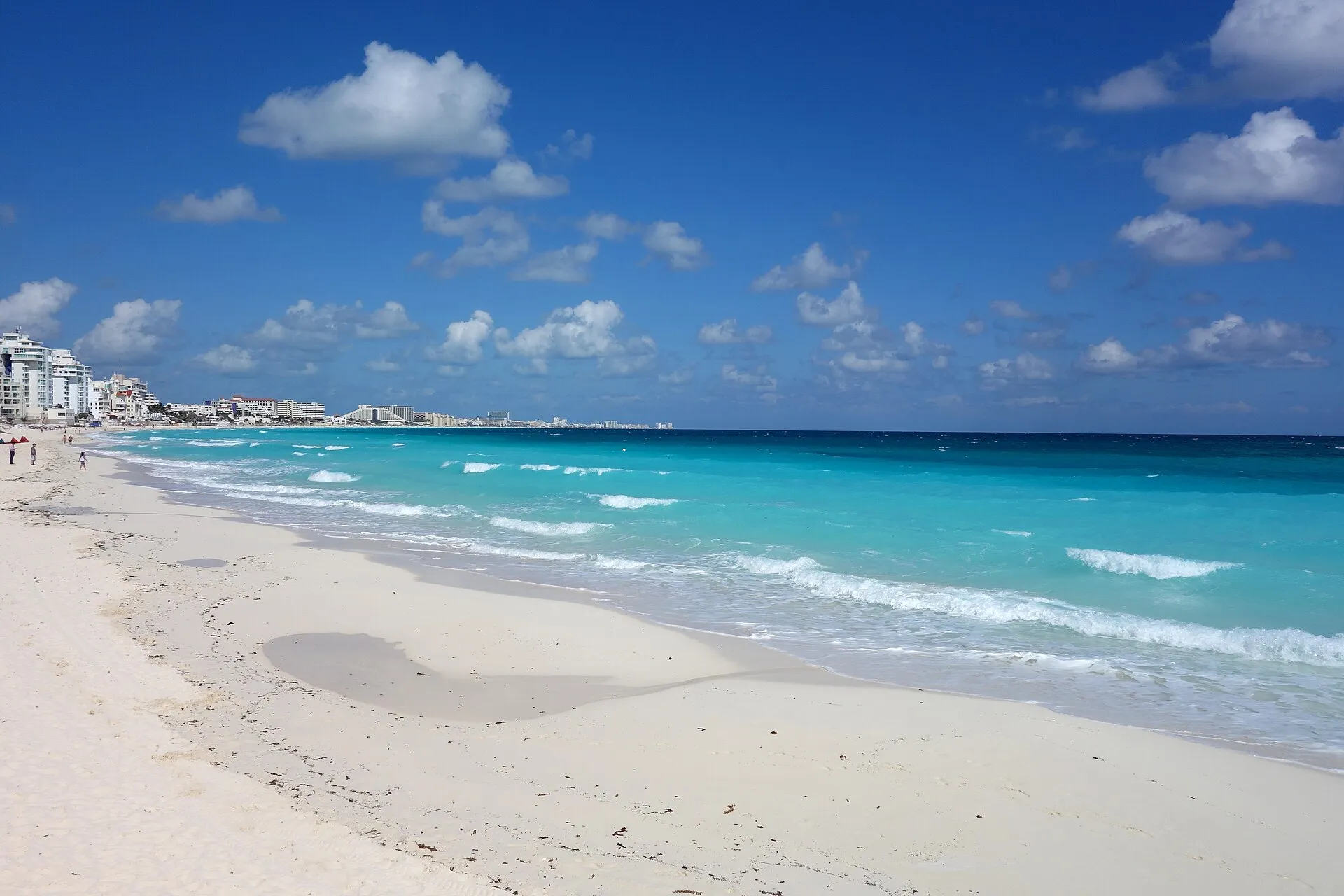
White sand beach and turquoise Caribbean Sea along the Cancún Hotel Zone
Photo: Luka Peternel / Wikimedia Commons (CC BY-SA 4.0)
Mexico flag

Cancún

Mexico

Caribbean beaches with Mexican culture.

$2.200
Monthly Budget
--
Current Weather
Tropical Savanna
Climate Type
70 Mbps
Avg. WiFi Speed
6/10
Safety Score
2,000+
Active Nomads
--
Time Difference
Scroll
0
Nomad Score

What Cancún Offers Digital Nomads

Caribbean beaches with Mexican culture. A tropical savanna climate and strong climate make Cancún an easy base, and at about $2,200 a month it fits a range of budgets.

Compare Cancún vs Playa del Carmen →

Category Breakdown

How Cancún scores across all 13 factors

Weather in Cancún

Monthly averages from 2019-2023 (Open-Meteo), and the best time to visit

26°
22°
Jan
27°
23°
Feb
28°
23°
Mar
30°
24°
Apr
30°
25°
May
30°
25°
Jun
31°
26°
Jul
31°
26°
Aug
31°
25°
Sep
30°
24°
Oct
28°
23°
Nov
27°
22°
Dec
Daily high & low (°C)Rainfall (mm/month)Best months to visit

The best time to visit Cancún for comfortable weather is Jan, Feb, Mar. The warmest month is Jul (around 31°C by day), and the wettest is Oct (about 156mm of rain).

Chasing good weather? See other cities that are warm in Jan, or plan a multi-city route around the seasons. Staying a while in Cancún? Check visa options, your time-zone overlap and how far your budget stretches, or find it on the world map.

Historical monthly averages, not a forecast. Source: Open-Meteo.

Best Neighborhoods in Cancún

Where to base yourself for the perfect nomad experience

Zona Hotelera

$$$$
Resort & Beach

Cancun's iconic beach strip

The Hotel Zone is what most people picture as Cancun - massive resorts, white sand beaches, and turquoise Caribbean waters. It's touristy but the beaches are genuinely spectacular.

Best for: Beach lovers, resort seekers, and those wanting Caribbean luxury
✓ Pros
  • Amazing beaches
  • Resort amenities
  • Water sports
  • Nightclubs
✗ Cons
  • Very expensive
  • No local culture
  • Tourist bubble

Centro (Downtown)

$
Local & Authentic

Cancun's authentic Mexican heart

Downtown Cancun is where locals live - Parque de las Palapas, taco stands, and authentic prices. It's the real Mexico that most tourists never see.

Best for: Budget travelers, culture seekers, and those wanting real Mexico
✓ Pros
  • Authentic food
  • Affordable
  • Local culture
  • Real Mexico
✗ Cons
  • No beach access
  • Less English
  • Basic accommodations

Puerto Cancún

$$$$
Upscale & Marina

Cancun's upscale marina development

Puerto Cancún is Cancun's newest development - marina, golf course, and luxury residences. It's quieter than the Hotel Zone with more sophisticated dining options.

Best for: Luxury seekers, golfers, and those wanting quiet upscale
✓ Pros
  • Marina views
  • Golf course
  • Upscale dining
  • Quieter beaches
✗ Cons
  • Very expensive
  • Sterile feel
  • Far from nightlife

El Table/Colosio

$
Practical & Affordable

Cancun's digital nomad base

Between downtown and the Hotel Zone, this area offers affordable long-term rentals and easy beach access. It's where savvy digital nomads base themselves.

Best for: Digital nomads, long-term visitors, and budget-conscious travelers
✓ Pros
  • Affordable rent
  • Beach access
  • Between zones
  • Supermarkets
✗ Cons
  • Less charming
  • Busy roads
  • Limited restaurants

Punta Sam/Costa Mujeres

$$$
Quiet & Developing

Cancun's quiet northern escape

North of Cancun, this developing area offers quieter beaches and the ferry to Isla Mujeres. It's for those who want Cancun access without Cancun crowds.

Best for: Peace seekers, Isla Mujeres visitors, and those avoiding crowds
✓ Pros
  • Quieter beaches
  • Near Isla Mujeres
  • Less developed
  • New resorts
✗ Cons
  • Far from everything
  • Limited dining
  • Car needed

Cost of Living in Cancún

Cancún is more expensive than most of inland Mexico because it is a tourist economy, but it is still affordable by North American or European standards if you live like a local rather than a vacationer. Prices below are approximate and paid in Mexican pesos (MXN); USD figures use a rate near 18 to 19 pesos to the dollar, so treat them as a guide, not a quote.

Here is a realistic monthly breakdown for one remote worker:

  • Rent, central furnished one-bedroom: around 13,000 to 18,000 MXN (roughly $700 to $950). The airport-adjacent parts of El Centro and the northern neighborhoods sit at the higher end, while the Hotel Zone is pricier still.
  • Rent, cheaper residential area: around 7,000 to 11,000 MXN (roughly $380 to $600) if you go further from the center into neighborhoods where fewer tourists stay.
  • Groceries: around 3,500 to 5,500 MXN ($190 to $300), cheaper if you shop at local markets and Chedraui or Bodega Aurrera rather than imported-goods stores.
  • Eating out: a meal at a comida corrida spot or taqueria runs 80 to 150 MXN ($4 to $8); a mid-range restaurant dinner for two is closer to 500 to 700 MXN ($27 to $38).
  • Coworking hot-desk: day passes are commonly around 150 to 200 MXN ($8 to $11), and monthly memberships land near 2,300 to 3,500 MXN ($125 to $190).
  • Local transport: city buses cost about 12 MXN a ride, so a month of getting around is roughly 700 to 1,200 MXN ($40 to $65) unless you rely on taxis or apps.

All in, a frugal remote worker can live on roughly $900 to $1,200 a month, while a comfortable central lifestyle with regular coworking and eating out lands closer to $1,500 to $2,500. Utilities and air conditioning in summer can push the electricity bill up sharply, so budget extra for the hot months.

Where to Work

Cancún has a modest but real coworking scene, concentrated in El Centro rather than the Hotel Zone. Named spaces to look at include beNuk Coworking (community events and clear day and monthly pricing), Kowork, La Casa del Árbol (a cheaper bohemian option), Colabora Cowork, and Nex Offices. Selina also historically ran a downtown cowork, though check that any specific location is still open before you commit.

Cafe-work culture exists but is thinner than in Mexico City or Playa del Carmen. You will find laptop-friendly cafes in El Centro, but many Hotel Zone venues cater to short-stay tourists and are not set up for long work sessions. On connectivity, Cancún is generally solid: median fixed-line speeds run around 60 Mbps down and close to 30 Mbps up, and fiber is available in many central apartments. Confirm the actual connection with any landlord before booking, buy a local eSIM or SIM as a backup, and expect occasional outages during heavy storms.

Getting Around

Public buses (the R1, R2 and similar routes) run frequently between El Centro and the Hotel Zone for about 12 MXN, and they are the cheapest way to move around day to day. For longer trips, ADO runs comfortable air-conditioned intercity coaches from the downtown bus terminal to Playa del Carmen, Tulum, Mérida and beyond. Colectivos (shared vans) are a cheap, local alternative for the Playa del Carmen corridor, leaving when full from fixed points.

Walkability is limited. El Centro is walkable in patches, but the city is spread out, sidewalks are inconsistent, and the Hotel Zone is a single long strip built for cars and buses, not pedestrians. Ride-hailing apps and taxis fill the gaps, though agree on taxi fares in advance since meters are rare.

From the airport (CUN), the ADO bus is the easy budget choice: expect around 140 to 170 MXN (about $7 to $9) to the downtown terminal, with a direct Hotel Zone route added in 2025. Private transfers and taxis cost far more, so the bus is worth it if your luggage is manageable.

Visas and Staying Long-Term

Most visitors from the US, Canada, the UK, the EU and many other countries enter Mexico visa-free as tourists and receive a visitor permit (the FMM). The permit can be granted for up to 180 days, but this is no longer automatic: since roughly 2021, officers have tightened enforcement and increasingly issue shorter stays (30, 60 or 90 days) at their discretion, and frequent back-to-back visa runs are being flagged and sometimes refused.

Importantly, working remotely on a tourist permit sits in a gray zone, and Mexican officials have signaled that people clearly living and working long-term should hold a temporary resident visa (residente temporal). That visa is applied for at a Mexican consulate abroad, usually requires proof of income or savings, and can be issued for one to four years with the option to renew. If you plan to base yourself in Cancún for many months, this is the cleaner path than repeatedly resetting a tourist stamp. Rules and thresholds change, so confirm current requirements with an official Mexican consulate or the Instituto Nacional de Migración before you rely on any of this.

Best Time to Visit

Cancún is hot and humid year-round, but the experience varies a lot by season. The best window for remote work is roughly December through April, when it is warmer and drier (often around 27 to 29°C), the sea is clearer, and sargassum is usually at its lowest. January and February are the most reliably pleasant.

From about June through September it is at its hottest and most humid, and this overlaps with hurricane season, which officially runs June to November and peaks August to October. Direct hurricane hits are historically rare, but heavy rain and storm disruption are not. Sargassum (brown seaweed that washes up and rots on beaches) is heaviest roughly April through October, and recent years have brought record volumes that occasionally reach even the winter months, so check current sargassum trackers if beach quality matters to you.

Pros and Cons

  • Pros: reliable fast internet, a warm climate and Caribbean beaches, an international airport with cheap flights, plenty of English spoken, and lower costs than North America if you avoid the tourist bubble.
  • Pros: easy base for exploring the wider Yucatán (Playa del Carmen, Tulum, Mérida, cenotes and ruins) by bus.
  • Cons: intense heat and humidity, especially in summer, with high air-conditioning bills.
  • Cons: tourist-trap pricing and hustle in the Hotel Zone, sargassum that can ruin beaches for months, a car-oriented and not very walkable layout, and a smaller, more spread-out nomad community than Playa del Carmen or Mexico City.

Who Cancún Is Best For

Cancún suits remote workers who want warm weather, beach access and solid internet, who plan to live in El Centro rather than the Hotel Zone, and who want a convenient launchpad for the Yucatán. It works well for shorter stays, sun-seekers, and people who do not mind a car-dependent city.

You should probably skip it if you want a walkable, densely social nomad hub, if summer heat and humidity wear you down, or if pristine beaches are central to your plans given the sargassum risk. In those cases, Playa del Carmen, Mérida or Mexico City may fit you better.

Where to Stay in Cancún

Top neighborhoods and accommodations for digital nomads

Nomads Party Hotel & Hostel

Hostel
El Centro

Downtown hostel with coworking space, rooftop pool, and sauna steps from the ADO bus station.

Check availability →

Mayan Monkey Cancun

Hostel
Zona Hotelera

Social hotel in the hotel zone with coworking areas, pool, and beach access across the street.

Check availability →

Caleta Hostel Rooftop & Pool

Hostel
El Centro

Modern downtown hostel with rooftop pool, free WiFi rated 8.8, and a 3-minute walk to the main bus terminal.

Check availability →

Adhara Hacienda Cancun

Hotel
El Centro

Well-rated downtown hotel with free breakfast, work desks, fast WiFi, and a swim-up pool near Parque de las Palapas.

Check availability →

Nílu Cancun Downtown by Selina

Hostel
El Centro

Selina coliving property near the ADO bus hub with dedicated coworking space, yoga, and private room options.

Check availability →

Browse apartments, aparthotels and hotels across Cancún. Compare prices and book a base that suits a remote-work stay.

See available stays in Cancún →

Affiliate link. See our disclosure.

Best Coworking Spaces

Where nomads get work done in Cancún

beNuk Coworking

Full-service coworking
Supermanzana 307

Modern space near the airport with fast wifi, free coffee, printing, meeting rooms, and a private outdoor terrace.

Visit website →

Colabora Cancún

Flexible coworking
Plaza La Roca

Community-focused workspace in a commercial plaza with 200 Mbps internet, private offices, and fully equipped meeting rooms.

View on Maps →

Ko Work Inc Cancun

Professional coworking
Centro

Pioneer Mexican coworking brand with 13 years of experience offering ergonomic workstations, biometric access, and meeting rooms.

Visit website →

Selina Cancun Laguna

Coliving coworking
Zona Hotelera

Lagoon-view coworking inside a coliving property with outdoor pool, yoga deck, and a built-in nomad community.

Visit website →

Regus Cancun Convention Center

Business coworking
Punta Cancun

Professional shared offices in the heart of the Hotel Zone's commercial district, ideal for client meetings and focused work.

Visit website →

Ah Cacao Chocolate Cafe

Laptop-friendly cafe
Zona Hotelera

Popular local chain beloved by nomads for its fast wifi, specialty cacao drinks, and comfortable seating in the Hotel Zone.

Visit website →

Where to Eat & Drink

Best food and drink spots in Cancún

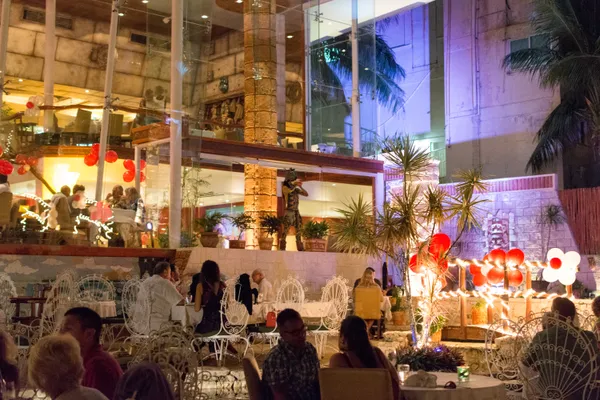
Candlelit outdoor courtyard of La Habichuela restaurant, Cancún, with ornate white iron chairs and Mayan statues

Photo: Jeremy T. Hetzel (CC BY 2.0)

La Habichuela

Yucatecan fine dining
Centro

Iconic garden restaurant open since 1977 serving classic Yucatecan dishes including cocobichuela lobster in a lush tropical patio.

Visit website →
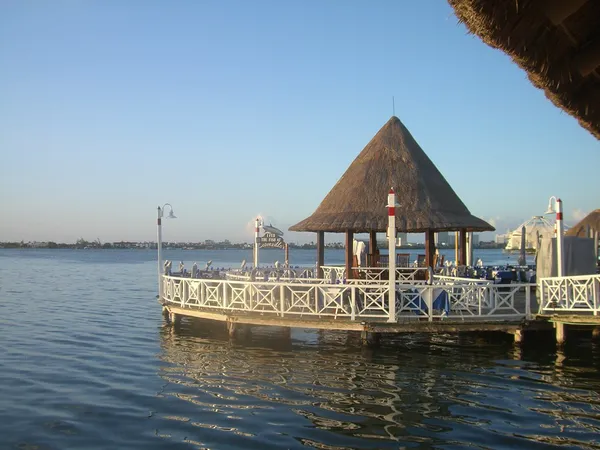
Lorenzillo's over-water palapa dining deck on Nichupté Lagoon, Cancún

Photo: julie corsi (CC BY 2.0)

Lorenzillo's

Seafood
Zona Hotelera

Landmark lobster restaurant built over Nichupte Lagoon offering 19 lobster preparations and sweeping lagoon views since the 1980s.

Visit website →
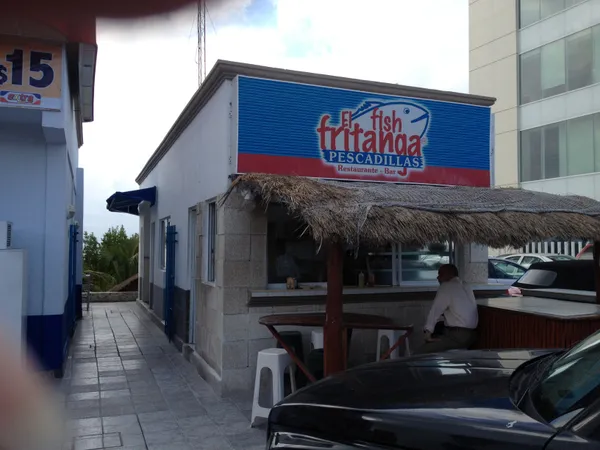
Exterior of El Fish Fritanga restaurant with its blue-and-red sign, Cancún

Photo: diaper (CC BY 2.0)

El Fish Fritanga

Casual seafood
Zona Hotelera

Relaxed lagoon-side palapa spot renowned for pescadillas, Governor Tacos, and fresh seafood sold by weight with live music at sunset.

View on Maps →

El Oasis Mariscos

Seafood
Centro

Cozy downtown seafood specialist serving ceviches, lobster tacos, grilled octopus, and coconut shrimp at mid-range prices.

View on Maps →

La Fonda del Zancudo

Italian fusion
Centro

Romantic walled patio adorned with fairy lights serving pasta, empanadas, and margaritas in a charming downtown setting.

View on Maps →

Porfirio's Cancún

Contemporary Mexican bar-restaurant
Zona Hotelera

Vibrant lagoon-view venue blending craft cocktails, modern Mexican cuisine, live mariachi, and a signature churros cart.

Visit website →

What Do Nomads Say?

Vote on how accurate these scores are based on your experience

Cities with a Similar Vibe to Cancún

Different places that score alike across our 13 categories, if you like Cancún, these tend to feel similar.

Frequently Asked Questions About Cancún

How much does it cost to live in Cancún as a digital nomad?

A comfortable nomad budget in Cancún is around $2,200 a month: a furnished rental, food, coworking, and getting around. Live a little outside the center or eat local to spend less.

Is the internet fast enough for remote work in Cancún?

With a WiFi score of 7/10, connectivity in Cancún is good for calls and focused work. A prepaid local SIM keeps you online when you are away from the apartment.

Is Cancún safe for digital nomads?

Cancún scores 6 out of 10 for safety in our ratings, which is workable for solo travel and long stays. Use normal precautions at night and with valuables, and choose well-reviewed areas.

Is Cancún a good city for digital nomads overall?

For nomads, Cancún is worth a look if you value climate and nightlife. Costs sit near $2,200 a month and the community keeps growing, though, like anywhere, it will not match every checklist.