Cost of Living in Krakow
Where this figure comes from. No cost survey covers Krakow, so the $1,800 a month above is our own estimate rather than a measurement. On 416 of our 999 city guides the figure is built from a published Numbeo basket, a one-bedroom rent in the centre plus one person's monthly costs without rent, converted to USD; this city is not one of them. How we source everything.
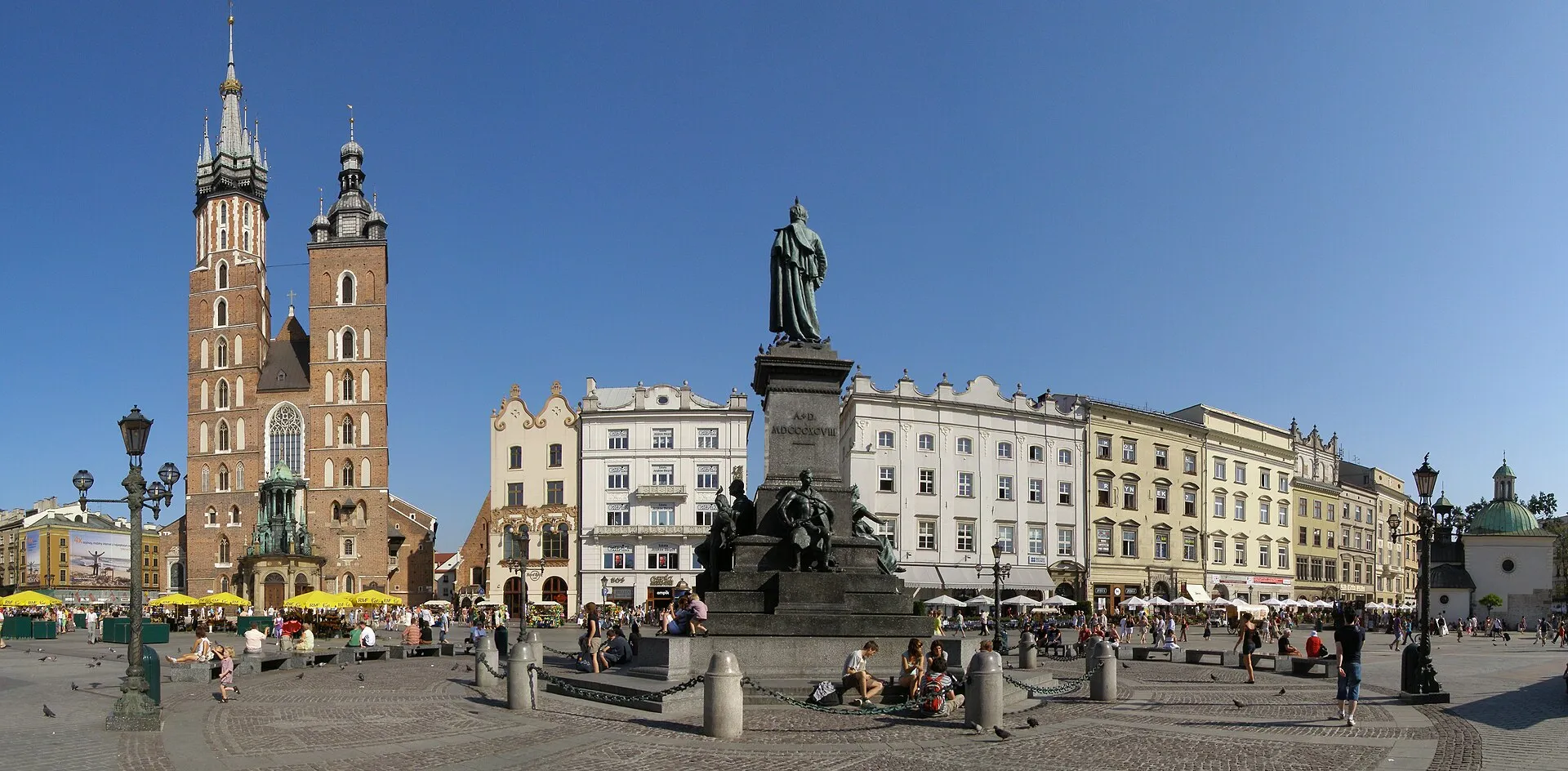
Krakow is one of the most affordable cities in the European Union for remote workers. Rent for a one-bedroom apartment in the Old Town or Kazimierz typically runs $800-1,120 per month. Step outside the center to areas like Podgorze or Krowodrza and you can find comparable apartments for $535-750. Groceries from local supermarkets like Biedronka or Lidl cost around $160-240 monthly if you cook at home. Eating out at a casual restaurant averages $9.50-15 per meal; a beer at a bar is $3-5. A hot-desk coworking day pass costs $16-27, with monthly memberships from $105-215. Public transport is excellent and cheap: a single ticket is $1-1.50, and a monthly pass runs $29-40.
A comfortable but frugal nomad budget lands around $1,200-1,470 per month all-in. A mid-range lifestyle with occasional dining out, coworking access, and social activities runs $1,600-2,000. Many landlords will only sign a najem okazjonalny, a fixed-term lease under which the tenant signs a notarised consent to eviction and names another address to move to, so have that second address arranged before viewing flats. Once you file Polish income tax with a Kraków address you also qualify for the Karta Krakowska, the resident card that cuts the price of the monthly transit pass.
Where to Work
Krakow has a well-developed coworking scene anchored in Kazimierz. Yolk Workspace and Community (Jozefa Sarego 5, Kazimierz) is the most popular dedicated coworking space in the city, consistently rated the best by nomads. It offers private floors, a cafe area, a courtyard, and regular community events. Chilliflex runs several city-center locations with 24/7 access on monthly plans around $135.
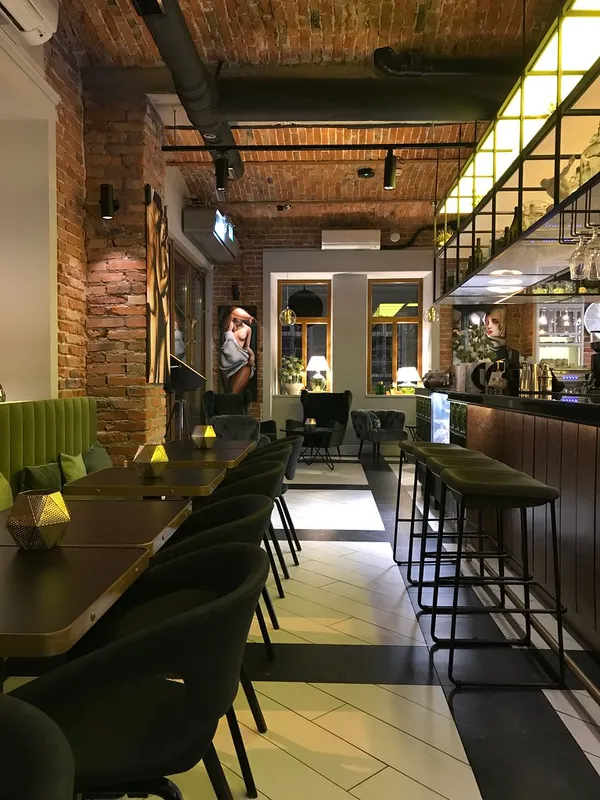
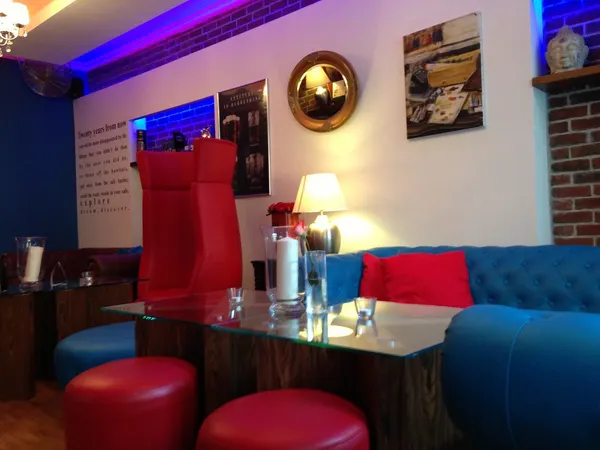
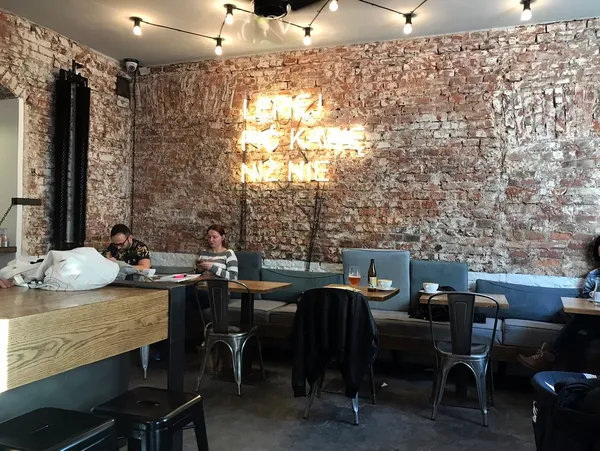
Cafe-working is very much part of the culture here. Wesoła Cafe (Rakowicka 17, near the university district) is the most reliable laptop-friendly cafe in the city: strong WiFi, good coffee, and tolerant staff. Tektura (Krupnicza 7, Old Town edge) is another strong option with multiple seating zones and plenty of power outlets. Cytat Cafe in Kazimierz draws a quieter crowd and works well for focused mornings.
WiFi quality across the city is genuinely good, and even most small cafes deliver reliable connections. Fiber home internet typically costs $13-21 per month. You will rarely struggle to find a workable connection.
Getting Around
Krakow is compact and highly walkable in the center. The Old Town, Kazimierz, and Podgorze are all within comfortable walking or cycling distance of each other. The tram and bus network covers the whole city reliably; trams run frequently through the main corridors until around midnight, with night buses continuing after that. A single journey ticket is around $1-1.50; validate it in the yellow machine when you board.
Getting to and from John Paul II International Airport (KRK) is straightforward. The train (SKA1 line) runs from the airport to Krakow Main Station (Glowny) in about 17 minutes and costs $5.50. Bus lines 208, 209, and the night bus 902 also connect the airport to the center in roughly 45 minutes for just $1.50. Taxis and rideshares take around 25 minutes and cost $13-21 depending on traffic and time of day. The main station works less as a building than as an interchange: its underground hall opens straight into the Galeria Krakowska mall on one side and the regional bus station on the other, with an express tram running beneath, so a mountain coach or an airport train is a short walk under cover from wherever the tram drops you.
Sorting transport? Book an airport transfer, or compare car rental on Auto Europe and QEEQ.
Visas and Staying Long-Term
Poland is a Schengen Area member. Visitors carrying US, Canadian, British, Australian and many other passports may spend three months of any rolling 180-day window in the Schengen Zone without a visa, and for EU and EEA nationals there is no cap at all. This is not 90 days in Poland specifically: it counts days across all Schengen countries.
Poland does not currently offer a dedicated digital nomad visa. Remote workers who want to stay longer than 90 days have a few imperfect options. Poland offers a freelance Type D national visa valid for up to a year, but it requires registering a business in Poland and paying local taxes. An employer-sponsored work permit is another route for those with Polish companies willing to sponsor. Extensions within Poland take 6-8 months to process in Krakow, so plan well ahead if you need one. Balice's direct flights to London and other British cities are the quickest way out of the zone, and because the Entry/Exit System has logged both crossings since April 2026, a fortnight in Britain drops out of the Schengen count to the exact day rather than by a guard's reading of smudged stamps.
Best Time to Visit
The best window for remote work in Krakow is May through June and September through October. Temperatures are comfortable (15-22 degrees C), daylight is plentiful, tourist crowds are lighter than peak summer, and accommodation rates are 20-30% lower than July and August. The city feels energetic but not overrun.
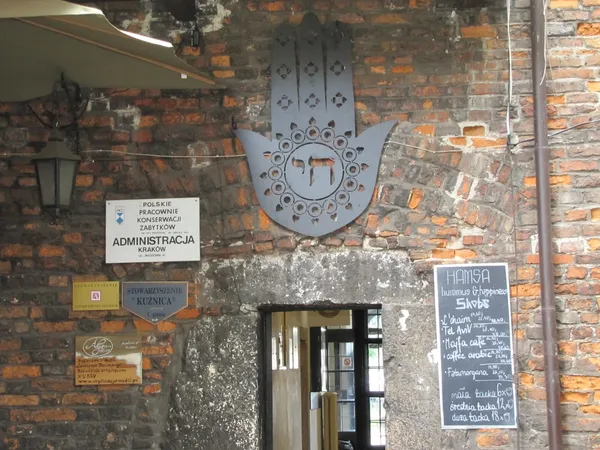
July and August are warm and lively (19-26 degrees C) but the Old Town gets very crowded with tourists, prices peak, and some coworking spaces feel busier. Winter (December through February) is cold (often below freezing), and Krakow sits in a basin that traps air pollution during heating season. While Christmas markets in December are atmospheric, air quality in January and February can be genuinely poor, which is a real consideration for daily life. Spring (March through April) is a bargain but can be grey and wet. Late June or early July brings the Jewish Culture Festival, nine days of concerts, lectures and synagogue tours that has run in Kazimierz since 1988 and closes with an open-air klezmer concert on Szeroka Street, so anyone renting in that district should book the dates early or plan to enjoy the noise.
Pros and Cons
- Very affordable by EU standards: a comfortable life on $1,200-1,800 per month is realistic
- Excellent internet infrastructure throughout the city
- Walkable, compact city with a rich cultural scene, great food, and active nightlife
- Strong and growing digital nomad community, especially in Kazimierz
- High personal safety with a low crime index and a welcoming attitude toward foreigners
- Great transport links to the rest of Europe by budget airline and train
- Air quality is a serious issue in winter: smog from coal heating puts Krakow among Europe's most polluted cities from November through March
- No dedicated digital nomad visa: the 90-day Schengen limit applies and long-stay options are complicated
- Seasonal tourist pressure: the Old Town can feel overrun in peak summer
- Language barrier: Polish is genuinely difficult and not everyone speaks English outside central areas
- Cold, grey winters may dampen productivity and mood for those sensitive to weather
Who Krakow Is Best For
Krakow suits nomads who want a high-quality European city life at a fraction of Western European prices. It is especially strong for people who value history, architecture, food culture, and an active social and nightlife scene. If you are earning in euros, pounds, or dollars, your money goes a long way here. The nomad community in Kazimierz is real and growing, which means finding co-workers or friends is achievable. It also works well as a base for exploring Central Europe, with easy connections to Vienna, Prague, Budapest, and Warsaw.
Skip Krakow if winter air quality is a dealbreaker for you: November through March smog is not a minor inconvenience but a genuine health concern, particularly for anyone with respiratory issues. Also skip it if you need long-term visa certainty, as Poland offers no straightforward path for independent remote workers beyond 90 days. Those seeking beach weather, year-round sunshine, or a fully English-speaking environment will also be better served elsewhere.