Cost of Living in Cali
Real market data
Source: Numbeo · August 2026
$1,090/moSolo nomad1-bed centre + living costs
$1,450/moCoupleshared 1-bed + costs
$740/moLean / localcheaper area + costs
- 1-bed rent, city centre$640COL$2,056,250
- 1-bed rent, outside centre$290COL$936,000
- Monthly costs excl. rent (1 person)$450COL$1,445,366
- Meal, inexpensive restaurant$6COL$18,000
- Monthly transit pass$30COL$96,000
Prices are from Numbeo (August 2026), converted to USD at $1 = COL$3203.03 (01 Aug 2026). The monthly living-costs figure is our transparent one-person basket, groceries, a few meals out, utilities, phone, internet, transport and essentials, priced from those figures. Solo adds central rent; couple and lean are estimates from the same numbers. The guide below quotes its own monthly range, which is a different measurement rather than a competing one: this table prices a defined basket at the figures above, while that range is a judgement about how somebody actually lives here.
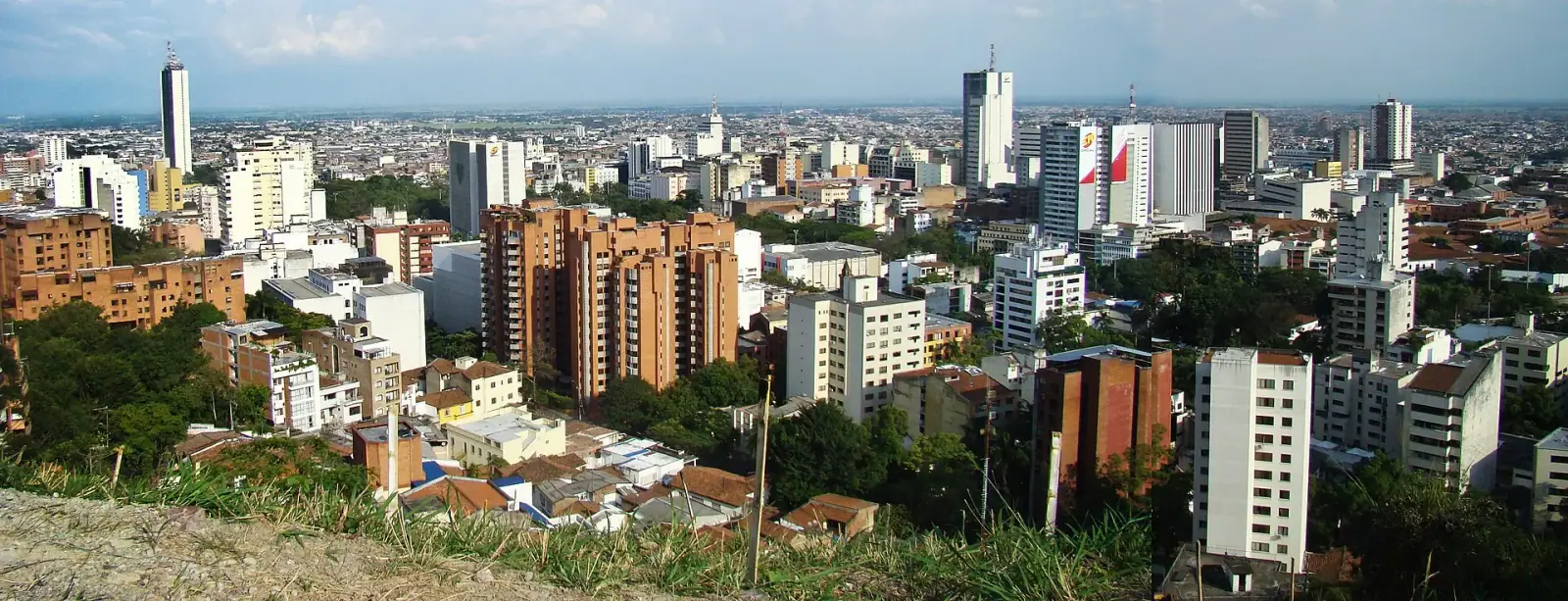
Cali is the most affordable major city in Colombia for remote workers. The exchange rate hovers around 3,800-4,000 COP per USD, so your dollar stretches noticeably further here than in Medellin or Bogota.
- Rent, furnished 1-bed in Granada or El Penon: $470-845/month
- Rent, furnished 1-bed in cheaper areas (Miraflores, San Fernando): $280-470/month
- Groceries (cooking at home): $125-185/month
- Eating out, menu del dia lunch: $3.50-6 ($3-5 per meal)
- Eating out, sit-down dinner for two: $25-47
- Coworking, hot-desk pass: $56-150/month
- Local transport (MIO bus): $0.50 per trip; Uber or InDriver ride in the city: $2.50-8
- Utilities + internet: $62-110/month
Realistic monthly total: $1,090-1,720/month for a comfortable life with coworking, eating out regularly, and the occasional night out. Budget-conscious nomads can come in under $800.
Where to Work
The coworking scene in Cali is smaller than Medellin's but functional. Enfoque Lab in the El Sindicato area is the city's most established dedicated coworking space, offering 1,500 square meters across multiple floors with fiber internet, air conditioning, a cafeteria, and private office options. Monthly hot-desk plans start around $150. Morrison Technologies in San Antonio runs a daily pass for about $16 and stays open until 10 PM, making it useful for evening sessions. Coworking Tequendama near the city center is another established option with reliable connectivity.
Cafe-work culture is real in Cali, particularly in Granada, El Penon, and San Antonio. Spots like Juan Valdes, Tierradentro Cafe in San Antonio, and a handful of independent coffee shops tolerate laptop workers without pressure. WiFi in cafes is hit or miss: many have fiber, but shared bandwidth during lunch hours can drag.
Residential fiber internet in a modern apartment in Granada or Ciudad Jardin costs $20-35/month and is generally reliable. If your apartment has fiber, working from home is often your best option in Cali.
Getting Around
The MIO (Masivo Integrado de Occidente) is Cali's bus rapid transit network and the backbone of public transport. A rechargeable card costs about a dollar and each trip is about $0.50. It covers most parts of the city where nomads tend to live and work, though it can be crowded during rush hour and the routes require some practice to learn.
Uber operates legally in Cali and is the most convenient option at night or when you have luggage. InDriver is also popular and often cheaper. Street taxis exist but agree on a price or insist on the meter before getting in; avoid hailing random taxis late at night.
Walkability is neighborhood-dependent. Granada and El Penon are reasonably walkable for daily errands. Larger parts of the city are not designed for pedestrians, and traffic can be aggressive.
Alfonso Bonilla Aragon International Airport (CLO) sits roughly 17 km northeast of the city center in the municipality of Palmira. An Uber or InDriver ride takes 25-40 minutes and costs $8-14 depending on traffic. A city bus option exists for around $3 but takes 40-50 minutes. Direct flights connect Cali to Bogota, Medellin, and a handful of international destinations including Miami and Panama City.
Sorting transport? Book an airport transfer, or compare car rental on Auto Europe and QEEQ.
Visas and Staying Long-Term
Citizens of the US, Canada, UK, EU countries, Australia, and most of Latin America enter Colombia visa-free and receive a tourist stamp good for up to 90 days. You can extend this once at a Migración Colombia office for an additional 90 days, giving you up to 180 days in a calendar year before you need to exit and restart.
Colombia offers a dedicated digital nomad visa called the Visa Nomadas Digitales (V-ND). It allows a stay of up to two years, requires proof of remote work or freelance income of at least three times Colombia's monthly minimum wage (about $1,640 a month in 2026, rising whenever the wage does), and permits legal remote work for foreign clients or companies. The approval rate has been below 60% in recent years due to discretionary review, so prepare your documentation carefully.
Best Time to Visit
Cali sits at around 1,000 meters elevation and stays warm year-round, with daily highs between 28°C and 32°C (82-90°F). Rain does not follow a single wet season but instead comes in two rainy periods: April through June and October through November. Even during these months, rain usually arrives in the afternoon or evening, leaving mornings clear.
The two driest windows are December through March and July through September. July and August are the sunniest months and work well for remote workers who want reliable outdoor cafe time. December brings the famous Feria de Cali (December 25-30), a massive salsa festival with street parties and concerts that turns the city electric but also drives up accommodation prices and noise.
For pure productivity, January, February, July, and August offer the best combination of dry weather, manageable temperatures, and a functional city rhythm without major festival disruptions.
Pros and Cons
- Affordable: One of the cheapest livable cities in South America for remote workers
- Salsa culture: Nightlife, dance schools, and live music in a way no other city replicates
- Food: Excellent local produce, fresh juice, Pacific Coast seafood, and growing restaurant scene
- Warmth: Locals (Calenos) are known for being open, welcoming, and social
- Climate: Warm but not oppressive, with enough breeze and shade to stay comfortable
- Low competition: Far fewer nomads than Medellin, so you get a more authentic city experience
- Safety requires vigilance: Petty theft and muggings happen; phone-snatching on the street is a real risk in many areas outside the main expat neighborhoods
- Small nomad network: English-speaking co-working community is thin; making remote-work connections takes more effort than in Medellin or Bogota
- Heat: The city can feel oppressive in the midday sun, especially outside air-conditioned spaces
- Limited international flights: Getting to the US or Europe usually requires a connection through Bogota or Panama City
- Tap water is not drinkable: Factor in bottled or filtered water costs
- Traffic and pollution: Rush-hour air quality drops and noise on main roads can be significant
Who Cali Is Best For
Cali suits nomads who want to go deeper into Colombian culture rather than the established expat bubble. If you speak at least basic Spanish, can handle moderate safety precautions, and are drawn to salsa, Pacific Coast cuisine, and a genuinely local city rhythm, Cali will reward you more per dollar than almost anywhere in South America.
It works well for solo workers who are self-sufficient and comfortable researching neighborhoods, setting up their own routines, and building social connections outside the nomad circuit. Couples and slow travelers on a tight budget will find the value exceptional.
Skip Cali if you rely on a large English-speaking nomad community, need a dense coworking network, or are not comfortable with an elevated baseline level of street awareness. Travelers who want a curated nomad experience with meetups and English-first coworking are better served by Medellin.