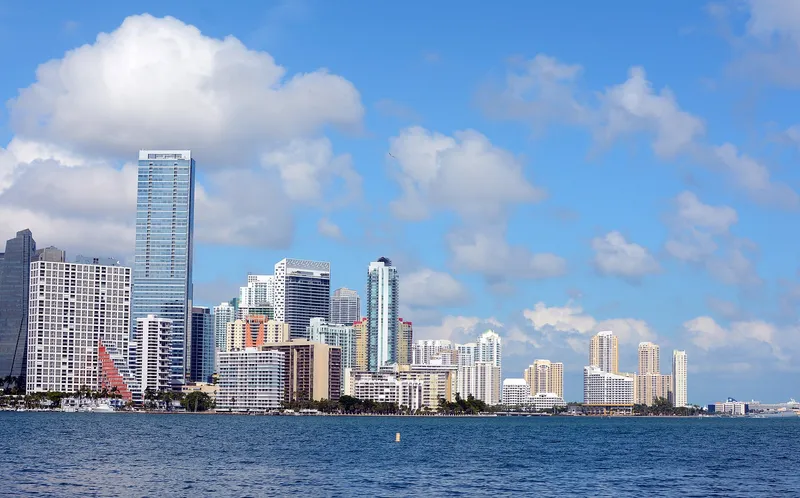
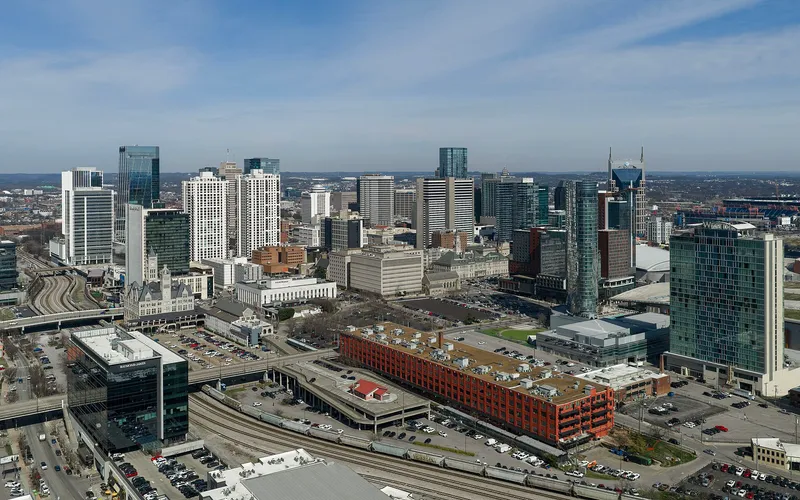
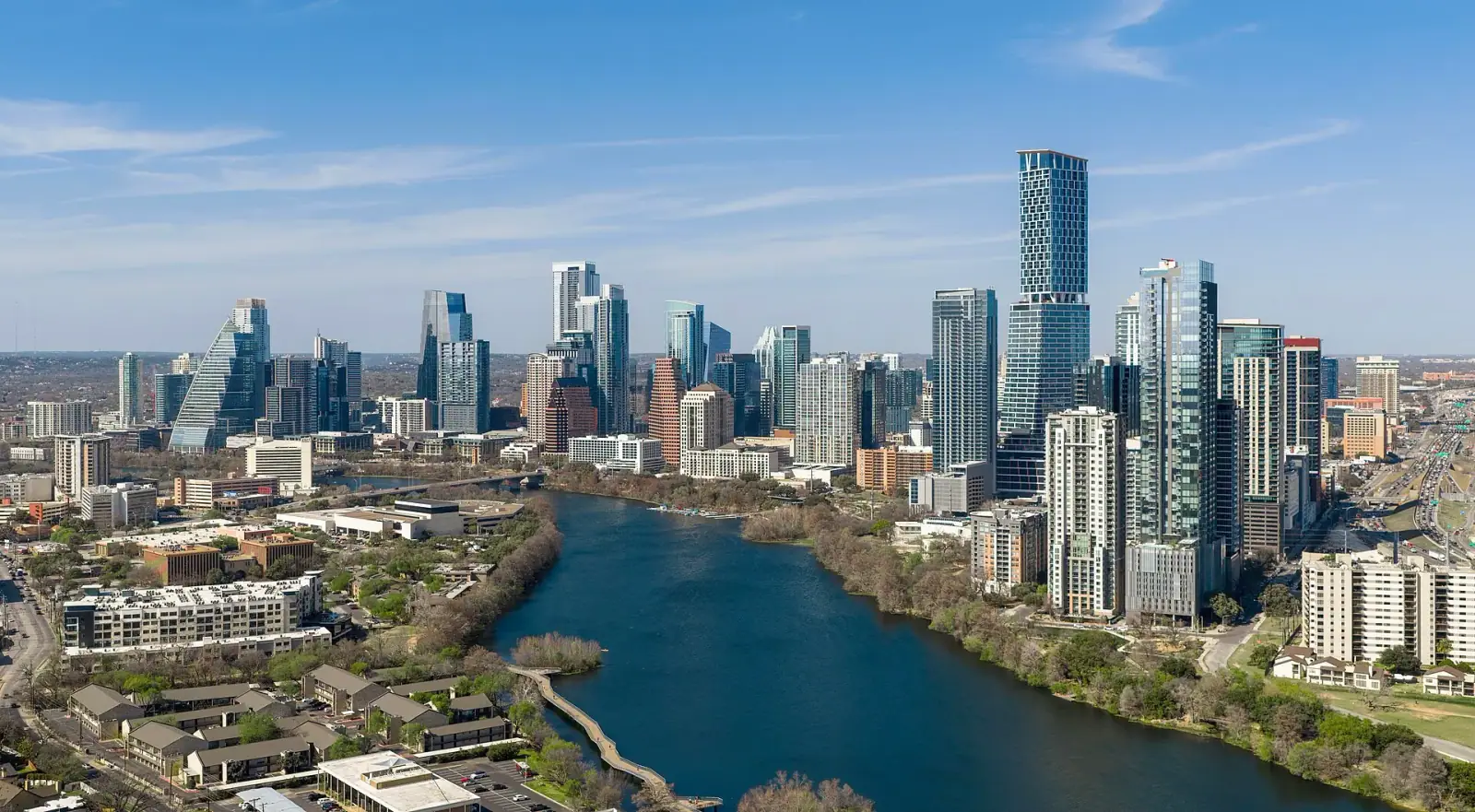
Aerial daytime view of Austin, Texas skyline with Lady Bird Lake in the foreground
Photo: Quintin Soloviev / Wikimedia Commons (CC BY 4.0)
USA flag

Austin

USA

Keep it weird, live music, BBQ, and a booming tech scene.

$4.000
Monthly Budget
--
Current Weather
Humid Subtropical
Climate Type
90 Mbps
Avg. WiFi Speed
6/10
Safety Score
5,000+
Active Nomads
--
Time Difference
Scroll
0
Nomad Score

Austin for Digital Nomads: The Honest Take

Keep it weird, live music, BBQ, and a booming tech scene. For remote workers, Austin leans on English and fast WiFi, with a typical budget near $4,000 a month. The main trade-off is cost.

Compare Austin vs San Miguel de Allende →

Category Breakdown

How Austin scores across all 13 factors

Weather in Austin

Monthly averages from 2019-2023 (Open-Meteo), and the best time to visit

17°
Jan
17°
Feb
23°
12°
Mar
26°
15°
Apr
30°
20°
May
34°
23°
Jun
35°
25°
Jul
36°
26°
Aug
33°
23°
Sep
28°
17°
Oct
21°
11°
Nov
19°
Dec
Daily high & low (°C)Rainfall (mm/month)Best months to visit

The best time to visit Austin for comfortable weather is Jul, Sep, Oct. The warmest month is Aug (around 36°C by day), and the wettest is May (about 209mm of rain).

Chasing good weather? See other cities that are warm in Jul, or plan a multi-city route around the seasons. Staying a while in Austin? Check visa options, your time-zone overlap and how far your budget stretches, or find it on the world map.

Historical monthly averages, not a forecast. Source: Open-Meteo.

Best Neighborhoods in Austin

Where to base yourself for the perfect nomad experience

Downtown / 6th Street

$$$
Music & Tech

Live music capital with Texas hospitality

Downtown Austin is where the 'Live Music Capital' earns its name - 6th Street's bars and venues come alive nightly. Tech companies have moved in, mixing startup energy with Texas hospitality. Walkable, vibrant, and expensive.

Best for: Music lovers, tech workers, and nomads seeking Austin's most energetic neighborhood
✓ Pros
  • Live music everywhere
  • Walkable
  • Tech scene
  • Great food
✗ Cons
  • Very expensive
  • Noisy weekends
  • Tourist crowds

East Austin

$$
Creative & Emerging

Austin's creative frontier with BBQ and breweries

East Austin is where Austin's creative class has migrated. Former industrial spaces now house breweries, BBQ joints, art galleries, and tech startups. It's rapidly gentrifying but still maintains authentic Austin weirdness.

Best for: Creatives, foodies, and nomads seeking Austin's most dynamic neighborhood
✓ Pros
  • Best food scene
  • Creative energy
  • Craft breweries
  • Lower rents
✗ Cons
  • Gentrifying fast
  • Need a car
  • Hot summers

South Congress (SoCo)

$$$
Quirky & Tourist-Friendly

Vintage Austin with boutiques and food trucks

South Congress is vintage Austin - quirky boutiques, food trucks, and the famous 'I Love You So Much' mural. It's tourist-friendly but maintains character, with great restaurants and easy access to Zilker Park and Barton Springs.

Best for: Visitors, Instagram lovers, and nomads seeking classic Austin charm
✓ Pros
  • Iconic Austin
  • Great shopping
  • Food trucks
  • Near Zilker
✗ Cons
  • Touristy
  • Expensive
  • Parking nightmare

North Loop / Hyde Park

$$
Local & Laid-back

Old Austin charm with local businesses

North Loop and Hyde Park preserve old Austin's laid-back vibe. Historic bungalows, local coffee shops, and longtime businesses create neighborhood character. Popular with UT academics and longtime Austin residents.

Best for: Long-term nomads, academics, and those seeking authentic neighborhood life
✓ Pros
  • Local character
  • Great cafes
  • Quieter streets
  • Historic charm
✗ Cons
  • Far from downtown
  • Limited nightlife
  • Need a car

Mueller

$$
Planned & Family

Austin's planned sustainable community

Mueller is Austin's new urbanist development on the former airport site. Planned streets, mixed-use development, and the Thinkery children's museum create family-friendly living. Modern and convenient, if lacking Austin's signature weirdness.

Best for: Families, sustainability fans, and nomads wanting modern planned community
✓ Pros
  • Modern planning
  • Family-friendly
  • Good parks
  • Mixed-use
✗ Cons
  • No character
  • Feels artificial
  • Still developing

Cost of Living in Austin

Austin is not cheap, but the rental market cooled through 2024 and 2025, so you can find better value than you might expect. Rents actually dropped a few percent year over year, which is unusual for a US tech hub. Here is a realistic monthly budget in USD for one person.

  • Rent, central one-bedroom: around $2,000-2,800 in and near downtown, where compact units command a heavy premium.
  • Rent, cheaper areas: roughly $1,000-1,500 for a one-bedroom in East Riverside, further east, or north near Anderson Mill, with the citywide average sitting close to $1,450.
  • Groceries: about $300-450, helped by H-E-B, a well-priced local chain that most residents live by.
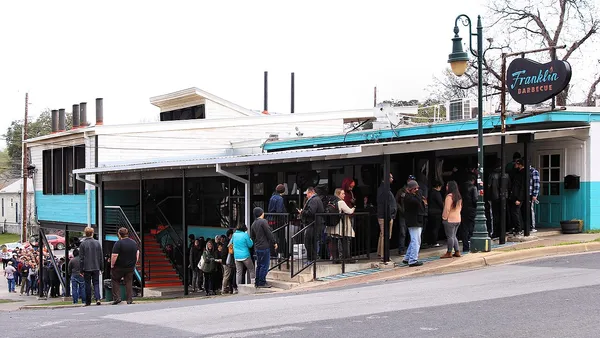
  • Eating out: $250-450, with taco trucks and food trucks around $10-15 a meal and a casual sit-down closer to $18-25.
  • Coworking hot desk: roughly $200-400 for a monthly hot-desk membership, or day passes if you only need occasional desk time.
  • Transport: $150-500, low if you lean on CapMetro and a bike, much higher if you run a car with insurance, gas, and parking.

All in, a single nomad living modestly and sharing or renting outside the core should plan for roughly $2,200-3,500 per month. A central apartment and frequent dining out pushes you well past that. Texas has no state income tax, which matters if you are actually earning locally, though it does not lower your day-to-day nomad costs.

Where to Work

Austin is one of the strongest coworking cities in the US, with a dense startup scene to match. Capital Factory sits in the heart of downtown and is the anchor of the local tech world, packed with founders, mentors, and near-constant events. WeWork runs several locations, including 600 Congress Avenue downtown and 801 Barton Springs Road, useful if you want flexibility or global access on one membership. Beyond the big names there are plenty of independent spaces across East Austin and the north side.

Cafe-work culture is genuinely strong here. Coffee shops in South Congress, East Austin, and around the university are full of laptops on weekdays, and staff generally expect it. WiFi is fast and reliable across cafes, coworking spaces, and apartments, since this is a wired tech town. For calls, book a desk or work from home, as busy cafes get loud.

Getting Around

Be honest with yourself: Austin is a car city. It sprawls, and many neighborhoods and suburbs assume you drive. That said, you can get by without a car if you choose where you live carefully.

CapMetro runs the buses, including MetroRapid bus rapid transit routes that were expanded in 2025 with dedicated lanes and fewer stops. There is a single commuter rail line and a bike-share system, plus Park and Ride lots. Coverage is patchy compared to a big transit city, so check that your route is served before committing to a neighborhood. Walkable pockets do exist: downtown, South Congress, and parts of East Austin let you handle daily errands on foot, and ride-hailing fills the gaps.

For the airport, Austin-Bergstrom International (AUS) sits southeast of downtown and is an easy ride. CapMetro bus routes connect it to the center for a few dollars, and Uber, Lyft, and taxis are quick if you would rather not wait.

Visas and Staying Long-Term

The United States has no dedicated digital-nomad visa. Most visitors from common passport countries enter under the Visa Waiver Program, which allows tourism or business stays of up to 90 days and requires an approved ESTA before you travel. The ESTA is generally valid for two years of trips. You cannot legally work for a US employer or draw a US salary on this status, though remote work for a foreign employer sits in a grey area many nomads accept.

For stays beyond 90 days, the Visa Waiver Program does not extend, so you would need a B-1/B-2 visitor visa obtained from a US embassy or consulate before arrival. US citizens, of course, can stay indefinitely. Rules change, so confirm your eligibility and current requirements with official US government sources (CBP and the State Department) before you book.

Best Time to Visit

Austin summers are long, hot, and humid, with stretches of high heat from roughly June through September that make midday outdoor work unpleasant. Winters are mild and one of the city's real perks, with plenty of comfortable, sunny days.

The sweet spots for remote work are spring and autumn, when the weather is warm without being brutal. Two caveats: the SXSW festival in March and the ACL music festival in October flood the city, spiking hotel and short-term rental prices and packing every cafe. If you want quiet and value, aim for the shoulder weeks around those events. If you want the full Austin energy, come during them and book far ahead.

Pros and Cons

  • Strong tech and startup scene with excellent coworking and easy networking.
  • No state income tax and fast, reliable internet everywhere.
  • Great food, live music, and outdoors, with mild winters as a bonus.
  • Genuine laptop-friendly cafe culture across several neighborhoods.
  • Brutal summer heat and humidity for a third of the year.
  • Rising and already high costs compared to most nomad destinations abroad.
  • Heavy car reliance and sprawl, with limited transit outside the core.
  • Only 90 days for most foreign nomads, with no easy long-stay path.

Who Austin Is Best For

Austin suits nomads who want to plug into a serious US tech and startup ecosystem, who value coworking and in-person networking, and who like a lively food and music scene. It works well if you can absorb US-level costs, are comfortable navigating a car-oriented city, and plan to base yourself in a walkable central pocket. The mild winters make it a good cool-season escape.

Skip Austin if you are chasing low costs, since your money stretches far further in much of Latin America, Southeast Asia, or Eastern Europe. It is also a weak fit if you refuse to drive or ride-hail, need more than 90 days on a foreign passport, or hate heat, because the summer is unavoidable. For everyone else, Austin is one of the better US cities to work remotely from.

Where to Stay in Austin

Top neighborhoods and accommodations for digital nomads

Sentral East Austin

Aparthotel
East Austin

Fully furnished studios with full kitchens on the lively East 6th Street corridor, ideal for week-to-month stays.

Check availability →

ARRIVE Austin

Boutique hotel
East Austin

Design-forward 83-room hotel on East 6th with a ground-floor coffeeshop and walkable access to Austin's best food and culture.

Check availability →

Hotel Van Zandt

Hotel
Rainey Street

Kimpton boutique hotel in the walkable Rainey Street district with free WiFi, a rooftop pool, and on-site coffee at Cafe 605.

Check availability →

The Carpenter Hotel

Boutique hotel
Zilker

Quiet open-air retreat in a pecan grove near Zilker Park with a cafe, pool, and calm vibe suited to longer creative stays.

Check availability →

Firehouse Hostel

Hostel
Downtown

Austin's best-known hostel in the 1885 fire station on Brazos Street, with free WiFi and private or dorm rooms from $29.

Check availability →

Browse apartments, aparthotels and hotels across Austin. Compare prices and book a base that suits a remote-work stay.

See available stays in Austin →

Affiliate link. See our disclosure.

Best Coworking Spaces

Where nomads get work done in Austin

Industrious 3rd and Congress

Premium coworking
Downtown

Hospitality-focused flexible workspace on the 12th floor with skyline views, phone booths, and a stocked cafe.

Visit website →

Radio Coffee and Beer

Laptop-friendly cafe
South Austin

Voted Austin's best coffee shop 10 years running, with ample outdoor seating, fast Wi-Fi, food trucks, and a laid-back patio vibe.

Visit website →

Cosmic Coffee and Beer Garden

Garden cafe
South Austin

Permaculture-inspired coffee and beer garden with spacious indoor and outdoor seating, food trucks, and a relaxed work-friendly atmosphere.

Visit website →

Industrious 9th and Congress

Flexible coworking
Downtown

A second Industrious location on Congress Avenue offering private offices, dedicated desks, and on-demand meeting rooms in central Austin.

Visit website →

Better Half Coffee and Cocktails

Laptop-friendly cafe
West Campus

Bright, photogenic cafe with colorful interiors, an expansive shaded patio, and a welcoming atmosphere for remote work.

View on Maps →

Where to Eat & Drink

Best food and drink spots in Austin

Olamaie

Southern fine dining
Downtown

Michelin one-star Southern restaurant set in a converted house, known for legendary buttermilk biscuits and refined seasonal cooking.

Visit website →

Hestia

Live-fire New American
Warehouse District

Michelin-starred live-fire restaurant anchored by a 20-foot custom hearth, serving wood-smoked Texas produce with a 400-bottle wine list.

Visit website →

Barley Swine

Tasting menu
North Loop

Michelin one-star seasonal tasting menu restaurant on Burnet Road sourcing from local farms with nose-to-tail and hyper-seasonal dishes.

Visit website →

The Roosevelt Room

Craft cocktail bar
Warehouse District

Austin's most awarded cocktail bar in a 1929 railroad warehouse, serving 53 classic cocktails from a sweeping 36-foot bar.

Visit website →

What Do Nomads Say?

Vote on how accurate these scores are based on your experience

Cities with a Similar Vibe to Austin

Different places that score alike across our 13 categories, if you like Austin, these tend to feel similar.

Frequently Asked Questions About Austin

How much does it cost to live in Austin as a digital nomad?

A comfortable nomad budget in Austin is around $4,000 a month: a furnished rental, food, coworking, and getting around. Live a little outside the center or eat local to spend less.

Is the internet fast enough for remote work in Austin?

With a WiFi score of 9/10, connectivity in Austin is excellent for calls and focused work. A prepaid local SIM keeps you online when you are away from the apartment.

Is Austin safe for digital nomads?

Austin scores 6 out of 10 for safety in our ratings, which is workable for solo travel and long stays. Use normal precautions at night and with valuables, and choose well-reviewed areas.

Is Austin a good city for digital nomads overall?

For nomads, Austin is worth a look if you value English and fast WiFi. Costs sit near $4,000 a month and the community keeps growing, though, like anywhere, it will not match every checklist.