Cost of Living in Berlin
Real market data
Source: Numbeo · August 2026
$2,520/moSolo nomad1-bed centre + living costs
$3,330/moCoupleshared 1-bed + costs
$2,130/moLean / localcheaper area + costs
- 1-bed rent, city centre$1,500€1,304
- 1-bed rent, outside centre$1,120€969
- Monthly costs excl. rent (1 person)$1,020€882
- Meal, inexpensive restaurant$17€15
- Monthly transit pass$73€63
- Buy price, per m² (centre)$9,090€7,896
Prices are from Numbeo (August 2026), converted to USD at $1 = €0.87 (01 Aug 2026). The monthly living-costs figure is our transparent one-person basket, groceries, a few meals out, utilities, phone, internet, transport and essentials, priced from those figures. Solo adds central rent; couple and lean are estimates from the same numbers.
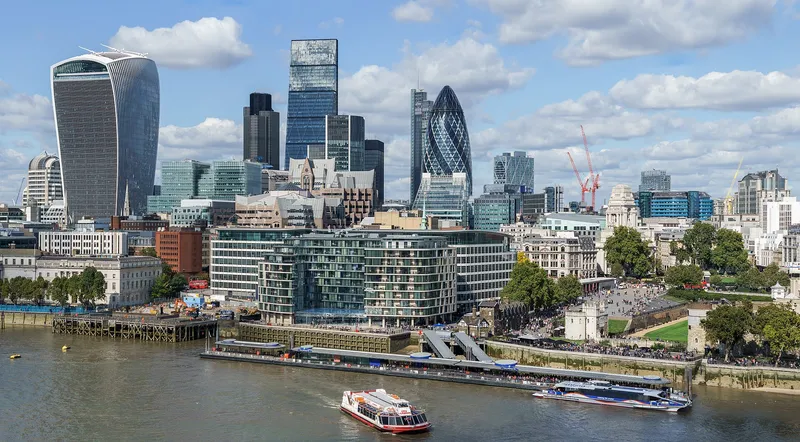
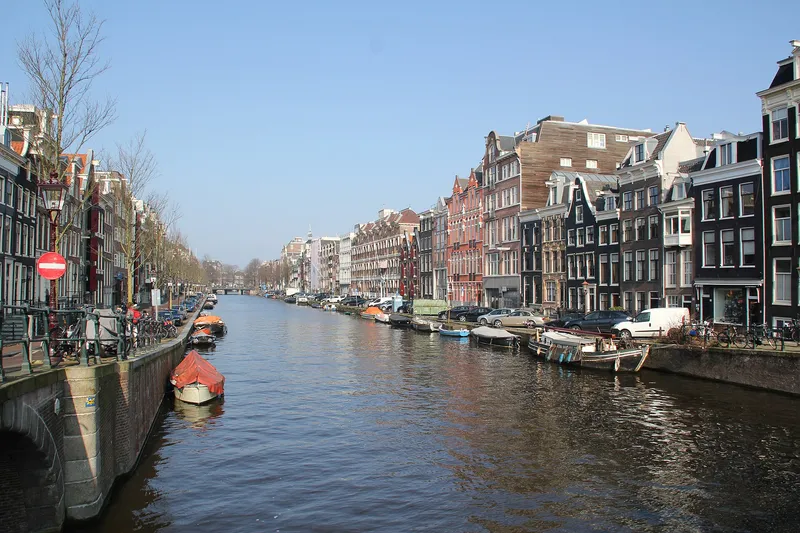
Berlin is no longer the cheap capital it was a decade ago, but it still costs less than London, Paris, or Amsterdam. Your biggest expense, and your biggest headache, is rent. A furnished one-bedroom flat in a central district like Mitte, Kreuzberg, or Prenzlauer Berg runs roughly $1,350 to $1,700 per month. Move out to areas like Wedding, Neukolln's edges, or Lichtenberg and you can find one-bedrooms closer to $970 to $1,200. A room in a shared flat (a WG) typically costs $680 to $1,000, and for many newcomers a WG or a short-term furnished rental is the only realistic entry point.
The rest of daily life is manageable. Here is a rough monthly breakdown for one remote worker:
- Rent (central one-bed): $1,350 to $1,700
- Groceries: $230 to $340, helped by cheap discounters like Aldi, Lidl, and Netto
- Eating out: a Doner or Currywurst runs $5.50 to $9, an inexpensive restaurant meal $11 to $17, and a mid-range dinner $17 to $28 per person
- Coworking hot-desk: around $170 to $280 for a monthly flex membership
- Local transport: $33 for the Berlin AB monthly Abo, or $72 for the nationwide Deutschlandticket
All in, a fairly comfortable single person should budget $2,150 to $2,950 per month, with rent driving most of the swing. Living in a WG and cooking at home can pull that well under $1,800.
Where to Work
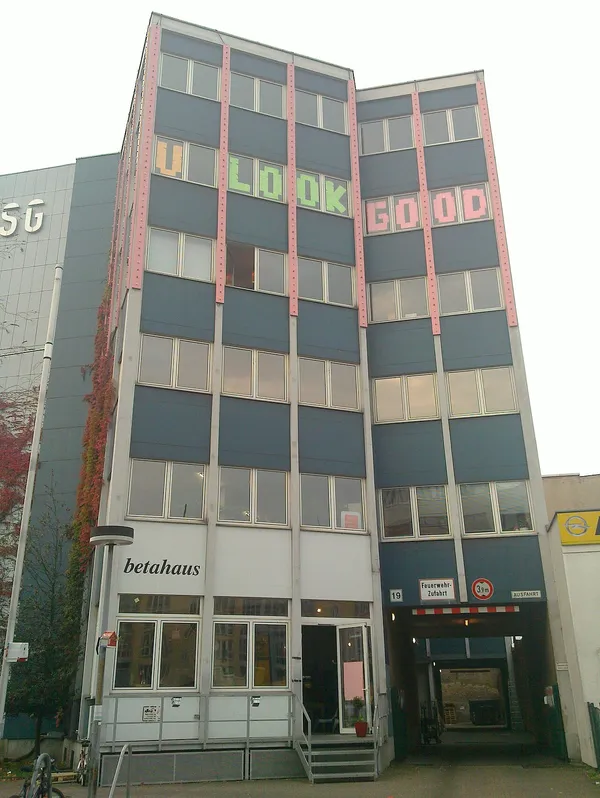
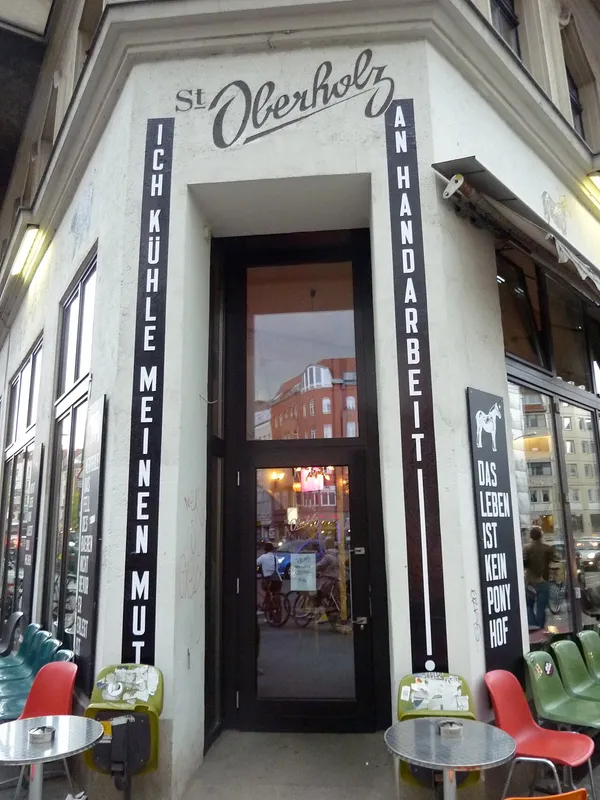
Berlin has one of Europe's deepest coworking scenes. Betahaus in Kreuzberg is the best-known startup hub, while Ahoy Berlin, Mindspace, Spaces, and St. Oberholz (a landmark cafe-office hybrid at Rosenthaler Platz) are all reliable options. Day passes typically cost $17 to $46, with a median around $34, and monthly flex memberships often land near $170 to $280. Fixed desks in a private-ish setup run higher, roughly $340 to $570.
Cafe-work culture is strong but uneven. Third-wave coffee shops in Neukolln, Kreuzberg, and Prenzlauer Berg welcome laptops, though some busy spots discourage all-day camping, especially at lunch. WiFi in cafes is generally decent but not guaranteed, and German home internet, while stable once installed, is famously slow to get set up. If your work depends on connectivity, pay for a coworking membership rather than gambling on cafe WiFi, and keep a mobile data plan as backup.
Getting Around
Berlin's public transport is excellent and the reason many nomads skip a car entirely. The BVG network of U-Bahn, S-Bahn, tram, and bus covers the city thoroughly. A single AB ticket (all of Berlin proper) costs $4.50 in 2026, but almost no resident buys singles: the Berlin AB monthly Abo is $33, and the Deutschlandticket at $72 per month covers regional transit across all of Germany. The city is also flat and very cyclable, with extensive bike lanes, so many locals ride year-round or use rental bikes and e-scooters.
Central Berlin is genuinely walkable neighborhood by neighborhood, even if the city as a whole is sprawling. For the airport, BER sits southeast of the center in fare zone C, so you need an ABC ticket (the single ABC fare is $5.50 in 2026). The Airport Express trains and the S-Bahn connect BER to central stations in roughly 30 to 45 minutes.
Sorting transport? Book an airport transfer, or compare car rental on Auto Europe and QEEQ.
Visas and Staying Long-Term
Citizens of the US, UK, Canada, Australia, and many other countries can enter the Schengen Area visa-free for up to 90 days within any rolling 180-day period. That covers a short stay, but it is not a work-around for living here: the 180-day window rolls forward daily and leaving briefly does not reset it.
To stay longer, the common route is Germany's freelance residence permit, the Freiberufler visa, for self-employed professionals such as writers, designers, developers, and consultants. You will need proof of qualifications, client letters or contracts, health insurance that meets German standards (travel insurance is not accepted), and evidence you can support yourself. In Berlin, officials broadly expect your income to cover your rent, your health insurance, and a living-cost buffer on top. The permit can be issued for up to three years and is renewable.
Everything hinges on the Anmeldung, your official address registration at a Burgeramt, which you complete after signing a lease. In Berlin's tight rental market, getting a landlord willing to provide the paperwork (the Wohnungsgeberbestatigung) is often the hardest step, and Burgeramt appointments can be scarce. Note that Berlin's immigration office has been moving freelance applications to an online portal, so processes change often.
Best Time to Visit
Berlin's weather is a real factor for remote work. Winters (November to February) are grey, cold, and dark, with very short daylight hours that many newcomers find genuinely tough. Spring and autumn are mild and pleasant. Summer (June to August) is when the city comes alive: long evenings, packed beer gardens, lakes for swimming, and near-endless daylight.
For a focused work stint with good energy and easy socializing, late May through September is the sweet spot. If you are trying to lock in housing, though, arriving in the quieter, colder months can mean slightly less competition for flats. Just be honest with yourself about how you handle grey winters.
Pros and Cons
The honest trade-offs:
- Pros: a huge, welcoming international community
- Excellent, affordable public transport and easy cycling
- Deep coworking and startup scene with lots of English spoken
- Rich culture, nightlife, food, and green space for the price
- Cheaper than most Western European capitals
- Cons: a brutally tight, competitive rental market where flats are hard to secure
- Slow, notoriously frustrating bureaucracy (Anmeldung, appointments, paperwork)
- Long, dark, grey winters that wear on many people
- German internet can be slow to install and service can lag
- Some services and offices expect German, not English
Who Berlin Is Best For
Berlin suits remote workers who want a real city rather than a nomad bubble: freelancers and founders who value community, culture, and nightlife, and who can tolerate paperwork and a housing scramble in exchange for a genuinely liveable European base. It rewards people who plan to stay a while and put down light roots.
Skip Berlin if you need warm weather and constant sunshine, want to arrive and instantly find an apartment with zero friction, or expect everything to run in English on a schedule. If bureaucracy and grey skies drain you, a sunnier, lower-hassle base will serve you better.