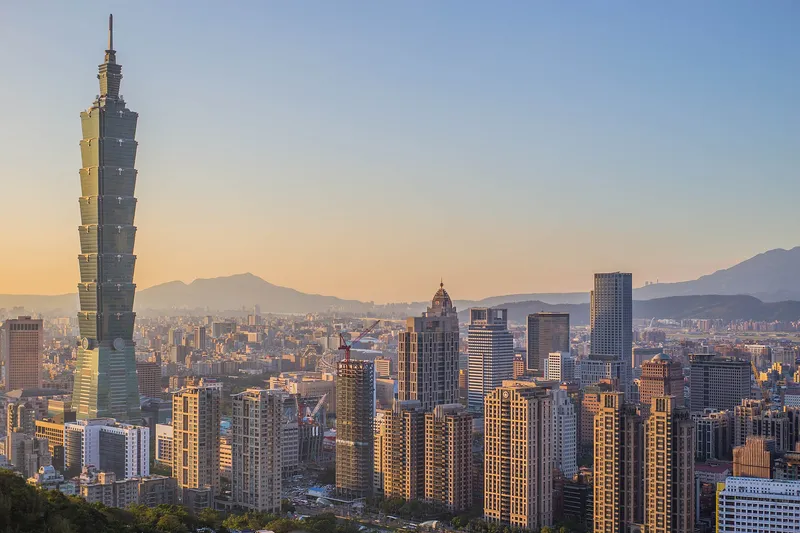
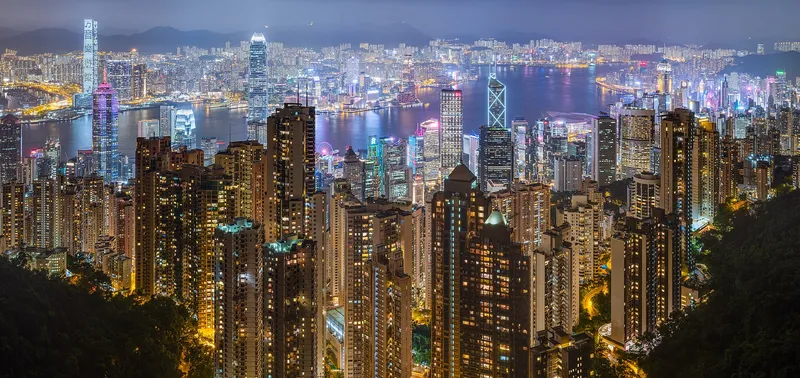
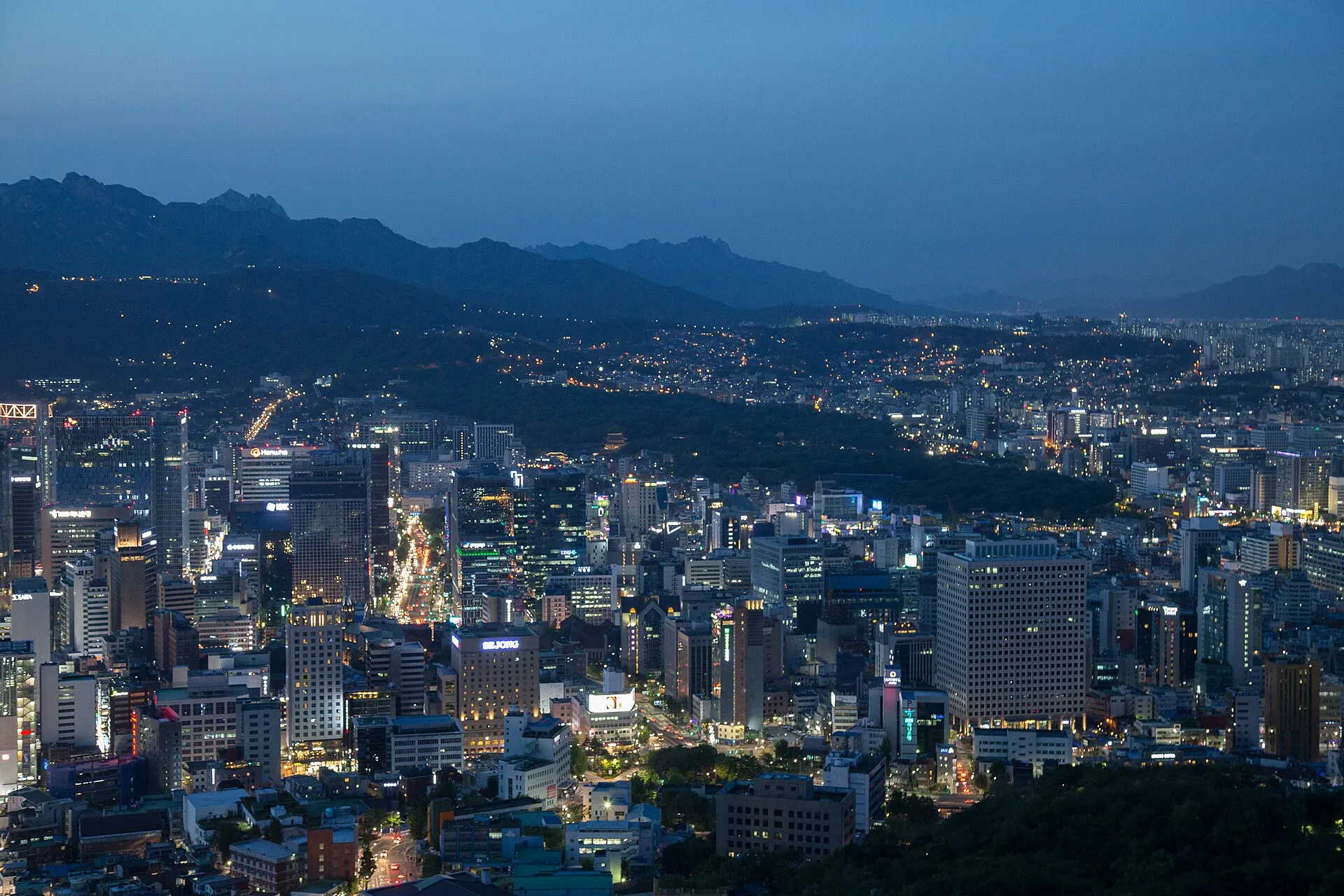
Seoul skyline at dusk with Bukhansan mountains in the background
Photo: Laurie Nevay / Wikimedia Commons (CC BY-SA 2.0)
South Korea flag

Seoul

South Korea

K-pop, kimchi, and lightning-fast internet in Asia's tech capital.

₩3.000
Monthly Budget
--
Current Weather
Continental
Climate Type
100 Mbps
Avg. WiFi Speed
9/10
Safety Score
2,000+
Active Nomads
--
Time Difference
Scroll
0
Nomad Score

What Seoul Offers Digital Nomads

K-pop, kimchi, and lightning-fast internet in Asia's tech capital. For remote workers, Seoul leans on fast WiFi and nightlife, with a typical budget near $3,000 a month. The main trade-off is air quality.

Compare Seoul vs Daegu →

Category Breakdown

How Seoul scores across all 13 factors

Weather in Seoul

Monthly averages from 2019-2023 (Open-Meteo), and the best time to visit

-7°
Jan
-5°
Feb
12°
Mar
17°
Apr
23°
12°
May
26°
18°
Jun
29°
22°
Jul
29°
22°
Aug
25°
17°
Sep
18°
Oct
11°
Nov
-6°
Dec
Daily high & low (°C)Rainfall (mm/month)Best months to visit

The best time to visit Seoul for comfortable weather is Jun, Jul, Aug. The warmest month is Jul (around 29°C by day), and the wettest is Aug (about 352mm of rain).

Chasing good weather? See other cities that are warm in Jun, or plan a multi-city route around the seasons. Staying a while in Seoul? Check visa options, your time-zone overlap and how far your budget stretches, or find it on the world map.

Historical monthly averages, not a forecast. Source: Open-Meteo.

Things to do in Seoul: it is one of our top nomad spots for shopping. See more things to do off the clock.

Best Neighborhoods in Seoul

Where to base yourself for the perfect nomad experience

Itaewon

$$$
International & Vibrant

Seoul's international hub where English flows freely

Itaewon is Seoul's undisputed expat capital. International restaurants, English-speaking services, and a vibrant multicultural atmosphere make it the easiest landing spot in Korea. The nightlife is active and the community is established, though it comes at a premium.

Best for: Expats, digital nomads, English speakers, and those new to Korea
✓ Pros
  • English everywhere
  • International food
  • Active nightlife
  • Expat community
✗ Cons
  • Expensive
  • Very busy
  • Less authentic Korean

Hongdae

$$
Young & Creative

Seoul's creative heartbeat with unbeatable energy

Named after Hongik University, Hongdae is Seoul's creative and youthful heart. Street performances, indie music venues, and affordable restaurants create constant buzz. More affordable than Gangnam, it's where young professionals, students, and creatives thrive.

Best for: Young professionals, creatives, students, and those who want Seoul's energy on a budget
✓ Pros
  • Vibrant nightlife
  • Creative scene
  • Affordable
  • Young energy
✗ Cons
  • Very crowded
  • Noisy weekends
  • Not for families

Gangnam

$$$
Upscale & Professional

Seoul's luxury district where business meets status

Yes, that Gangnam. Seoul's business and luxury district delivers glass skyscrapers, department stores, and high-end everything. Perfect for professionals in finance, tech, and startups - you're close to global companies, coworking spaces, and corporate headquarters.

Best for: Business professionals, corporate remote workers, and those who need premium amenities
✓ Pros
  • Modern infrastructure
  • Professional networking
  • Luxury amenities
  • Clean and safe
✗ Cons
  • Most expensive
  • Can feel corporate
  • Less character

Yeonnam-dong

$$
Trendy & Laid-back

Seoul's trendiest up-and-comer for creative nomads

Yeonnam-dong has become one of Seoul's trendiest neighborhoods for younger expats, artists, and digital nomads. Near Hongdae but quieter, it offers artistic energy, cafes, coworking spaces, and boutique guesthouses in a more laid-back setting.

Best for: Artists, digital nomads, and those seeking Hongdae proximity without the chaos
✓ Pros
  • Trendy cafes
  • Artistic vibe
  • Quieter than Hongdae
  • Great for work
✗ Cons
  • Small area
  • Getting popular
  • Limited late-night

Mapo

$
Balanced & Local

The best balance of cost, convenience, and local charm

Mapo District offers one of Seoul's best balances - close to Hongdae but much calmer, with access to Seoul's energy without the chaos. It's where digital nomads and cultural explorers find their sweet spot between authenticity and convenience.

Best for: Long-term nomads, cultural explorers, and those seeking value with access
✓ Pros
  • Great value
  • Local charm
  • Good transport
  • Near Hongdae
✗ Cons
  • Less exciting
  • Fewer foreigners
  • Basic amenities

Cost of Living in Seoul

Seoul sits in the mid-range for Asian digital nomad cities. You can live comfortably or cheaply depending on how central you want to be and how often you eat out.

  • Rent (central areas like Gangnam, Hongdae, Mapo): 900,000-1,400,000 KRW/month ($660-1,020 USD) for a studio or officetel
  • Rent (cheaper areas like Nowon, Dobong, outer Gwanak): 550,000-800,000 KRW/month ($400-580 USD)
  • Groceries: 300,000-500,000 KRW/month ($220-370 USD) if you cook regularly
  • Eating out: Local restaurant meals run 8,000-14,000 KRW ($6-10 USD); casual Korean BBQ or a sit-down dinner for two lands around 40,000-60,000 KRW ($29-44 USD)
  • Coworking hot-desk: 150,000-350,000 KRW/month ($110-255 USD) at operators like FastFive or WeWork; study cafes charge about 2,000-3,000 KRW per hour
  • Local transport: 65,000-80,000 KRW/month ($47-58 USD) on the T-money card covering subway and buses
  • Total realistic range: 1,800,000-3,200,000 KRW/month ($1,300-2,350 USD) depending on rent choice and lifestyle

A frugal nomad renting outside the centre, cooking at home, and working from study cafes can get close to $1,300/month. A central officetel plus daily restaurant meals pushes past $2,000.

Where to Work

Seoul has no shortage of options for remote work, from proper coworking spaces to the country's famous study-cafe culture.

Coworking Spaces

FastFive is Seoul's dominant local chain with over 50 locations across Gangnam, Yeouido, and Euljiro. Day passes cost around 15,000-20,000 KRW ($11-15 USD). WeWork has several Seoul locations including Hongdae and Gangnam Station, with monthly hot-desks from around 263,000 KRW ($190 USD). Hive Arena near the Han River combines coliving and coworking with a highly-rated community feel. Google for Startups Campus in Gangnam (near Samseong Station) is free with online registration and open weekdays 9am-5pm.

Cafe Work Culture

Seoul has a deeply embedded cafe-work culture. Study cafes (스터디카페) are a uniquely Korean concept: pay-by-the-hour private-desk spaces open 24/7, with free coffee, power outlets at every seat, and library-quiet rules. They cost around 1,500-2,500 KRW per hour. Standard cafes like Anthracite Coffee (Hapjeong branch, in a converted shoe factory) and Ediya Coffee Lab are genuinely remote-work-friendly with strong WiFi and no pressure on seat time.

WiFi

South Korea has some of the fastest internet in the world. Residential and coworking speeds commonly exceed 200 Mbps. Cafe WiFi is reliably fast. Public WiFi is available across the subway network. Connectivity is rarely a concern in Seoul.

Getting Around

Seoul's public transport is a genuine strength. The subway covers the entire city with 9 major lines, runs from around 5:30am to midnight, and costs 1,400-1,600 KRW ($1.00-1.15 USD) per ride on a T-money card. Buses fill the gaps. Kakao Taxi works like Uber and is widely used, with English support in the app. The city is walkable in most nomad-popular districts, particularly Hongdae, Seongsu, and Itaewon.

Getting to/from Incheon International Airport (ICN): the AREX express train takes 43 minutes from Terminal 1 to Seoul Station and costs 9,500 KRW ($7 USD). The slower all-stop AREX train costs about 5,350 KRW ($4 USD) and stops at Hongdae station, which is convenient if you are staying in that area. Taxis cost 85,000-110,000 KRW ($62-80 USD) depending on traffic.

Visas and Staying Long-Term

Most Western passport holders (US, EU, UK, Canada, Australia) enter South Korea visa-free for 90 days. Some nationalities require a Korea Electronic Travel Authorization (K-ETA), which is a simple online registration completed before arrival.

South Korea officially launched the F-1-D "Workation" visa (digital nomad visa) in 2025. It allows remote workers employed by foreign companies to live in Korea for up to three years. Income requirements were relaxed in 2025: applicants aged 18-34 staying outside the Seoul metro area need only meet the previous year's GNI per capita (approximately $36,963 in 2025). You must apply at a Korean embassy in your home country and show medical insurance covering at least 100 million KRW. Dependents (spouse, children under 18) can accompany you. You cannot work for a Korean employer or engage in local profit-making activity on this visa.

Always confirm current entry and visa requirements with your country's Korean embassy or the official Hi Korea immigration portal before travel.

Best Time to Visit

Spring (April to early June) and autumn (September to November) are the best windows for remote workers. Temperatures are mild at 10-22 degrees Celsius (50-72 F), humidity is low, and the city is at its most liveable. Spring brings cherry blossoms in April; autumn brings vivid foliage from late October. Both seasons offer stable weather that makes commuting on foot or by bike pleasant.

Avoid late June through August if possible. The summer monsoon (late June to late July) brings heavy, humid rain, and August temperatures regularly hit 35 degrees Celsius (95 F). Air quality is generally better in summer than spring, but the heat and humidity hurt productivity for anyone not in a well air-conditioned space.

Winter (December to February) is cold and dry, with temperatures dropping to -5 to 5 degrees Celsius (23-41 F). It is the cheapest time to visit and the city remains fully functional, but outdoor life is limited. Spring suffers from yellow dust from Mongolia and northern China, which can push air quality into the poor range for days at a time.

Pros and Cons

  • World-class internet: among the fastest residential and public WiFi speeds globally
  • Excellent and affordable public transport: the subway gets you almost anywhere for under $1.50
  • Incredible food scene at every price point, from street tteokbokki to Michelin-starred tasting menus
  • Very safe: low violent crime, safe to walk alone at night in almost every district
  • Rich culture: palaces, markets, hiking trails inside the city, and a world-leading creative and music scene
  • Visa flexibility: 90 days visa-free for most Western passports, plus a new dedicated nomad visa
  • Air quality: yellow dust in spring and particulate pollution can be genuinely bad, particularly March to May
  • Language barrier: English is not widely spoken outside tourist districts and younger demographics
  • Competitive and high-pressure social culture: the fast pace can feel exhausting if you want a slow lifestyle
  • Nightlife noise: some popular nomad districts like Hongdae are genuinely loud until 4-5am
  • Digital nomad community is smaller than Southeast Asian hubs; meetups exist but are not as dense as Bali or Chiang Mai
  • Summer heat and humidity from July to August make outdoor life uncomfortable

Who Seoul Is Best For

Seoul works best for nomads who want a high-functioning megacity with world-class infrastructure, exceptional food, and genuine urban stimulation. You will thrive here if you enjoy mixing work with culture, appreciate excellent coffee shops, want safe late-night streets, or are drawn to Northeast Asian aesthetics and creative culture. It suits people on a medium budget who are willing to balance spending: eat local, use public transport, and you can live well for under $1,800/month in a good location.

Seoul is a harder fit if you need a warm community of fellow nomads around you from day one, if you rely on strong English everywhere, or if you want slow-paced beach-town energy. It can feel isolating without some Korean language ability beyond the tourist basics, and the city's ambition and pace are not for everyone. If air quality is a health concern for you, check the AQI before committing to a spring visit.
Where to Stay in Seoul

Top neighborhoods and accommodations for digital nomads

Oakwood Premier Coex Center Seoul

Serviced apartments
Gangnam

Spacious furnished suites with full kitchens and dedicated desks, connected directly to COEX Mall and two subway lines.

Check availability →

Fraser Place Namdaemun Seoul

Serviced apartments
Namdaemun

247 fully furnished residences near Seoul Station with business centre, fast Wi-Fi, and flexible long-stay rates in a central location.

Check availability →

Hotel28 Myeongdong

Boutique hotel
Myeongdong

Cinema-themed Small Luxury Hotels member with a rooftop garden, library, and fitness centre steps from Line 4 subway in a walkable shopping hub.

Check availability →

Mangrove Dongdaemun

Aparthotel
Dongdaemun

Community coliving tower with 24-hour coworking, rooftop terrace, and free laundry, three minutes walk from History Park subway station.

Check availability →

Zzzip Guesthouse in Hongdae

Guesthouse
Hongdae

Top-rated indie guesthouse with cosy lounge and fast Wi-Fi in the heart of Hongdae, four minutes walk from Hapjeong subway station.

Check availability →

Browse apartments, aparthotels and hotels across Seoul. Compare prices and book a base that suits a remote-work stay.

See available stays in Seoul →

Affiliate link. See our disclosure.

Best Coworking Spaces

Where nomads get work done in Seoul

FastFive Gangnam

Coworking chain
Gangnam

South Korea's largest coworking chain with 24/7 access, on-site cafe, free coffee, and ergonomic setups across 50+ Seoul locations.

Visit website →

WeWork Hongdae

Coworking chain
Hongdae

WeWork's Hongdae location on Yanghwa-ro offers private offices and hot desks in the heart of Seoul's most creative neighborhood.

Visit website →

Hive Arena

Coworking and coliving
Mapo

Community-focused coworking and coliving space near the Han River in a retrofitted building, rated 4.6 with a close-knit nomad community.

View on Maps →

Anthracite Coffee Hapjeong

Specialty coffee roastery
Hapjeong

Seoul's most celebrated specialty coffee cafe, housed in a dramatic converted shoe factory with industrial architecture and reliable WiFi for working.

Visit website →

Maru 180

Startup coworking hub
Gangnam

Five-floor coworking hub run by the Asan Nanum Foundation with networking events, a coworking cafe, and a strong startup community in central Gangnam.

View on Maps →

Where to Eat & Drink

Best food and drink spots in Seoul

Yoogane Hongdae

Korean chicken galbi
Hongdae

Famous chain specializing in dakgalbi, a spicy stir-fried chicken dish cooked tableside in a large pan with rice cakes and vegetables.

Visit website →
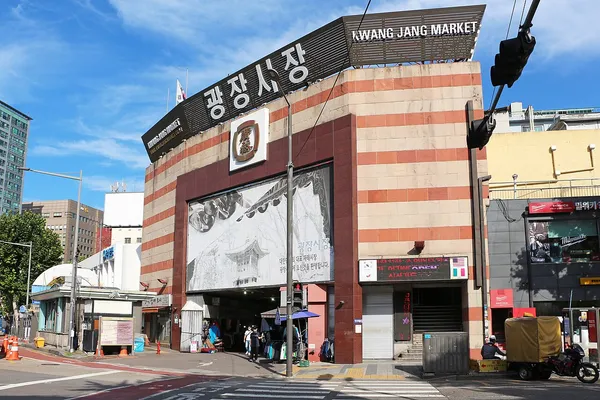
Exterior of Gwangjang Market in Seoul showing the main entrance with large Korean and English signage

Photo: Bgag (Bernard Gagnon) (CC0)

Gwangjang Market

Traditional food market
Jongno

Seoul's oldest market with scores of stalls serving bindaetteok, mayak kimbap, yukhoe, and soondae in a lively covered hall open daily from 8:30am.

View on Maps →

Mosu Seoul

Modern Korean fine dining
Yongsan

Two-Michelin-star tasting menu restaurant by chef Sung Anh, offering inventive modern Korean cuisine in a dinner-only format near Itaewon.

Visit website →

Gold Pig Apgujeong

Korean BBQ
Apgujeong

Well-regarded Korean BBQ restaurant specializing in high-quality Jeju pork belly, popular with locals for its consistent meat quality and charcoal grilling.

View on Maps →

Faust Tanz Bar

Underground techno club
Itaewon

Seoul's premier underground techno venue hosting top local and international DJs in an intimate two-room format open Friday and Saturday nights.

Visit website →

What Do Nomads Say?

Vote on how accurate these scores are based on your experience

Cities with a Similar Vibe to Seoul

Different places that score alike across our 13 categories, if you like Seoul, these tend to feel similar.

In the rankings

Where Seoul ranks

Seoul features in 3 of our 32 city rankings.

  1. 2Best cities for WiFi
  2. 12Best cities in Asia
  3. 13Best for nightlife

Frequently Asked Questions About Seoul

How much does it cost to live in Seoul as a digital nomad?

A comfortable nomad budget in Seoul is around $3,000 a month: a furnished rental, food, coworking, and getting around. Live a little outside the center or eat local to spend less.

Is the internet fast enough for remote work in Seoul?

With a WiFi score of 10/10, connectivity in Seoul is excellent for calls and focused work. A prepaid local SIM keeps you online when you are away from the apartment.

Is Seoul safe for digital nomads?

Seoul scores 9 out of 10 for safety in our ratings, which is excellent for solo travel and long stays. Use normal precautions at night and with valuables, and choose well-reviewed areas.

Is Seoul a good city for digital nomads overall?

For nomads, Seoul is worth a look if you value fast WiFi and nightlife. Costs sit near $3,000 a month and the community keeps growing, though, like anywhere, it will not match every checklist.