Cost of Living in Budapest
Where this figure comes from. The $2,200 monthly budget above is our own estimate rather than a measurement. How we source everything.
Budapest remains one of Europe's best-value capital cities for remote workers, though prices have crept up in central districts as more foreigners arrive. Here is what to expect on a monthly basis.
- Groceries: $125-190 cooking at home regularly
- Eating out: A sit-down lunch at a local restaurant runs $6.50-13; dinner at a mid-range place $16-32
- Coworking hot-desk: $95-220 per month; daily passes $9.50-19
- Local transport monthly pass: $28
- Utilities (electricity, heating, water): $79-125 depending on season
Total monthly range: A frugal nomad in an outer-district apartment spending carefully can get by on $1,100-1,400. A comfortable central setup with regular dinners out and a proper coworking membership runs $1,700-2,500. Budapest stays well below equivalent Western European cities at every budget level.
Where to Work
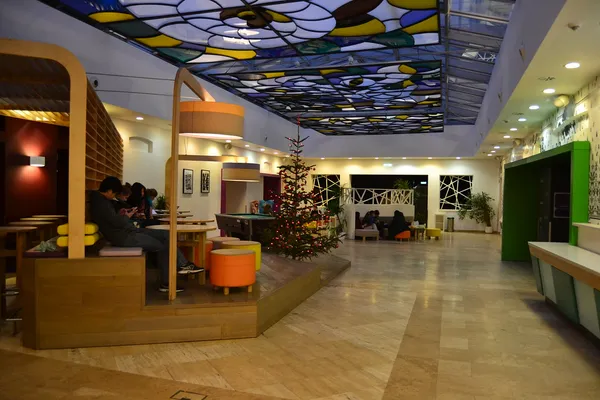
Budapest has a solid and growing coworking scene. KAPTÁR, on Révay köz behind the Basilica in District VI, is the city's most established space: enterprise-grade WiFi, a strong freelancer community, and a full-day pass of about $21 before VAT. Puzl CowOrKing, a tech-focused space in District XIII, opened in a renovated factory in 2024 and offers 800 seats with ergonomic furniture and 24/7 access. Szikra Coworking in District VII is a smaller, community-oriented option popular with creatives.
Cafe culture here is genuinely laptop-friendly, more so than in many European cities. Madal Cafe (multiple locations in District V) is the go-to: fast WiFi, quality specialty coffee, generous table space, and no real pressure to leave after one drink. Massolit Books and Cafe in the Jewish Quarter offers a relaxed, bookshop atmosphere and good connectivity. Lumen Cafe in the Palace Quarter draws a creative crowd and has ample seating.
WiFi quality across Budapest is genuinely strong. Hungary ranks in the top ten globally for internet speeds, and you will rarely struggle to find a reliable connection. Cafes and coworking spaces alike deliver speeds comfortable for video calls. The main catch: some popular cafes fill up by late morning on weekdays, so arriving before 10am secures the best spots.
Getting Around
Budapest's public transit is cheap, frequent, and covers almost everywhere you need to go. The network includes four metro lines, extensive tram routes, and buses running through the night. A single ticket costs $1.50, and a monthly pass is just $28, which is genuinely one of the best transit deals in Europe. Validate every ticket: inspectors are common and the on-the-spot fine is steep.
The city is highly walkable, particularly the flat Pest side. Districts V through VIII sit close together and many nomads find they rarely need transit at all during a typical workday. Cycling is increasingly viable thanks to a growing network of lanes and the MOL Bubi bike-share scheme.
Airport transfers: Budapest Ferenc Liszt Airport is about 16km from the city center. The 100E Airport Express bus is the cheapest option at $8 for a single ticket, running to Deak Ferenc ter in around 35-45 minutes. Taxis and rideshares (Bolt is widely used) cost roughly $19-32 depending on traffic and destination.
Sorting transport? Book an airport transfer, or compare car rental on Auto Europe and QEEQ.
Visas and Staying Long-Term
As an EU member state, Hungary is part of the Schengen Area. Passport holders from the US, UK, Canada, Australia, and most other Western countries can enter visa-free for up to 90 days within any 180-day period across the entire Schengen zone.
Hungary offers a dedicated White Card, a digital nomad residence permit for non-EU nationals. It allows you to live legally in Hungary for one year, with a one-year renewal option (two years total). It is open to employees of an employer outside Hungary and to owners of a share in a profitable company outside Hungary. Requirements include net income of at least $3,450 a month for the six months before entry and throughout the stay, comprehensive health insurance, and proof of accommodation. You cannot work in Hungary or hold a share in a Hungarian company on this permit, and family members cannot join you on it. EU and EEA citizens have the right to reside freely and can register as residents without a permit.
The White Card is issued by the National Directorate-General for Aliens Policing (Országos Idegenrendészeti Főigazgatóság, OIF). You apply at a Hungarian consulate, or from inside Hungary through the OIF's Enter Hungary system if your passport lets you enter visa-free, and the decision is due within 30 days.
Best Time to Visit
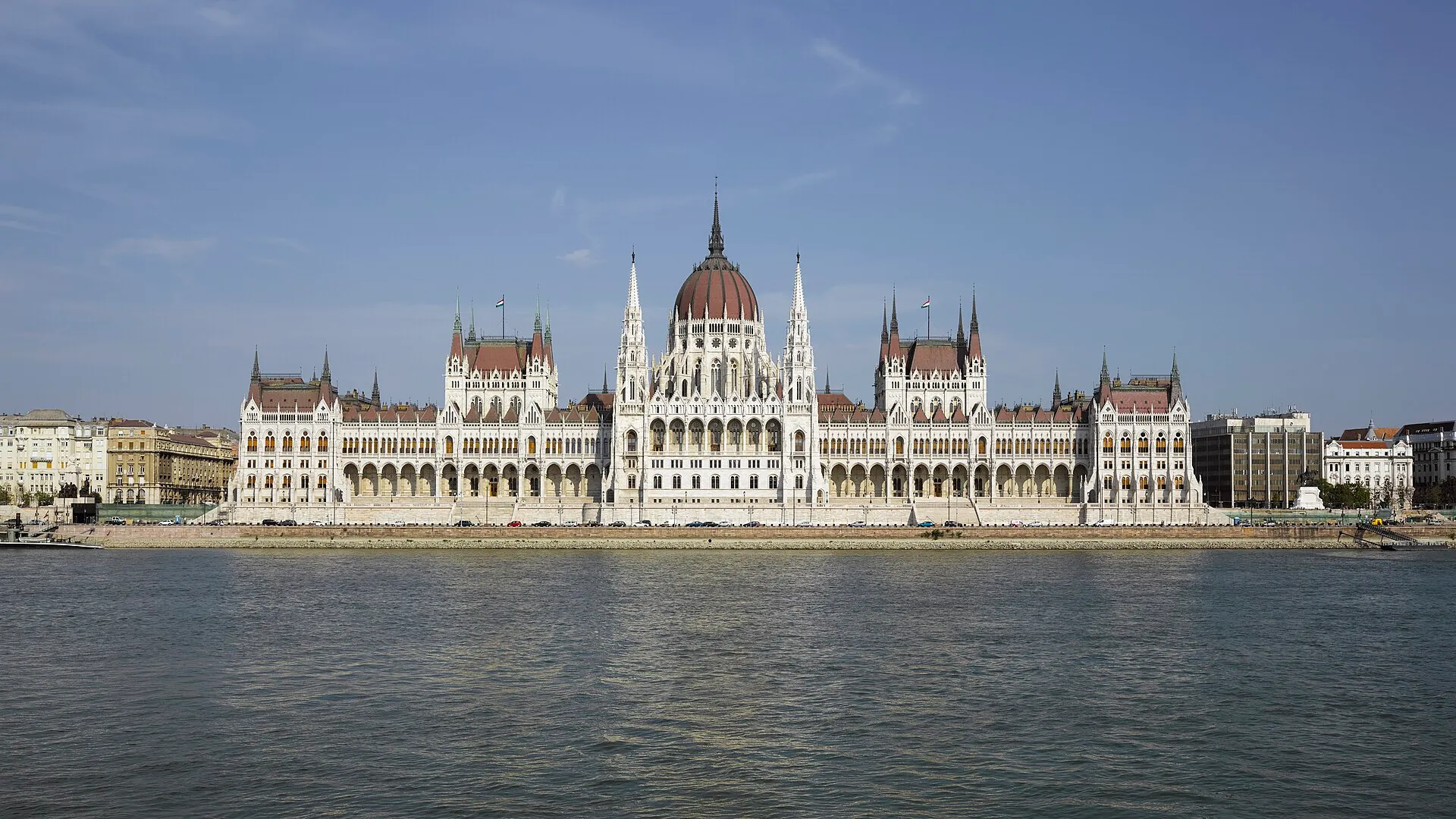
Spring (March to May) and early autumn (September to October) are the best windows for remote work in Budapest. Temperatures sit between 12°C and 22°C (54-72°F), the city is not yet overwhelmed with tourists, and outdoor cafe seating is actually pleasant. May is particularly good: long days, markets in full swing, and a lively energy without the summer heat.
Summer (June to August) brings reliable warmth and Budapest's outdoor festival season, but temperatures can push past 35°C (95°F) in July and August, and the most popular coworking cafes get crowded with visitors. If you run hot or need to concentrate, summer is the hardest season to enjoy working here.
Winter (December to February) is cold and often grey, with temperatures near or below freezing. That said, it has real appeal: the thermal bath culture comes into its own, Christmas markets run through December, and the city is far less crowded. As long as you are comfortable commuting in cold weather, it is a productive time to be here.
Pros and Cons
- Pro: Very low cost of living by European capital standards
- Pro: Top-tier internet speeds and solid coworking infrastructure
- Pro: Rich cultural life: thermal baths, architecture, excellent food and wine scene
- Pro: Safe city, walkable center, cheap and reliable public transit
- Pro: English widely spoken among under-40s in central areas
- Pro: White Card gives non-EU nomads a legal path to stay up to two years
- Con: Locals can be reserved and it takes time to build genuine social connections
- Con: Summers are increasingly hot and sometimes uncomfortably so for work
- Con: Central rents have risen sharply and landlords increasingly target short-term foreign tenants
- Con: Smoking culture is still common in bars and some outdoor spaces
- Con: The political environment is polarizing, and some find the media landscape limiting
- Con: Language barrier with older generations; Hungarian is notoriously difficult to pick up
Who Budapest Is Best For
Budapest suits nomads who want a high quality of life at a manageable cost without leaving Europe. If you care about history, architecture, food, and nightlife, and you want reliable infrastructure without paying London or Amsterdam prices, this city consistently delivers. It works especially well for solo nomads or couples with a moderate budget, people applying for or already holding a White Card, and those doing a longer Central European stint who want a comfortable base with good flight connections.
It is less ideal for people who thrive on easily making local friends or who need a large, active English-speaking nomad community to feel settled. Those who dislike cold winters or hate working in summer heat will also find the seasonal extremes frustrating. If you are chasing Southeast Asia costs or a beach lifestyle, Budapest will feel like a compromise.