Cost of Living in Salento
Where this figure comes from. No cost survey covers Salento, so the $900 a month above is our own estimate rather than a measurement. On 416 of our 999 city guides the figure is built from a published Numbeo basket, a one-bedroom rent in the centre plus one person's monthly costs without rent, converted to USD; this city is not one of them. How we source everything.
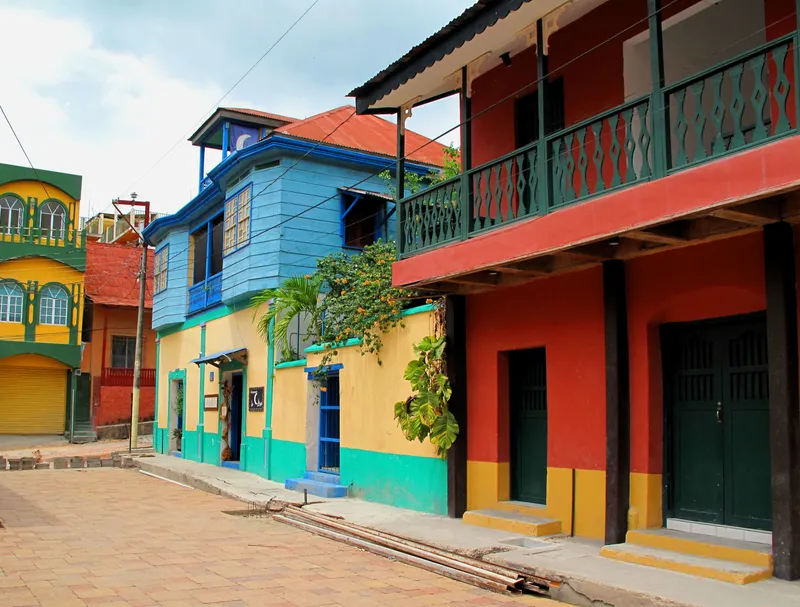
Salento is affordable, a small coffee-country village where costs stay low despite its growing popularity with travellers. A comfortable single-person budget runs roughly $700 to $1,100 a month. Guesthouse rooms and simple flats in or near the colourful centre rent long-term for about $250 to $500, and local set-lunch meals cost just a few dollars. These are our editorial estimates in US dollars, priced against the Colombian peso, whose exchange rate can shift your real budget. Beyond rent and food, the main costs are jeep rides to the Cocora Valley and the occasional coffee-farm tour. Prices here move by the day of the week rather than by the season. The village fills with domestic visitors every weekend and empties on Monday, and accommodation is priced accordingly, so a monthly arrangement made directly with an owner costs a fraction of seven nightly rates. Long lets are genuinely scarce because almost every house earns more as a guest room, and the ones that exist are found by asking in the village rather than online. Nothing needs heating or cooling at this altitude, which quietly removes the bill that dominates a budget on the coast.
- Guesthouse room or flat, long stay: roughly $250 to $500 a month
- Set-lunch almuerzo or a trout dish: roughly $3 to $7
- Willys jeep ride to the Cocora Valley: a couple of dollars
- Coffee-farm tour with tasting: a modest sum
Where to Work in Salento
Salento is a small Andean village and a nature base rather than a remote-work hub, so its infrastructure is basic. Internet is the main limitation: fibre and 4G reach the village but speeds are modest and can drop, and the mountain setting and frequent rain do not help, so test any accommodation's connection carefully before relying on it for calls. Dedicated coworking does not exist; a handful of traveller cafes serve as informal work spots, and a Claro or Movistar SIM is a sensible backup. Salento suits someone with light connectivity needs who wants a beautiful, restful base rather than a place for constant video meetings. On timing, the local clock tracks the eastern seaboard of North America, level with it in summer and an hour behind in winter, which makes work with clients up there effortless and a European call a very early start. The practical warning is about weekends: the main street becomes loud from Friday afternoon through Sunday night, with music from the bars and jeeps running late, so a room on it is unworkable and a room three streets back is fine. If a week needs a proper desk and a guaranteed line, the regional cities an hour away have both.
Getting Around Salento
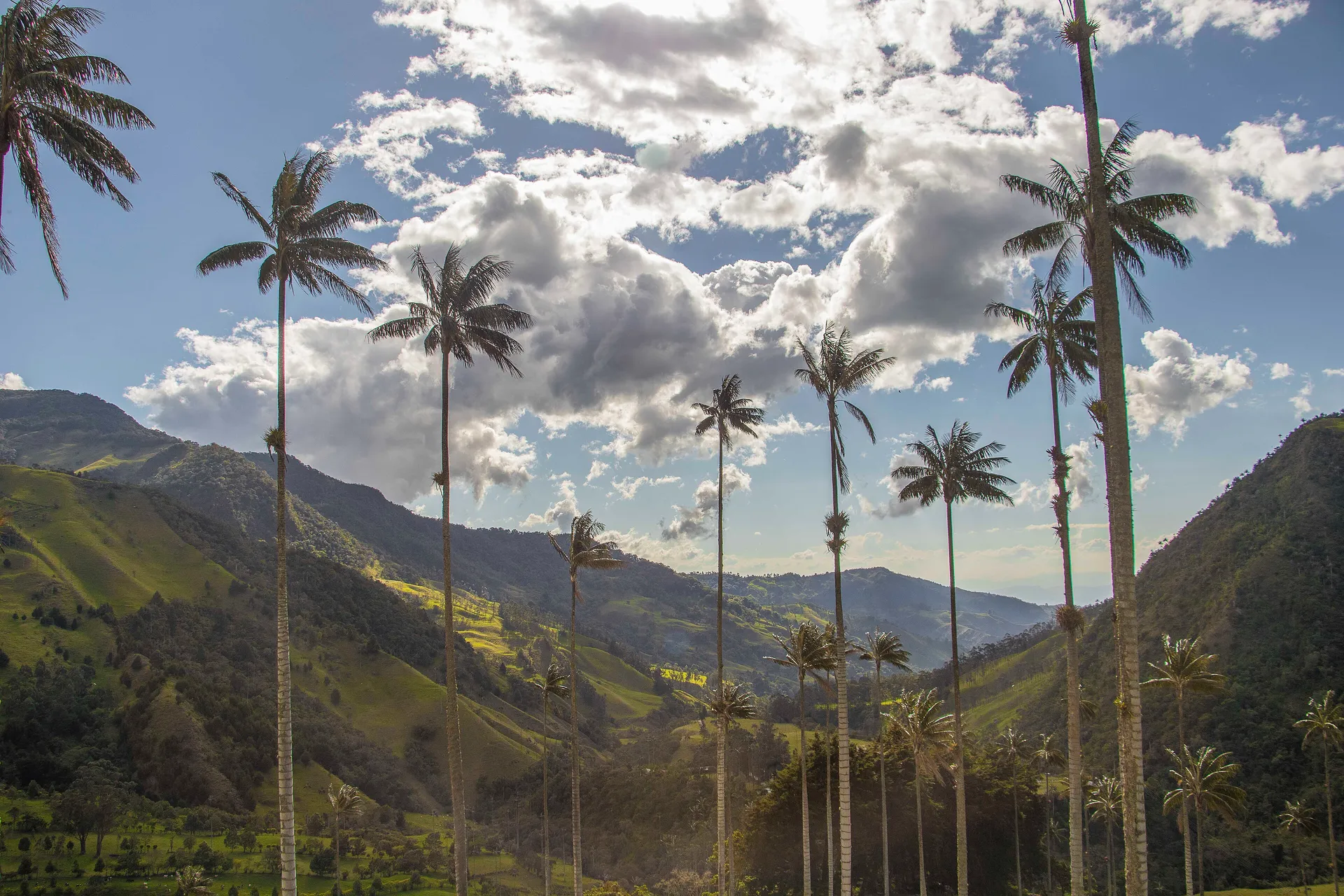
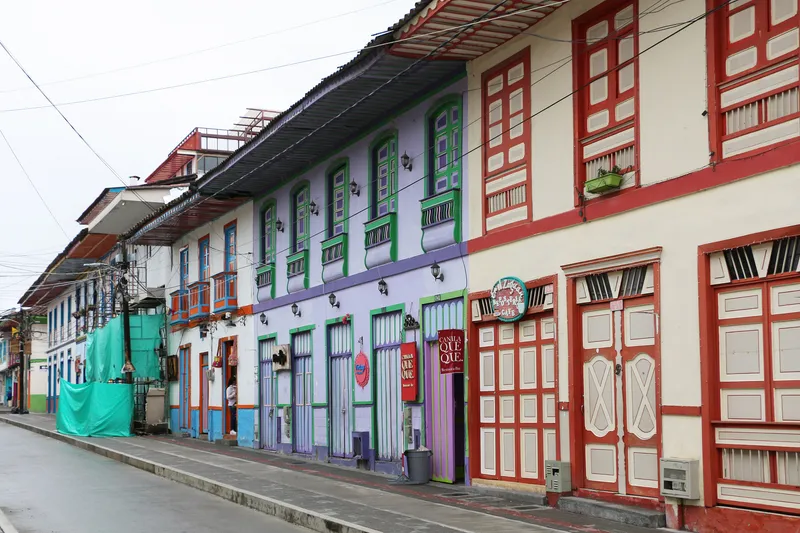
Salento is tiny and walkable, its colourful main street, the Calle Real, running up to a viewpoint over the coffee-country hills. The classic way to reach the star attraction, the Cocora Valley and its giant wax palms, is by the old Willys jeeps that gather in the main plaza, a fun, cheap shared ride. Buses connect Salento to the regional cities of Armenia and Pereira, each about an hour away, which have the nearest airports and links to Bogota, Medellin and the wider country. For coffee farms and nearby villages, jeeps and short bus rides do the job. A practical note on the jeeps, since they are the whole transport system here. They leave from the plaza on a rota rather than a timetable and fill before departing, the last one back from the valley goes in the late afternoon and misjudging it means a long walk or an expensive private ride, and riding standing on the rear bumper is the local custom and entirely at your own risk. Take cash; nobody carries a card machine. The walk up to the viewpoint above the village takes fifteen minutes and two hundred steps.
Sorting transport? Book an airport transfer, or compare car rental on Auto Europe and QEEQ.
Visas for Salento
Most visitors enter Colombia visa-free as tourists, typically for up to 90 days, which can usually be extended to a maximum of 180 days in a calendar year. For a longer stay, Colombia offers a digital nomad visa for remote workers who can show sufficient income from foreign sources, granting a stay of up to two years, alongside other migrant visa options. Count your permitted days and learn the extension process early, so you do not overstay. The cap that catches people is the annual one. Whatever combination of entries and extensions you use, the total is limited within a single calendar year, so someone arriving in October gets a fresh allowance in January and someone arriving in February does not get one until the following year. Plan the arrival month accordingly. The remote-work visa wants locally valid health cover for the whole period as well as the income evidence, and holders staying beyond a certain length must then register for a foreigner identity card within a short window of arriving.
Best Time to Visit Salento
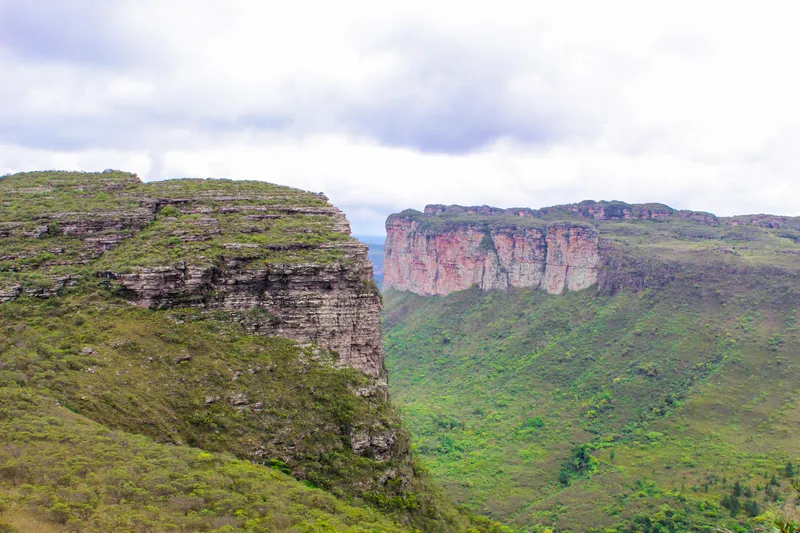
Salento sits in the green Andean coffee region, which is lush precisely because it rains often, so the climate is mild and spring-like year-round rather than seasonal in temperature. The drier, clearer stretches tend to fall around December to February and July to August, which are the best windows for hiking the Cocora Valley and enjoying the views, though a shower can arrive in any month. The wetter periods bring frequent afternoon rain that keeps the hills emerald but can muddy the trails and cloud the scenery. Pack a light rain jacket whenever you visit and aim for the drier months for hiking. The coffee region has two harvests rather than one, a main crop later in the year and a smaller one around the middle, which is when the farms are most interesting to visit and most willing to show you what actually happens. Ask before booking a tour rather than after. The other calendar to watch is the domestic holiday one: Easter week and the long weekends scattered through the year fill the village entirely, and a quiet Tuesday and a heaving Saturday are effectively different places.
Pros and Cons of Salento
Salento offers some of Colombia's most beautiful coffee-country scenery in a small, colourful package. Colourful is doing some work, and it is worth knowing that the paint is recent. The houses were repainted in their current bright scheme as the village turned toward tourism, which does not make them less pleasant to look at but does explain why every photograph looks the same. What is genuinely unique is over the ridge: the wax palms in the valley are the tallest palms in the world and grow nowhere else in quantity, and standing among them in cloud is one of the few sights in the country that nothing else resembles. Against that sit scale and turnover. This is a village of a few thousand people whose economy now rests almost wholly on visitors, the weekend brings a crowd that outnumbers it, and there is no community of long-stayers to join. Come for a few weeks with the walking as the point, and it is hard to beat. Come expecting a base and the limits arrive fast.
- Pros: the spectacular Cocora Valley and its towering wax palms, immersive coffee-farm culture, a photogenic, brightly painted village, superb hiking and horse riding, a mild year-round climate, clean air, and low costs.
- Cons: weak and inconsistent internet, a small village with limited amenities and no real nomad community, frequent rain, limited English, and heavy domestic-tourist crowds on weekends and holidays that can dent the tranquillity.
Who Salento Is For
Salento is for the nature-loving nomad who wants to wake up amid coffee farms and Andean hills and can work comfortably with light connectivity. Hikers, coffee lovers, photographers and anyone craving a colourful, laid-back village base will love it, and the Cocora Valley alone is worth the trip. It works best as a scenic, restful base for shorter stays or flexible, low-bandwidth work rather than a long-term hub, and rewards a little Spanish. It is a poor fit for those who need fast, reliable internet, a coworking community, or a lively social scene. Come in a drier stretch, base yourself near the Calle Real, and let the coffee country set the pace. The right window is two to four weeks. Beyond that most people move an hour down the road to one of the cities, where the internet is real and a gym and a supermarket exist, and come back up at weekends. That pattern gets you the valley without the isolation. Walkers should know the main trail is a half-day loop with a serious climb in the middle and that the cloud usually arrives by noon, so an early start is not optional if you want to see anything.