Cost of Living in Medellín
Real market data
Source: Numbeo · August 2026
$1,440/moSolo nomad1-bed centre + living costs
$1,870/moCoupleshared 1-bed + costs
$1,180/moLean / localcheaper area + costs
- 1-bed rent, city centre$890COL$2,855,954
- 1-bed rent, outside centre$640COL$2,046,000
- Monthly costs excl. rent (1 person)$550COL$1,746,922
- Meal, inexpensive restaurant$8COL$25,000
- Monthly transit pass$77COL$248,000
- Buy price, per m² (centre)$3,070COL$9,830,131
Prices are from Numbeo (August 2026), converted to USD at $1 = COL$3203.03 (01 Aug 2026). The monthly living-costs figure is our transparent one-person basket, groceries, a few meals out, utilities, phone, internet, transport and essentials, priced from those figures. Solo adds central rent; couple and lean are estimates from the same numbers.
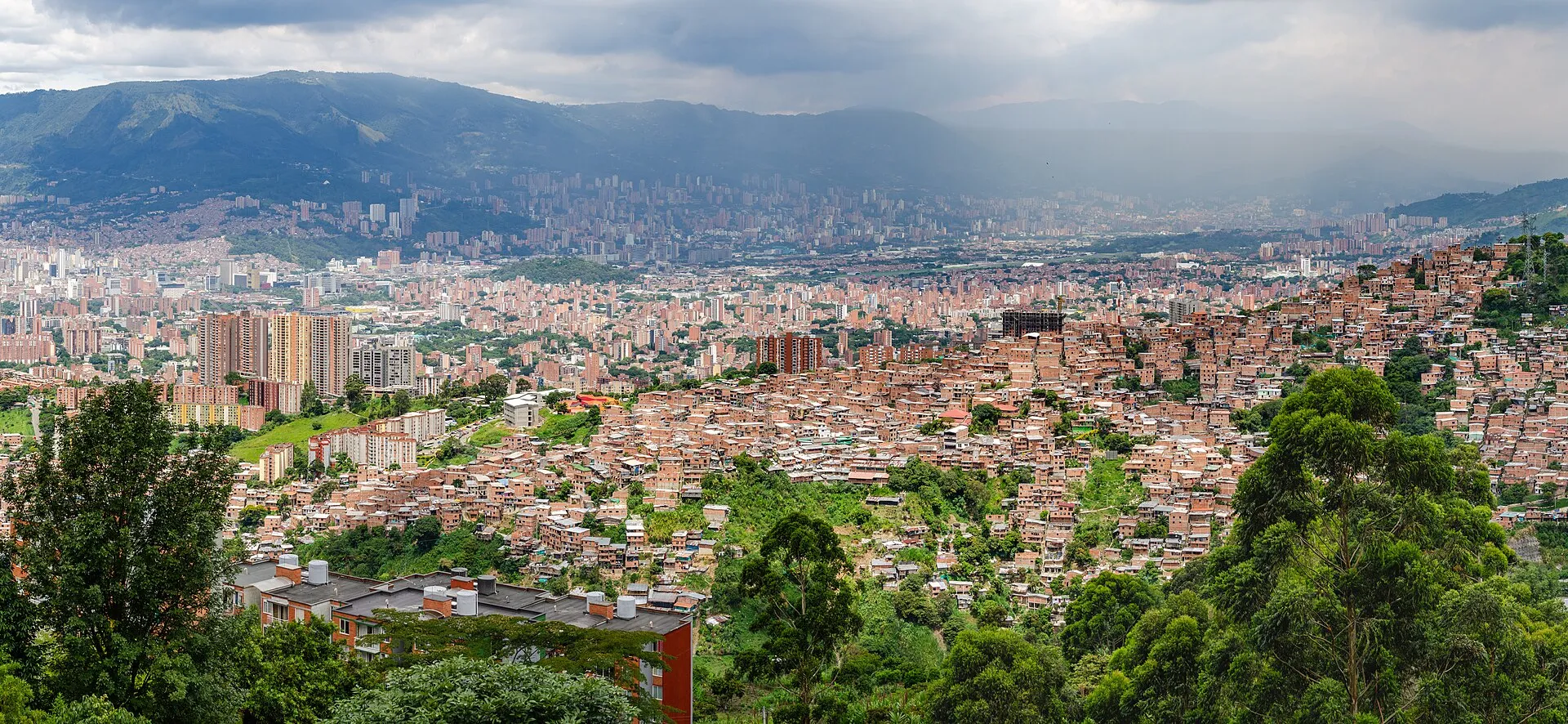
Medellín is one of the better-value nomad bases in Latin America, though prices in the popular areas have climbed as more remote workers arrive. Here is a realistic monthly budget for one remote worker living comfortably.
- Rent (furnished 1-bed): In a nomad-heavy part of El Poblado you'll pay around $1,220-2,810 on short-to-mid-term platforms. In Laureles or Envigado the same apartment runs closer to $845-1,810. Cheaper barrios like Belén go lower still.
- Utilities and internet: Roughly $110-220. Fibre internet is widely available. Air conditioning is rarely needed, which keeps bills down.
- Groceries: Around $220-375 if you cook regularly and buy produce at markets rather than only imported goods.
- Eating out: A set lunch (menú del día) runs $4.50-8. A dinner for two at a mid-range restaurant is $28-50.
- Coworking hot-desk: A monthly hot-desk membership is about $110-220. Day passes are $6-22.
- Local transport: A Metro ride costs about $1.37. Budget $47-110 monthly including occasional ride-hailing.
A solo nomad with a mid-range lifestyle typically spends $1,200-1,800 per month. Choosing newer housing in El Poblado, a premium coworking plan, and frequent dining out pushes that to $2,200-3,500.
Where to Work
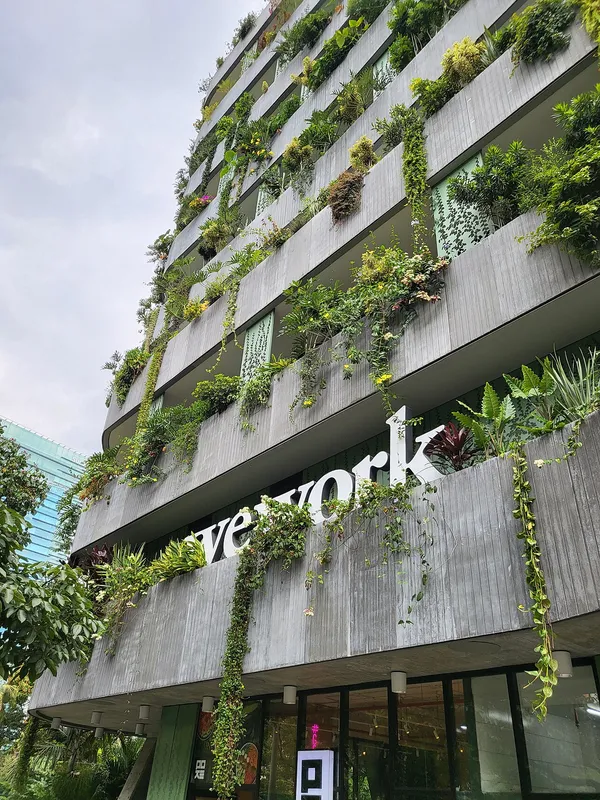
Medellín has 50-plus coworking spaces. In El Poblado you'll find WeWork and Tinkko (known for panoramic valley views from upper floors of Golden Mile towers) for a corporate feel, and Selina near Manila for a relaxed, community-driven nomad crowd. Laureles has a good spread of smaller, community-focused spaces if you're based on that side of the city.
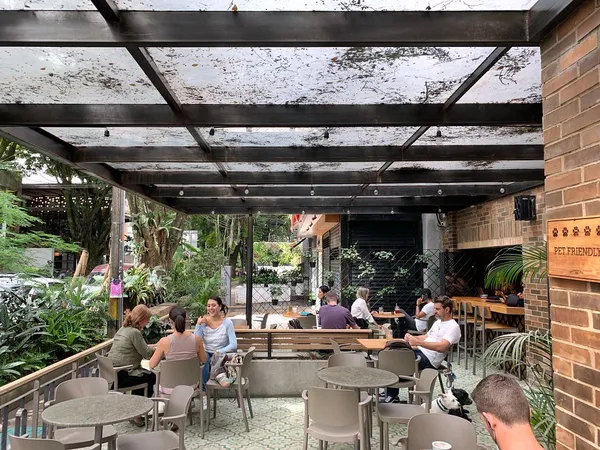
Cafe-work culture is strong, especially in Laureles and Manila, where independent coffee shops welcome laptops. On connectivity: fibre internet in apartments and coworking spaces is generally fast and reliable, but power and internet can drop briefly during heavy rain, so a coworking membership or a mobile data backup is worth having if your work can't tolerate interruptions.
Getting Around
Medellín has Colombia's only metro, and it's clean, cheap, and safe, with rides of about $1.37 on a rechargeable Cívica card. The integrated Metrocable gondolas extend the network up into the hillside comunas (Line K to Santo Domingo, Line J to San Javier near Comuna 13, and Line L out to Parque Arví). The city also runs the free EnCicla bike-share from metro stations.
For door-to-door trips, use apps like Uber, DiDi, or Cabify, or InDrive, which are cheap (a cross-town ride is about $3-6) and safer than hailing a random street taxi. Laureles and Envigado are pleasantly walkable, while El Poblado is steep in parts.
Note the two airports. José María Córdova (MDE) in Rionegro handles international and most flights and sits about 40-45 minutes away via the Túnel de Oriente. An official white taxi into the city is a flat $37, while the Combuses shuttle to Centro Comercial San Diego is roughly $6. The small Olaya Herrera (EOH) airport is right in the city and handles regional turboprop flights only.
Sorting transport? Book an airport transfer, or compare car rental on Auto Europe and QEEQ.
Visas and Staying Long-Term
Citizens of the US, UK, EU, Canada, Australia, and many other countries get a tourist entry stamp on arrival, valid for up to 90 days. You can extend once for another 90 days online through Migración Colombia, for a maximum of 180 days per calendar year. Apply about 10 days before your first 90 days end to avoid a fine.
For longer stays there's the Visa V for Digital Nomads, valid for up to two years. You'll need to work remotely for foreign clients or an employer, show income over the last three months of at least three times Colombia's monthly minimum wage (about $1,640 a month in 2026, rising whenever the wage does), and carry health insurance covering Colombia. It cannot be renewed, so you re-apply or switch to another visa type when it expires.
Our guide to seeing an English-speaking doctor in Medellín covers what that insurance policy has to include, what a private visit costs on a tourist stamp, and when a visa lets you join an EPS.
Best Time to Visit
Sitting at about 1,500 metres, Medellín earns its "City of Eternal Spring" nickname, with year-round temperatures around 18-27°C (64-80°F) and no real winter or summer. The altitude keeps it mild, so you rarely need heating or air conditioning.
The drier windows are roughly December to March and June to August, which are the most comfortable for getting around and working. The wetter stretches (April to May and September to November) bring frequent afternoon showers, though these are usually short and rarely derail a work day. For remote work, any month is workable, but December to February pairs the best weather with the liveliest festival season.
Pros and Cons
- Pro: Excellent climate all year, with no need for heating or A/C.
- Pro: Strong value, with rents and daily costs well below North America and Western Europe.
- Pro: Large, established nomad community and plenty of coworking and cafe options.
- Pro: Clean, cheap metro plus affordable ride-hailing.
- Con: Safety varies by area and situation. Petty theft, phone snatching, and drink-spiking (including scopolamine) are real risks, especially around nightlife and dating apps. The local advice, "no dar papaya" (don't give an easy opportunity), applies.
- Con: The experience is very neighborhood-dependent, and popular areas have grown pricey and touristy.
- Con: Spanish is essential outside El Poblado, and Colombian bureaucracy can be slow.
- Con: Rainy-season showers and occasional internet or power blips during storms.
Who Medellín Is Best For
Medellín suits the remote worker who wants great weather, low costs, a big social scene, and city energy without leaving Latin America. It's ideal if you'll base in Laureles, El Poblado, or Envigado, use ride-hailing at night, and put some effort into Spanish. It's a strong fit for first-time nomads who want an easy, well-trodden landing, and for social people who value community over solitude.
Skip it if you need guaranteed, uninterrupted connectivity for critical work, want a small quiet town rather than a big city, are uncomfortable staying street-smart about safety, or are looking for a beach base, since Medellín is landlocked in the mountains.