Cost of Living in Lake Atitlán
Where this figure comes from. No cost survey covers Lake Atitlán, so the $1,500 a month above is our own estimate rather than a measurement. On 416 of our 999 city guides the figure is built from a published Numbeo basket, a one-bedroom rent in the centre plus one person's monthly costs without rent, converted to USD; this city is not one of them. How we source everything.
Lake Atitlán is one of Central America's most affordable bases. A solo nomad can live comfortably for $800-1,200 per month ($800-1,200). Here is a realistic monthly breakdown for a single person:
- Rent: $140-400 for a furnished room or studio. Panajachel and San Pedro La Laguna command the higher end; smaller villages like San Marcos or San Juan are cheaper. A full one-bedroom apartment with lake views runs $300-500.
- Groceries: $150-220. Markets sell local produce cheaply, but imported goods are limited and pricey. No major supermarket chains operate lakeside.
- Eating out: $100-180. A set lunch (soup, main, drink) at a local comedor costs $3.50-4.50. Sit-down restaurants with lake views range $8-16 per meal.
- Coworking hot-desk: $81-200 per month, depending on the space. Day passes are available from $8.
- Local transport (lanchas + tuk-tuks): $30-60. Inter-village boats cost $1.50-4.50 per trip; tuk-tuks within town run $0.65-1.50.
- Total realistic range: $510 (very frugal, shared room) to $1,500 (private apartment, dining out often). Most nomads land in the $800-1,200 band.
The local currency is the Guatemalan quetzal (Q). The exchange rate runs around 7.6 quetzales to the US dollar. Cash is essential: most lakeside businesses do not accept cards, and ATMs are scarce outside Panajachel.
Where to Work
The coworking scene is small but functional if you pick the right town. Panajachel has the most options.
- Socialtel Atitlan (formerly Selina Atitlan), Panajachel: The best-equipped dedicated coworking space on the lake. A rooftop loft, standing desks, printing, and included coffee. Monthly membership around $120; day passes around $8-10. WiFi can struggle when the space is busy.
- JungleLab by BrainHive, Panajachel: An eco-built space capped at six members. Open Monday to Friday, 10am-6pm. Day rate $20, monthly $300. Reliable internet with good equipment; best for focused solo work.
- Cafe work: Panajachel's Té Quiero Coffee and The Little Spoon both offer stable WiFi, plugs, and comfortable seating. In San Pedro, Tornado's Coffee and Las Cristalinas are popular laptop spots with fast, consistent connections. In San Marcos, Circles Cafe and Bakery is the go-to for morning work sessions.
The honest WiFi situation: most lakeside towns run on slow connections. Panajachel is the most reliable. San Pedro is the next best option. San Marcos and smaller villages are genuinely inconsistent, and often very slow. Starlink has arrived at a handful of spots and makes a noticeable difference. Budget for a local SIM card (Tigo offers fiber-backed mobile data) as a backup. Video calls are possible from good venues, but you should test your space before committing to a heavy-call day.
Getting Around
The lake is the highway. Lanchas (public motorboats) connect all 12 lakeside villages from roughly 6am to 5:30pm daily. They run on demand rather than a fixed schedule, departing when enough passengers board. The main Panajachel to San Pedro route takes about 30-45 minutes via the slower circuit boat or 30 minutes direct; fares run $3.50 for tourists. Panajachel is the transport hub and has the most frequent departures.
Within each village, tuk-tuks are the standard option. Most villages are compact and walkable on flat ground, though steep hillsides above the waterfront require either a tuk-tuk or a good pair of legs. Avoid walking the lakeside perimeter paths between villages after dark; boat travel between towns is the safer choice at all hours.
Getting to and from La Aurora International Airport in Guatemala City takes 3-4 hours by road. The easiest option is a shared shuttle from Panajachel, which costs $20-46 and runs several times daily. Private transfers are faster and cost $100-160. There is no direct bus from the airport; public chicken buses are very cheap ($4-8 total) but require a connection in Antigua or Chimaltenango and take 4-5 hours. Most nomads use the tourist shuttle.
There is no road that encircles the entire lake; each village is reached by boat or by winding mountain roads that require a private vehicle or shuttle from Panajachel.
Sorting transport? Book an airport transfer, or compare car rental on Auto Europe and QEEQ.
Visas and Staying Long-Term
Citizens of approximately 83 countries, including the US, Canada, UK, EU member states, Australia, and New Zealand, enter Guatemala visa-free for 90 days. The stamp is issued under the CA-4 agreement, which covers Guatemala, El Salvador, Honduras, and Nicaragua collectively. Your 90 days count across the entire CA-4 zone, not just Guatemala.
You can extend once for a further 90 days by visiting the immigration office (Departamento de Extranjería) in Guatemala City. The fee is $15, payable at a local bank. After 180 days combined, you must exit the entire CA-4 region (to Mexico, Belize, or Costa Rica) and stay out for at least 72 hours before re-entering on a fresh 90-day stamp.
Digital Nomad Visa: Guatemala launched a formal digital nomad residency in October 2025. It costs $25 to apply plus $200 for the one-year permit, requires proof of $2,000 per month in remote income, and is processed at the IGM offices in Guatemala City. Processing takes 2-4 months. There is no local guarantor requirement and the permit is renewable.
Best Time to Visit
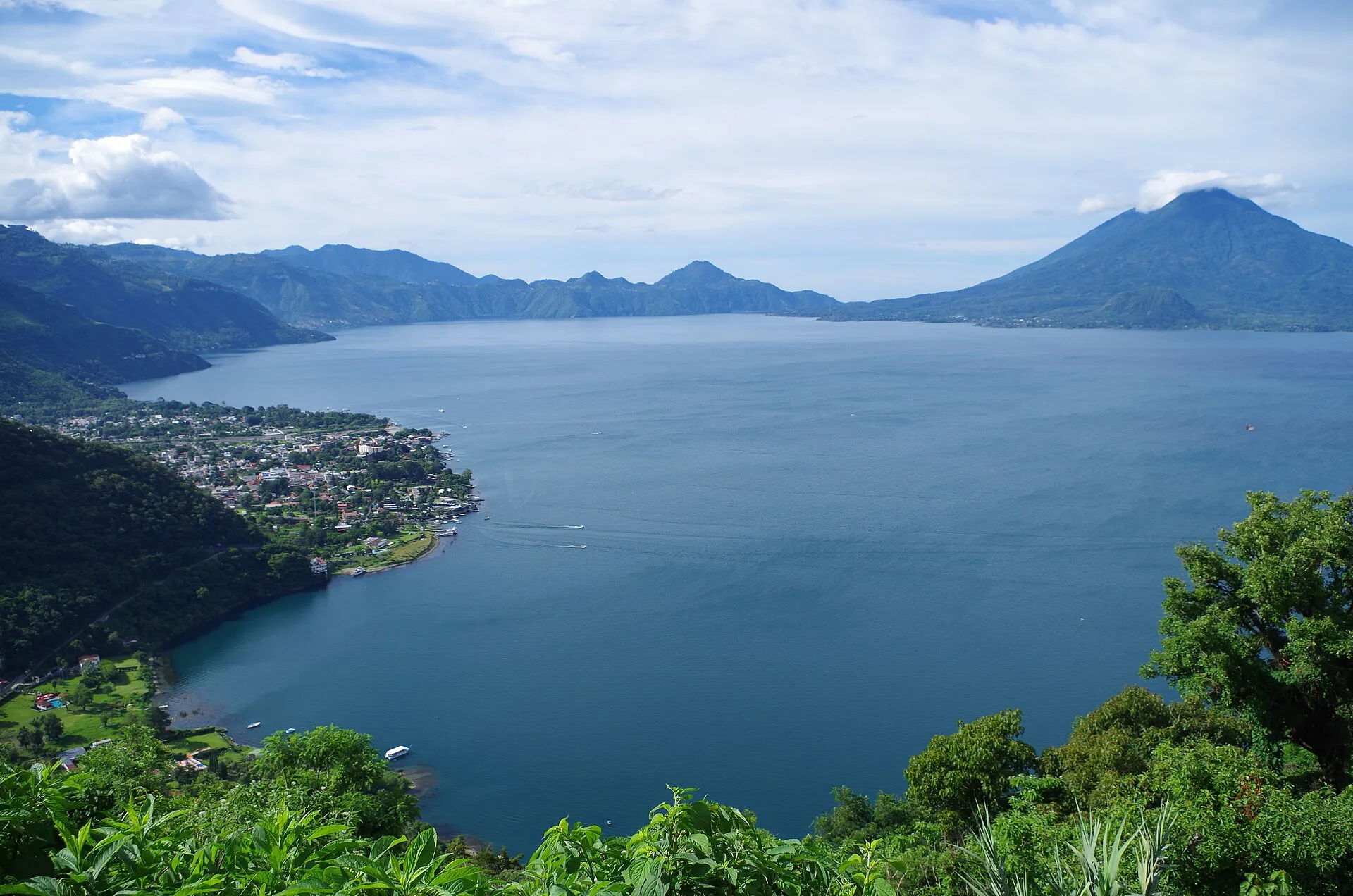
Lake Atitlán sits at roughly 1,560 meters elevation, which keeps temperatures mild year-round, typically 20-26°C (68-79°F) during the day. The climate splits into two clear seasons:
Dry season (November to April) is the best window for remote work. You get clear skies, calm mornings on the lake, and maximum sunlight. January and February are the coolest months. The afternoons can be windy from December onward (a local wind called the Xocomil picks up around noon), so schedule outdoor activities for mornings.
Rainy season (May to October) brings daily afternoon rain, often for 2-4 hours starting in the early afternoon. The lake turns a deeper green, the volcanoes are cloud-wrapped for days at a time, and accommodation is cheaper. Morning working sessions work fine; just plan outdoor activities before noon. June and September are the wettest months, each near 400mm, with a slightly drier spell in July between them, and some activities are limited.
The best overall window for combining reliable weather, outdoor access, and a functioning nomad community is November through March.
Pros and Cons
Pros:
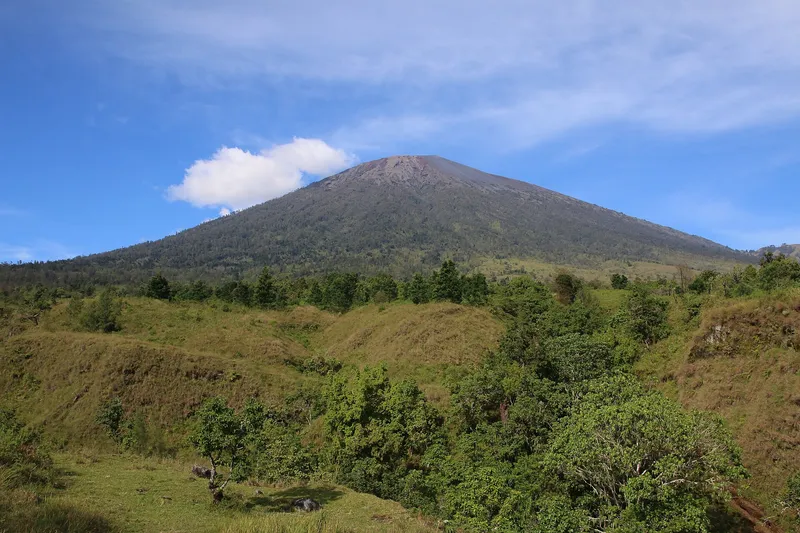
- Exceptional natural beauty: a volcanic caldera lake with three surrounding volcanoes and a backdrop that is hard to match anywhere
- Very low cost of living relative to the scenery and lifestyle on offer
- Slow, relaxed pace well-suited to focused creative or writing work
- Easy day trips to 12 distinct lakeside villages, each with its own character
- Strong wellness and yoga scene, especially in San Marcos
- Warm international community with long-term expats and returning nomads
- Proximity to Antigua (3 hours) for a city fix when needed
Cons:
- Internet reliability is genuinely limited outside of Panajachel and a handful of cafes in San Pedro; heavy video-call workloads are a gamble
- Almost entirely cash-based economy; ATMs are few and sometimes empty
- No major supermarkets; grocery variety is limited to local markets and small tiendas
- Medical facilities are minimal; anything serious requires a trip to Antigua or Guatemala City
- Petty theft is a real risk in tourist areas, especially in Panajachel
- Lancha service stops by early evening, which limits flexibility for late nights in other villages
- Most nomads find it too limited for stays beyond 4-6 weeks without a car or regular trips to Antigua
Who Lake Atitlán Is Best For
Lake Atitlán suits you well if you are a writer, designer, or creative whose work runs on focus rather than bandwidth. It is a strong fit for nomads who want to spend a month in genuine natural surroundings without paying Southeast Asian prices, and for people who are already comfortable with cash economies and variable infrastructure.
It also works well as a base for someone exploring Central America who wants to slow down between faster-paced stops. The wellness community in San Marcos attracts people interested in yoga retreats, meditation, or cacao ceremonies alongside their remote work.
You should skip Lake Atitlán, or at least keep your stay short, if your job depends on consistently fast internet with reliable video calls. It is also a poor fit if you dislike cash-only environments, need regular access to a large supermarket, or want a structured coworking community with daily networking. Antigua, two to three hours away, is a better base for those priorities.