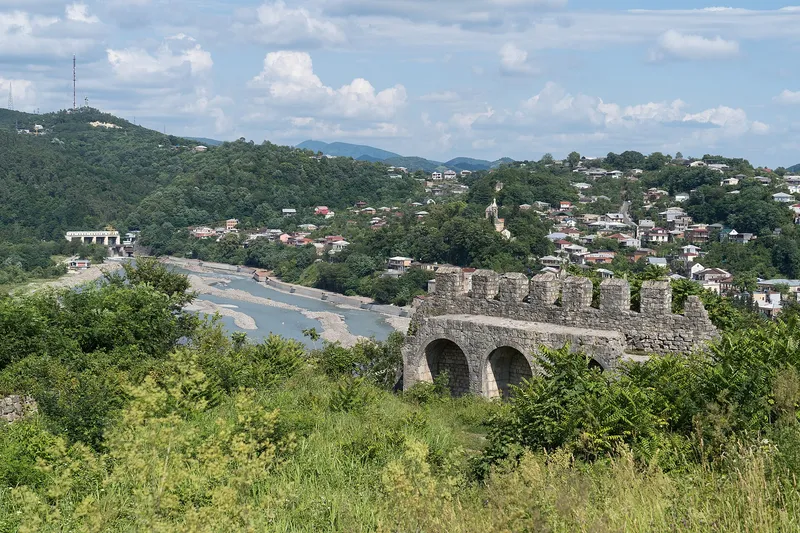
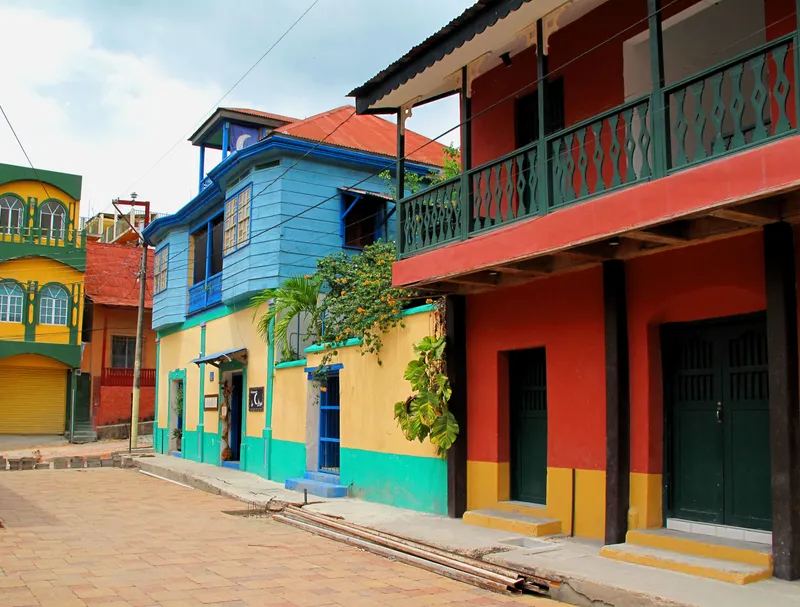
Cost of Living in Baños
Where this figure comes from. No cost survey covers Baños, so the $800 a month above is our own estimate rather than a measurement. On 416 of our 999 city guides the figure is built from a published Numbeo basket, a one-bedroom rent in the centre plus one person's monthly costs without rent, converted to USD; this city is not one of them. How we source everything.
Baños, formally Baños de Agua Santa, is very affordable, helped by Ecuador using the US dollar, which removes any exchange-rate worry for those earning abroad. A comfortable single-person budget runs roughly $650 to $1,050 a month. A furnished apartment or long-stay room in or near the small centre costs about $250 to $500, and hearty Ecuadorian almuerzos cost just a few dollars. These are our editorial estimates in US dollars, the actual local currency. Beyond rent and food, the main costs are the town's many adventure activities, from rafting to canyoning, which stay cheap by global standards. A couple of small frictions are worth building into a budget. Cash machines here charge a fee on every foreign withdrawal and cap the amount, so pulling money out weekly is noticeably more expensive than doing it monthly in a bigger city. Anything imported, from electronics to a decent pair of trail shoes, costs considerably more than it would at home, so bring the gear rather than planning to buy it. On the other side, nothing here needs heating or cooling, which quietly removes the largest seasonal bill most people are used to.
- Furnished room or apartment near the centre: roughly $250 to $500 a month
- Set-lunch almuerzo: roughly $3 to $5
- Entry to the thermal hot springs: a couple of dollars
- Bus to Quito (about three hours): a few dollars
Where to Work in Baños
Baños is an adventure and backpacker town rather than a remote-work hub, so its infrastructure is basic. Internet is the main limitation: fibre and 4G reach the town but speeds are modest and can drop, and the deep Andean valley setting does not help, so test any accommodation's connection carefully before relying on it for calls and keep a Claro or Movistar SIM as backup. Dedicated coworking does not really exist; a handful of traveller cafes serve as informal work spots. Baños suits someone with light connectivity needs who wants an active, nature-filled base rather than a place for constant meetings. A national problem belongs in the picture here. Electricity in this country comes largely from hydro, and drought has forced nationwide rationing in recent years, with scheduled blackouts running several hours a day over a stretch of weeks in 2024. When that happens no accommodation here is immune, and the only useful preparation is a large power bank, a phone plan with real data, and a client who has been warned. On the plus side the clock here matches the eastern United States for much of the year, so a normal day lines up with clients there without any effort.
Getting Around Baños
Baños is small and flat in its centre, and easily explored on foot, with adventure agencies, cafes and the thermal baths all close together. The classic way to see the surrounding gorge and its string of waterfalls, the Ruta de las Cascadas, is by rented bike or the open chiva buses that run the route to the mighty Pailon del Diablo falls. Frequent buses connect Baños to Quito, about three hours away, and to Riobamba and the wider Andes. The town sits below the active Tungurahua volcano, whose activity is monitored and occasionally affects local excursions. The road in and out is the vulnerability. Landslides after heavy rain shut the mountain highways for hours and sometimes days, which is common enough that anyone with a flight should travel to the capital the day before rather than the morning of. Within the gorge, several cable cars strung across the valley are both transport and attraction, and the famous tree swing sits at a viewpoint above the town rather than in it, a short ride up. The bus terminal is at the edge of the centre and everything leaves from there, which keeps planning simple.
Sorting transport? Book an airport transfer, or compare car rental on Auto Europe and QEEQ.
Visas for Baños
Most visitors enter Ecuador visa-free as tourists for up to 90 days per year, which can sometimes be extended for a further period through the immigration authorities. For a longer stay, Ecuador offers a range of residence options and has introduced a digital nomad visa for remote workers who can show sufficient foreign income, granting a longer, renewable stay. Keep track of your permitted days and any extension process to avoid overstaying your welcome. The counting rule here is unusual and worth reading twice. The allowance is ninety days within a rolling twelve-month period rather than the ninety-in-a-hundred-and-eighty that most of the world uses, so a short trip out and back does not reset anything and the second visit of a year can be much shorter than the first. An extension of a further ninety days is possible and is applied for inside the country before the original period expires. Anyone who does take residence will get a cedula, the national identity card, which then replaces the passport for almost everything.
Best Time to Visit Baños
Baños sits in a lush Andean valley at around 1,800 metres, giving it a mild, spring-like climate year-round rather than sharp seasons, though it is a notably rainy, green place. Drier, clearer spells tend to fall around the second half of the year, roughly September to January, which are good windows for the waterfalls and outdoor activities, but a shower can arrive in any month given the cloud-forest setting. The wetter periods keep everything emerald but can muddy trails and cloud the volcano. Pack a light rain jacket whenever you visit and expect changeable mountain weather. What actually changes the feel of the town is not the weather but the domestic calendar. On any long weekend and through the carnival holiday, visitors from the capital fill the place completely, the thermal baths queue out of the door and the prices on the main street move; midweek the same town is half empty. If you can work a flexible week, take the weekdays for the trails and stay in on Saturdays. The town's own fiesta in early December is the one weekend worth being here for.
Pros and Cons of Baños
Baños is a nature-and-adventure paradise with the trade-offs of a small, rainy mountain town. The volcano above the town deserves a straight answer rather than a passing mention. It has been in an eruptive phase on and off for decades, the whole population was evacuated in 1999 and people returned against official advice, and there is a monitoring network and an evacuation plan that residents know by heart. In practice this means almost nothing to a visitor most of the time, and an ash fall or a closed trail occasionally. It is a managed risk rather than a hidden one. The rest of the ledger is simpler. Everything outdoors is cheap, accessible and genuinely world-class, the town is small and safe, the currency is the dollar, and the internet is the one thing that will actually limit you. Weigh those honestly and it is an easy call for an outdoor person and a poor one for anyone else.
- Pros: a spectacular Andean setting of waterfalls, gorges and hot springs, an endless menu of adventure activities from rafting to canyoning and the famous canyon swings, very low costs, the convenience of the US dollar, clean air, and a lively traveller buzz.
- Cons: weak and inconsistent internet, a transient backpacker crowd rather than a settled nomad community, frequent rain, limited English, a small range of amenities, and the background reality of an active volcano above the town.
Who Baños Is For
Baños is for the adventure-and-nature nomad who wants to fill their free time with waterfalls, biking, rafting and hot springs, and who can work comfortably with light connectivity. Thrill-seekers, hikers and anyone craving an active, outdoorsy base on a budget will love it, and the dollar economy makes budgeting effortless for those earning abroad. It works best as an energetic, scenic base for shorter stays or flexible, low-bandwidth work rather than a long-term hub, and rewards a little Spanish. It is a poor fit for those who need fast, reliable internet or a stable community. Come for the adventure, and let the Andes provide the rest. Treat it as a month rather than a year. The town is small, the activity list is finite, and most people have done everything worth doing within four or five weeks, at which point the weak connection stops being a charming quirk. The pattern that works is a month here and then a move to the capital or the coast, returning when you want another burst of it. Anyone travelling with a bike, a camera or climbing gear will get more out of that month than anyone arriving with just a laptop.