Cost of Living in Boquete
Real market data
Source: Numbeo · August 2026
$1,320/moSolo nomad1-bed centre + living costs
$1,720/moCoupleshared 1-bed + costs
$1,200/moLean / localcheaper area + costs
- 1-bed rent, city centre$830
- 1-bed rent, outside centre$700
- Monthly costs excl. rent (1 person)$500
- Meal, inexpensive restaurant$7
- Monthly transit pass$25
- Buy price, per m² (centre)$1,180
Prices are from Numbeo (August 2026), already in US dollars. The monthly living-costs figure is our transparent one-person basket, groceries, a few meals out, utilities, phone, internet, transport and essentials, priced from those figures. Solo adds central rent; couple and lean are estimates from the same numbers.
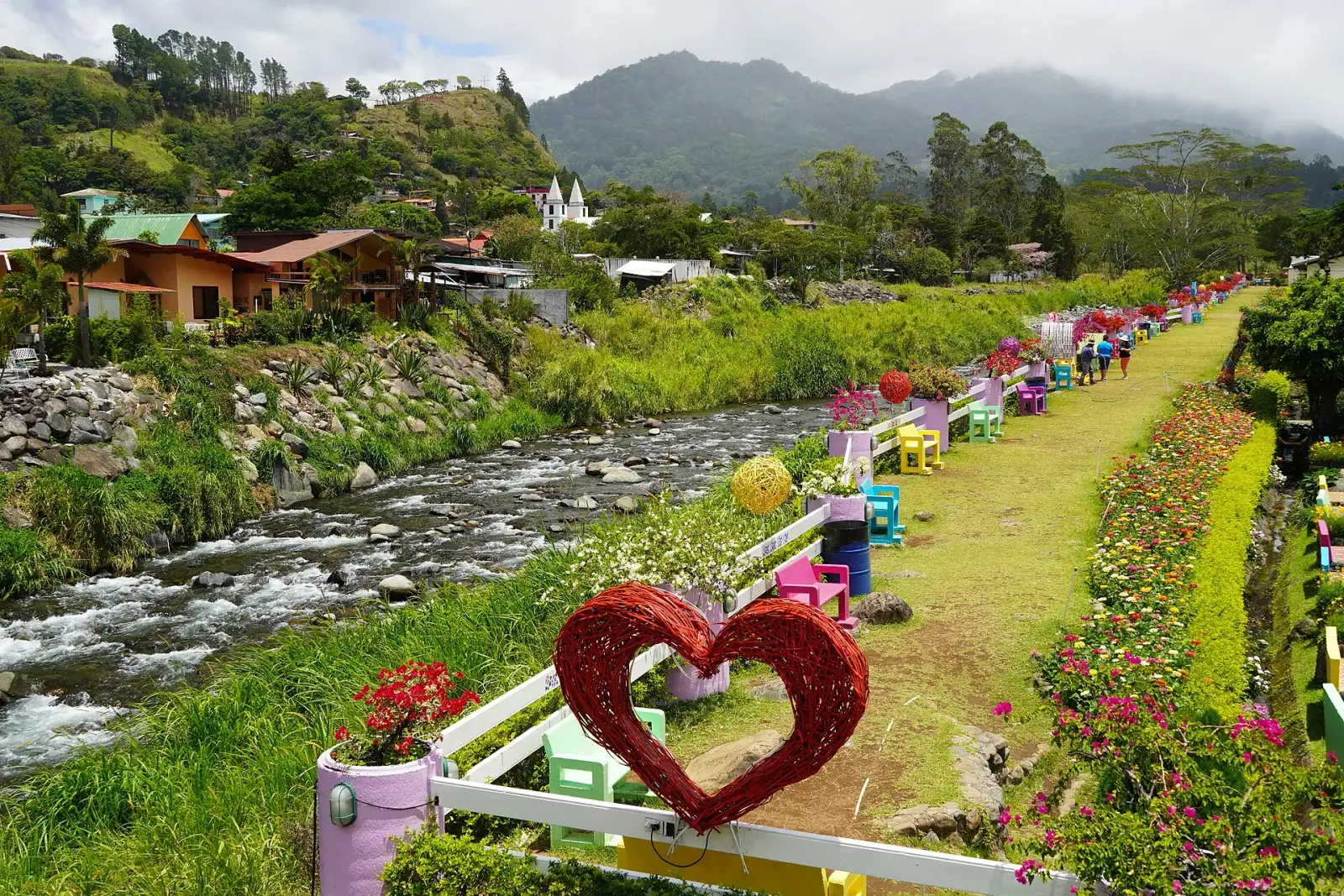
Boquete is one of Panama's pricier highland towns, driven by expat demand. Budget $1,200-1,320 per month for a comfortable solo nomad lifestyle. Here is a rough monthly breakdown:
- Rent, 1-bed downtown (Bajo Boquete): about $830 (the local currency is the balboa, pegged 1:1 to the USD)
- Rent, 1-bed outside downtown (Alto Boquete, Palmira): about $700
- Utilities (electricity, water, garbage): $55-80
- Home internet: $40-50
- Groceries (cooking most meals): $300-450
- Eating out (mix of cheap fondas at $3-5 and mid-range spots): $150-300
- Local taxis around town: $30-60
- Coworking hot-desk (Selina day pass): ~$10/day, or $150-200/month with a membership
- Total comfortable range: $1,200-1,320/month solo
Boquete costs noticeably more than Panama City suburbs or other Chiriqui towns. Expat-oriented restaurants and imported groceries push food costs up. If you cook locally and rent in Palmira or Alto Boquete, you can stay near the lower end of that range.
Where to Work
Dedicated coworking in Boquete is limited but functional. Selina Boquete is the main option, offering a proper coworking setup including private offices, a conference room, and a riverside location. Day passes run about $10. Speeds there are fast enough for simultaneous video calls, and backup generators keep things running during rainy-season outages.
DEKOBE COWORK at Plaza Los Senderos is a smaller alternative with hot desks from around $10/day and fixed hours (Monday to Friday, 8:30am to 7pm).
Boquete has no shortage of cafes, given it sits inside a major coffee-growing region. Buckle Tip Coffee Studio is a genuine remote work-friendly cafe open daily 8am-8pm with reliable specialty coffee. Altieri Specialty Coffee on the Los Naranjos farm is worth the trip for atmosphere, though connectivity is secondary there. Most town-center cafes offer WiFi suitable for email and light tasks. For video calls, stick to Selina or your accommodation.
The WiFi situation: fiber-optic service is available in most central areas, and well-equipped spots offer fast connections. The main risk is power outages during heavy rain from May through November. A SIM card on Claro or Digicel gives you solid 4G LTE backup.
Getting Around
Downtown Boquete (Bajo Boquete) is walkable. The main street, Avenida Central, runs about 10 minutes end-to-end, and most restaurants, shops, and the central park are within a 15-minute walk. Outlying areas like Alto Boquete, Jaramillo, and Palmira require wheels.
Local taxis are cheap: $1-3 for a town trip, $5-8 to outlying areas. There are no rideshare apps operating here. Yellow cabs line up at the main square and you just wave one down.
Local buses run along Avenida Central and out to surrounding roads for about $0.35-1. They are infrequent, so most nomads default to taxis.
The nearest airport is David's Enrique Malek International Airport (DAV), about 40-45 km away. A shared bus from David's terminal to Boquete costs $1.45 and runs roughly every 25 minutes from 5am to 9pm (journey time about 1 hour). A taxi from David airport to Boquete runs $35-45 via negotiation, or around $16-18 through Uber (which operates in David but not in Boquete itself). Panama City's Tocumen Airport (PTY) is a 5-7 hour bus or drive from Boquete, so most nomads fly into David.
Sorting transport? Book an airport transfer, or compare car rental on Auto Europe and QEEQ.
Visas and Staying Long-Term
US, Canadian, UK, and most EU passport holders enter Panama visa-free for up to 180 days. The entry stamp is generally issued for 90 days on arrival, with a 90-day extension possible at the immigration office in David.
Panama has a dedicated Digital Nomad Visa that allows a 9-month stay, extendable once to 18 months total. Requirements include proof of remote income of at least $36,000 per year, valid health insurance covering your full stay, and a government fee of around $250 plus $50 for the ID card. The visa does not authorize you to work for a Panamanian company.
Many nomads on shorter trips simply exit to Costa Rica (about 5 hours by bus) for a border run, then re-enter for another 90-day stamp, though this is technically at immigration officer discretion.
Best Time to Visit
Boquete sits at roughly 1,000-1,200 meters elevation, so temperatures are mild year-round: roughly 13-24 C (55-75 F). Unlike most of Panama, you will want a jacket in the evenings regardless of season.
The dry season runs mid-December through April. January through March is peak: clear mornings, full hiking conditions, and the famous Feria de las Flores y del Cafe in January. This is also the most crowded period and prices are at their highest.
The green season (May through November) brings daily afternoon rain, often heavy. September through November is the wettest stretch, with some risk of power outages. That said, mornings are usually clear, the hillsides turn vivid green, and tourist crowds thin out noticeably.
For remote work, the dry season (especially January through March) is the most reliable. If you want fewer crowds and lower rents, May or June offer a reasonable balance: some rain but not the heaviest months, and Boquete is noticeably quieter.
Pros and Cons
- Cool highland climate: no heat, no humidity, comfortable for sitting and working all day
- Large, active expat community with established social events, volunteer groups, and English widely spoken
- Exceptional nature access: cloud forests, Volcan Baru, coffee farm tours, and white-water rafting all nearby
- Low petty crime: considered one of the safer towns in Panama for foreigners
- Good healthcare access: English-speaking private doctors in town; David's hospital 45 minutes away
- Specialty coffee: some of the world's best coffee grown right here, at cafe prices
- Higher cost than expected: expat demand has pushed rents and groceries above the Panamanian average
- Limited coworking infrastructure: essentially one real coworking space (Selina) in town
- Power outages in rainy season can disrupt work without a backup plan
- Small town limitations: nightlife is minimal, cultural options are limited, and it can feel repetitive after a few months
- Getting anywhere takes effort: no airport in town, no rideshare, and Panama City is a full-day journey
- Expat bubble effect: some find the community self-contained and integration with local Panamanians limited
Who Boquete Is Best For
Boquete works well for nature-oriented nomads who want a break from hot coastal climates. If you spend your evenings hiking, exploring coffee farms, or cooking at home rather than hunting for nightlife, you will find the lifestyle here genuinely satisfying. The large English-speaking expat community means you can build a social life quickly without speaking Spanish, which lowers the barrier to entry considerably.
It suits nomads on longer stays who want a real routine: a regular cafe, a familiar doctor, a weekend trail. Retiree-focused amenities (good private healthcare, walkable center, calm pace) are a bonus if those matter to you.
Skip Boquete if you need a buzzing city, fast coworking infrastructure, or easy connections to regional business hubs. It also frustrates those who want genuine cultural immersion rather than an expat-anchored community. And if budget is tight, cheaper and similarly pleasant bases exist elsewhere in Panama. Panama City, Pedasi, or Las Tablas give you more urban amenities for a similar or lower spend.