Cost of Living in Tepoztlán
Where this figure comes from. No cost survey covers Tepoztlán, so the $900 a month above is our own estimate rather than a measurement. On 416 of our 999 city guides the figure is built from a published Numbeo basket, a one-bedroom rent in the centre plus one person's monthly costs without rent, converted to USD; this city is not one of them. How we source everything.
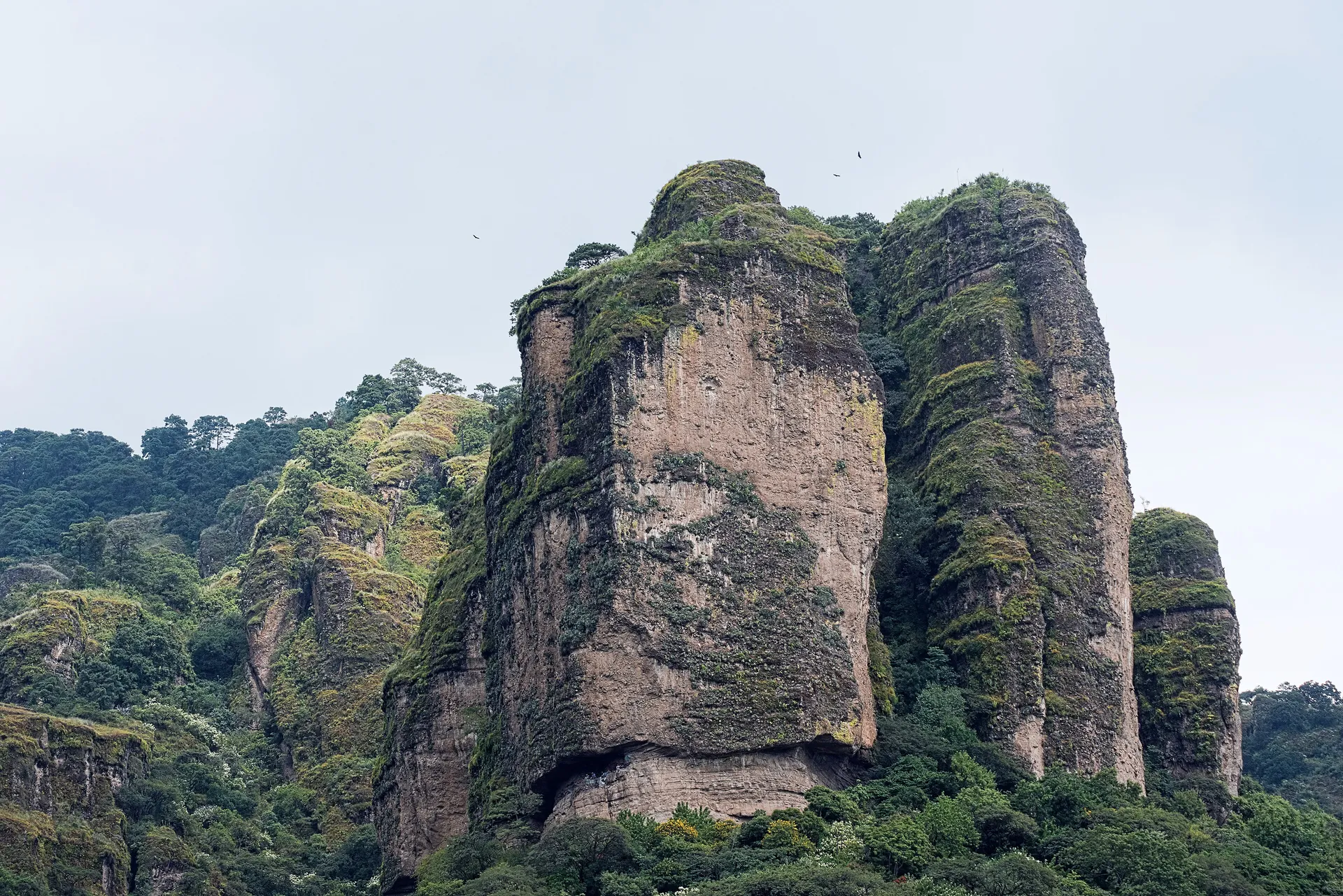
Tepoztlán sits in a comfortable middle ground: pricier than most of rural Morelos because of its Pueblo Magico status and weekend tourist traffic, but still far cheaper than Mexico City or the coastal nomad hubs. A single nomad can expect to spend roughly $900 a month living reasonably well, more if renting a house with a view of the Tepozteco cliffs. A one-bedroom apartment or casita in town starts around $520 monthly, and prices climb near the market and center, especially in listings aimed at weekenders from CDMX. Groceries at the local tianguis and small mercados are cheap, but imported goods and anything sold to tourists (juices, artisanal snacks, souvenir crafts) carry a markup. Everyday cocina economica meals cost $3.50 to $7, while the growing crop of vegetarian, vegan and wellness-focused restaurants charge closer to $8.50 to $17 a plate. Budget for occasional day trips to Cuernavaca or Mexico City for bigger grocery runs or errands, since Tepoztlán itself is small.
Where to Work in Tepoztlán
There is no dedicated coworking space with the polish of Mexico City or Playa del Carmen, so most remote workers piece together a routine from cafes, casa rentals with a home office nook, and the occasional wellness retreat that rents desk space by the day. A handful of cafes near the ex-convento and market square have reliable wifi and are comfortable for a few hours of focused work, though tables can be scarce on weekends when day-trippers flood in from the capital. Wifi in rented houses is generally serviceable for video calls and cloud work, depending on the provider and how far you are from the fiber lines that run through the center; outlying areas like Amatlan or the hillside streets can be noticeably slower or drop out during heavy rain. Many long-stay nomads simply work from home and treat cafes as a change of scenery rather than a primary office. If your work depends on rock-solid, low-latency connectivity, test the specific rental's wifi before committing to a long stay, and consider a backup mobile hotspot with Telcel, which tends to have the best coverage in town.
Getting Around Tepoztlán
The town center is compact and entirely walkable, though be prepared for steep, unevenly cobbled streets that make rolling suitcases and evening walks in the dark a minor workout. Most restaurants, cafes, the market, and the ex-convento are within a 10 to 15 minute walk of each other. For anything outside the core, or after dark, taxis are cheap and plentiful, usually $2.50 to $4.50 for a ride across town. Getting to Tepoztlán from Mexico City is straightforward: frequent buses run from the Taxquena terminal in CDMX, taking about 1.5 hours and costing roughly $5 to $7.50 one way, with departures every 30 to 40 minutes on weekends. Driving is another option and gives more flexibility for exploring Morelos, but parking in the center gets difficult on Saturdays and Sundays when the town fills with visitors. There is no airport in Tepoztlán itself; the nearest major airport is Mexico City International, about a 2-hour transfer including the bus or a direct taxi/rideshare.
Sorting transport? Book an airport transfer, or compare car rental on Auto Europe and QEEQ.
Visas for Tepoztlán
Most nomads from the US, Canada, the EU, and many other countries enter Mexico visa-free and receive a tourist permit (FMM) at the border or airport, typically valid up to 180 days, though the exact number of days is decided by the immigration officer and printed on your form. This is plenty of runway for a season in Tepoztlán and is the route most short-term visitors use. For longer stays, Mexico offers a temporary resident visa aimed at remote workers and those with steady income, applied for at a Mexican consulate in your home country before arrival; it typically requires proof of monthly income (around 2,700 USD or higher, figures vary by consulate) or sufficient savings, and grants one to four years of legal residency with multiple entries. There is no local nomad-specific visa tied to Tepoztlán or Morelos state, so all visa logistics run through the standard national Mexican immigration system (INM). If you plan to stay long-term, start the temporary residency paperwork with a consulate well before your trip, since it cannot easily be converted from tourist status once inside Mexico.
Best Time to Visit Tepoztlán
The dry season, roughly November through April, is the most pleasant stretch: clear skies, crisp mountain mornings, and comfortable hiking conditions on the trail up to El Tepozteco. Daytime temperatures at this elevation (around 1,700 meters) stay mild, generally 20 to 26 C, with cooler nights that make a light jacket useful year-round. The rainy season runs roughly May through October, bringing afternoon thunderstorms that can turn cobbled streets slick and occasionally muddy trails on the pyramid hike; mornings are often still clear, so plan hikes and outdoor time before early afternoon. Regardless of season, weekends (Friday evening through Sunday) draw heavy day-trip crowds from Mexico City, packing the market, restaurants, and the walk up to the pyramid; if you value quiet, plan your outdoor excursions and market visits for weekday mornings instead. One local festival outdoes any weekend crush. Carnaval fills the four days before Ash Wednesday, which in 2027 means 6 to 9 February, with comparsas of chinelos jumping through the plaza from about four each afternoon; it is spectacular, loud, and the one week when a quiet room near the centre is nearly impossible to find.
Pros and Cons of Tepoztlán
The pros are substantial: dramatic natural scenery with the Tepozteco cliffs as a constant backdrop, a walkable historic center anchored by the 16th-century Dominican ex-convento, a genuinely excellent weekend market for food and crafts, and an established wellness and spiritual-retreat culture that makes it easy to find yoga classes, temazcal ceremonies, and health-focused restaurants. It is close enough to Mexico City for weekend trips to museums or the airport, yet feels worlds apart in pace. The cons are equally real: it gets very crowded on weekends, with traffic, packed restaurants, and a noticeably different, more touristy atmosphere than during the week; wifi and connectivity, while workable, is not as fast or dependable as bigger nomad hubs; the steep cobbled streets are tiring and not accessibility-friendly; and Morelos as a state has had periodic organized-crime and safety concerns reported in surrounding areas, though Tepoztlán itself is generally calm and welcoming, most visitors report feeling safe day to day. It is still sensible to stay alert on isolated trails or roads at night, as you would anywhere.
Who Tepoztlán Is For
Tepoztlán suits nomads who want a slower, nature- and wellness-oriented base rather than a bustling digital-nomad hub with meetups and coworking cafes on every corner. It fits well for writers, designers, and anyone whose work does not depend on ultra-fast, guaranteed connectivity, especially those drawn to hiking, yoga, and a strong local spiritual or artistic community. It also works nicely as a weekday base for people who want easy weekend access to Mexico City's culture and flights while living somewhere calmer and greener during the week. It is a poor fit for anyone needing a large, active expat-nomad social scene, dependable high-speed wifi at all hours, or a completely quiet, tourist-free experience, since the weekend crowds are simply part of the deal. Hikers who plan to make the pyramid a weekly habit should know its hours. INAH opens the Tepozteco site only Wednesday to Sunday, from 9 to 4 with last entry at 3, at the top of a 2 km path that gains almost 600 metres, and holders of Mexican residency pay half the foreigner's ticket, which matters to anyone who climbs it every week of a long stay.