Cost of Living in San Cristóbal de las Casas
Where this figure comes from. No cost survey covers San Cristóbal de las Casas, so the $1,000 a month above is our own estimate rather than a measurement. On 416 of our 999 city guides the figure is built from a published Numbeo basket, a one-bedroom rent in the centre plus one person's monthly costs without rent, converted to USD; this city is not one of them. How we source everything.
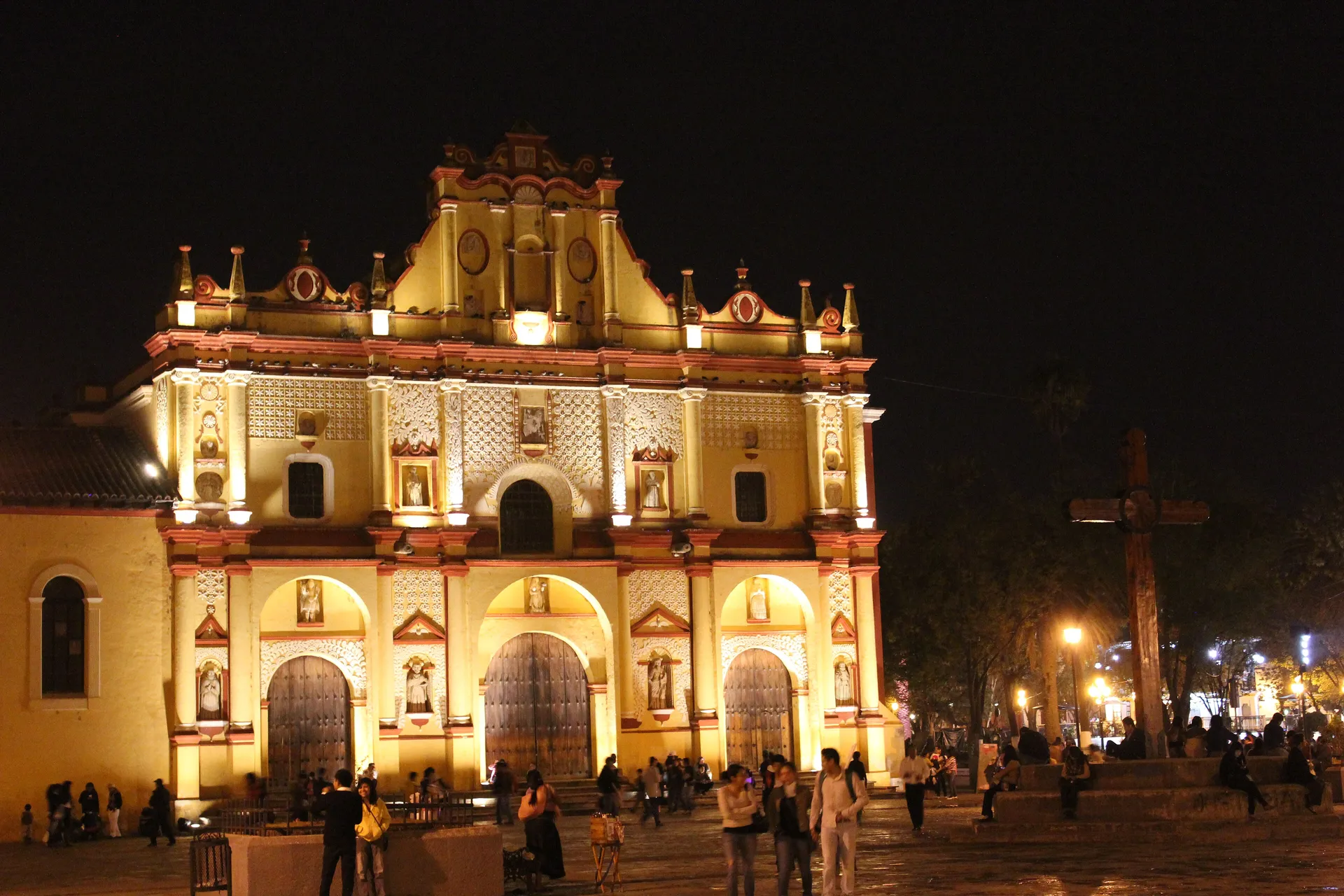
San Cristobal is affordable, cheaper than Mexico's beach hubs and a strong value for a cool-climate colonial town. A comfortable single-person budget runs roughly $900 to $1,400 a month. A furnished apartment in or near the historic centre costs about $350 to $650, and the town's excellent local food, from market comedores to taco stands, is cheap. Chiapas grows some of Mexico's best coffee, so good coffee is both easy to find and inexpensive. These are our editorial estimates in US dollars, and living a little outside the centre or eating local keeps a monthly budget comfortably low. A local cost here is really a local problem. Water supply in the town is intermittent in the dry months, and most buildings rely on a rooftop tank topped up by truck when the mains fail, which is a charge that lands on the tenant in many rentals; ask how the building is supplied before signing. The other thing nobody warns you about is warmth. At this elevation the nights are cold, almost no building has heating, and the honest answer is a thick duvet, a hot water bottle and an electric blanket rather than anything structural.
- Furnished apartment near the centre: roughly $350 to $650 a month
- Comida corrida (set lunch): roughly $3 to $6
- Colectivo to a nearby village: roughly $1 to $2
- Excellent local Chiapas coffee: a dollar or two
Where to Work in San Cristóbal de las Casas
San Cristobal has a small but real remote-work scene, buoyed by a steady traveller and expat presence. Home internet is reasonable, with fibre in many central buildings, though speeds trail the big cities. A handful of coworking spaces and an excellent cafe culture, fuelled by local coffee, give plenty of laptop-friendly options. A Telcel or AT&T SIM adds cheap mobile data. The cool highland climate makes for comfortable, focused working days, and the town's compact, walkable layout keeps home, cafe and coworking close together. The disruption to plan for here is not the connection but the road. Community and union blockades of the highways in this state are a recurring fact of life, occasionally closing the route to the airport for a day or more at short notice, so never book a flight that cannot be moved and leave a buffer before anything unmissable. Beyond that the setup is straightforward: the town runs on the same clock as most of North America, the days are cool enough to work without air conditioning, and the cafe coffee is genuinely worth the desk rent.
Getting Around San Cristóbal de las Casas
San Cristobal is highly walkable, a compact grid of cobbled colonial streets where the main sights, markets and pedestrian walkways are all within easy reach on foot. For longer trips, cheap colectivos and combis run to the surrounding indigenous villages such as San Juan Chamula and Zinacantan, and to the wider region. Taxis are inexpensive within town. The nearest airport is at Tuxtla Gutierrez, about an hour away by road down from the highlands, with connections to Mexico City and beyond. Day trips to the Sumidero Canyon and waterfalls like Agua Azul are popular and easy to arrange. A piece of etiquette matters more here than any transport tip. Photography is forbidden inside the church at the nearest indigenous village and taken extremely seriously, and people have had cameras confiscated and worse for ignoring it; go with a guide from the community and follow what you are told. On longer journeys, the overnight coaches north and west are the standard way to cover the distances, and the mountain roads out of here are winding enough that anyone prone to travel sickness should take something before boarding rather than after.
Sorting transport? Book an airport transfer, or compare car rental on Auto Europe and QEEQ.
Visas for San Cristóbal de las Casas
Most visitors enter Mexico as tourists, historically for up to 180 days, though immigration officers now set the exact length at the border and increasingly grant less than the full six months, so do not assume the maximum. For a longer, more secure stay, the Temporary Resident visa lets remote workers live in Mexico for one to four years and is applied for at a consulate abroad, usually requiring proof of income or savings. Officers now use more discretion at the border than they used to, and the entry permit is needed again on the way out, so keep it safe. Something specific to this corner of the country: Guatemala is near enough that a land crossing is a realistic way in or out, and it comes with its own rules. Arriving overland you pay the tourist fee separately rather than having it bundled into an airfare, and unofficial charges at these crossings are common enough that it is worth knowing the official amount in advance. Keep whatever slip you are issued. Leaving the country without it, or with an expired one, turns a five-minute exit into a long conversation at a desk.
Best Time to Visit San Cristóbal de las Casas
San Cristobal sits at over 2,000 metres in the Chiapas highlands, giving it a cool, spring-like climate very different from Mexico's coasts. Days are mild and pleasant year-round, but evenings and nights are genuinely cold, so warm clothing is essential whenever you visit. The dry season from November to April brings the most reliable sunshine and is the best time overall, though it also covers the cool winter months. The rainy season from May to October delivers warm mornings and heavy afternoon showers that green the surrounding hills. Pack layers regardless of season. The local calendar has two moments that stand out. The indigenous communities around the town hold their own carnival before Lent, an event with nothing touristic about it and a good deal that is hard to interpret without a guide. The spring fair around Easter then takes over the town for a week with parades and fairground rides, which is either the best week you will have here or a reason to be elsewhere, depending on temperament. Outside those, the quietest and clearest working month is usually the one just after the rains stop.
Pros and Cons of San Cristóbal de las Casas
San Cristobal pairs colonial and indigenous beauty with a cool climate and a genuine, if small, nomad scene. There is a political texture here that belongs in any honest description, and it is part of living in the town rather than a footnote. This is the town at the centre of the Zapatista uprising of 1994, the movement is still present in the surrounding highlands, and the murals, the bookshops and the cooperatives are not decoration. Alongside that sits a long history of the indigenous majority being governed by a settler-descended minority, which is visible in who owns the shops on the main street and who sells textiles outside them. None of this makes the town unsafe or unwelcoming, and most visitors pass through without noticing any of it, but a person living here for months will notice, and the place is far more interesting once you do. Come curious rather than only for the climate.
- Pros: a gorgeous, walkable colonial centre, rich indigenous Maya culture, a cool highland climate, superb local coffee and food, low costs, striking nearby nature, and a small but real community of nomads and travellers.
- Cons: limited English, cold nights that surprise many, a rainy season with daily downpours, internet that trails bigger cities, and a location in a region with occasional political tensions and road blockades to be aware of.
Who San Cristóbal de las Casas Is For
San Cristobal is for the culture-and-nature nomad who loves cool mountain air, colonial charm and deep indigenous heritage over beaches and heat. Coffee lovers, artists, writers and anyone drawn to markets, textiles and highland scenery will feel at home, and the small nomad scene means you can find community without the crowds of the big hubs. It suits travellers happy to lean on some Spanish and to pack a warm layer for the evenings. It is a weaker fit for beach-seekers, those needing flawless internet, or anyone wanting a large, high-energy scene. Base yourself near the centre and let Chiapas work its quiet magic. A practical note on the shape of a stay. Three months is the sweet spot: long enough for the small community to stop being strangers, and not so long that the town has begun to feel small. Most people who try a year report that month eight is when they begin looking at flights. Take a language course in the first fortnight even if you already speak some, because the schools here are cheap and good and they are also the fastest way to meet the other people doing exactly what you are doing.