Cost of Living in Antigua Guatemala
Where this figure comes from. No cost survey covers Antigua, so the $1,800 a month above is our own estimate rather than a measurement. On 416 of our 999 city guides the figure is built from a published Numbeo basket, a one-bedroom rent in the centre plus one person's monthly costs without rent, converted to USD; this city is not one of them. How we source everything.
Antigua is genuinely affordable, but not as cheap as many nomads expect once you factor in the colonial centro premium. Here is a realistic monthly breakdown for 2025-2026, in US dollars.
- Rent, central historic district: $500-810 for a furnished studio or one-bedroom. Colonial courtyard apartments hit $1,000-1,800.
- Rent, cheaper areas (Jocotenango, San Pedro Las Huertas): $280-560. A 10-15 minute tuk-tuk ride buys you 35-45% in savings.
- Groceries: $120-200 per month shopping at local markets and supermarkets. Imported goods push this higher.
- Eating out: A set lunch plate at a comedor (comida corriente) costs $2.50-4. A sit-down mid-range dinner runs $10-20 per person.
- Coworking hot-desk: $79-160 per month for a full membership; day passes are $6.50-13.
- Local transport: Tuk-tuks around the centro cost $1.50-2.50 per ride. The city is small and mostly walkable.
- Total realistic range: Budget nomad on shared accommodation: $800-1,100/month. Comfortable solo with a private apartment and occasional restaurants: about $1,800/month.
Prices rise 20-30% during peak season (November through March), especially for short-term rentals. Sign a longer lease if you plan to stay.
Where to Work
Antigua has two solid dedicated coworking spaces. El Cubo Center in Ciudad Vieja (about 10-15 minutes from the centro) is the best option for serious remote work: ergonomic chairs, fiber internet, a rooftop with volcano views, and backup generators for the occasional power cut. Day passes run $12.90, monthly unlimited $162.50. Impact Hub sits in the city center and is more affordable at $8/day or $115/month, with an outdoor patio. Both provide free coffee.
Cafe culture is strong and genuinely laptop-friendly. La Vid Coffee Roasters offers a spacious open layout with charging plugs and stable wifi. Fat Cat Coffee House near the cathedral is quiet with reliable connectivity. Artista de Cafe has fast wifi and comfortable seating but fills early. Siena Luz near the Arch has a laid-back atmosphere and a stable connection.
The real wifi situation: most good cafes and coworking spaces have fiber from Tigo or Claro. Street-level or budget accommodation internet can be patchy, so do not assume your guesthouse connection will carry you. If you work from home, budget $31-46 per month for your own fiber line.
Getting Around
Antigua's historic center is compact and entirely walkable. You can cross the city on foot in under 20 minutes. For anything outside the cobblestone grid, tuk-tuks are the default local transport: flag one down anywhere for $1.50-2.50 per trip. Negotiate the fare before you get in.
There is no reliable local bus service within the city itself. Chicken buses (repurposed US school buses) connect Antigua to Guatemala City and surrounding towns cheaply but are slow and crowded.
Getting to and from La Aurora International Airport in Guatemala City: shared shuttle vans are the standard nomad choice. They cost around $20 per person and run multiple departures daily (roughly 6am, 9:30am, 11am, 1:30pm, 4:30pm, 7:30pm). The journey takes 45-90 minutes depending on traffic. Book through your guesthouse or operators like Roneey Shuttle or Gekko Explorer. Private taxis charge $40-50. Uber operates at the airport and can be cheaper if surge pricing is not active, but rush hour (6-10am and 4-6pm) regularly doubles prices.
Sorting transport? Book an airport transfer, or compare car rental on Auto Europe and QEEQ.
Visas and Staying Long-Term
Citizens of most Western countries, including the US, Canada, EU member states, the UK, and Australia, enter Guatemala visa-free for 90 days. Guatemala participates in the CA-4 agreement with El Salvador, Honduras, and Nicaragua: your 90-day clock runs across all four countries combined, not just Guatemala. A quick border hop to Mexico resets the clock.
You can extend your stay once, for an additional 90 days (180 days total), by visiting the Direccion General de Migracion in Guatemala City before your initial stamp expires. Bring your passport, a completed extension form (download it ahead of time), and a small fee. Lines are long; arrive early.
Guatemala introduced a remote worker visa in 2025 that allows foreigners employed by foreign companies to reside legally in the country while working remotely. Requirements and processing details are still being clarified.
Best Time to Visit
Antigua sits at 1,530 meters (5,020 feet) elevation, which keeps temperatures mild year-round. Daytime highs stay between 22-27°C (72-81°F). Nights can be cool, especially December through February, when temperatures dip to 12-15°C (53-59°F). Pack a layer.
The dry season runs November through April: clear skies, excellent volcano views, and ideal conditions for hiking Acatenango or Pacaya. January and February are peak months for weather quality. This is also high tourist season, so accommodation is pricier and the streets are busier.
The rainy season (May through October) brings afternoon showers, usually lasting one to three hours. Mornings are typically clear. The city turns intensely green, crowds thin out, and prices drop. For remote work purposes, the rainy season is fine: you are indoors during the afternoon rain anyway. The sweet spot for balancing weather, crowd levels, and value is late January through March (dry and post-holiday) or October through early November (end of rainy season, before the tourist rush).
Pros and Cons
- Pros:
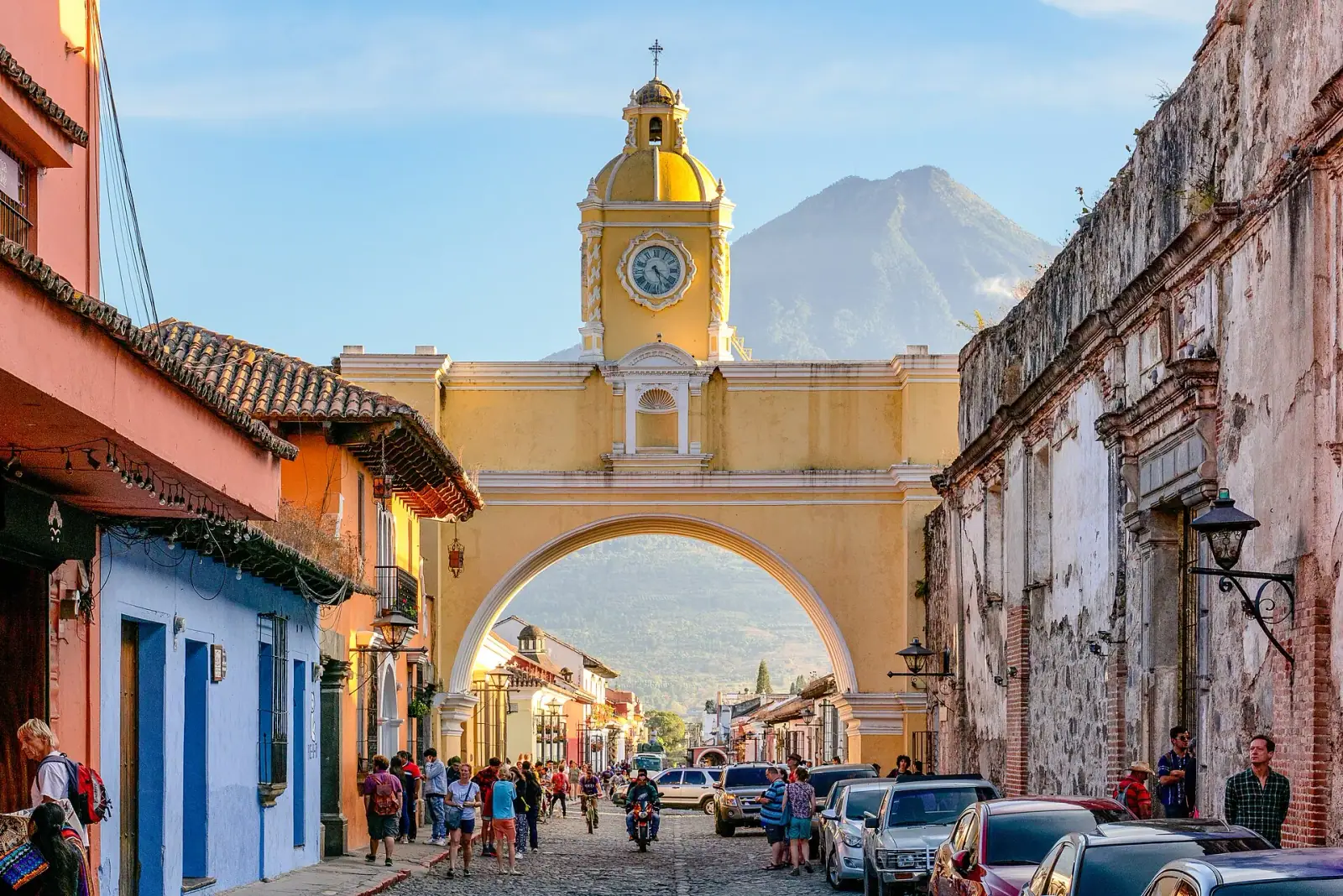
- Genuinely beautiful, walkable, UNESCO-listed colonial city
- Low cost of living relative to quality of life
- Good and growing coworking infrastructure
- Mild spring-like climate year-round
- Strong cafe culture with laptop-friendly spaces
- Close to volcanoes, Lake Atitlan, and other day trips
- Active expat and nomad community, easy to meet people
- Excellent food scene, from street comedores to serious restaurants
- Cons:
- Cobblestone streets are rough on luggage and tough for cyclists
- Power outages occur, especially during rainy season storms
- Peak-season crowds (Semana Santa is genuinely overwhelming)
- Limited coworking options outside two main spaces
- Guatemala City airport is 45-90 minutes away through heavy traffic
- Some areas outside the tourist center require more caution at night
- Spanish is essential; English gets you through tourist zones but not much further
Who Antigua Guatemala Is Best For
Antigua works best for nomads who want Latin American affordability paired with a genuinely livable, attractive city. If you appreciate colonial architecture, good coffee, a cafe-work culture, and easy access to outdoor adventures on weekends, Antigua punches well above its price point. It is a strong pick for people spending weeks or months in Central America rather than those passing through for a week.
It suits slow travelers who do not need a massive coworking scene, people learning Spanish (the city has dozens of language schools), and anyone who values aesthetics and atmosphere in their daily environment. The food scene has improved dramatically in recent years and now ranges from $3.50 street food to internationally recognized tasting menus.
Skip Antigua if you need enterprise-grade coworking infrastructure, a big tech community, or fast domestic onward connections. It is also not ideal if you need a beach within walking distance or prefer flat, bike-friendly cities. The cobblestones and altitude can frustrate nomads who want to cycle everywhere. And if you plan to visit during Semana Santa (Holy Week before Easter), book accommodation months in advance or simply plan around it.