Cost of Living in Popayán
Where this figure comes from. No cost survey covers Popayán, so the $900 a month above is our own estimate rather than a measurement. On 416 of our 999 city guides the figure is built from a published Numbeo basket, a one-bedroom rent in the centre plus one person's monthly costs without rent, converted to USD; this city is not one of them. How we source everything.
Popayán is one of the more affordable bases in Colombia, noticeably cheaper than Bogota or Medellin, so a comfortable monthly budget of roughly $800 to $1,100 goes a long way here. The figures below are editorial estimates rather than fixed prices, and your total will swing with your rent, how often you eat out, and whether you cook at home. A student town keeps costs sensible: local markets are cheap, set-menu lunches (the menu del dia) are excellent value, and neighbourhood cafes are kind to a freelance wallet. Imported goods and Western brands cost more, and short-stay furnished flats carry a premium over longer local leases. A regional fact belongs in a budget here. This is the southern edge of the coffee country, and the department around the city has a long-running security situation that is genuinely rural rather than urban, which keeps prices low, keeps tourism thin and keeps the city itself quiet and ordinary in a way that a place this beautiful further north would not be. That is the honest explanation for the value. Practically, the informal rental market is where the cheap flats are, deposits are a month and contracts are often verbal, and a place found by asking around the university costs meaningfully less than anything advertised in English.
- Rent, one-bedroom flat: roughly $250 to $450 per month depending on area and how furnished it is
- Set-menu lunch (menu del dia): roughly $3 to $5
- Monthly transport and taxis: roughly $25 to $50 for typical city use
- Fast home internet and mobile SIM data: roughly $25 to $45 per month combined
Where to Work in Popayán
Internet in the city itself is decent, and fibre reaches many flats and cafes in and around the historic centre, which is enough for calls and everyday remote work, though it can wobble in older buildings. The dedicated coworking scene is small, so most nomads mix a home-office setup with a rotation of cafes, where the student-town energy keeps places lively and laptop-friendly through the day. Grab a local SIM from Claro, Movistar, or Tigo on arrival for reliable mobile data and a tethering backup, and bring your passport for registration. It is worth carrying a power bank and testing a cafe's connection before settling in for a long session. Beyond the connection, two things shape a working day. The altitude is around seventeen hundred metres, high enough that the first few days feel slower and low enough that nothing worse happens, and the climate it produces needs neither air conditioning nor heating and hardly shifts between January and July, which is a quietly enormous advantage over almost anywhere else in the tropics. And the clock here sits level with the eastern United States for half the year, so North American work is straightforward and a European call is an early start.
Getting Around Popayán
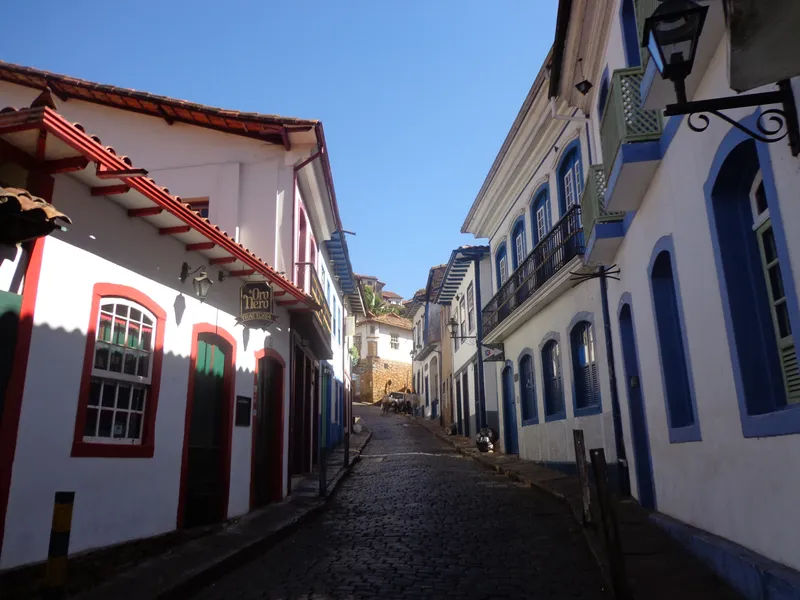
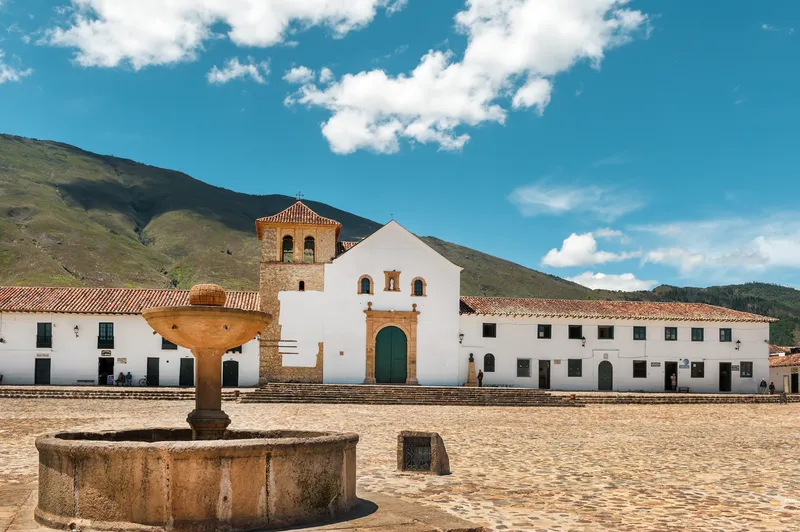
The whitewashed colonial centre is compact and genuinely walkable, so most of your daily life can be done on foot among the churches, plazas, and cafes of the Ciudad Blanca. City buses cover longer trips and outlying neighbourhoods cheaply, while taxis and ride apps fill the gaps and are handy after dark. Guillermo Leon Valencia Airport (PPN) sits close to town and mainly connects to Bogota, so most international routes involve a hop through the capital. For a wider network, frequent intercity buses run to Cali in about two and a half hours, opening up onward flights and coast connections across the country. Leaving town comes with two practical points. The main road north to the bigger city is the only real artery and it closes from time to time for landslides and for protests, which are a recognised part of political life in this region rather than an emergency; when it happens, nothing moves for a day and everyone waits. Build slack into anything with a flight at the end. And the road south toward the border climbs high and crosses country that government advice treats quite separately from the city, so read the current wording rather than taking the department as one place.
Sorting transport? Book an airport transfer, or compare car rental on Auto Europe and QEEQ.
Visas for Popayán
Most visitors arrive on Colombia's tourist entry, commonly granted for up to 90 days and often extendable to a maximum of 180 days in a calendar year, which suits a medium stay in Popayán. Remote workers who want to settle for longer should look at the digital nomad visa (the Visa V), designed for people earning from a foreign employer or clients while based in Colombia. You cannot take local employment on a tourist entry, so keep your income sources abroad unless you hold the right visa. That allowance has two mechanics worth knowing. The first is that a tourist entry forbids local work of any kind, and the distinction that matters is where the client is rather than where you are sitting, which is why the wording about foreign employers in the nomad visa is not decoration. The second is that extensions have moved to an online process rather than a counter, which is a genuine improvement, but the office issuing the identity card for longer grants is in a bigger city, so any stay past three months has a day of travel built into it.
Best Time to Visit Popayán
Thanks to its high Andean setting at around 1,700 metres, Popayán enjoys a mild, spring-like climate all year, so there is no bad season and temperatures hover pleasantly in the high teens to low twenties Celsius. Rain is possible in any month, but the drier spells tend to fall roughly around December to February and again July to August, which are comfortable windows for exploring and day trips. The headline event is Semana Santa, the Holy Week processions in March or April that UNESCO recognises as intangible cultural heritage: atmospheric and unforgettable, but the city fills up and accommodation gets tight, so book well ahead if you plan to be here then. Be specific about that Holy Week, because it is the single fact that shapes a year here. The processions run nightly for most of a week, thousands of people carry the platforms through the streets in a tradition several centuries old, and the city receives more visitors in those days than in much of the rest of the year. Accommodation is booked months ahead and priced accordingly. It is genuinely worth arranging a stay around, and it is equally worth avoiding if you intend to work. The other local event is a gastronomy congress in the autumn, which is smaller and easier to be around.
Pros and Cons of Popayán
- Pro: very affordable, with a low cost of living compared with Bogota and Medellin
- Pro: outstanding food as a UNESCO Creative City of Gastronomy
- Pro: mild spring-like highland climate all year
- Pro: beautiful, walkable, authentic colonial centre with rich culture and few tourists
- Pro: near nature such as Purace National Park and the Coconuco hot springs
- Con: small nomad scene and limited dedicated coworking
- Con: limited English, so basic Spanish helps a lot
- Con: air links mostly route through Bogota
- Con: quieter nightlife and no beaches
- Con: the wider Cauca region has had rural security issues, so stick to the city and established routes
Who Popayán Is For
Popayán suits a nomad looking for an affordable, authentic, mild-climate colonial base in Colombia, one with genuinely great food, a beautiful white historic centre, and refreshingly few tourists. It rewards people who are comfortable getting by with limited English, who enjoy a small nomad scene over a big expat hub, and who are happy to take normal safety precautions and keep to the city and established routes given the wider Cauca region's rural security concerns. It is less of a fit if you want beaches, a buzzing nightlife, or a large ready-made community of remote workers, all of which are easier to find in Medellin, Cali, or on the Caribbean coast. A practical shape: give it three months first, and the city is comfortable enough that most people extend. Take a flat in the newer neighbourhoods rather than the white centre, which is beautiful, loud on a weekend and priced for visitors. Anyone here for the food should know the city holds a formal designation for its cuisine and that the small restaurants around the market are where that actually lives rather than the ones on the plaza. And stick to the town and the established routes out of it; the guidance about the wider department is not boilerplate and locals follow it too.