Cost of Living in Bangkok
Real market data
Source: Numbeo · August 2026
$1,150/moSolo nomad1-bed centre + living costs
$1,510/moCoupleshared 1-bed + costs
$800/moLean / localcheaper area + costs
- 1-bed rent, city centre$700฿23,440
- 1-bed rent, outside centre$350฿11,789
- Monthly costs excl. rent (1 person)$450฿14,997
- Meal, inexpensive restaurant$3฿100
- Monthly transit pass$35฿1,178
- Buy price, per m² (centre)$6,100฿203,998
Prices are from Numbeo (August 2026), converted to USD at $1 = ฿33.45 (01 Aug 2026). The monthly living-costs figure is our transparent one-person basket, groceries, a few meals out, utilities, phone, internet, transport and essentials, priced from those figures. Solo adds central rent; couple and lean are estimates from the same numbers. The guide below quotes its own monthly range, which is a different measurement rather than a competing one: this table prices a defined basket at the figures above, while that range is a judgement about how somebody actually lives here.
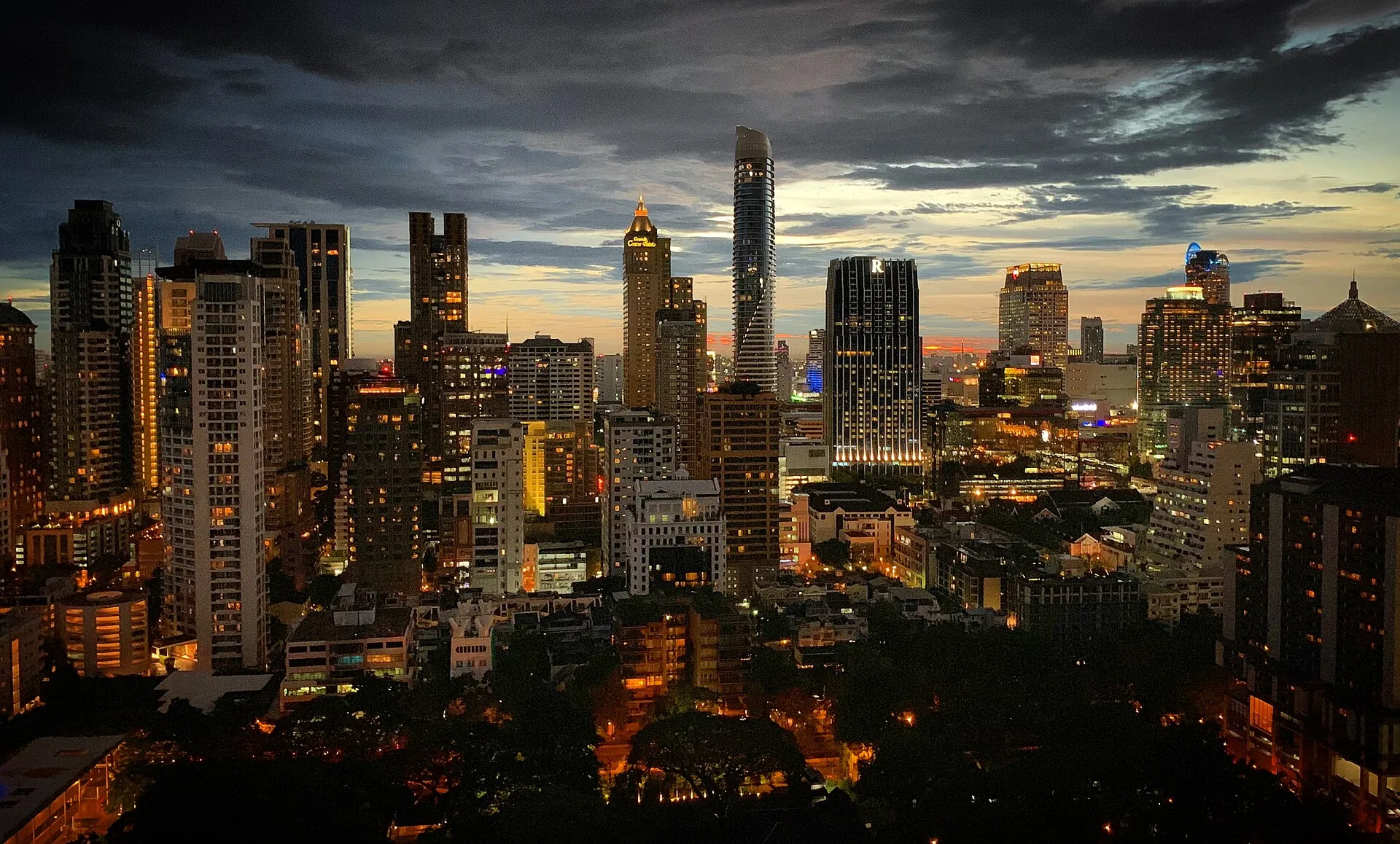
Bangkok sits at the affordable end of major Asian capitals, though costs creep up quickly if you gravitate toward the central Sukhumvit corridor. Here is a realistic monthly breakdown for a solo nomad in 2025-2026.
- Rent, central (Sukhumvit, Silom, Sathorn): $540-1,050 for a decent studio or one-bedroom condo with a pool and gym
- Rent, cheaper areas (On Nut, Phra Ram 9, Ari, Lat Phrao): $300-480 for a clean, modern studio near an MRT or BTS stop
- Groceries (cooking some meals at home): $90-150 per month
- Eating out (mix of street food and sit-down restaurants): $180-360 per month; a street meal costs $1.50-3, a mid-range restaurant $6-15
- Coworking hot-desk: $90-180 per month for a fixed membership; day passes run $9-15
- Local transport (BTS/MRT rabbit card, occasional Grab): $45-90 per month
- Total realistic range: $1,350-2,390 per month for a comfortable nomad lifestyle; budget-conscious travelers can get by on $1,050 by living outside the center and eating mostly street food
Healthcare is another draw. World-class private hospitals like Bumrungrad and Samitivej charge a fraction of Western rates, and many nomads pay out of pocket for routine visits ($15-45 per consultation).
Where to Work
Bangkok has a mature coworking ecosystem. The Hive Thonglor occupies seven floors with a rooftop garden and a bar, making it one of the most atmospheric places to spend a full day. Glowfish in Asoke suits the solo-professional type with private desks and a gym on site. JustCo at Samyan Mitrtown is polished and transit-connected. For zero-cost work, the C Asean CO-OP inside Samyan Mitrtown mall is open 24 hours, has reliable wifi, and costs nothing beyond whatever you buy to eat.
Cafe culture in Bangkok is genuinely laptop-friendly. Most specialty coffee shops welcome long stays as long as you order periodically. Popular work cafes have fast connections, and fiber is the norm at any coworking space. The main risk with cafes is noise: open-air spots on busy sois can get loud during peak hours. Dedicated coworking remains the safer choice for calls and focus work.
Getting Around
The BTS Skytrain and MRT cover the main areas nomads care about: Sukhumvit, Silom, Sathorn and Chatuchak. A single BTS ride costs $0.50-2 depending on distance. The two systems connect at a handful of interchange stations, which makes cross-city travel straightforward once you know the map.
Walkability is limited outside the immediate blocks around a station. Heat, uneven pavements, and a near-total absence of shade make long walks uncomfortable for most of the year. Grab (the regional ride-hailing app) fills the gap reliably and cheaply: most short rides in the city run $2-3.50.
For the airport, the Suvarnabhumi Airport Rail Link connects to Phaya Thai BTS station in about 30 minutes for $1.35. It is the fastest and cheapest option. Taxis from the airport cost roughly $9-12 plus expressway tolls; metered taxis are the standard. Note that all foreign arrivals must complete the Thailand Digital Arrival Card (TDAC) online before arrival, replacing the old paper form; it is free.
Sorting transport? Book an airport transfer, or compare car rental on Auto Europe and QEEQ.
Visas and Staying Long-Term
Most Western passport holders receive 30 days visa-free on arrival from 15 September 2026. The cabinet approved the cut from 60 days in May 2026 and the regulations were published in the Royal Gazette on 31 August; anyone who entered before the switch keeps the stay they were granted. Importantly, Thailand limits visa-exempt entries over land borders to two per calendar year, meaning repeated border runs to reset your stay are no longer straightforward.
For longer stays, the Destination Thailand Visa (DTV), launched July 2024, is the practical option for remote workers. It is a 5-year multiple-entry visa granting up to 180 days per entry, extendable once for another 180 days per visit. The visa fee is about $300. You must show bank statements for the last three months ending with a balance of at least $14,950. The DTV covers remote workers employed by non-Thai companies and freelancers.
The Long-Term Resident (LTR) Visa offers a 10-year option with potential work permit and tax perks, but it has higher income and asset thresholds and more complexity than the DTV.
Best Time to Visit
Bangkok has three seasons. The cool, dry season (November to February) is the most comfortable for being outside, with temperatures around 25-30°C (77-86°F) and lower humidity. It is also peak tourist season, so accommodation costs are higher and popular areas are busier. March to May is scorching, regularly hitting 35-40°C (95-104°F), and is the most grueling period to spend significant time outdoors. The rainy season (June to October) brings daily downpours, usually in the afternoon, which cool things down briefly but rarely disrupt a full workday. Rain also cleans the air and keeps prices lower.
Air quality is a genuine concern. Bangkok's worst pollution typically falls between December and March, exacerbated by agricultural burning in the north. If air quality affects your health or comfort, the rainy season months from June through October are the cleanest period to be in the city. For a balance of weather, productivity, and clean air, November or June through September are the best windows.
Pros and Cons
- Excellent value: high quality of life at a fraction of Western costs
- Fast, reliable internet: fiber infrastructure is widespread and coworking options are plentiful
- Outstanding food scene: from $2 street meals to world-ranked fine dining
- Great transport network: BTS and MRT make getting around the core city easy
- Medical care: world-class hospitals at accessible prices
- Large nomad and expat community: easy to find coworking peers and social events
- Air pollution: PM2.5 levels are genuinely harmful in the dry season, especially early in the year
- Heat and humidity: spending time outdoors is exhausting for most of the year
- Visa constraints: no longer easy to extend stays indefinitely through border runs; DTV requires a significant bank balance
- Traffic and walkability: outside BTS or MRT zones, getting around can be slow and uncomfortable
- Noise and crowds: central areas are loud; some find the relentless stimulation tiring over months
Who Bangkok Is Best For
Bangkok suits nomads who want a high-quality, full-featured city at a price point well below comparable options in Europe or North America. If you value great food, a real city feel, fast internet, easy social connections, and strong infrastructure, Bangkok delivers on all of them. It works especially well for those who can manage some of the DTV financial requirements and want a multi-month Asia base with flights connecting easily across the continent.
You should think twice if you are sensitive to air pollution or struggle in persistent heat, as neither problem has an easy fix beyond staying indoors. Bangkok is also a poor fit if you need extended visa-free access without significant financial proof: the two-entry-per-year limit and DTV bank balance requirement make it harder to drift in and out casually the way many nomads once did.