Cost of Living in Taichung
Where this figure comes from. No cost survey covers Taichung, so the $1,350 a month above is our own estimate rather than a measurement. On 416 of our 999 city guides the figure is built from a published Numbeo basket, a one-bedroom rent in the centre plus one person's monthly costs without rent, converted to USD; this city is not one of them. How we source everything.
Budget roughly $1,350 a month as a solo remote worker in Taichung, which is meaningfully cheaper than Taipei for a similar standard of urban life. A one-bedroom apartment in the West District or near the Calligraphy Greenway runs about $450 to $650, with the newer Xitun and Nantun districts around the National Taichung Theater costing more and older areas near the railway station considerably less. Groceries land around $300 to $380, though Taiwan's night markets make cooking almost optional. A bowl of beef noodles is $4, a night market dinner $6 to $9, a proper restaurant meal $18 to $28, and bubble tea, which was invented here, about $2. A monthly transit pass is roughly $25. Utilities add $60 to $130, with summer air conditioning dominating.
Where to Work in Taichung
Taichung has a healthy coworking scene, concentrated in the West District and Xitun, with desks at roughly $130 to $220 a month and a membership that skews towards Taiwanese startups and designers. The city's real advantage is its cafe density: Taichung takes coffee seriously, and the streets around the Calligraphy Greenway and Shen Ji New Village have an unusual concentration of independent roasters that are entirely comfortable with long laptop sessions. Taiwanese internet is fast, cheap and reliable, both fixed-line and mobile, and public wifi is widespread. English is limited in daily life but common enough in the coworking and startup world, and Taiwanese patience with foreigners attempting Mandarin is considerable. The industrial base around this city is one of the densest concentrations of machine tool and precision component makers anywhere, and the world's largest bicycle manufacturer is headquartered here as well, which is why the trade fairs pull buyers from everywhere and why a hardware startup finds suppliers within an hour. That is a genuinely rare thing for a remote worker to have nearby. The factories sit in the districts around the city rather than in it, so none of it is visible from a cafe.
Getting Around Taichung
Taichung opened its first MRT line in 2021, running north to south through the newer western districts, and it is useful if you live along it and largely irrelevant if you do not. The bus network is extensive and the first ten kilometres of any journey are free with an EasyCard, which is an unusually generous arrangement and the way most residents travel. The city is flat and scooter culture is universal: renting one is the standard solution and transforms daily life. The High Speed Rail station puts Taipei at under an hour and Kaohsiung at 50 minutes, which makes Taichung a genuinely central base. Taichung airport has regional flights; Taoyuan international is about two hours by HSR and shuttle. The fast rail station is not in the city at all but out to the southwest, joined to the centre by the metro line and by shuttle buses, and allowing for that leg is the difference between catching a train and missing one. A foreign licence does not cover a scooter beyond a short grace period, and converting one is a paperwork exercise most long-stayers put off for far too long. The mountain road east climbs to over three thousand metres in a single morning.
Sorting transport? Book an airport transfer, or compare car rental on Auto Europe and QEEQ.
Visas for Taichung
Taiwan grants visa-free entry to most Western passports, typically 90 days for EU, UK, Canadian, Australian and US citizens, and the stay is not extendable, except that British and Canadian holders may apply to stretch it to 180 days. Taiwan launched the Employment Gold Card, a combined work permit, residence visa and re-entry permit valid for one to three years, aimed at qualified professionals across a defined list of fields including technology, finance, education and the arts. It does not require a local employer, which makes it one of the better options in Asia for a self-employed remote worker who qualifies. Applications are made online and processed centrally, and successful holders gain access to Taiwan's excellent national health insurance after six months. For the British and Canadian passports that qualify, the extension is applied for at an immigration office before the original 90 days run out rather than after, and turning up on the last day is how people end up leaving instead. A holder of the open work card can bring a spouse who then gets work rights of their own, which is unusual and makes the scheme far better for couples than the income threshold alone suggests. Two separate agencies review the application one after the other, which is why the wait is counted in months.
Best Time to Visit Taichung
October to April is the comfortable half of the year in Taichung, and the city has a real advantage over Taipei here: it sits in the central plain and gets substantially more sunshine and less rain than the north. Autumn, October and November, is close to ideal, with warm dry days and comfortable nights. Winter is mild, rarely below 12 degrees, and is the season most residents prefer. Spring is pleasant into April. Summer, June to September, is hot and humid, into the mid thirties with high humidity, and is also typhoon season, when storms can close the city for a day or two at a time. The plum rains in May and June bring sustained heavy rainfall. The Mazu pilgrimage that sets out from a temple on this coast each spring is one of the largest religious processions anywhere, nine days and a few hundred kilometres on foot, with hundreds of thousands walking part of it and food handed out along the whole route by the people who live on it. It closes roads across the region and is worth arranging a week around. Ghost month in the seventh lunar month changes what people will and will not do, including signing a lease.
Pros and Cons of Taichung
Taichung is widely considered Taiwan's most liveable city, and the case is strong: better weather than Taipei, lower rents, a flat and scooter-friendly layout, an outstanding food culture, first-class internet and healthcare, and the High Speed Rail putting the whole island within ninety minutes. Taiwan is safe to a degree that surprises most arrivals. Air quality in the central plain is a genuine problem, particularly in winter when it is often the worst air in the whole country. English is limited outside professional circles. The city sprawls and lacks a single obvious centre. The international community is small compared with Taipei, and Taiwan's geopolitical position is a consideration some people weigh heavily.
Who Taichung Is For
Asia with excellent infrastructure, genuine safety and world-class food, at a cost well below Tokyo, Singapore or Seoul. Most foreigners here entered on the Employment Gold Card, and this is where people use it who intend to actually learn Mandarin rather than get by. Fast rail puts the rest of the island within a single day trip in either direction. Cyclists and hikers do well here, with Sun Moon Lake and the central mountains close. It works for families, given the safety and the healthcare. English gets a visitor a long way here but not the whole way, the expatriate community is thin, and the winter air quality is a real consideration rather than a footnote. Taipei has more of the first two and Kaohsiung is warmer and cheaper.
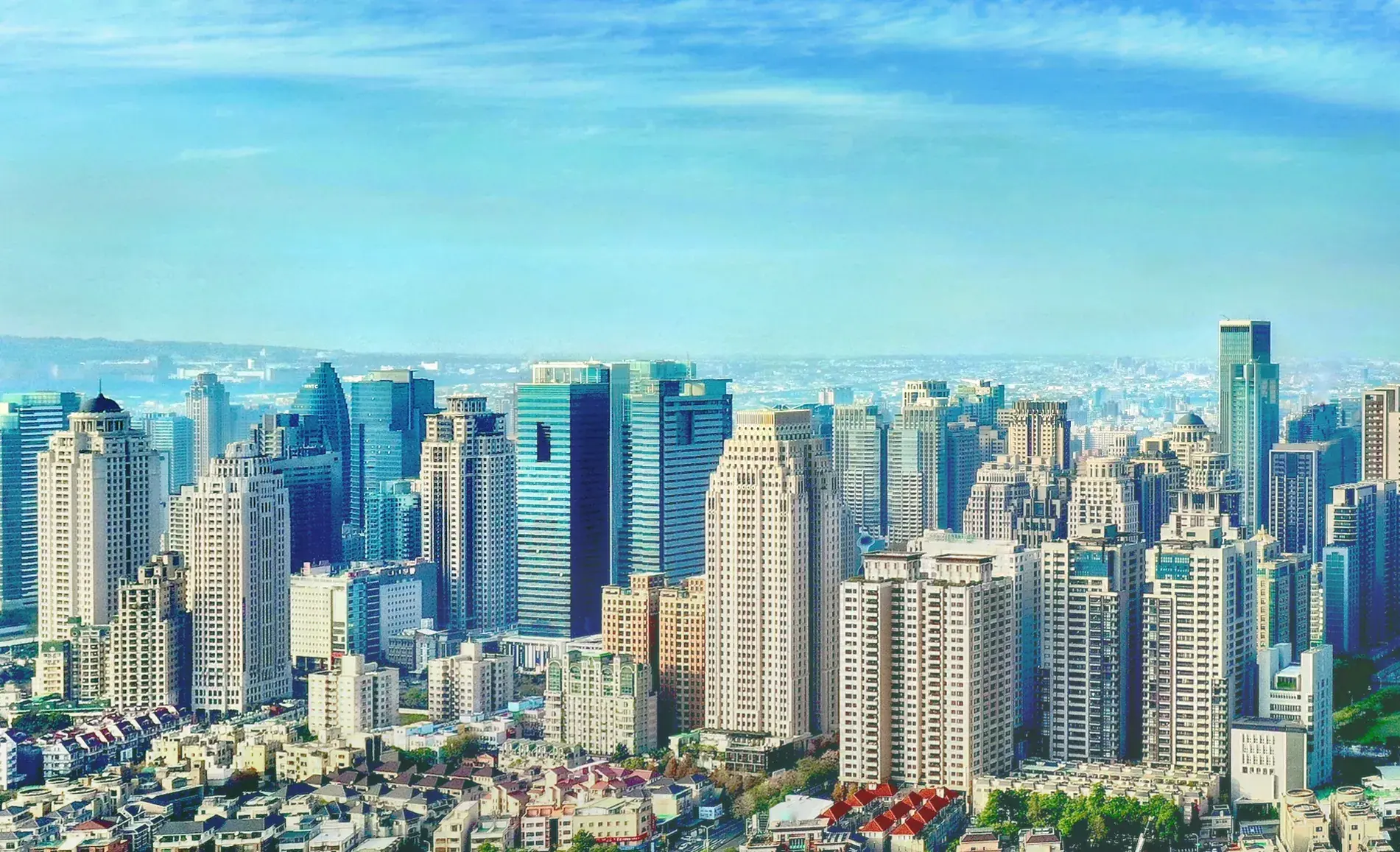 Photo: 毛貓大少爺 from Taipei, Taiwan / Wikimedia Commons (CC BY-SA 2.0)