Cost of Living in Iași
Where this figure comes from. No cost survey covers Iași, so the $850 a month above is our own estimate rather than a measurement. On 416 of our 999 city guides the figure is built from a published Numbeo basket, a one-bedroom rent in the centre plus one person's monthly costs without rent, converted to USD; this city is not one of them. How we source everything.
Budget roughly $850 a month as a solo remote worker in Iași, which is remarkable value for a European Union city with a large software sector and 60,000 students. A one-bedroom apartment in Copou, Tudor Vladimirescu or near the centre runs about $300 to $420, with newer developments in Palas and Miroslava reaching $450 to $600. Groceries land around $190 to $250. A business lunch is $6 to $9, a restaurant dinner with wine $15 to $22, and Moldavian wine from the surrounding hills is very cheap and rather good. A monthly transit pass is about $12. Utilities add $80 to $160, more in the cold winter. Student demand tightens the market sharply each September, so timing a lease matters. Many landlords here would rather keep an arrangement undeclared, which is cheaper for them and useless to a tenant who needs a registered contract for a residence permit or a company address, so settle that question before looking at any flat. The municipal heat that serves the older blocks travels through pipework patched for decades, and an apartment at the end of a bad branch pays for heat that never arrives. Newer buildings have boilers of their own and are worth the difference.
Where to Work in Iași
Iași is one of Romania's principal technology cities, with a large outsourcing and product-development sector built around its universities, and the working infrastructure reflects that properly. There are several coworking spaces at roughly $90 to $150 a month, plus the technology parks that host companies like Amazon, Oracle and a long list of local firms. Fixed-line internet is exceptional: gigabit fibre is normal and costs a fraction of western European prices, which is one of Romania's genuine competitive advantages. Cafes around Copou and the pedestrianised centre are used to laptops. English is widely spoken among the technology and student populations, considerably more so than in most Romanian cities of this size, which makes settling in easier. The income tax exemption that software employees here enjoyed for two decades was capped and then narrowed over the last couple of years, which changed the local salary conversation considerably and is the first thing anybody in the sector will bring up. It still applies below a ceiling. For a foreigner contracting in rather than employed none of it applies anyway, but it explains why local rates are quoted net so often and why a gross figure confuses everybody.
Getting Around Iași
Iași is hilly and spread across seven hills, with a walkable centre running from Palas and the Palace of Culture up Stefan cel Mare to Piata Unirii and on to the university district at Copou. Trams and buses cover the rest, cheaply, with a monthly pass around $12; the tram network is old but extensive. Most residents walk in the centre and use transit or a taxi beyond it, with ride-hailing apps widely used and inexpensive. Iași international airport has grown substantially and now flies to a good spread of European cities, which is a real advantage over comparable Romanian cities. Bucharest is about six hours by train or an hour by air; Chisinau in Moldova is around three hours by road. The railway east stops at the border and starts again on a different gauge, a legacy of which empire built which line, so a through train has its bogies changed in a shed and the crossing takes hours the distance does not explain. The road is quicker. Inside the city the tram fleet was replaced with European money in recent years and the ride is now considerably better than the track underneath it, which is the next thing on the list.
Sorting transport? Book an airport transfer, or compare car rental on Auto Europe and QEEQ.
Visas for Iași
Romania is in the European Union and completed Schengen accession for land borders in January 2025, so Schengen rules apply. EU and EEA citizens may live and work without restriction. Most other Western passports get 90 days in any 180. Romania's digital nomad visa, in place since 2021, is available to non-EU remote workers who can show foreign-sourced income at a multiple of the Romanian average wage, along with health insurance and a clean criminal record. Romania is also attractive for company formation: the micro-company regime and flat personal income tax rates are low by EU standards, and Iași's large accounting and legal sector is used to handling foreign founders. Registration procedures are conducted in Romanian and an agent is worth the cost. Chișinău is the easy escape from the Schengen count: the Prut crossings such as Sculeni are an external border, where the Entry/Exit System records the departure and the re-entry, so days spent in Moldova drop out of the count automatically.
Best Time to Visit Iași
May, June and September are the best months in Iași: warm, bright and with the city at its most active. Summer, July and August, is hot, into the low thirties, and the student population disappears, which makes the city noticeably quieter and the rental market briefly loose. Autumn is long and attractive through October, and the wine harvest in the surrounding Moldavian hills falls in this window. Winter is genuinely cold, regularly below freezing with snow from December to February, and the hills make icy pavements a real consideration. The academic year from October brings the city fully to life. Iași's patron saint festival in mid-October draws enormous pilgrim crowds and fills every hotel, which is worth knowing about in advance. A local custom has everyone pick one of the first nine days of March and read their year off whatever weather it brings, which sounds like a curiosity until half an office is comparing results over coffee. Practically, that stretch is when the thaw turns the hills to mud. Thunderstorms build over the plain through a hot afternoon and arrive with real force, taking ten degrees off the air inside half an hour and flooding the underpasses.
Pros and Cons of Iași
Iași combines a serious technology sector, very low costs, fast cheap internet and a growing airport, which is an unusually practical combination. It has real cultural weight as the historic capital of Moldavia, with the Palace of Culture, a strong university tradition and the best-preserved literary heritage in Romania. English is common in the professional and student population. The city is far from the rest of Europe by land, six hours from Bucharest, and its position near the Moldovan and Ukrainian borders has felt a good deal less peripheral since 2022. Winters are hard. The nomad community is essentially nonexistent, as foreign arrivals here are usually employed by local technology firms rather than passing through.
Who Iași Is For
About the cheapest European Union living there is, with genuinely good infrastructure and a professional environment where English works. Software people who want colleagues instead of tourists are the clearest fit, along with anybody using Romania's digital nomad visa or the micro-company regime. The city rewards people who would sooner have universities and a long history than scenery. Solo workers and families are both accommodated, with private schooling that is genuinely good and neighbourhoods that stay safe without anybody making a point of it. Warmth, a coast, an existing nomad scene and short flights to western Europe are the four things most often wanted and the four this city cannot supply. Cluj-Napoca is the better-known Romanian technology city and Bucharest the better-connected one, both at higher cost.
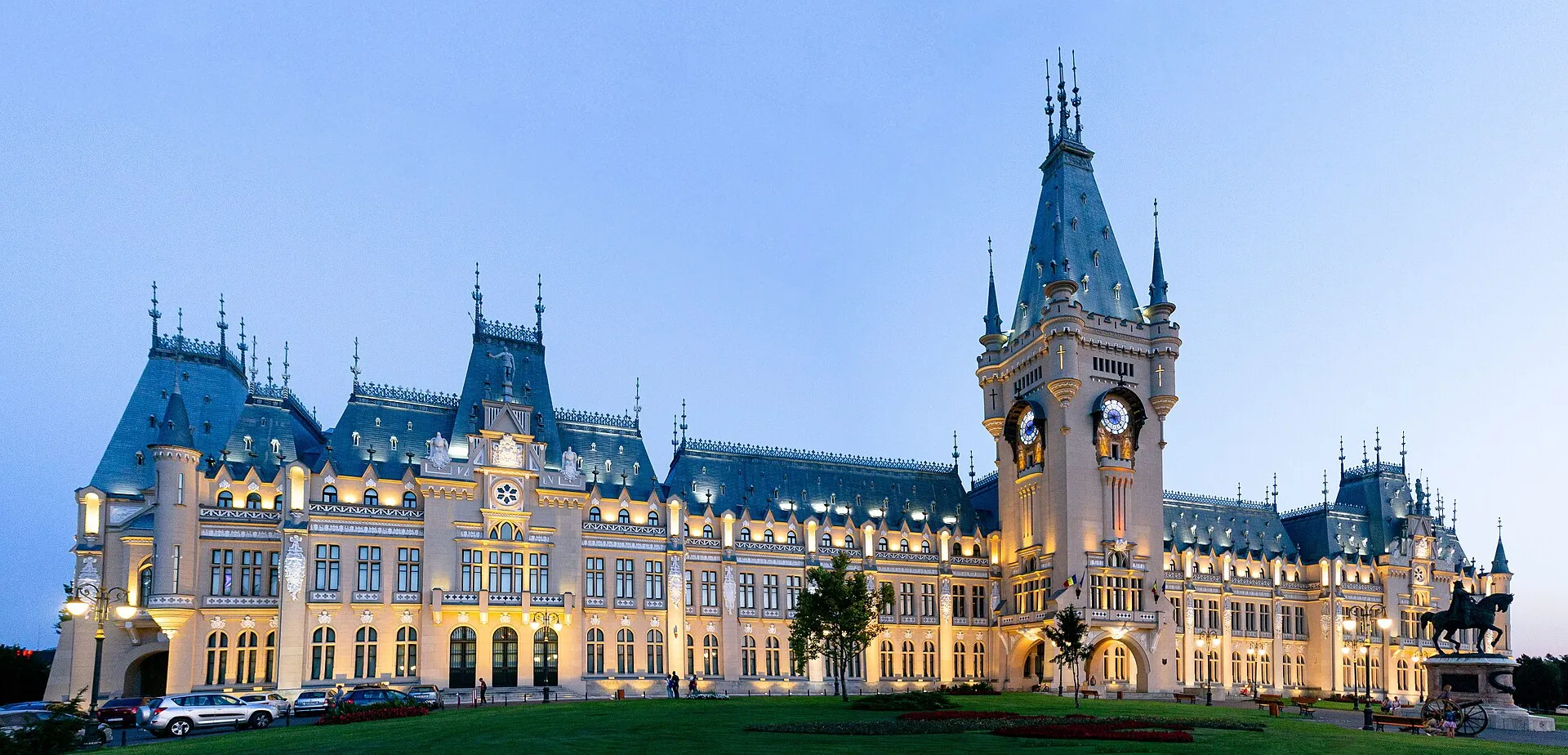 Photo: Andrei Lucian Vaida / Wikimedia Commons (CC BY-SA 4.0)