Cost of Living in Valparaíso
Real market data
Source: Numbeo · August 2026
$990/moSolo nomad1-bed centre + living costs
$1,400/moCoupleshared 1-bed + costs
$910/moLean / localcheaper area + costs
- 1-bed rent, city centre$490CLP$451,852
- 1-bed rent, outside centre$400CLP$375,185
- Monthly costs excl. rent (1 person)$510CLP$468,886
- Meal, inexpensive restaurant$10CLP$9,000
- Monthly transit pass$54CLP$50,000
- Buy price, per m² (centre)$1,620CLP$1,500,000
Prices are from Numbeo (August 2026), converted to USD at $1 = CLP$927.42 (01 Aug 2026). The monthly living-costs figure is our transparent one-person basket, groceries, a few meals out, utilities, phone, internet, transport and essentials, priced from those figures. Solo adds central rent; couple and lean are estimates from the same numbers. The guide below quotes its own monthly range, which is a different measurement rather than a competing one: this table prices a defined basket at the figures above, while that range is a judgement about how somebody actually lives here.
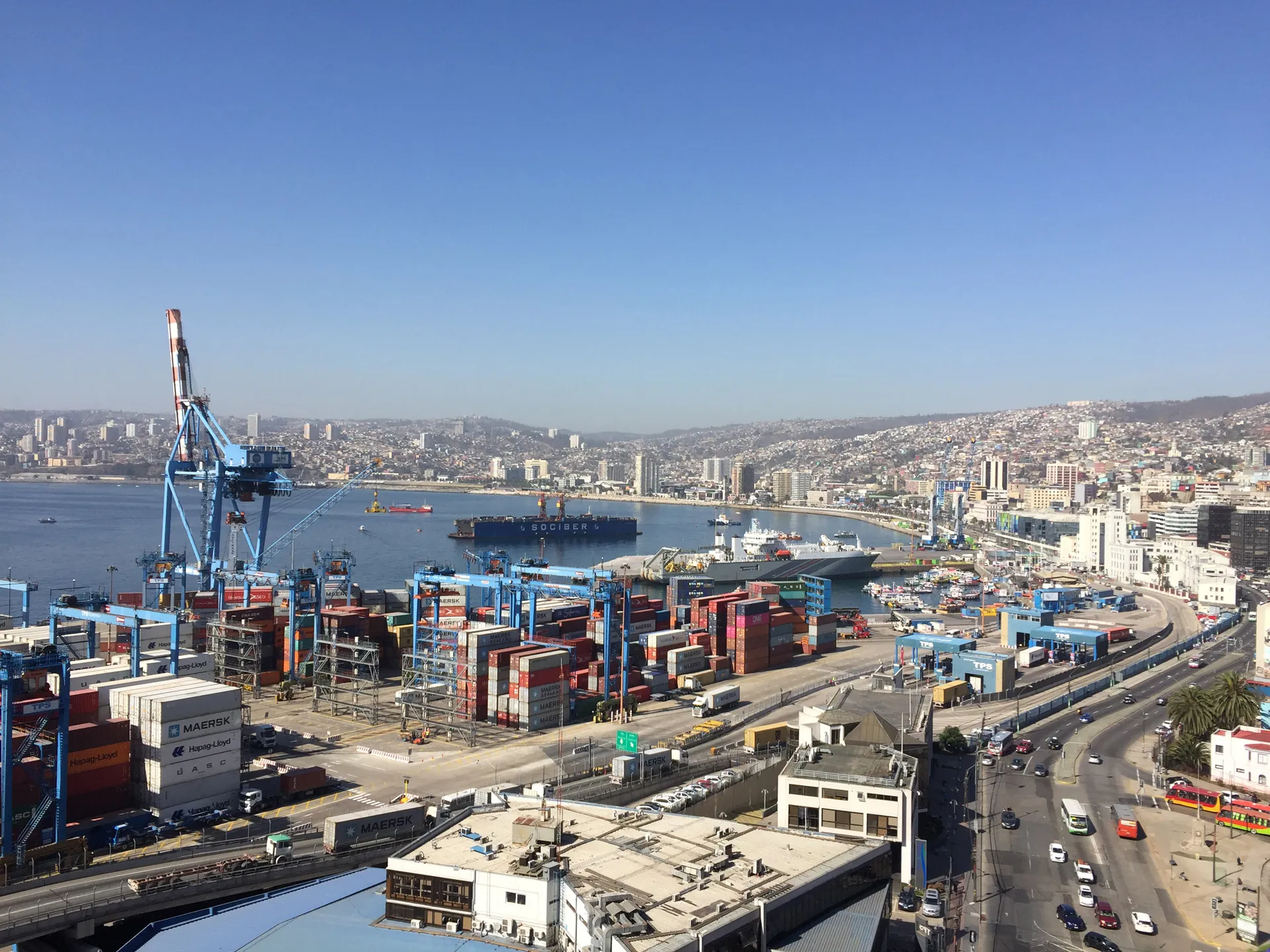
Valparaíso runs noticeably cheaper than Santiago, typically 15 to 20% lower across the board. Your biggest variable is rent. A one-bedroom apartment in Cerro Alegre or Cerro Concepción, the scenic hillside neighborhoods most popular with foreigners, will cost around $375 to $485 per month. Drop down into El Plan, the flat commercial district, or look at less touristy cerros and you can find similar space for $300 to $375.
- Rent (1BR, central hills): $375 to $485
- Rent (1BR, El Plan or outer areas): $300 to $375
- Groceries (one person): $130 to $175
- Eating out (lunch menú del día): $4.50 to $7.50
- Restaurant dinner: $13 to $24
- Coworking hot desk (monthly): $81 to $100
- Local transport (monthly card): $43 to $54
- Utilities (electricity, water, internet): $86 to $120
Realistic monthly range: $1,100 to $1,500 covers a comfortable solo nomad lifestyle. You can stretch this lower if you cook often and choose a quieter cerro; spending more gets you a nicer apartment with a view and regular restaurant meals.
Where to Work
Valparaíso has a small but workable coworking scene. Paralelo Cowork (Eusebio Lillo 222, El Almendral) is the most established option, with over 600 square meters and capacity for 60 people, close to the Barón metro station. CIEN Coworking (Condell 1349) offers 11 fully furnished offices and a more formal setup with a rating among the highest in the city. Housenovo (Eusebio Lillo 222) bills itself as the largest entrepreneurship ecosystem in the region and is another solid choice near Barón. UrbanWork (Las Heras 346) rounds out the options with a more startup-focused vibe.
Cafe culture is real here and many coffee shops tolerate laptop workers, though dedicated coworking is more reliable for video calls and consistent speeds. The WiFi situation requires honesty: fixed-line fiber in residential buildings can be fast, but free public WiFi in cafes is inconsistent, and some older buildings in the cerros have patchy or slow connections.
Getting Around
Valparaíso divides neatly into El Plan (the flat port district) and the cerros (the steep hills). The city runs a trolleybus network along the main flat streets, the only remaining trolleybus system in Chile, with fares around $1. Funiculars, locally called ascensores, connect the flat streets to the hilltop neighborhoods; they are cheap and atmospheric but several have been out of service in recent years, so check current status before relying on one.
The Tren Limache-Puerto light rail connects Valparaíso to neighboring Viña del Mar and further suburbs. Taxis and ride-hailing apps (Cabify, inDriver) work well for late-night travel when walking the hillside paths is less advisable.
Walkability within a single cerro is high. Moving between cerros and down to El Plan involves hills and stairs. If you are not comfortable with uneven cobblestone paths and steep staircases, day-to-day life can feel tiring.
Airport: There is no airport in Valparaíso itself. Santiago's Arturo Merino Benítez Airport (SCL) is about 120 km away. TurBus and other operators run direct buses from the airport to Valparaíso's main bus terminal in roughly 1 hour 20 minutes to 2 hours depending on traffic. A private transfer costs around $54 to $75. Budget at least 2 hours for the journey each way.
Sorting transport? Book an airport transfer, or compare car rental on Auto Europe and QEEQ.
Visas and Staying Long-Term
Citizens of most European countries, the US, Canada, Australia, and many others can enter Chile visa-free for 90 days. You can extend this once through the Servicio Nacional de Migraciones for a fee of $100, giving you up to 180 days. After that, you need to leave and re-enter or apply for a longer-term permit.
There is no Chilean digital nomad visa. The migration service lists fifteen kinds of temporary residence and none is built for people paid from abroad: the work route requires a Chilean employer or job offer, and the rentista route covers income from rent or investments, not wages. Applications for any of them are made from outside the country, so a remote worker in Valparaíso is usually here on the tourist entry and its single extension.
Best Time to Visit
Valparaíso has a Mediterranean climate with warm, dry summers and mild, wet winters. The Southern Hemisphere means summer runs November through March.
The best window for remote work is November through April. During these months you get 7 to 9 hours of sunshine daily, temperatures between 15°C and 22°C (59°F to 72°F), and very little rain. The city is lively, outdoor markets and cultural events are active, and the port and hillside neighborhoods are at their most appealing.
May through August is winter. Temperatures drop to a chilly 9°C to 14°C (48°F to 57°F), June is the wettest month at about 100mm of rain, and the city's charm dims noticeably when the skies are grey for weeks. Older buildings have poor insulation and heating, making cold months genuinely uncomfortable indoors.
September and October are a shoulder period: mild, drying out, and less crowded than high summer. A reasonable second-choice window if you want fewer tourists and lower short-term rental prices.
Pros and Cons
- Low cost: One of the more affordable coastal cities in South America
- Strong creative culture: A UNESCO World Heritage port city covered in street art, with a long bohemian tradition
- Good food: Fresh Pacific seafood, reliable lunch deals, and quality restaurants in the hillside neighborhoods
- Close to Santiago: 90 minutes by bus gives you access to a major international hub and airport
- Fiber internet available: Residential fiber connections can be fast when the building has proper wiring
- LGBTQ+ friendly: Chile is one of the more accepting countries in Latin America
- Safety concerns after dark: Petty crime and muggings are real, particularly outside tourist cerros at night; nighttime safety ratings are poor
- Cleanliness issues: Parts of the city, especially the lower flat district, suffer from litter and urban decay
- Inconsistent WiFi: Cafe internet is unreliable; coworking spaces are more dependable but the selection is limited
- Low English proficiency: Most daily life requires functional Spanish
- Airport distance: No local airport; Santiago's SCL is a 1.5 to 2 hour bus ride away
- Cold, damp winters: Buildings are poorly heated; May to August is genuinely uncomfortable
Who Valparaíso Is Best For
Valparaíso works well for creatives, writers, designers, and solo nomads who want a city with real character and a low cost of living and are comfortable with Spanish. If you enjoy street art, fresh seafood, independent cafes, and an unconventional urban atmosphere, you will find it rewarding. It suits people who can anchor their workday in a reliable coworking space and treat the city as a base for exploration rather than a polished productivity hub.
You should probably skip Valparaíso if you need consistent, fast internet for large file transfers or frequent video calls without a dedicated coworking membership; if you are uncomfortable in cities with visible poverty and petty crime; if you need easy airport access for regular travel; or if cold damp winters with poor indoor heating will derail your focus. Families and people with mobility challenges may also find the constant hills and uneven cobblestones frustrating over longer stays.