Cost of Living in Jeonju
Real market data
Source: Numbeo · August 2026
$770/moSolo nomad1-bed centre + living costs
$1,170/moCoupleshared 1-bed + costs
$730/moLean / localcheaper area + costs
- 1-bed rent, city centre$270₩383,333
- 1-bed rent, outside centre$230₩333,333
- Monthly costs excl. rent (1 person)$500₩723,527
- Meal, inexpensive restaurant$7₩9,362
Prices are from Numbeo (August 2026), converted to USD at $1 = ₩1439.43 (01 Aug 2026). The monthly living-costs figure is our transparent one-person basket, groceries, a few meals out, utilities, phone, internet, transport and essentials, priced from those figures. Solo adds central rent; couple and lean are estimates from the same numbers.
Jeonju is one of the more affordable places to base yourself in South Korea, comfortably cheaper than Seoul or Busan. A realistic monthly budget sits between roughly $1,000 and $1,400, set against a measured local basket of $730 to $770. A small furnished flat, whether a modern officetel or a room near the university, keeps rent reasonable, and eating out is genuinely cheap thanks to the city's food culture. Local bibimbap, street snacks and makgeolli spreads cost little, while imported goods and Western dining push things up. Utilities, fast internet and public transport are inexpensive. These are editorial estimates rather than fixed figures, so treat them as a rough planning guide. The lease structure is where a Korean budget is actually decided. Rentals come in two shapes: jeonse, in which you hand over a large refundable lump sum and pay no monthly rent at all, and wolse, a smaller deposit plus a monthly figure. Foreigners almost always take the second, and the deposit still runs five to ten times the monthly rent. Register the lease at the district office immediately, because the deposit-fraud wave that ran through Korean housing from 2022 turned on tenants with no registered claim when the landlord defaulted. Officetels ask the smallest deposits, which is why most short-stayers end up in one.
- Furnished studio or officetel rent: roughly $400 to $650 a month
- Local meal such as bibimbap or a set menu: around $6 to $10
- Monthly transport and utilities combined: roughly $120 to $180
- Cafe coffee for a work session: around $3 to $5
Where to Work in Jeonju
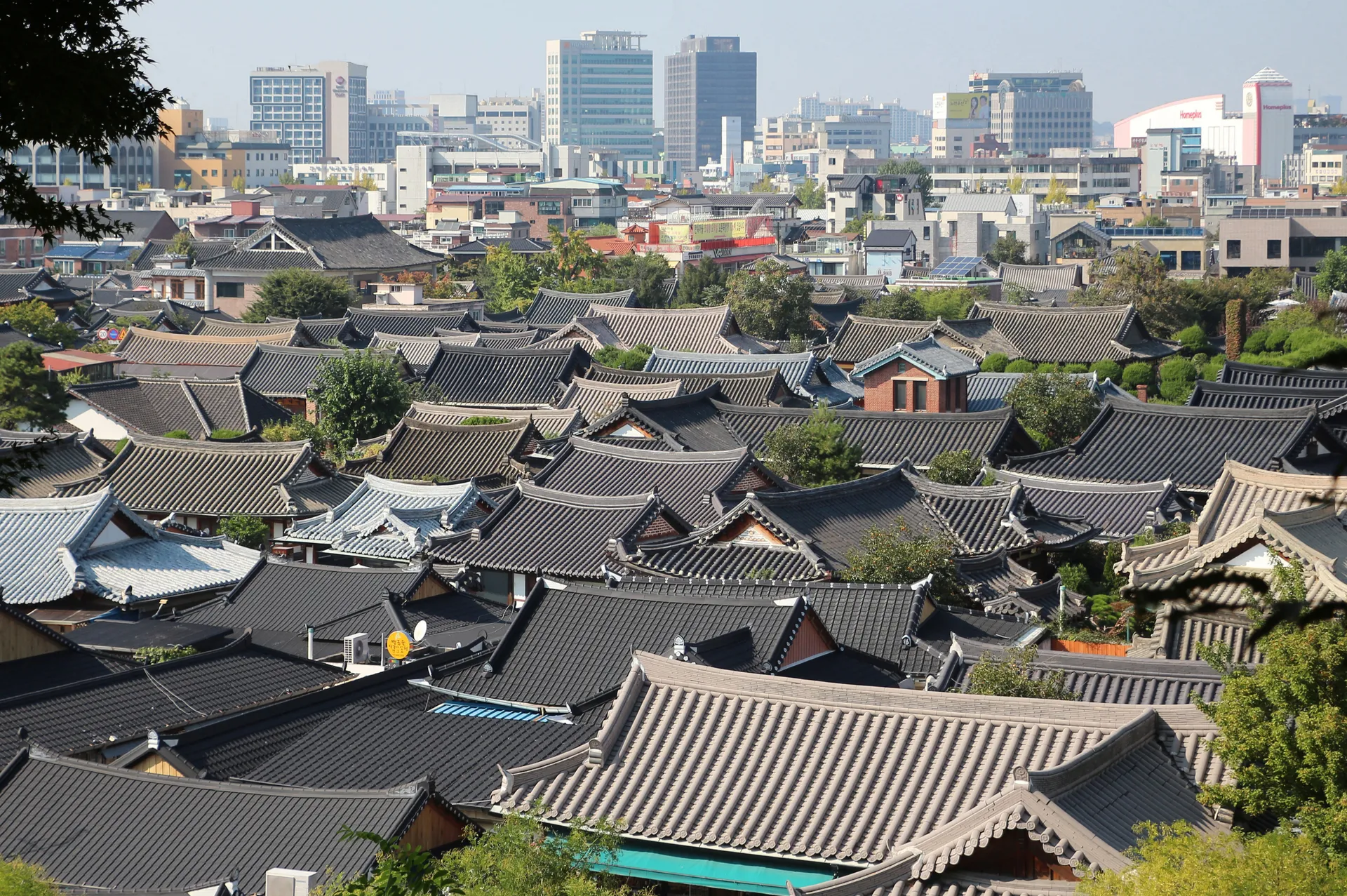
Jeonju leans heavily on cafe culture rather than a dense cluster of coworking spaces, so most remote workers stitch together a routine from independent cafes, which are plentiful and often beautifully designed. The Hanok Village and downtown Gaeksa area are dotted with roasters offering strong wifi and long opening hours. Near Jeonbuk National University you will find student-friendly study cafes with power sockets and quiet zones, ideal for focused deep work. A handful of coworking and shared offices exist around the downtown core, though the scene is small and mostly Korean-speaking. Home working suits many people here, given the reliable fibre connections in most rentals and the low cost of a comfortable flat. Study cafes solve the problem that ordinary cafes close at ten. They are unstaffed, card-entry rooms charging by the hour, silent by rule and often open around the clock. The other thing to get right is timing the old quarter: visitors in rented hanbok pack its lanes from mid-morning until about five, so the cafes that look most appealing are the ones least usable in working hours. Most long-stayers settle in Seosin-dong, the newer commercial district where the offices, chains and coworking desks actually are, and walk across in the evening.
Getting Around Jeonju
Jeonju is a mid-sized, walkable city, and the Hanok Village in particular is best explored entirely on foot. For longer hops, an extensive local bus network covers the whole city cheaply, and you can tap on with a rechargeable T-money card, the same one used across Korea. Taxis are affordable and easy to hail, which helps given that English signage and driver English are limited. There is no metro system here. For intercity travel, the KTX high-speed train from Jeonju station reaches Seoul in under two hours, while regular trains and express buses link you to Busan, Gwangju and beyond. Cycling and walking cover most day-to-day needs comfortably. The map understates how much two station names matter. Jeonju's own station sits on the Jeolla line and its KTX departures are limited, while Iksan, half an hour north by frequent local train, is a main junction on the Honam high-speed line with several times the service. Checking both before booking regularly saves an hour. For flying there is no useful airport here: the practical route to Incheon is the direct limousine coach from the express bus terminal in Geumam-dong, a journey of a little over three hours with departures through the night. That terminal, not the railway station, is where most intercity journeys begin.
Sorting transport? Book an airport transfer, or compare car rental on Auto Europe and QEEQ.
Visas for Jeonju
Most digital nomads arrive under South Korea's short-stay arrangements. Many nationalities can enter visa-free or via the K-ETA electronic travel authorisation for stays of up to 90 days, which suits shorter trips and testing the waters. For longer stays, South Korea launched a workation, or digital nomad, visa in 2024 aimed at remote workers employed by overseas companies, with minimum income and health-insurance requirements attached. Jeonju itself imposes no special local restrictions, so your options mirror the national picture wherever you settle in Korea. The workation visa has a regional tier that matters here. It became a permanent category on 30 June 2026, with stays now running to three years, and the income floor is a multiple of Korea's gross national income per head that depends on age and region. In Seoul, Incheon and Gyeonggi it is one and a half times GNI, about $54,600 a year, for applicants aged 18 to 34 and twice, about $72,800, for older applicants or anyone bringing family. Jeonju sits outside the capital region, where the same tiers drop to one times, about $36,400, and one and a half times, about $54,600, a rare case of a national rule paying you to avoid the capital. Separately, anyone resident more than six months must join the national health insurance scheme.
Best Time to Visit Jeonju
Jeonju has a humid subtropical climate with four distinct seasons, so timing matters. Spring, from April to May, is arguably the finest window, with mild temperatures, cherry blossom and comfortable days for wandering the hanok streets. Autumn, from late September into November, is the other sweet spot, bringing crisp air, golden foliage and clear skies. Summer runs hot and sticky, with a humid monsoon spell around July and occasional heavy downpours, which can make long walks uncomfortable. Winter is cold and dry, quieter and atmospheric, especially if snow dusts the tiled roofs. For the best balance of weather and festivals, aim for the shoulder seasons of spring or autumn. The snow deserves more than a dusting. The Honam plain catches sea-effect falls off the Yellow Sea, and Jeollabuk-do takes some of the heaviest in the country, which is spectacular in the old quarter and genuinely disruptive on the roads for a few days each year. The festival calendar is unusually good: the international film festival fills the last days of April and the first of May, the Sori festival brings pansori and world music in early autumn, and the bibimbap festival follows in October. Booking a room during any of them needs months rather than weeks.
Pros and Cons of Jeonju
Jeonju rewards a particular kind of nomad. Its strengths are its deep cultural character, superb and affordable food, fast internet, high safety and a relaxed, unhurried pace far removed from big-city intensity. The trade-offs are real too. English is limited, the international remote-work community is small, and nightlife is modest compared with Seoul or Busan. If you thrive on a buzzing expat scene and constant networking, you may find it quiet. If you want calm, authenticity and value, it delivers. Weigh the following points honestly against your own priorities before committing to a longer stay in the city. The phrase worth pressing on is living heritage. The village holds around seven hundred hanok, and its visitor count climbed from roughly a million in 2006 to over eleven million by 2017; over the same period the households actually living inside it fell by more than forty percent, to about six hundred. More than half the commercial units opened after 2013. It is beautiful and it is largely a stage set. The compensation is that the rest of Jeonju is an ordinary, inexpensive provincial city that gets on with its own business, has a teaching hospital, a large university and no visitors at all, and that is the half you would actually live in.
- Pros: rich living heritage in the Hanok Village, outstanding and cheap food, fast reliable internet, very safe, affordable rent, easy KTX access to Seoul
- Cons: limited English, small international nomad community, modest nightlife, humid summers, no metro system
Who Jeonju Is For
Jeonju suits the culturally curious remote worker who values substance over scene. If you are drawn to traditional architecture, slow mornings in a hanok, world-class Korean food and a genuinely safe, orderly environment, this city will feel like a gift. It is well matched to solo travellers, writers, food lovers and anyone happy to work largely from cafes and their own flat. It is less suited to those who need a large ready-made expat crowd, lively bar districts or seamless English everywhere. Come with patience, a translation app and an appetite, and Jeonju offers an affordable, deeply Korean base that few Western visitors ever properly discover for themselves. Take a flat in Seosin-dong or near the university rather than the old quarter, which costs more and is loud from mid-morning. Learn hangul in the first week; it is genuinely a few hours' work and it converts every sign and menu here. For meeting people the football club is the most reliable route, since Jeonbuk Hyundai are one of the most successful sides in Asian club football and the stadium fills with people who are not students. And treat Seoul as a day trip rather than a rival: on the fast train from Iksan it is close enough to visit and far enough to leave.