Cost of Living in Tainan
Real market data
Source: Numbeo · August 2026
$830/moSolo nomad1-bed centre + living costs
$1,260/moCoupleshared 1-bed + costs
$730/moLean / localcheaper area + costs
- 1-bed rent, city centre$300NT$9,571
- 1-bed rent, outside centre$190NT$6,250
- Monthly costs excl. rent (1 person)$540NT$17,318
- Meal, inexpensive restaurant$5NT$150
- Monthly transit pass$33NT$1,075
- Buy price, per m² (centre)$3,230NT$104,156
Prices are from Numbeo (August 2026), converted to USD at $1 = NT$32.29 (01 Aug 2026). The monthly living-costs figure is our transparent one-person basket, groceries, a few meals out, utilities, phone, internet, transport and essentials, priced from those figures. Solo adds central rent; couple and lean are estimates from the same numbers.
Tainan is one of the cheapest cities in Taiwan, noticeably lower than Taipei and a bit under Kaohsiung. Your rent will do most of the work. A studio or one-bedroom apartment in a central district like West Central or North runs roughly $310 to $560 a month, while the same thing a short scooter ride out, in Yongkang or the eastern suburbs, drops to $190 to $370. Short lets and furnished monthly rentals cost more, so expect to pay a premium if you are not signing a year.
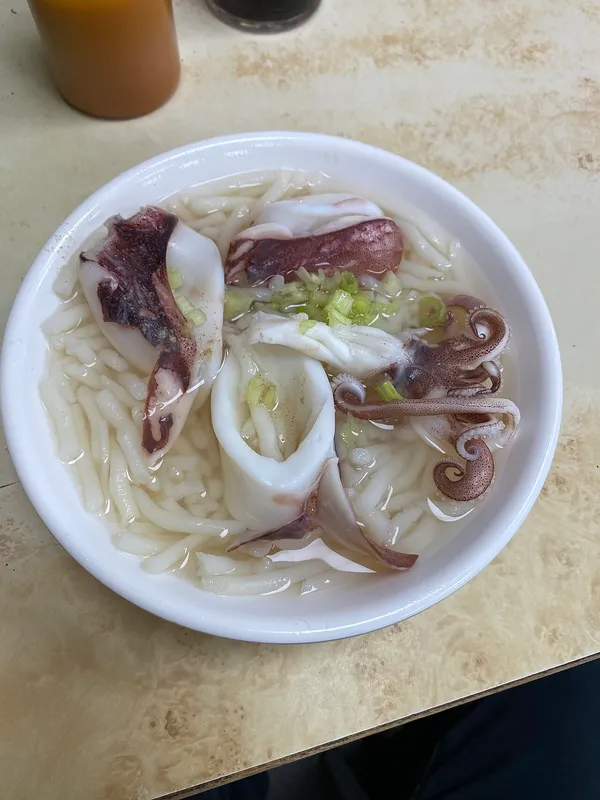
Food is where Tainan earns its reputation and its low bills. The city is Taiwan's street-food capital, and a bowl of beef soup, danzai noodles, or a plate of rice with braised pork costs $2 to $3.50. A sit-down meal for two at a mid-range spot lands around $22 to $25. Cooking at home is cheap too, with a week of groceries for one person around $37 to $56, though imported Western items cost more.
A coworking hot desk runs roughly $9.50 to $15 a day or $120 to $220 for a monthly pass. Local transport is minor: a scooter rental or fuel plus the odd bus and YouBike ride comes to well under $62 a month. Add utilities, a SIM, and the occasional bar or coffee, and a comfortable single-person total sits around $870 to $1,400 a month. Live frugally and you can go lower.
Where to Work
Tainan has a small but real coworking scene. Spaceout is the best-known option aimed at remote workers and international nomads, with quiet desks, fast WiFi, free coffee and water, and staff who speak English, which matters here. Other spaces include Planett, Big O, and Hour Jungle, though hours, English support, and desk availability vary.
Cafe-work culture exists but is more casual than in Taipei. Independent coffee shops in the West Central District are laptop-friendly, and you will find people working over pour-overs, though some smaller places prefer you not camp for hours. Chain cafes and the ubiquitous convenience stores give you reliable backup power and seats. WiFi is generally solid across the city, and home fiber is fast and cheap, but if your income depends on stable video calls, do not rely only on cafe connections. A local SIM with a generous data plan is a smart backup, and coverage in the city is good. The city is also a semiconductor town: the Southern Taiwan Science Park on its edge hosts TSMC fabs that produce nearly all of the world's high-end AI chips, so anyone in hardware, chip design or supply chains has professional reasons to be here beyond the food.
Getting Around
Tainan is built around the scooter. Locals ride everywhere, and if you can legally rent one and are comfortable in dense traffic, it is by far the most practical way to get around a city that sprawls beyond its walkable historic core. Rentals are cheap and widely available. If you would rather not ride, plan carefully, because public transit is the city's real weakness.
City buses cover the main corridors but run infrequently on quieter routes, so journeys can involve waiting. YouBike public bicycles are dotted around the center and are great for short daytime hops between temples, markets, and cafes. The TPASS 799 monthly pass bundles unlimited local buses, regional TRA trains, and free 30-minute YouBike rides for $25, which is excellent value if you stay a while.
For other cities, the conventional TRA railway stops at central Tainan Station, while the High Speed Rail (HSR) station sits on the edge of town at Shalun; a short TRA branch-line shuttle connects the two. HSR reaches Taipei in around 1 hour 45 minutes and Kaohsiung in about 15. For flights, tiny Tainan Airport (TNN) handles limited domestic and a few regional routes, so most international travel goes through Kaohsiung International Airport (KHH), roughly an hour away by shuttle bus (Route 111) or by train via Zuoying.
Sorting transport? Book an airport transfer, or compare car rental on Auto Europe and QEEQ.
Visas and Staying Long-Term
Most Western passport holders, including citizens of the US, UK, EU countries, Canada, Australia, and New Zealand, get 90 days visa-free on arrival. UK and Canadian passport holders can extend that initial stay to 180 days without leaving. Otherwise, the standard 90 days is not extendable for tourism, so longer stays mean a border run or a proper visa.
For staying put, the Taiwan Employment Gold Card is the standout: a combined open work permit, resident visa, and residence certificate valid for one to three years, aimed at professionals in fields like tech, finance, science, and the arts, typically requiring a recent monthly income near $5,700 or equivalent qualifications. It also opens the door to National Health Insurance. Taiwan additionally launched a Digital Nomad Visa in 2025 for remote workers from visa-exempt countries, allowing up to six months but with income and savings thresholds and no health insurance included.
Best Time to Visit
Tainan is hot, humid, and subtropical. Summers, roughly May through September, are genuinely brutal: high heat, heavy humidity, afternoon downpours, and typhoon risk. If you work indoors with air conditioning you will cope, but sightseeing and scooter rides in July feel like effort. Winters, from about November to February, are the payoff: mild, mostly dry, and pleasant, with comfortable days and cool evenings. Tainan gets more sunshine and less winter drizzle than the north, which is a real advantage over Taipei.
The best window for remote work is late autumn through early spring, roughly November to March, when the weather is easy and outdoor life is genuinely enjoyable. Book earlier around Lunar New Year, when prices rise and the city fills up. Two dates belong in the calendar. On the Lantern Festival, the fifteenth day of the first lunar month, Yanshui district sets off its beehive fireworks, racks of thousands of bottle rockets fired into the crowd, and in summer Yujing, the district famous for its mangoes, makes the heat a little easier to forgive.
Pros and Cons
- Pros: very low cost of living, especially rent and food; some of the best and cheapest food in Taiwan; rich history and a relaxed, walkable old core; friendly, safe, and easygoing; fast cheap internet; excellent HSR links to the rest of the island; drier, sunnier winters than the north.
- Cons: weak public transit that pushes you toward renting a scooter; harsh, humid summers with typhoon season; a real language barrier outside coworking spaces and tourist spots; a small nomad community, so less built-in social scene than Taipei or Bali; no international airport in the city itself; fewer coworking options than bigger hubs.
Who Tainan Is Best For
Tainan suits self-directed remote workers who value low costs, great food, and a slower pace over nightlife and a big expat crowd. If you are comfortable riding a scooter, happy to pick up a little Mandarin, and want a genuinely affordable base with strong culture and easy weekend trips by rail, it is a rewarding place to settle for a season, especially in winter.
Skip Tainan if you refuse to ride a scooter and need frequent public transit, if you want a large ready-made nomad social scene, or if you cannot tolerate intense summer heat and humidity. In those cases Taipei, with its metro and bigger community, or Kaohsiung, with its own MRT and international airport, will serve you better while keeping you close enough to visit Tainan for the food. History buffs get the deepest layer on the island: Tainan was Taiwan's capital for 263 years, until 1887, and it counted 1,613 registered temples in 2015, more than any other municipality, which means a shrine on almost every walk to the shops.