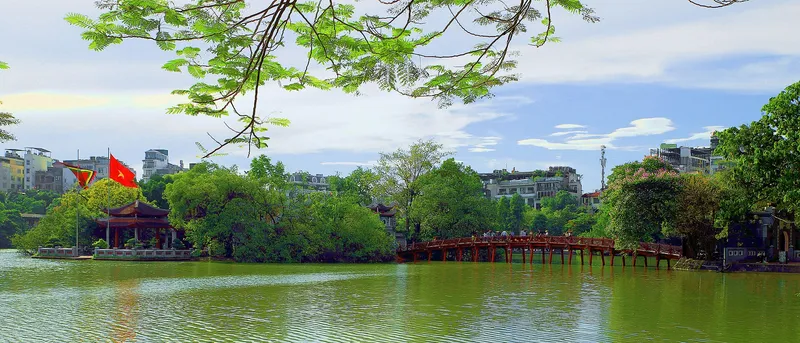
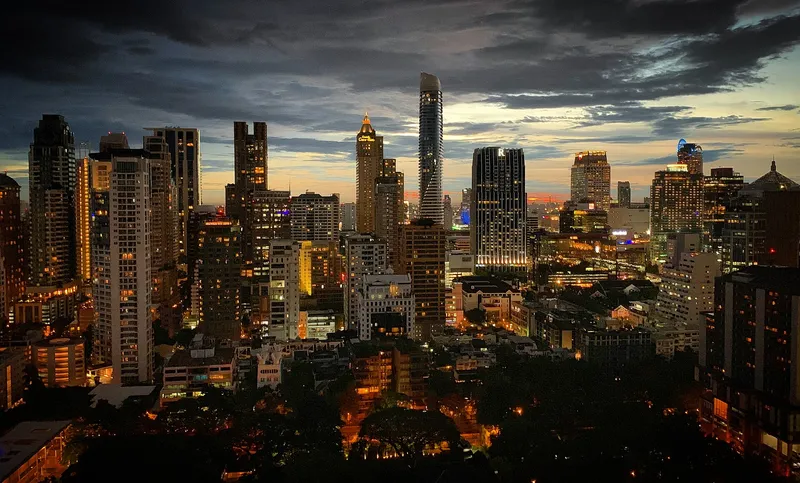
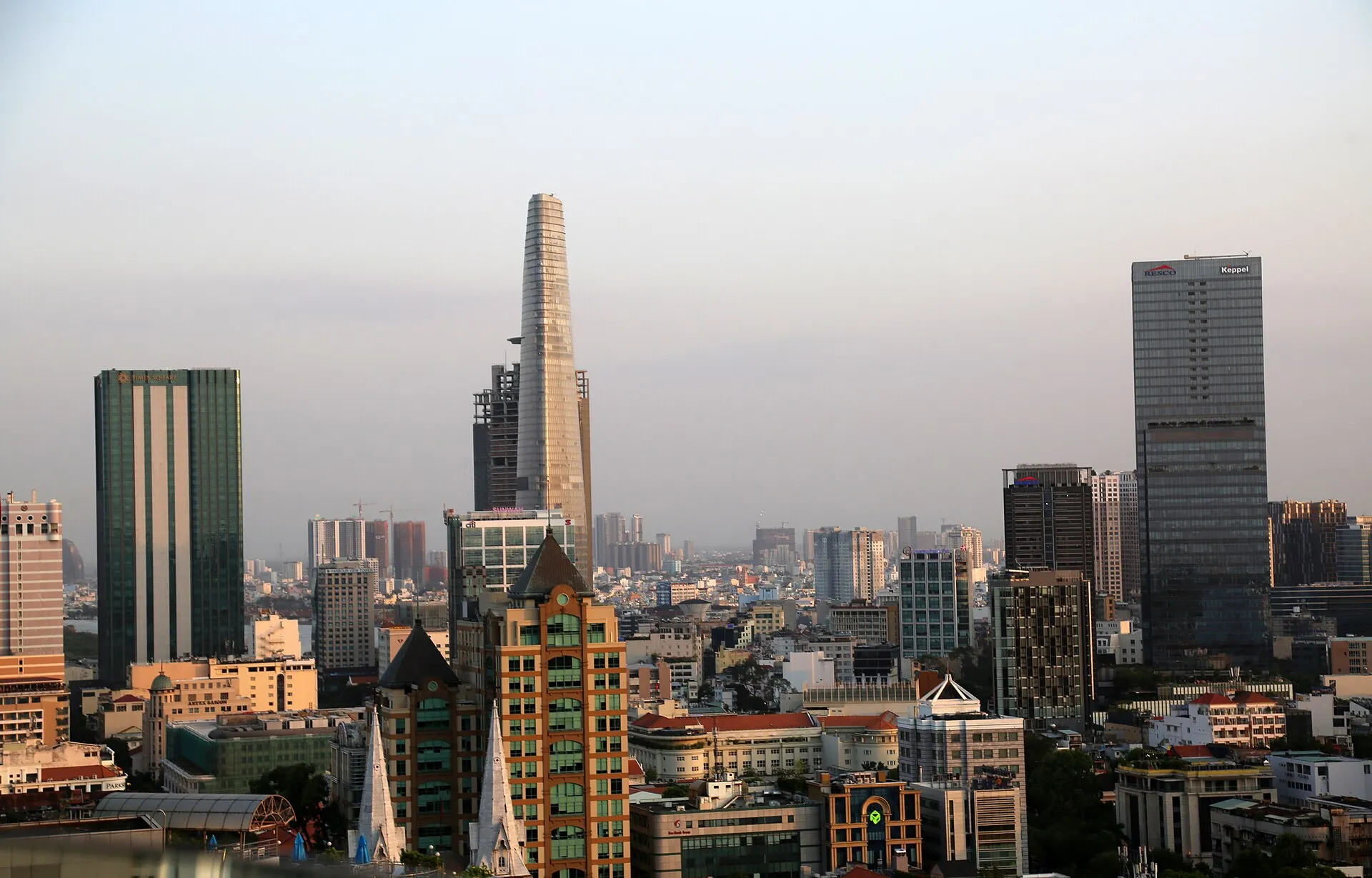
Ho Chi Minh City skyline with Bitexco Financial Tower at dusk
Photo: flowcomm / Wikimedia Commons (CC BY 2.0)
Vietnam flag

Ho Chi Minh City

Vietnam

Experience buzzing streets, amazing phở, and some of the best coffee on Earth.

$1.700
Monthly Budget
--
Current Weather
Tropical
Climate Type
70 Mbps
Avg. WiFi Speed
6/10
Safety Score
5,000+
Active Nomads
--
Time Difference
Scroll
0
Nomad Score

Setting Up as a Nomad in Ho Chi Minh City

Experience buzzing streets, amazing phở, and some of the best coffee on Earth. For remote workers, Ho Chi Minh City leans on food and a large nomad community, with a typical budget near $1,700 a month. The main trade-off is nature access.

Compare Ho Chi Minh City vs Can Tho →

Category Breakdown

How Ho Chi Minh City scores across all 13 factors

Weather in Ho Chi Minh City

Monthly averages from 2019-2023 (Open-Meteo), and the best time to visit

32°
23°
Jan
34°
23°
Feb
35°
25°
Mar
34°
26°
Apr
33°
26°
May
32°
25°
Jun
31°
25°
Jul
31°
25°
Aug
31°
24°
Sep
30°
24°
Oct
31°
24°
Nov
32°
23°
Dec
Daily high & low (°C)Rainfall (mm/month)Best months to visit

The best time to visit Ho Chi Minh City for comfortable weather is Jan, Feb, Dec. The warmest month is Mar (around 35°C by day), and the wettest is Sep (about 375mm of rain).

Chasing good weather? See other cities that are warm in Jan, or plan a multi-city route around the seasons. Staying a while in Ho Chi Minh City? Check visa options, your time-zone overlap and how far your budget stretches, or find it on the world map.

Historical monthly averages, not a forecast. Source: Open-Meteo.

Things to do in Ho Chi Minh City: it is one of our top nomad spots for shopping. See more things to do off the clock.

Best Neighborhoods in Ho Chi Minh City

Where to base yourself for the perfect nomad experience

District 1

$$$
Central & Dynamic

Saigon's beating heart where everything happens

District 1 is the center for all financial, commercial, and administrative activity in Ho Chi Minh City. Rooftop bars, colonial architecture, Ben Thanh Market, and international restaurants cluster here. Perfect for short stays and newcomers who want walkable city life.

Best for: Short-term nomads, newcomers, and those who thrive on walkable urban energy
✓ Pros
  • Central to everything
  • Walkable
  • Vibrant nightlife
  • International options
✗ Cons
  • Most expensive
  • Noisy and chaotic
  • Tourist-heavy

District 3

$$
Authentic & Charming

Leafy streets and the best bánh mì in town

District 3 is considered by many the ideal place to live in Saigon. Close to District 1's action but with leafy, tree-lined streets, classic French villas, and a more relaxed, authentic Vietnamese atmosphere. The bánh mì here is legendary.

Best for: Long-term nomads seeking authentic Vietnam with D1 proximity
✓ Pros
  • Leafy streets
  • Authentic vibe
  • Great food
  • 10-15% cheaper than D1
✗ Cons
  • Less nightlife
  • Fewer coworking spaces
  • Language barrier

Thao Dien

$$
Expat & Comfortable

Saigon's expat island with riverside cafes

Thao Dien is the main expat neighborhood - it acts and feels like an island, divided by the Saigon River or highway. Leafy streets, riverside cafés, and international schools blend global comforts with local charm. The community is established and welcoming.

Best for: Families, long-term expats, and nomads prioritizing comfort and community
✓ Pros
  • Strong expat community
  • Great cafes
  • International schools
  • Quieter
✗ Cons
  • 30-45 min to D1 in traffic
  • Can feel isolated
  • Expat bubble

Binh Thanh

$
Strategic & Affordable

Best of both worlds between D1 and Thao Dien

Sandwiched between Districts 1 and 2, Binh Thanh offers best of both worlds for budget-conscious nomads. The strategic location (5-10 minutes to D1 and Thao Dien) makes it ideal. Home to Landmark 81, Vietnam's tallest building, and popular among English teachers and nomads.

Best for: Budget nomads, young professionals, and couples wanting value with access
✓ Pros
  • Great location
  • Most affordable central option
  • Modern high-rises
  • Good transport
✗ Cons
  • Less character
  • Busy streets
  • Developing infrastructure

District 7 (Phu My Hung)

$$
Modern & Planned

Singapore-style planned living in South Saigon

District 7's Phu My Hung is a planned urban area offering low crime, clean streets, and peaceful environment. It feels more like Singapore than Vietnam - ideal for families and anyone seeking peace of mind. International supermarkets and schools abound.

Best for: Families, safety-focused nomads, and those who value order over chaos
✓ Pros
  • Very safe
  • Clean and organized
  • Family-friendly
  • Modern amenities
✗ Cons
  • Far from center
  • Less authentic
  • Can feel sterile

Cost of Living in Ho Chi Minh City

Ho Chi Minh City (also called Saigon) remains one of Southeast Asia's most affordable major cities for remote workers. Prices have crept up in expat areas, but you still get a lot for your money compared to Bangkok or Bali.

A realistic monthly breakdown in Vietnamese Dong and USD:

  • Rent, central District 1 studio: 8,000,000-12,000,000 VND ($320-480)
  • Rent, cheaper area (Binh Thanh, Go Vap, Phu Nhuan): 5,000,000-8,000,000 VND ($200-320)
  • Groceries (cooking at home): 2,000,000-4,500,000 VND ($80-180/month)
  • Eating out, local pho or com tam: 40,000-75,000 VND ($1.70-3) per meal
  • Eating out, mid-range Western or modern Vietnamese: 220,000-450,000 VND ($9-18) per meal
  • Coworking hot-desk (monthly): 2,500,000-4,000,000 VND ($100-160)
  • Local transport (motorbike rental): 850,000-1,600,000 VND ($34-65/month)
  • Grab rides (short trips): 16,000-32,000 VND ($0.65-1.30 each)

Total realistic range: $900-1,400/month covers a comfortable life with a private studio, daily restaurant meals, coworking, and leisure. You can squeeze below $800 by eating local exclusively and renting further out; you can easily spend $2,000+ with serviced apartments, gyms, and regular Western dining.

Where to Work

Ho Chi Minh City has a mature remote-work infrastructure by Southeast Asian standards. Coworking spaces have proliferated across Districts 1, 3, and 2 (Thao Dien), with serious options at every price point.

Toong (multiple locations, District 1 and District 3) is widely considered the best all-rounder, with chic interiors, fast fiber, and monthly hot-desk memberships from around $100-160. Dreamplex (Districts 1 and 2) targets a more design-conscious crowd and includes enterprise Wi-Fi and meeting-room credits. CirCO has several District 1 and 3 outposts and charges competitive day-pass rates of $6-16. Most spaces offer 4-hour passes if you do not need a full day.

Cafe-working culture is deeply ingrained here. The Workshop Coffee on Ngo Duc Ke in District 1 is the most established specialty coffee spot, with long shared tables, plentiful power outlets, and reliable Wi-Fi. Cong Ca Phe is a popular Vietnamese chain with decent Wi-Fi and plenty of seating, though it fills up on weekends.

Vietnam's fixed broadband averages around 163 Mbps download and mobile data hits 134 Mbps, both well above global averages. Cafes in central districts reliably handle video calls, though you will want to test before a critical call. At coworking spaces, speeds are consistently strong.

Getting Around

Ho Chi Minh City is a motorbike city. Traffic is dense and chaotic, and pedestrian crossings are largely advisory. Walking is feasible within a single district but impractical between them, especially in the midday heat or during rush hour.

Grab (the regional Uber equivalent) is the default way to move around. A car Grab from central District 1 to Thao Dien costs 100,000-160,000 VND ($4-6.50); motorbike Grab is half that. The app works well and pricing is transparent. Gojek offers competitive rates on short trips.

Renting a motorbike costs 850,000-1,600,000 VND/month ($34-65) and is the cheapest option once you are confident in local traffic. An international driving license and a real tolerance for chaotic intersections are both required.

Metro Line 1 launched in late 2024 and connects Ben Thanh (District 1) to the eastern suburbs. It is useful but currently covers a limited route. Bus service exists but is slow and difficult to navigate without local language skills.

To and from the airport: Tan Son Nhat International Airport (SGN) sits roughly 7 km from District 1. A Grab car runs 100,000-150,000 VND ($4-6), taking 20-45 minutes depending on traffic. Avoid the metered taxis near arrivals; use the designated Grab pickup zone inside the terminal.

Visas and Staying Long-Term

Vietnam has expanded its visa-free access significantly. Citizens of France, Germany, the UK, Italy, Spain, Denmark, Finland, Norway, Sweden, Russia, Japan, and South Korea receive 45 days visa-free on arrival. Citizens of many other countries, including the US, Canada, and Australia, do not qualify for visa-free entry and need a visa.

The e-visa is the standard option for most travelers: it costs $55 USD, is available to all nationalities, allows up to 90 days per entry (single or multiple entry), and takes 3-7 working days to process at evisa.gov.vn. This is a major improvement from earlier versions and works well for a 1-3 month stay.

Vietnam does not offer a dedicated digital nomad visa as of mid-2026. For longer stays beyond 90 days, the most common approach is a border run (exiting and re-entering) or applying for a business visa with the help of a local agent. Visa regulations in Vietnam change periodically, so confirm current rules with the official Vietnam Immigration portal or your nearest Vietnamese embassy before you book.

Best Time to Visit

Ho Chi Minh City sits in the south and has two distinct seasons: dry (December through April) and wet (May through November). Unlike northern Vietnam, it does not get cold at any point; temperatures hover around 27-34°C (80-93°F) year-round.

December through April is the best window for a remote-work stay. Humidity is lower, rainfall is minimal, and you can walk outside without being soaked or sapped of energy. January and February are the most comfortable months overall, though the Tet holiday (late January or early February) shuts much of the city down for a week or more.

The wet season is not unbearable. Rain typically comes in intense afternoon bursts lasting 30-60 minutes, then clears. Mornings are usually dry. Accommodation prices drop, crowds thin, and the city is greener. The biggest practical downside is street flooding in lower-lying areas, which can disrupt Grab pickups and walking plans for an hour or two.

Avoid March and April for air quality: dry conditions plus high traffic produce the worst pollution spikes of the year. AQI can hit unhealthy levels for sensitive individuals on bad days.

Pros and Cons

  • Low cost of living relative to output and lifestyle quality
  • Excellent internet at coworking spaces and most modern cafes
  • Outstanding food at every price point, from street pho at $1.50 to Michelin-starred restaurants
  • Active expat and nomad community with regular meetups
  • No shortage of things to do: vibrant nightlife, excellent coffee culture, day trips to the Mekong Delta
  • 90-day e-visa makes medium-term stays simple
  • Traffic and noise are relentless in central districts
  • Air quality spikes regularly; long-term residents often use masks and air purifiers
  • No public health insurance for foreigners; private cover adds to monthly costs
  • No dedicated nomad visa; stays beyond 90 days require workarounds
  • Heat and humidity are draining for the first few weeks, especially during the wet season
  • Street flooding disrupts transport during heavy rainy-season downpours

Who Ho Chi Minh City Is Best For

Ho Chi Minh City suits nomads who want a high-energy city at low cost. If you thrive on urban density, love food as a daily ritual, and work better with a buzzing environment around you, Saigon rewards that. It is a strong fit for people on a $1,000-1,500/month budget who want proper coworking infrastructure, specialty coffee, and a genuine social scene. It works well for those doing 1-3 month stints rather than a permanent base, given the visa limits.

Skip it if you need quiet to concentrate, struggle with heat, or have respiratory conditions that make air pollution a real health risk. It is also a poor fit for anyone who dislikes motorbike noise, chaotic street crossings, or living in a permanently switched-on city. If you want nature on your doorstep, look to Da Nang or Chiang Mai instead.
Where to Stay in Ho Chi Minh City

Top neighborhoods and accommodations for digital nomads

The Sentry L

Serviced apartments
District 1

Coliving suites in Japan Town with built-in coworking access, fast Wi-Fi, and a walkable location near the Metro.

Check availability →

Somerset Vista Ho Chi Minh City

Serviced apartments
An Phu

Spacious 1-4 bedroom apartments in the expat-popular An Phu area with full kitchens, gym, and business center.

Check availability →

ANIMA Vietnamese Contemporary Art Boutique Hotel

Boutique hotel
District 1

Central District 1 boutique hotel with art-filled rooms, dedicated workspaces, and walking distance to Ben Thanh Market.

Check availability →

Amanaki Thao Dien

Boutique hotel
Thao Dien

Quiet 29-room art hotel in the leafy Thao Dien expat enclave, with rooftop pool and flexible workspaces for longer stays.

Check availability →

Meander Saigon

Hostel
District 1

Highly rated hostel with integrated coworking space, rooftop bar, and cafe, ideal for solo nomads on a budget in central Saigon.

Check availability →

Browse apartments, aparthotels and hotels across Ho Chi Minh City. Compare prices and book a base that suits a remote-work stay.

See available stays in Ho Chi Minh City →

Affiliate link. See our disclosure.

Best Coworking Spaces

Where nomads get work done in Ho Chi Minh City

Toong Coworking Space

Coworking space
District 1

Popular multi-location coworking chain with fast fiber, ergonomic seating, meeting rooms, and an active community of local and expat members.

Visit website →

Dreamplex

Premium coworking
District 1

Design-forward coworking with enterprise Wi-Fi, Italian espresso, meeting room credits, and locations in Districts 1 and 2.

Visit website →

CirCO Coworking Space

Coworking space
District 3

Affordable coworking with multiple District 1 and 3 locations, day passes from around $6, and reliable high-speed internet throughout.

Visit website →

The Workshop Coffee

Specialty coffee cafe
District 1

Ho Chi Minh City's best-known specialty coffee spot: loft-style space with long shared tables, power outlets, and Wi-Fi that handles video calls.

View on Maps →

Cong Caphe

Vietnamese coffee chain
District 1

Retro-styled Vietnamese coffee chain with reliable Wi-Fi, comfortable seating, and the famous coconut coffee smoothie; multiple central locations.

View on Maps →

WeWork E. Town Central

International coworking
Tan Binh

Full-service WeWork location near the airport corridor with private offices, hot desks, meeting rooms, and professional-grade internet.

Visit website →

Where to Eat & Drink

Best food and drink spots in Ho Chi Minh City

Anan Saigon

Modern Vietnamese
District 1

Vietnam's first Michelin-starred restaurant elevates street food classics using French technique and fresh local ingredients in a market-side setting.

Visit website →

Com Tam Ba Ghien

Vietnamese street food
Phu Nhuan

Michelin Bib Gourmand institution serving broken rice topped with charcoal-grilled pork chop and fish sauce; open since 1995, queue expected.

View on Maps →

Quince Eatery

Wood-fire modern
District 1

Michelin Plate restaurant in a colonial-era house on Ky Con Street, pairing wood-fire and charcoal cooking with Vietnamese and European ingredients.

Visit website →

Madame Lam

Contemporary Vietnamese
Thao Dien

Michelin Selected four years running, celebrating Central Vietnamese regional cooking with artisan producers in a warm Thao Dien setting.

View on Maps →

Bom Kitchen and Wine Bar

Vietnamese fusion
District 1

Michelin Selected wine-forward Vietnamese fusion restaurant on Tran Quy Khoach with 95 wine labels and an upscale-casual atmosphere.

View on Maps →

Hybrid Saigon

Cocktail bar
District 1

Hidden speakeasy on Nguyen Du with innovative cocktails from Vietnam's top bartending talents; intimate atmosphere and a devout local following.

View on Maps →

What Do Nomads Say?

Vote on how accurate these scores are based on your experience

Cities with a Similar Vibe to Ho Chi Minh City

Different places that score alike across our 13 categories, if you like Ho Chi Minh City, these tend to feel similar.

In the rankings

Where Ho Chi Minh City ranks

Ho Chi Minh City features in 1 of our 32 city rankings.

  1. 8Best cities in Vietnam
  2. Best cities in Asia

Frequently Asked Questions About Ho Chi Minh City

How much does it cost to live in Ho Chi Minh City as a digital nomad?

A comfortable nomad budget in Ho Chi Minh City is around $1,700 a month: a furnished rental, food, coworking, and getting around. Live a little outside the center or eat local to spend less.

Is the internet fast enough for remote work in Ho Chi Minh City?

With a WiFi score of 7/10, connectivity in Ho Chi Minh City is good for calls and focused work. A prepaid local SIM keeps you online when you are away from the apartment.

Is Ho Chi Minh City safe for digital nomads?

Ho Chi Minh City scores 6 out of 10 for safety in our ratings, which is workable for solo travel and long stays. Use normal precautions at night and with valuables, and choose well-reviewed areas.

Is Ho Chi Minh City a good city for digital nomads overall?

For nomads, Ho Chi Minh City is worth a look if you value food and a large nomad community. Costs sit near $1,700 a month and the community keeps growing, though, like anywhere, it will not match every checklist.