Cost of Living in Hyderabad
Real market data
Source: Numbeo · September 2026
$440/moSolo nomad1-bed centre + living costs
$600/moCoupleshared 1-bed + costs
$330/moLean / localcheaper area + costs
- 1-bed rent, city centre$240₹22,545
- 1-bed rent, outside centre$130₹12,804
- Monthly costs excl. rent (1 person)$200₹19,163
- Meal, inexpensive restaurant$3₹250
- Monthly transit pass$15₹1,450
- Buy price, per m² (centre)$1,370₹130,996
Prices are from Numbeo (September 2026), converted to USD at $1 = ₹95.52 (01 Aug 2026). The monthly living-costs figure is our transparent one-person basket, groceries, a few meals out, utilities, phone, internet, transport and essentials, priced from those figures. Solo adds central rent; couple and lean are estimates from the same numbers.
Hyderabad sits around $440 per month for a single nomad living comfortably. A furnished one-bedroom in a good area like Gachibowli, Madhapur, or Banjara Hills runs roughly $280 to $450, with more affordable flats a little further from the tech hubs. Food is a highlight and a bargain, and you can eat well on $180 to $260 a month, whether that means famous biryani, local tiffin, or the many mid-range restaurants. A data-heavy SIM is around $3 to $5 monthly. Budget $45 to $75 for a coworking hot desk, plus utilities, air conditioning in summer, and transport. Electricity bills climb during the hot April to June stretch when air conditioning runs constantly. Groceries, domestic help, and laundry are inexpensive. You can trim costs with a shared flat and local eateries, or spend more for a modern apartment near the IT corridor with easy access to malls and cafes.
Where to Work in Hyderabad
Hyderabad has one of India's better coworking ecosystems, clustered around HITEC City, Madhapur, and Gachibowli where the IT industry concentrates, so hot desks and day passes are plentiful and professional. Fixed broadband in these tech areas is generally reliable, but service can still drop during outages or storms, so keep a backup 4G or 5G SIM loaded with data as insurance for important calls. Mobile coverage is strong and cheap across the city. Cafe culture is growing, with plenty of modern cafes near the tech corridor and in Jubilee Hills that tolerate laptop work, alongside traditional Irani cafes better suited to a chai break than a long session. Many coworking spaces run backup power, which matters during occasional cuts. For remote workers, basing yourself near HITEC City gives the best combination of connectivity, backup infrastructure, and workspace choice. The pharmaceutical industry here is as large as the software one and rather more consequential: a substantial share of the world's vaccines is manufactured in this city, and the research campuses north of it employ tens of thousands of scientists. None of that is visible from the technology corridor, but it explains the cargo the airport handles.
Getting Around Hyderabad
Hyderabad is large and car-oriented, and the tech districts sit well outside the historic center, so distances are significant. The metro is modern, clean, and covers key corridors including parts of the IT belt, making it a good backbone for daily travel, though it does not reach everywhere. Ride-hailing through Ola and Uber is widespread and affordable, and autorickshaws fill the gaps, though you should use the app meter or agree fares. Traffic is heavy during peak hours, especially around HITEC City. Rajiv Gandhi International Airport is one of India's better airports, well connected domestically and internationally, but it sits far south of the city, so allow 45 to 75 minutes by cab depending on traffic. Two-wheelers are popular with longer-stay residents. For most nomads, combining the metro with app cabs and the occasional auto covers daily life without needing your own vehicle. A complete orbital motorway rings the city at a radius of around twenty kilometres, which is unusual in this country and is why the airport run is quick in spite of the distance, provided you join it rather than cutting through town. The metro was built as one of the largest public-private rail projects anywhere, and it shows in how it is run.
Sorting transport? Book an airport transfer, or compare car rental on Auto Europe and QEEQ.
Visas for Hyderabad
India has no digital nomad visa, so Hyderabad visitors use the e-Tourist Visa, applied for online before arrival in 30-day, one-year, or five-year forms depending on nationality. It is easy to obtain and is the usual route for stays ranging from a few weeks to several months. Working remotely for an overseas employer while holding a tourist visa falls into a legal grey area that Indian regulations do not clearly resolve, so recognize you are not formally permitted to work and decide how comfortable you are with that ambiguity. Local employment or any India-based paid activity requires a proper employment or business visa instead. Some extended stays require FRRO registration. Since October 2025 every foreign arrival also has to file India's electronic arrival card online in the five days before landing, and it asks for the address where you will stay, so book at least the first nights before filling it in.
Best Time to Visit Hyderabad
The best time to be in Hyderabad is roughly October through February, when the weather is mild, dry, and pleasant for both work and sightseeing, marking the clear peak season. Hyderabad sits on the Deccan plateau, so it is generally a touch less humid than coastal Chennai, which makes the cool season especially comfortable. Avoid the peak heat of April through June, when temperatures climb high and air conditioning becomes essential all day. The southwest monsoon brings rain mainly from June to September, which cools things down but can cause waterlogging and traffic snarls, so it is a mixed period. Winter nights can feel genuinely cool by Indian standards, a welcome change. For the most productive remote-work stint with comfortable evenings and minimal weather disruption, target November to February, and treat the pre-monsoon summer as the stretch to plan around rather than through. Bonalu, the city's own festival, fills the old quarter with processions to the goddess temples over several weeks in the wet months, and it is entirely local rather than something put on for visitors. The lakes ringing the city fill during the same weeks, and the evenings out on the bunds are the best the year offers.
Pros and Cons of Hyderabad
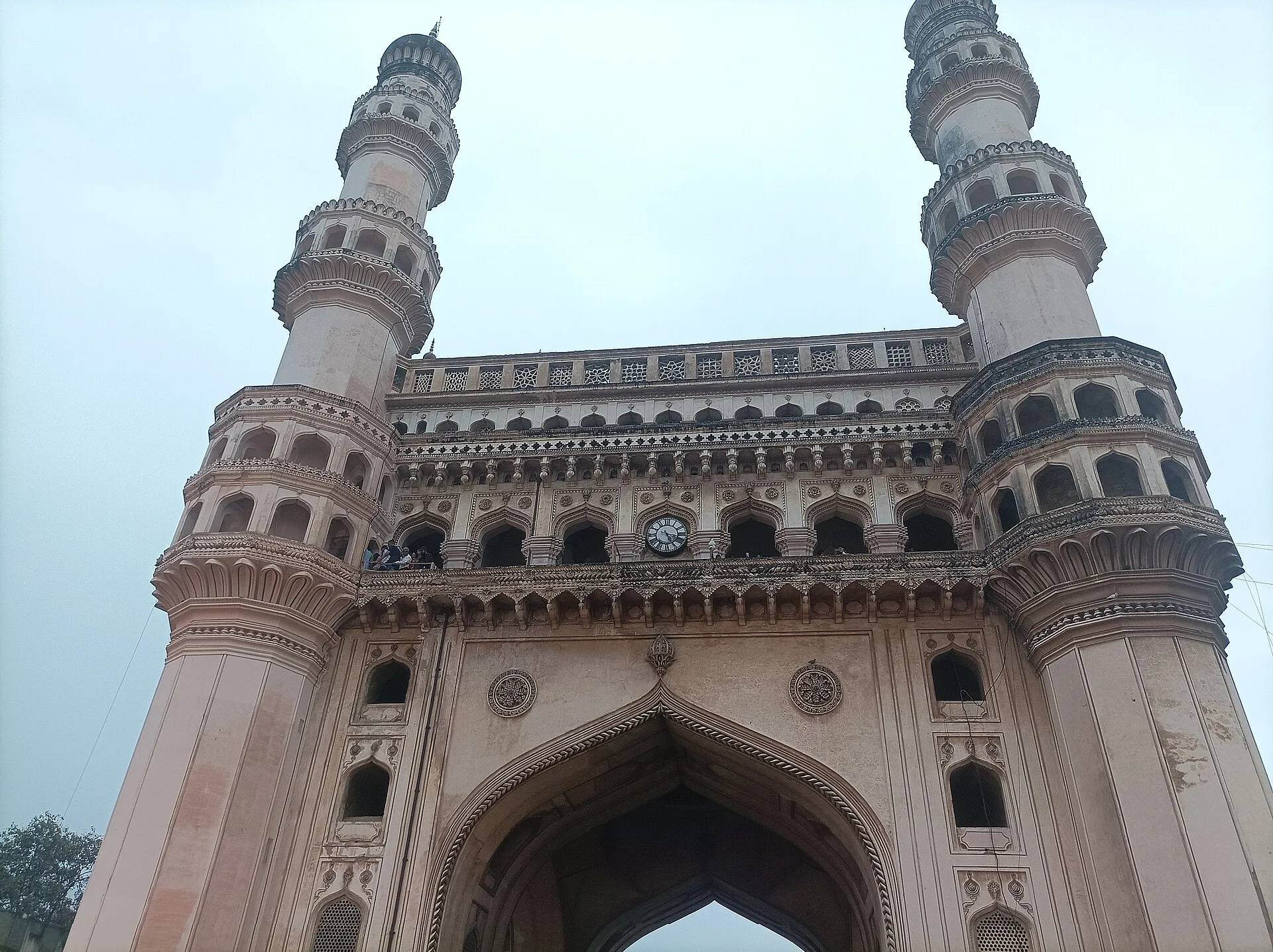
Hyderabad's pluses include a strong and modern tech economy with excellent coworking, relatively good infrastructure in the IT districts, legendary and affordable food, a plateau climate that is milder than the coast, and a clean, expanding metro. The historic Charminar area, forts, and lakes give it real character beyond the office parks. Costs stay low for the quality on offer. Drawbacks include a sprawling layout with long distances between the old city and the tech belt, heavy peak-hour traffic, and summer heat that demands constant air conditioning. It is more of a business and IT city than a leisure nomad hotspot, so the ready-made international scene is smaller than in Goa or Bangalore. English is widely used alongside Telugu and Urdu. Occasional power cuts and monsoon waterlogging remain nuisances. Overall it balances practicality, value, and culture well for a working base. Ramzan is the best month to eat here: Hyderabadi haleem, the slow-pounded wheat and meat dish sold from cauldrons across the old city at iftar, carries a geographical indication, and the stalls in the old quarter stay busy late into the night for the whole month.
Who Hyderabad Is For
Hyderabad fits nomads who want a well-run, affordable Indian city with a genuine tech backbone and solid coworking rather than a beach-party crowd. It suits remote workers in software who value proximity to a real industry and reliable-enough infrastructure near HITEC City, plus food lovers eager to work through the city's famous biryani and rich culinary mix. History and culture fans get the Charminar, Golconda Fort, and lakeside evenings. The milder plateau climate appeals to those who find coastal humidity draining. It is a good long-stay value base where low costs add up over months. It suits solo travelers and couples comfortable navigating a large, car-oriented city with cabs and the metro. It is less suited to people seeking a compact walkable town, cool mountain weather, or a large established international nomad community, since Hyderabad is more workmanlike than scene-driven.