Cost of Living in Kochi
Real market data
Source: Numbeo · August 2026
$360/moSolo nomad1-bed centre + living costs
$490/moCoupleshared 1-bed + costs
$270/moLean / localcheaper area + costs
- 1-bed rent, city centre$190₹18,000
- 1-bed rent, outside centre$110₹10,100
- Monthly costs excl. rent (1 person)$170₹16,128
- Meal, inexpensive restaurant$2₹150
- Monthly transit pass$14₹1,375
- Buy price, per m² (centre)$1,070₹102,257
Prices are from Numbeo (August 2026), converted to USD at $1 = ₹95.52 (01 Aug 2026). The monthly living-costs figure is our transparent one-person basket, groceries, a few meals out, utilities, phone, internet, transport and essentials, priced from those figures. Solo adds central rent; couple and lean are estimates from the same numbers.
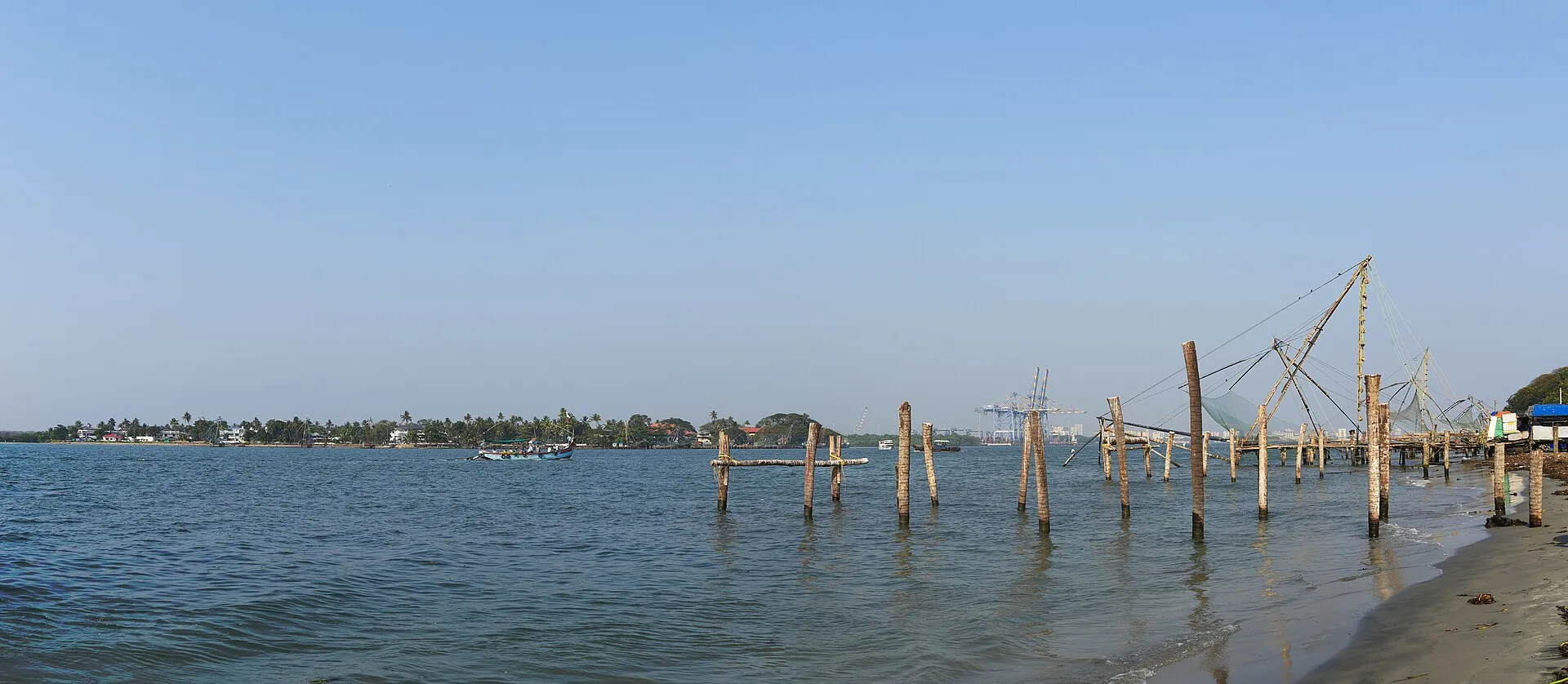
Kochi sits at the affordable end of India's major cities, and your monthly spend depends heavily on where you choose to live. The city divides roughly into Fort Kochi and Mattancherry (the historic, tourist-facing peninsula), and the mainland Ernakulam side centered around MG Road and Kakkanad.
- Rent, central Ernakulam (1BR): $120-190/month
- Rent, Fort Kochi or outer areas (1BR): $72-130/month
- Groceries (self-catering): $31-52/month
- Eating out (local meals, 2 per day): $31-62/month
- Coworking hot-desk: $41-83/month, or $2.50-4/day
- Local transport (auto-rickshaws, metro, buses): $16-31/month
- Utilities (electricity, water, often included in rent): $8.50-16/month if separate
A realistic total monthly budget runs $360-620 if you live modestly and cook sometimes. A more comfortable setup with better accommodation and regular restaurant meals lands around $620-930. This is roughly half what you would spend in Bangalore or Mumbai for equivalent quality.
Where to Work
Kochi has a solid and growing coworking scene split across two zones. Kakkanad, on the eastern fringe, is the city's IT hub and hosts the most professional spaces: Awfis (Chittoor Road, Ernakulam), Regus locations at MG Road and Info Park, and smaller operators like Incuspaze and Cove Workspaces in Kakkanad. These run $41-83/month for a hot desk and offer reliable fiber connections, power backup, and meeting rooms.
Fort Kochi, the more scenic and nomad-friendly side, has a lighter but real work culture. Kashi Art Cafe and Pepper House Cafe are well-established creative hubs where laptop workers are welcome. The standard there is more cafe-style than office-style, but the vibe suits deep-focus mornings well. WiFi varies by venue and some cafes on Princess Street are inconsistent, so test before settling in for a full day. Kerala as a state has among India's highest internet penetration, and Kochi's infrastructure is genuinely good: fiber is widely available, and 4G/5G mobile data from Jio or Airtel is a reliable backup.
If you need video calls and consistent uptime, book a dedicated coworking space rather than relying on cafes. Power cuts do occur, but every reputable coworking space has a generator or UPS.
Getting Around
Kochi is not a walking city in the traditional sense. The mainland Ernakulam area has dense traffic, and Fort Kochi is walkable only within its own small peninsula. Getting between the two requires either a ferry (scenic, cheap, around $0.05-0.10 per trip) or a 30-40 minute road journey.
Auto-rickshaws are the default for short hops. Most now accept Uber and Ola bookings, which eliminates fare negotiation. A typical cross-town auto ride runs $0.83-1.50. The Kochi Metro covers 25 km of the mainland with 22 stations and is reliable, air-conditioned, and cheap ($0.10-0.62 per ride). The Water Metro, launched in 2023, connects several waterfront areas including Vyttila and Kakkanad by boat and is genuinely useful and pleasant.
Cochin International Airport (COK) sits in Nedumbassery, about 30 km northeast of central Ernakulam. The nearest metro station is Aluva, roughly 10-12 km from the airport, reachable by prepaid taxi or auto from arrivals. A direct taxi from the airport to central Ernakulam costs around $8.50-12. Prepaid taxi counters inside arrivals are your most straightforward option on arrival.
Sorting transport? Book an airport transfer, or compare car rental on Auto Europe and QEEQ.
Visas and Staying Long-Term
India does not have a dedicated digital nomad visa. Most visitors use the e-Tourist Visa (eTV), available for 30 days ($10-25), or 1 year and 5 years ($40-80) with multiple entries allowed. On the 1-year and 5-year versions the limit that binds is 180 days in India per calendar year, however the entries are split. Trips out to Nepal, Sri Lanka, or Thailand break a stay into pieces but add no days to that total. Visa extensions inside India are rarely granted for tourists.
Best Time to Visit
The clearest window for remote work is October through February. Temperatures sit at a comfortable 22-30 degrees Celsius, humidity is lower, skies are mostly clear, and internet and power infrastructure are not stressed by storms. This is also peak tourist season, so accommodation costs can rise slightly in Fort Kochi.
The Southwest Monsoon arrives in earnest in June and hammers Kochi through September with heavy daily rain. Some days are beautiful but flooding occurs and the rain is intense, not occasional drizzle. Internet reliability during peak monsoon can dip, though coworking spaces with generator backup are less affected. March to May is hot and humid, with temperatures hitting 35-36 degrees Celsius, which is uncomfortable without consistent air conditioning. If you are budget-sensitive and do not mind rain, the monsoon months offer lower rents and fewer tourists in Fort Kochi.
Pros and Cons
- Low cost of living relative to quality of life and infrastructure
- Strong English fluency across most of the population, including service workers
- Good internet infrastructure for India, with fiber and strong mobile data coverage
- Rich food culture with exceptional Kerala seafood, biryanis, and vegetarian options at local prices
- Unique setting with waterways, colonial architecture, and a functioning arts scene (Kochi-Muziris Biennale)
- Generally safe for solo travellers including women, with a cosmopolitan, educated population
- Heavy monsoon from June to September is disruptive and can affect daily logistics
- Heat and humidity outside the October-February window are significant
- No dedicated nomad visa and 90-day stay limits require planning for longer stays
- Traffic congestion on the mainland is genuinely bad, adding time to most daytime commutes
- Nightlife is limited by Indian city standards; alcohol is more restricted in Kerala than in Goa or Bengaluru
- Fort Kochi is small and can feel slow if you need a large social scene
Who Kochi Is Best For
Kochi works well for nomads who want a lower cost base in South Asia without sacrificing quality food, decent infrastructure, or cultural richness. If you appreciate history, art, and waterfront atmosphere over nightlife and a packed social calendar, Fort Kochi in particular is a satisfying base. It suits people who can work independently, are comfortable navigating Indian bureaucracy for visas, and want a city that feels genuinely lived-in rather than built for tourists.
It is a strong fit for those on a $410-720/month budget who want to stretch that well, slow travellers spending 2-3 months in one place, and people who enjoy food-led exploration. It is less suited to those who need a large international nomad community on demand, enjoy heavy nightlife, or want to spend more than half the year in India, which the e-Tourist Visa does not allow. If the monsoon season coincides with your window, factor in reduced mobility and potential power disruptions.