Cost of Living in Leh
Where this figure comes from. No cost survey covers Leh, so the $900 a month above is our own estimate rather than a measurement. On 416 of our 999 city guides the figure is built from a published Numbeo basket, a one-bedroom rent in the centre plus one person's monthly costs without rent, converted to USD; this city is not one of them. How we source everything.
Leh is affordable, though its remoteness lifts prices on imported goods and it operates on a short, intense tourist season. A comfortable single-person budget runs roughly $700 to $1,100 a month, less in the quiet winter. Guesthouse rooms and simple flats cost about $150 to $400 for a longer stay, with rates dropping sharply once the summer crowds leave. Local Ladakhi and Indian meals are cheap. These are our editorial estimates in US dollars. Beyond a room and food, the main costs are jeep and bike trips to the monasteries, lakes and high passes. Prices here are really two sets of prices. Through the short season a guesthouse can charge three times what the same room takes in October, and the owners are not being greedy: they earn a year's income in fourteen weeks. Book a long stay and negotiate a monthly rate rather than paying nightly. Two small costs surprise people: a good sleeping bag or an extra blanket, because heating is rare and nights are cold even in July, and refillable water, since the town discourages plastic bottles and filtered refill points are the normal way to drink.
- Guesthouse room or simple flat, long stay: roughly $150 to $400 a month
- Plate of momos or thukpa: roughly $2 to $4
- Shared jeep to a monastery or viewpoint: a few dollars
- Royal Enfield motorbike rental, per day: a modest sum
Where to Work in Leh
Leh is a remote Himalayan town, not a remote-work hub, and connectivity is its biggest limitation. Internet reaches the town but can be slow and unreliable, and the wider Ladakh region has occasionally seen internet restrictions, so a stable, high-bandwidth connection cannot be assumed; test any accommodation carefully and keep a postpaid Jio or Airtel SIM, as prepaid SIMs from elsewhere often do not work in the region. There is no real coworking scene, just traveller cafes. Add the effects of high altitude on energy and focus, and Leh suits light, flexible work during a summer stay far more than constant video meetings. Plan the first week as unproductive and you will be right. Thinking at this altitude is measurably slower for most people until the body adapts, and the mistake nearly everyone makes is arriving and immediately trying to deliver something. Give it three or four days. After that, mornings are the good hours: the power is steadier, the cafes are empty, and the afternoon tends to bring the outages and the crowds. Anything that must be filed on a date should be filed a day early here, because a lost afternoon is a normal event rather than a crisis.
Getting Around Leh
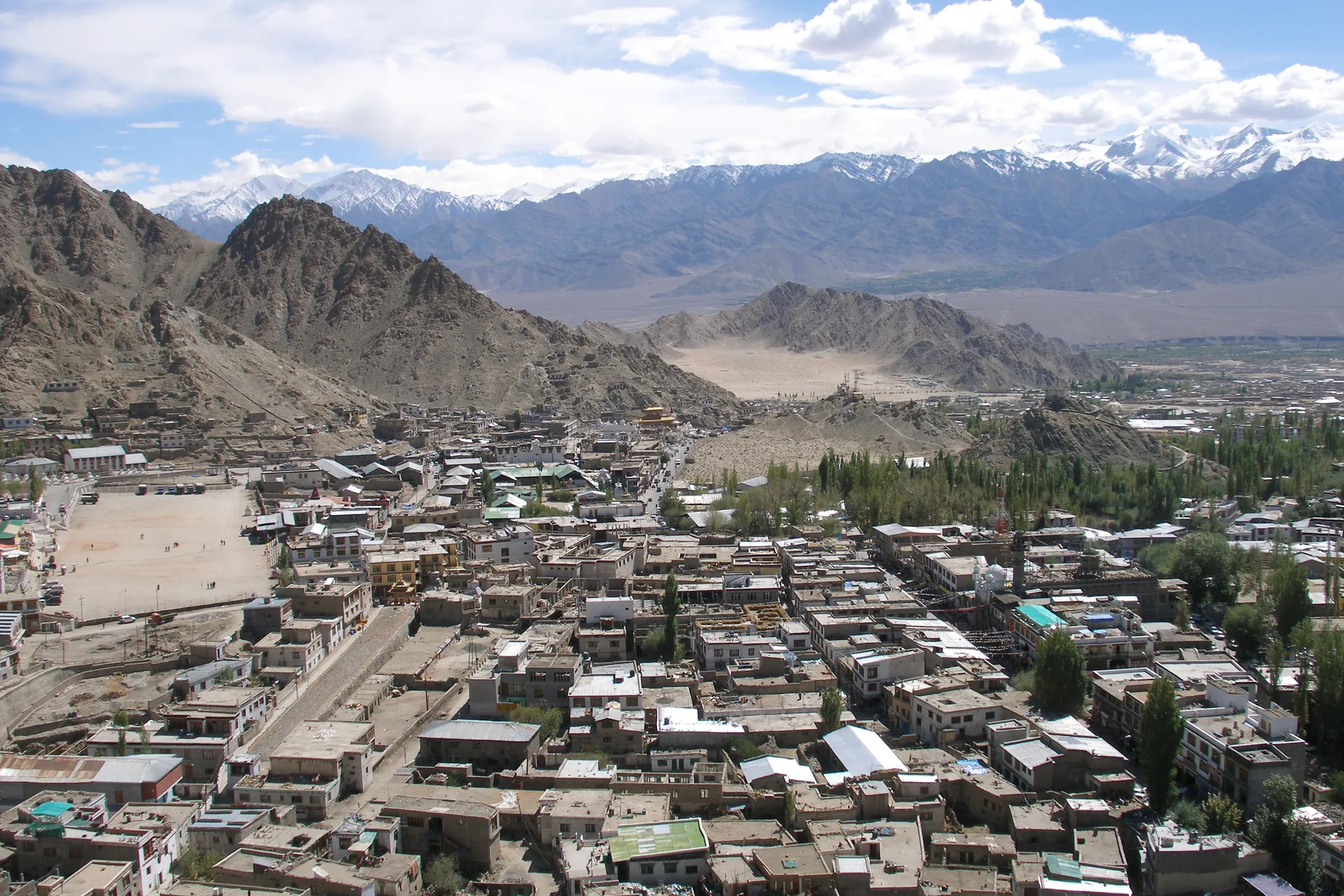
Leh town itself is compact and walkable, though at 3,500 metres even gentle uphill walks leave you breathless until you acclimatise, which takes a couple of days. Taxis and shared jeeps handle trips to the famous monasteries like Thiksey and Hemis and to the high-altitude sights, and many travellers rent motorbikes for the legendary Ladakh rides. The airport connects Leh to Delhi year-round, the most reliable way in and out. The spectacular overland roads from Srinagar and Manali, over some of the world's highest passes, are open only in summer, roughly June to September. Flights here nearly all leave in the early morning, because the wind picks up in the valley later in the day and the approach becomes unflyable, so a cancellation means waiting a day rather than a few hours. Leave a spare day before any onward flight you have already paid for. Arriving by air drops you straight from sea level onto the plateau in ninety minutes, which is why the standard advice is to do nothing at all on the first day; coming overland from the south gives the body two days to adjust and is much kinder if you have the time.
Sorting transport? Book an airport transfer, or compare car rental on Auto Europe and QEEQ.
Visas for Leh
Foreign visitors reach Leh on India's e-Tourist Visa, arranged online before arrival and issued in 30-day, one-year and five-year forms, with the longer versions allowing multiple entries, though total time in India is held to 180 days per calendar year. In addition, foreign visitors need a Protected Area Permit for areas around Leh such as Nubra, Pangong, Khardung La and Tso Moriri, issued through the district's online permit system or a local travel agent. A tourist visa does not permit local employment. Keep copies of your visa and permits. A word on the permits, because they are the part that actually bites. They are issued per area and per group, they carry a small daily environmental charge, and the checkpoints want a physical copy rather than a photograph on a phone, so print several before setting out. Some sensitive stretches near the frontier are closed to foreign passport holders altogether regardless of paperwork, and a tour operator will know which before you waste a day driving toward one. Carry the passport itself as well as the permit; both get checked.
Best Time to Visit Leh
Leh is highly seasonal. The main window is summer, from June to September, when the weather is pleasant, the passes and overland roads are open, and trekking, biking and sightseeing are all possible. This is peak season, busy and lively. From October the cold sets in fast, and winter, from December to February, is brutally cold, often well below freezing, with many businesses closed and only the hardiest travellers around for experiences like the frozen-river Chadar trek. Spring and autumn are transitional and beautiful but chilly. For a comfortable stay, come in summer. Within that window the timing still matters. Late June and early July bring the masked dances at the big monastery festivals, which are the richest cultural event of the Ladakhi year and pull crowds from across the country. August is when the roads are most likely to be cut: the monsoon barely reaches the far side of the range, but a cloudburst on the approaches can close a highway for days, which is worth knowing if you are driving in rather than flying. September is the quiet reward, clear, cold at night, and half empty.
Pros and Cons of Leh
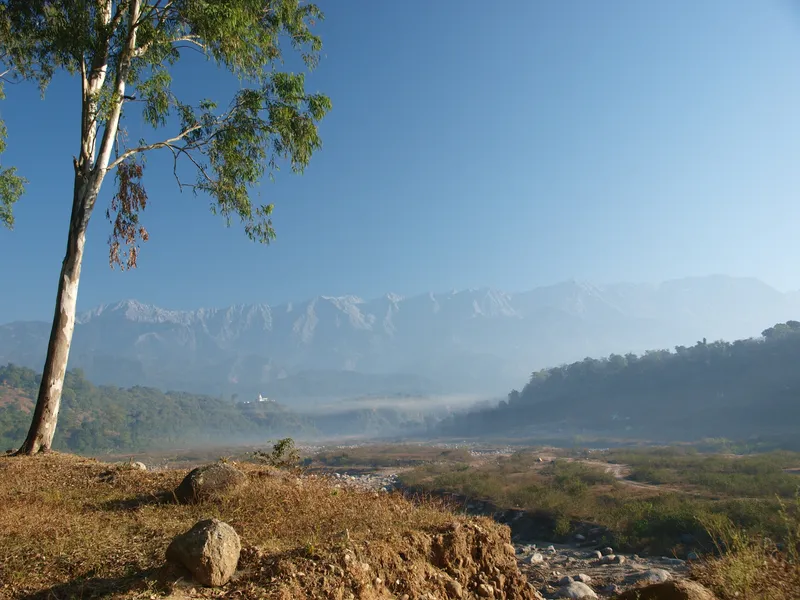
Leh offers some of the planet's most spectacular high-mountain scenery, with the trade-offs of an extreme, remote environment. The trade-off that decides it is time, not comfort. The season is about four months long, and outside it the town half closes, the passes shut and the only way out is a flight that the weather can cancel. That makes this the rare place where the question is not whether you could live here but whether you can arrange your year so that the four good months are the ones you spend working from somewhere beautiful. People who manage that describe it as the best summer of their lives. The altitude is the other real cost and it is not a matter of fitness; it flattens strong climbers and leaves out-of-shape writers fine, and there is no way to know which you are until you arrive. Come with the first week written off and a flexible ticket, and the rest takes care of itself.
- Pros: breathtaking Himalayan and high-desert landscapes, ancient Buddhist monasteries, world-class trekking and motorbiking, wonderfully clean air, a safe and welcoming atmosphere, and low costs.
- Cons: high altitude that demands acclimatisation, weak and sometimes restricted internet, a harsh climate and a short season, a remote location with limited winter access, and only a transient traveller community rather than a settled nomad scene.
Who Leh Is For
Leh is for the adventure-and-mountain nomad who wants to base themselves amid the high Himalayas for a summer of trekking, biking and monastery-hopping, and who can work comfortably with light, unreliable connectivity. Bikers, trekkers, photographers and anyone captivated by Ladakh's stark beauty and Buddhist culture will find it unforgettable. It works only as a warm-season base, and rewards those prepared for altitude and remoteness. It is a poor fit for anyone who needs fast, reliable internet, a year-round base, a nomad community or creature comforts. Come in summer, acclimatise slowly, and let Ladakh's mountains and monasteries fill your days. A sensible shape is eight to twelve weeks from late May, with a light workload agreed in advance and a client base that does not need you on camera. Anyone on a fixed meeting schedule should not attempt it. The people who do best are those with a project that travels well, a manuscript, a portfolio, a course to build, and the discipline to work early and ride or walk in the afternoon. Bring more warm clothing than the latitude suggests and more patience than the distances do.