Cost of Living in Kolkata
Real market data
Source: Numbeo · September 2026
$340/moSolo nomad1-bed centre + living costs
$490/moCoupleshared 1-bed + costs
$280/moLean / localcheaper area + costs
- 1-bed rent, city centre$150₹14,611
- 1-bed rent, outside centre$96₹9,125
- Monthly costs excl. rent (1 person)$190₹17,771
- Meal, inexpensive restaurant$2₹200
- Monthly transit pass$3₹275
- Buy price, per m² (centre)$1,130₹108,390
Prices are from Numbeo (September 2026), converted to USD at $1 = ₹95.52 (01 Aug 2026). The monthly living-costs figure is our transparent one-person basket, groceries, a few meals out, utilities, phone, internet, transport and essentials, priced from those figures. Solo adds central rent; couple and lean are estimates from the same numbers.
Kolkata is one of India's most affordable major cities, and a solo remote worker can live on around $340 per month on the Numbeo basket above, before coworking (the line items below are editorial estimates in USD). A one-bedroom apartment in a central area like Park Street, Ballygunge, or Salt Lake runs roughly $150 to $280, while outside the core you find places for $90 to $160. Groceries are very cheap at around $80 to $130 monthly, helped by abundant local markets. Eating out is where Kolkata shines: legendary street food like kathi rolls and puchka costs under $1, and a full restaurant meal rarely exceeds $5 to $8. Public transport, including the metro, buses, and iconic trams, costs mere cents per ride, keeping monthly transit under $25 even with regular ride-hailing. Coworking desks run a modest $60 to $110 monthly. The low rent and dirt-cheap, extraordinary food make Kolkata one of the best-value nomad bases anywhere in Asia.
Where to Work in Kolkata
Kolkata has a developing coworking scene, with spaces concentrated around Salt Lake Sector V, the city's IT hub, plus options near Park Street and the central business district offering desks and meeting rooms. The important caveat is that internet reliability in India is variable: a good fiber connection at home or in a coworking space is fine, but power cuts and inconsistent building wiring happen, so carry a backup. A prepaid 4G SIM from Jio or Airtel is cheap, delivers strong data across the city, and is essential insurance for keeping video calls alive when the wifi falters. Buy one on arrival with your passport. Cafe-work culture exists in the more modern coffee chains and Park Street cafes, though it is less entrenched than in Bengaluru. For dependable connectivity and air conditioning during the intense heat, a coworking membership is the safest bet for serious remote work here. College Street is the largest second-hand book market anywhere, a kilometre of stalls that has supplied this city's students for a century and a half, and the publishing trade standing behind it still employs people in a way that has died out everywhere else in the country.
Getting Around Kolkata
Kolkata has India's oldest metro, now expanding, which is cheap, fast, and a lifesaver for crossing the congested city, with fares of just a few cents. The city also runs an extensive bus network and the historic tram, a charming if slow relic. Central areas around Park Street are walkable, though pavements are crowded and traffic is chaotic, so walking is more sightseeing than efficient transport. Ride-hailing via Uber and Ola is cheap and widely used, alongside the ubiquitous yellow Ambassador taxis and auto-rickshaws for short hops; app trips often cost just $1 to $4. You absolutely do not need a car, and driving yourself here would be stressful and unnecessary. Netaji Subhas Chandra Bose International Airport connects Kolkata across India and to regional international destinations. Between the metro, cheap ride-hailing, and rickshaws, getting around is inexpensive, if best approached with patience for the traffic. Kolkata is one of the last cities anywhere where hand-pulled rickshaws still work the streets, repeatedly banned and never actually removed, and the argument about them is as much about the pullers' livelihoods as about dignity. Ferries cross the river constantly and beat the bridges at rush hour.
Sorting transport? Book an airport transfer, or compare car rental on Auto Europe and QEEQ.
Visas for Kolkata
India makes short stays easy through its e-Tourist Visa, applied for entirely online in advance, with options ranging from 30 days up to multi-year multiple-entry validity depending on your nationality. It is quick, affordable, and the standard route for most visitors. Crucially, India has no dedicated digital nomad visa, and working remotely while on a tourist visa sits in a legal grey area: the tourist visa is officially for tourism and recreation, not employment, even if your employer and income are entirely outside India. Many nomads do work quietly on tourist visas, but understand it is not formally sanctioned, so keep a low profile and do not seek local income. For anything longer term or for actual India-based work, you would need an appropriate business or employment visa.
Best Time to Visit Kolkata
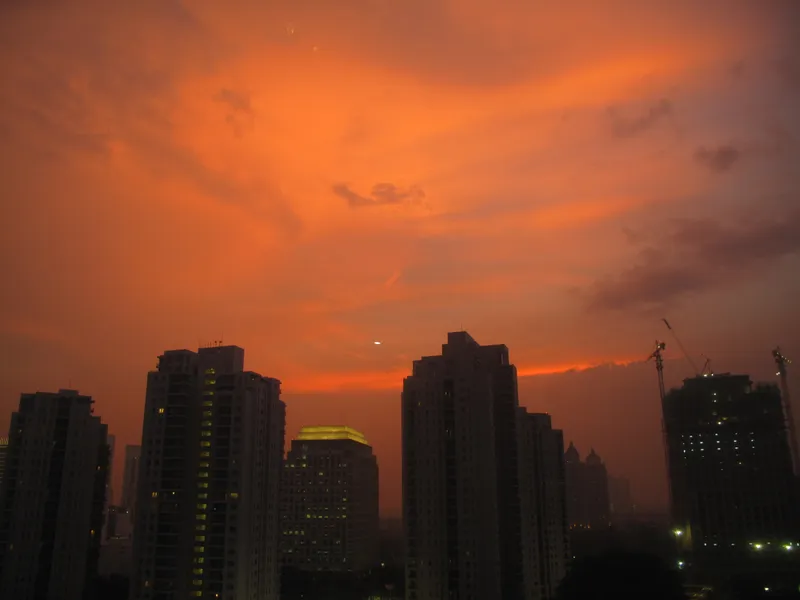
Kolkata has a tropical climate with a punishing hot and humid season, so timing your stay matters more here than in many cities. The clearly best months are the cool, dry winter from November to February, when daytime temperatures are pleasant, humidity drops, and the city is at its most livable and festive. This is the ideal window for a longer base. Avoid the pre-monsoon stretch from March to May, when heat and humidity become oppressive, with temperatures pushing into the high 30s Celsius and sticky, draining conditions. The monsoon, from June to September, brings heavy rain, flooding in parts of the low-lying city, and relentless humidity, making it the least comfortable and most disruptive time. October offers a pleasant, celebratory shoulder period around Durga Puja. In short, come in winter for comfort, and steer well clear of the hot, humid monsoon months if you can. The pre-monsoon storms that come out of the northwest in the hottest weeks are violent and short, dropping the temperature ten degrees within the hour and taking down trees and power lines as they go. They have a local name, and everybody watches for the sky turning that particular colour.
Pros and Cons of Kolkata
Kolkata's strengths are its remarkable affordability, extraordinary street food, deep cultural and intellectual heritage, grand colonial architecture, and warm, famously welcoming, literary-minded locals. It offers an authentic, un-sanitized Indian experience at rock-bottom prices, with a metro and cheap transport that make it navigable. On the downside, the summer heat and monsoon humidity are genuinely brutal, air pollution and congestion are real issues, and the infrastructure feels older and more worn than in Bengaluru or Delhi. Internet and power can be inconsistent, so backups are essential. The nomad and international community is small and the coworking scene modest, so you will not find a big ready-made expat crowd. The pace, noise, and crowds can overwhelm newcomers to India. It is a city that rewards curiosity and patience, trading polish and convenience for culture, character, and value that are hard to match anywhere else.
Who Kolkata Is For
The culturally curious and budget-minded, who want India at close quarters rather than a comfortable, ready-made expat hub, are who this is for. It is ideal for lovers of food, history, literature, art, and street life, since the city rewards wandering, conversation, and exploration at every turn. Extreme value seekers will stretch their money remarkably far here. It works best for experienced travelers, ideally with some prior India exposure, who can handle heat, crowds, noise, and variable infrastructure with patience and good humor. Slick amenities, guaranteed bandwidth and a sizeable nomad scene are none of them on offer, and as a first encounter with India this city asks a great deal too much: Bengaluru or Goa introduce the country far more gently. Come to Kolkata if you value soul, culture, incredible cheap food, and genuine human warmth over convenience, and if you visit during the cooler, comfortable winter months.