Cost of Living in New Delhi
Real market data
Source: Numbeo · September 2026
$490/moSolo nomad1-bed centre + living costs
$660/moCoupleshared 1-bed + costs
$370/moLean / localcheaper area + costs
- 1-bed rent, city centre$270₹25,923
- 1-bed rent, outside centre$160₹14,865
- Monthly costs excl. rent (1 person)$220₹20,848
- Meal, inexpensive restaurant$4₹350
- Monthly transit pass$16₹1,500
- Buy price, per m² (centre)$2,640₹252,330
Prices are from Numbeo (September 2026), converted to USD at $1 = ₹95.52 (01 Aug 2026). The monthly living-costs figure is our transparent one-person basket, groceries, a few meals out, utilities, phone, internet, transport and essentials, priced from those figures. Solo adds central rent; couple and lean are estimates from the same numbers.
New Delhi runs comfortably at $490 per month for a single nomad, and can be done for far less. A furnished monthly rental in a good central-south neighbourhood such as Hauz Khas, Safdarjung Enclave, Saket or Greater Kailash costs $300 to $550 for a one-bedroom; barsati rooftop rooms and serviced studios start nearer $200, while Lutyens' Delhi and Vasant Vihar climb well past $800. Food is very cheap: local thalis, street food and home delivery keep monthly eating at $120 to $220, with restaurant meals in Khan Market or Aerocity at $12 to $25 pushing that higher. A Jio or Airtel SIM with generous data is $5 to $10, among the cheapest in the world. Coworking hot desks run $70 to $160. Utilities are $40 to $90, with summer air-conditioning the dominant cost. Metro and cabs total $25 to $50. Value verdict: exceptional purchasing power, with air quality rather than money the real tax on living here.
Where to Work in New Delhi
South Delhi is the sensible base. Hauz Khas and its village, Saket, Greater Kailash and Shahpur Jat combine cafes, metro access and residential calm; Gurugram, technically in Haryana, holds the densest concentration of corporate coworking. WeWork, Awfis, 91springboard, Innov8 and IndiQube all operate multiple Delhi and Gurugram locations, with Awfis and 91springboard the best value. Cafe work is well established at Blue Tokai Coffee Roasters, which has numerous Delhi outlets and reliable wifi, and at the cafes around Hauz Khas Village and Champa Gali in Saidulajab, a converted lane of studios and coffee shops built for exactly this. Fibre broadband from Jio or Airtel is cheap, and 4G and 5G are fast and inexpensive, so a hotspot is a viable primary connection. No VPN is needed. Power cuts are shorter than they once were but inverters or backup are worth confirming with any landlord, especially in summer. Electricity supply here is far steadier than elsewhere in the country because distribution was privatised two decades ago, and long cuts are now unusual rather than expected, which removes the single biggest practical obstacle to working from an apartment in India.
Getting Around New Delhi
The Delhi Metro is the best in India: clean, air-conditioned, extensive, with fares of about $0.15 to $0.75 and a contactless card or the DMRC app for entry. It is the fastest way across a city where road traffic is severe. Uber and Ola both operate, and Rapido offers cheap motorbike taxis; a typical car ride across South Delhi is $2 to $6, an auto-rickshaw the same trip $1.50 to $4, best booked through an app to avoid meter arguments. Walkability is poor in most areas: footpaths are broken or absent, distances are large and summer heat and winter smog discourage it, though Lodhi Gardens, Khan Market and Hauz Khas are pleasant on foot. Indira Gandhi International Airport connects via the Airport Express in about twenty minutes to New Delhi station for roughly $0.70. Rail from Nizamuddin and New Delhi stations reaches Jaipur and Agra in a few hours. No scooter or car is necessary.
Sorting transport? Book an airport transfer, or compare car rental on Auto Europe and QEEQ.
Visas for New Delhi
India offers no digital nomad visa as of 2026, and remote work is done on a tourist entry. The e-Tourist visa is the standard route and is granted online to citizens of most Western countries, typically in 30-day, one-year and five-year variants; the one-year and five-year versions allow multiple entries, and the official cap on both is 180 days spent in India per calendar year. Apply only through the official indianvisaonline government portal, since numerous lookalike sites charge inflated fees. Tourist visas cannot generally be extended inside India; the expected pattern is to exit and re-enter, and while the old 60-day re-entry gap was removed years ago, immigration officers still scrutinise back-to-back tourist stays. Employment in India requires a separate business or employment visa. Protected Area Permits apply to parts of the northeast, Ladakh and the Andamans, none of which affect Delhi itself. Anybody on a long-stay visa has to report a change of address through the immigration portal, and the office here is the busiest in the country with appointments released online in batches. Leaving it late is the usual cause of trouble on the way out.
Best Time to Visit New Delhi
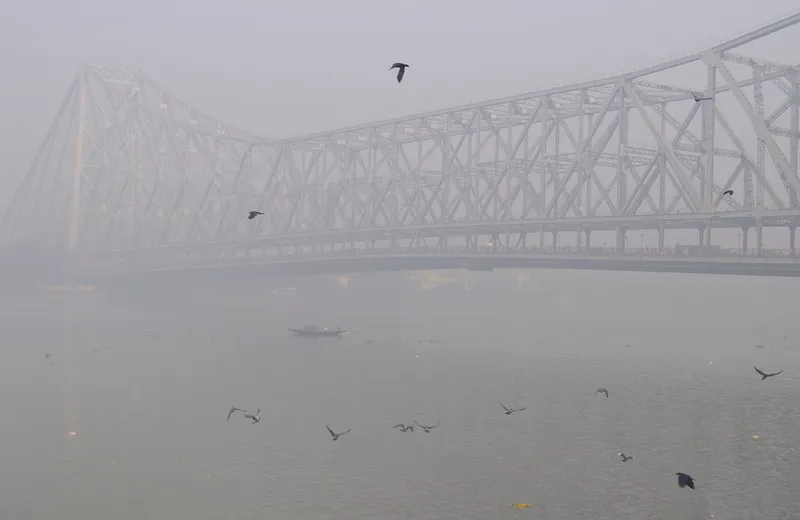
Delhi's year has one clearly good stretch and several difficult ones. October to March is the season, with the sweet spot from late October to early December and again in February and March: dry, sunny, highs of 20C to 28C. Deep winter, late December and January, is cool at 5C to 18C and afflicted by dense fog that delays flights and trains, compounded by the city's worst air pollution, which peaks after Diwali as crop stubble burning coincides with cold stagnant air. April and May are punishingly hot, regularly above 40C and touching 45C, with hot loo winds. The southwest monsoon arrives around late June and runs through September, breaking the heat but bringing humidity, flooding and waterlogged roads. Holi falls in March, Diwali in October or November, and Durga Puja and Dussehra in the autumn; all are worth planning around, and the air after Diwali is the single biggest reason to avoid November.
Pros and Cons of New Delhi
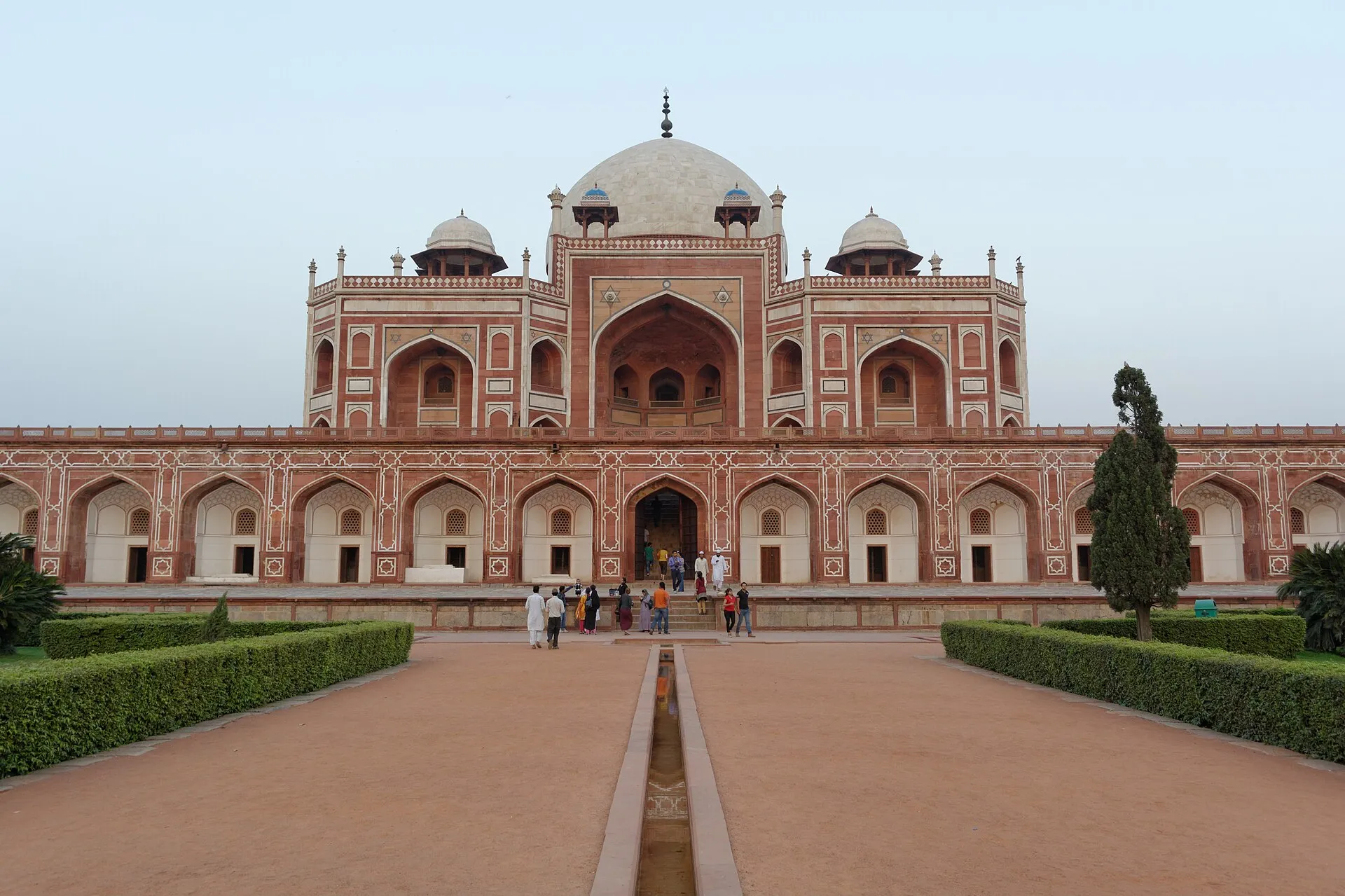
Delhi delivers enormous value and depth. The cost of living is extremely low relative to the quality of housing, food and coworking available, mobile data is world-beating in price and speed, no firewall or VPN complicates work, and English is widely spoken in professional and urban settings, making daily life far easier than in China. The metro is excellent, the coworking sector is mature and competitive, and the historical layers, from Mughal tombs to Lutyens' avenues, are extraordinary. Rail and cheap flights open the whole subcontinent. Indira Gandhi International, the busiest airport in India, adds direct flights to Europe, the Gulf, East Asia and North America. The overwhelming drawback is air quality: winter pollution in Delhi routinely reaches hazardous levels and represents a genuine health cost, not an inconvenience. Summer heat above 45C is dangerous, monsoon flooding disrupts the city, traffic and noise are relentless, and walkability is poor. Women travellers consistently report Delhi as less comfortable than southern Indian cities. Bureaucracy, scams targeting new arrivals, and inconsistent power and water in cheaper housing add friction.
Who New Delhi Is For
New Delhi fits the nomad who wants maximum purchasing power in a large, English-functional city with real professional infrastructure: founders and freelancers working with Indian teams, journalists and researchers, consultants in tech or development, and long-haul travellers using the capital as a base for the subcontinent. It rewards those who plan around the calendar, arriving in October or February and leaving before the November smog and the May heat. Budget-conscious workers who want a $400 flat, $8 monthly data and $100 coworking will find few equivalents anywhere. Asthma, allergies or any respiratory sensitivity rule this out entirely, because the winter air is disqualifying rather than merely unpleasant. Walkability, quiet and outdoor exercise are also in short supply for anyone who ranks them near the top. Those seeking a gentler Indian introduction should consider Bengaluru, Goa or Pondicherry; those wanting a beach or mountain lifestyle will be happier in Rishikesh, Dharamshala or the coast.