Cost of Living in Dharamshala
Where this figure comes from. No cost survey covers Dharamshala, so the $750 a month above is our own estimate rather than a measurement. On 416 of our 999 city guides the figure is built from a published Numbeo basket, a one-bedroom rent in the centre plus one person's monthly costs without rent, converted to USD; this city is not one of them. How we source everything.
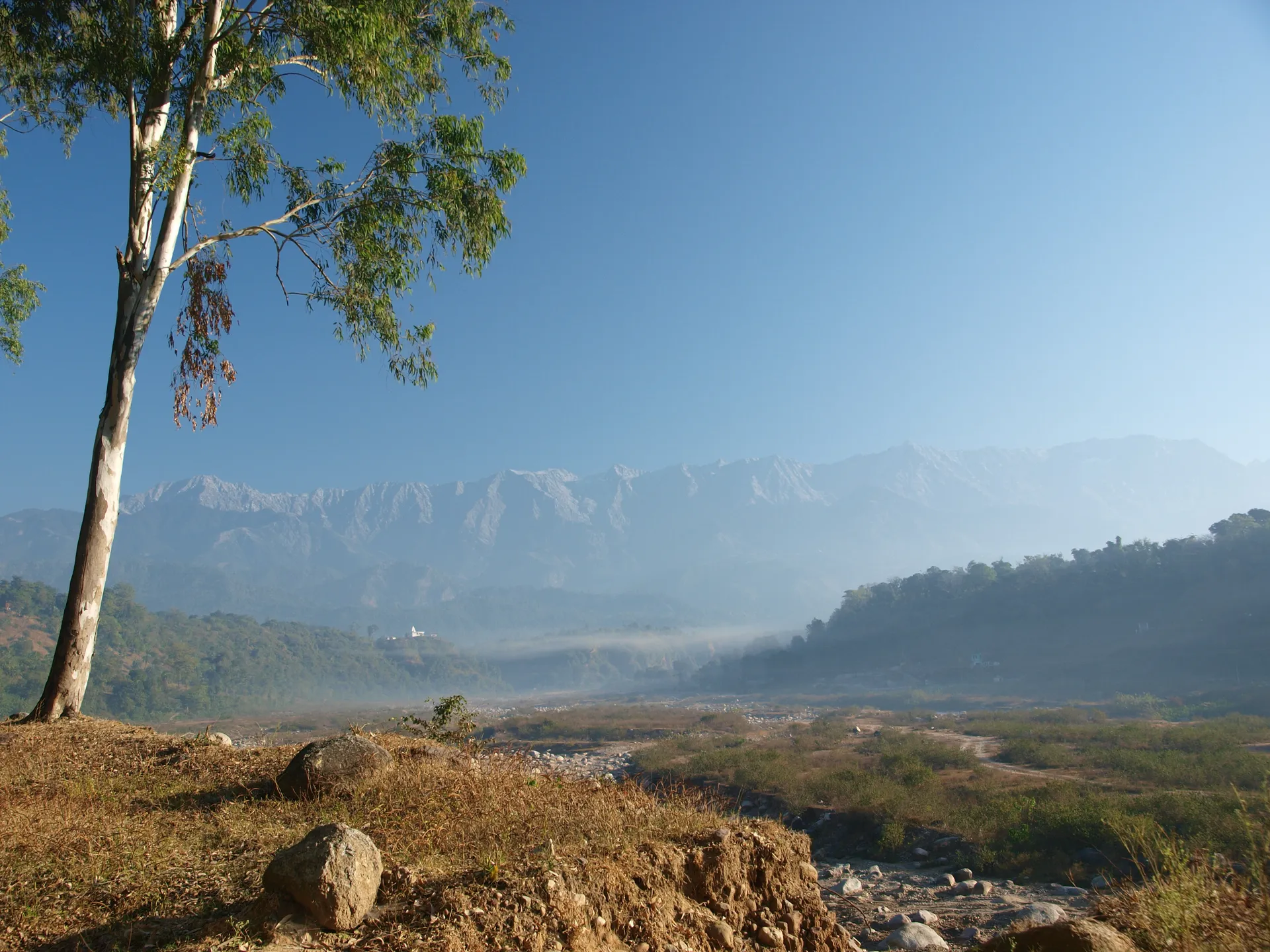
Dharamshala, and the traveller hub of McLeod Ganj above it, is very affordable, one of the cheaper Himalayan bases in India. A comfortable single-person budget runs roughly $650 to $1,050 a month. Guesthouse rooms and simple flats in McLeod Ganj or the quieter villages nearby rent long-term for about $150 to $400, and local Tibetan and Indian meals cost just a couple of dollars. These are our editorial estimates in US dollars. With a decent room and a backup connection, daily life here stays remarkably cheap, and the biggest variable is how central and view-blessed your place is. Water is the constraint nobody budgets for. The upper town runs short through the dry spring months and many guesthouses buy in tanker deliveries, a cost that reaches the guest one way or another, so ask how a building is supplied before taking a long let. Heating is the other seasonal line: nothing here has central heating, winters are cold enough to need a gas heater or a blanket with a plug, and both cost money to run. Anything delivered up the hill also carries a markup, which is why a shop in the lower town is cheaper for the same item.
- Guesthouse room or flat, long stay: roughly $150 to $400 a month
- Plate of momos or a Tibetan thukpa: roughly $1.50 to $3
- Taxi up to McLeod Ganj or a trailhead: a few dollars
- Drop-in yoga or meditation class: a modest sum
Where to Work in Dharamshala
Dharamshala has grown a real traveller and long-stay scene around McLeod Ganj, and its working setup has improved to match, though the mountains impose limits. Fibre and 4G reach the main areas, but speeds can be inconsistent and drop during heavy rain or power cuts, so test any accommodation's connection before relying on it for calls and keep a Jio or Airtel SIM as backup. The cafes of McLeod Ganj and Bhagsu, many with mountain views, are the de facto offices, and a small number of coworking and hostel work corners have appeared. The cool climate makes for comfortable, focused working days between treks. Plan the calendar around the monsoon rather than around the week. July and August are among the wettest months anywhere in the country, and a stretch of heavy rain can take the power and the line down for a day or more at a time while the road below is cleared. Anyone with hard deadlines should simply not be here in those two months. The rest of the year the setup is better than the altitude suggests, partly because the Tibetan administration and its institutions give the town a professional layer that few hill stations of its size can match.
Getting Around Dharamshala
Dharamshala sprawls up a steep hillside, with lower Dharamshala, the seat of Tibetan administration at Gangchen Kyishong, and McLeod Ganj at the top where most travellers stay. It is a place of steep walks and short taxi hops rather than easy strolling, so expect some climbing. Buses and shared taxis link the levels and the surrounding villages of Bhagsu, Dharamkot and Naddi, and trails lead up toward Triund and the Dhauladhar peaks. Gaggal airport, about forty minutes below, has flights to Delhi, and overnight buses and trains via Pathankot connect to the plains. A cable car now runs between the lower town and the upper one, which cuts a slow, winding road journey to a few minutes and is the pleasantest way to make that trip. It closes in high wind. On foot, the walk between the upper town and the neighbouring villages takes twenty minutes through pine forest and is how most long-stayers move between them, though the paths are unlit and slick after rain. The overnight coach from the capital takes about twelve hours and is the standard arrival; the flights are frequently cancelled for weather.
Sorting transport? Book an airport transfer, or compare car rental on Auto Europe and QEEQ.
Visas for Dharamshala
Foreign visitors reach Dharamshala on India's e-Tourist Visa, arranged online before arrival and issued in 30-day, one-year and five-year forms, with the longer versions allowing multiple entries and up to 180 days in India in a single calendar year. A tourist visa does not permit local employment, though remote work for a foreign employer sits in the same grey area many long-stayers occupy. Keep copies of your visa. Volunteering comes up here more often than in most places a traveller passes through. A great many visitors end up teaching English or helping at a monastery or a refugee organisation, and strictly speaking unpaid voluntary work sits outside what a tourist entry permits, with a separate employment category existing for it. In practice short informal help is widespread and rarely questioned; a formal placement of several months at a registered organisation is a different matter and worth asking the organisation about rather than assuming. Himachal is also a border state, so hotels record passport details carefully.
Best Time to Visit Dharamshala
Dharamshala sits in the Himalayan foothills, giving it a cool, refreshing climate compared with the plains. The best times to visit are spring, from March to June, when the hills are green and the weather mild, and autumn, from September to November, with clear skies and crisp mountain air ideal for trekking. The monsoon of July and August is intense here, as this is one of the wettest parts of India, bringing heavy, prolonged rain, landslide-prone roads and cloud that hides the peaks. Winter, from December to February, is cold with occasional snow, atmospheric but chilly. Aim for spring or autumn. The town has one calendar that visitors should check before anything else. Public teachings by the Dalai Lama are held at the main temple several times a year on published dates, and when one is on, every room in the upper town is taken and the streets fill with pilgrims from across the mountains and beyond. Registration is free but must be done in advance with a passport. The new year celebrated by the exile community falls in late winter and is the other week when the place is at its most alive and least available.
Pros and Cons of Dharamshala
Dharamshala pairs Himalayan beauty and Tibetan culture with a genuine, if small, traveller community. Worth understanding what the exile community here actually is, because it is not a cultural flavour. The government in exile has sat in this town since 1960, the Dalai Lama lives here, and tens of thousands of refugees have made a second home of it; the monasteries, the schools, the museums and the political life around them are a functioning society rather than a heritage display. Spend time with it and the town becomes a great deal more interesting than the hiking brochure suggests. The practical costs are the mountains being mountains. Two months of the year are effectively unusable because of the rain, the roads and the connection go down together, medical care beyond the basic means a trip to the plains, and the traveller population turns over constantly so the community is warm and shallow at the same time.
- Pros: spectacular mountain scenery and superb trekking, a rich Tibetan Buddhist culture centred on the Dalai Lama's residence and monasteries, a thriving yoga and meditation scene, low costs, a cool climate, and a real community of travellers and long-stayers.
- Cons: patchy internet, a punishing monsoon, steep terrain that makes daily life a climb, cold winters, and a remote location with long journeys to reach it. Cleanliness can also be strained by heavy tourist traffic.
Who Dharamshala Is For
Dharamshala is for the mountain-and-spirit nomad who wants Himalayan trails, Tibetan culture and a yoga-and-meditation scene over comfort and fast infrastructure. Trekkers, wellness seekers, writers and anyone drawn to monasteries, momos and mountain air will find it hard to leave, and the McLeod Ganj community makes it easy to meet like-minded people. It suits flexible, lower-bandwidth work and a tolerance for steep paths and rain. It is a poor fit for those who need fast, guaranteed internet, a large coworking hub, or an easy, flat, connected base. Come in spring or autumn, settle in McLeod Ganj or Dharamkot, and let the Dhauladhar peaks set the tone. The natural shape is two stays rather than one: March to June, then September to November, with the wet months spent anywhere else. That gives you the whole good season twice over and avoids the part that defeats people. Choose between the villages carefully, because they are genuinely different: the upper town is busy and full of travellers, the forested village above it is quieter and more residential, and the administrative town below is where the ordinary life of the place happens. Spend a week before signing anything for a month.