Cost of Living in Coorg
Where this figure comes from. No cost survey covers Coorg, so the $650 a month above is our own estimate rather than a measurement. On 416 of our 999 city guides the figure is built from a published Numbeo basket, a one-bedroom rent in the centre plus one person's monthly costs without rent, converted to USD; this city is not one of them. How we source everything.
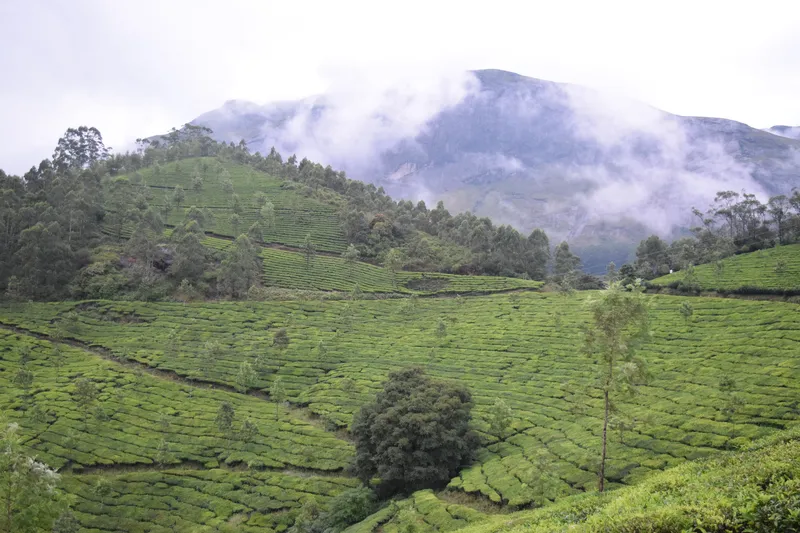
Budget roughly $650 a month as a solo remote worker in Coorg, the district around Madikeri in the Western Ghats. A one-bedroom house or a room on an estate runs about $180 to $320, and homestays on coffee plantations, which are the characteristic accommodation here, offer monthly rates that often include meals. Groceries land around $130 to $180. A meal at a local place is $1.50 to $3, a restaurant dinner $6 to $12, and Coorg's own coffee, pork curry and kadumbuttu rice dumplings are the local table. A scooter rental is $50 to $80 a month and is close to essential. Utilities add $30 to $70; nobody needs air conditioning at this altitude. The estates set the local economy and they are smaller than the word plantation suggests: most holdings are family-run and measured in tens of acres, grown under native shade trees rather than in open rows, which is why the district reads as forest from a distance. Coffee is bought at the farm gate for a fraction of what a European roaster pays, and pepper and cardamom grow on the same land, so a homestay that feeds you is often selling you three of its own crops without mentioning it.
Where to Work in Coorg
Coorg has no coworking space and no prospect of one; this is a rural coffee district rather than a town. Remote workers here work from a homestay or a rented house, and the connection is the thing that decides whether it is viable at all. Fixed-line broadband reaches Madikeri and the larger villages and is adequate rather than fast; on the estates it varies from usable to absent. Mobile 4G covers the main roads and thins in the valleys. Anyone whose work depends on video calls should test a specific property before committing and should budget for a mobile backup. Power cuts are routine, particularly in the monsoon. The Kodava are the reason this district feels unlike the state around it. They speak Kodava thakk rather than Kannada, they were a separate province of India until 1956, and they hold the only general exemption from the Indian Arms Act, which lets them keep firearms without a licence, a right tied to their military history. Coorg produced two of independent India's most senior soldiers, Cariappa and Thimayya, from a population smaller than a mid-sized town. English is widely spoken on the estates and in the homestays, and Kannada handles everything official.
Getting Around Coorg
Coorg is a district rather than a city, and Madikeri, its main town, is small enough to walk across in twenty minutes. Everything else, the estates, the waterfalls, Talakaveri, the Tibetan settlement at Bylakuppe, is spread across hills and needs transport. A scooter or motorbike is the standard solution and the roads are narrow, winding and beautiful. Buses connect the towns and run to Bangalore in five to six hours and Mysore in three. There is no railway and no airport in the district; Mangalore is about four hours and Bangalore's airport five to six. That isolation is the price of the setting and shapes everything about living here. The other thing on the roads is elephants. Human-elephant conflict in Kodagu is serious and ongoing, because the estates sit across old migration routes and the animals move through them at night, and villages run warning networks by phone through the worst months. Riding a scooter after dark on estate roads is the specific thing local people avoid, and that advice is better taken from them than from a rental agency.
Sorting transport? Book an airport transfer, or compare car rental on Auto Europe and QEEQ.
Visas for Coorg
India requires a visa in advance for almost all nationalities. The e-Tourist visa is obtained online and comes in 30-day, one-year and five-year forms, with the longer versions permitting multiple entries within an overall limit of 180 days per calendar year. India has no digital nomad visa, and working remotely on a tourist visa sits in the usual grey area. The e-Business visa exists for commercial activity. Registration with the FRRO is required for stays beyond 180 days on some visa types. Rules and permitted stay lengths differ by nationality more than in most countries, so check the specifics for your passport. Bylakuppe carries a rule most visitors never hear about: it is a protected area, and a foreigner staying overnight in the Tibetan settlement needs a Protected Area Permit issued by the Ministry of Home Affairs, applied for well ahead. Day visits to the monastery are not restricted the same way, but an overnight stay without the permit is a genuine problem rather than a formality. It is the one immigration rule specific to this district and it catches people who assume a tourist visa covers everywhere in the country.
Best Time to Visit Coorg
October to March is the season in Coorg: dry, clear and comfortable, with daytime temperatures in the mid twenties and nights cool enough for a blanket, which at 1,100 metres is the point of the place. The coffee blossom, usually in February or March after the first rains, is a short and spectacular window. The monsoon from June to September is heavy and sustained, with the Western Ghats among the wettest places in India; it is green and dramatic and also brings landslides that close roads, along with leeches on every trail. April and May are warm and hazy. Most visitors come between October and January. The monsoon here stopped being merely inconvenient in 2018, when sustained rain triggered landslides across Kodagu that killed people, cut roads for weeks and displaced thousands, and slips have recurred in wet years since. Estate roads and hill routes are the ones that go. The Kodava calendar sits either side of it: Kail Podh in September marks the end of the planting and is the festival at which the household weapons are brought out and cleaned, and Puttari, the harvest, falls in November or December.
Pros and Cons of Coorg
Coorg offers a cool, green, mountainous corner of India where the temperature rarely troubles you and the landscape is coffee estates, cardamom and rainforest. Costs are very low, homestays are a genuinely pleasant way to live, and the Kodava culture, with its own language, martial traditions and cuisine, is distinct from anything around it. Bangalore is a day's drive for anything the district cannot supply. Connectivity is what caps a stay here, and no claim made about it in a listing should be taken on trust. It is rural: healthcare beyond a local hospital means Mysore or Mangalore, there is no community of remote workers, and the monsoon closes roads for days at a time. The Kaveri rises at Talakaveri in these hills, and what happens to it downstream is one of the longest-running interstate disputes in India: Karnataka and Tamil Nadu have argued over the allocation for more than a century, through tribunals, Supreme Court rulings and periodic riots in Bangalore and Chennai. Living at the source of that is a strange position, and it is why the Kaveri Sankramana in October, when the spring at Talakaveri surges, draws pilgrims from two states rather than one district.
Who Coorg Is For
Living in the hills rather than in a town, with asynchronous work or work light on bandwidth, and your own company for most of it. Walkers, birders and motorcyclists all get something out of these hills. The heat of the Indian plains does not reach up here, which is why writers and researchers come for a quiet stretch of several weeks at a time. Couples handle the isolation better than solo arrivals. Dependable video calls are the thing this district cannot promise, there is no social scene among the estates, healthcare means a long drive, and nightlife is not a category that applies here. Bangalore is five hours away with all of it, and Mysore is the nearest proper city at three. It suits somebody researching biodiversity or agriculture, because shade-grown coffee under a native canopy is a live argument in conservation and this district is the largest working example of it in the country. It suits a birder without qualification: the Western Ghats are a global hotspot and the estate edges are as productive as the reserves. Anyone who needs a hospital within twenty minutes should look at Mysore instead, because that is a three hour drive from most of Kodagu and the road is the first thing the monsoon takes.
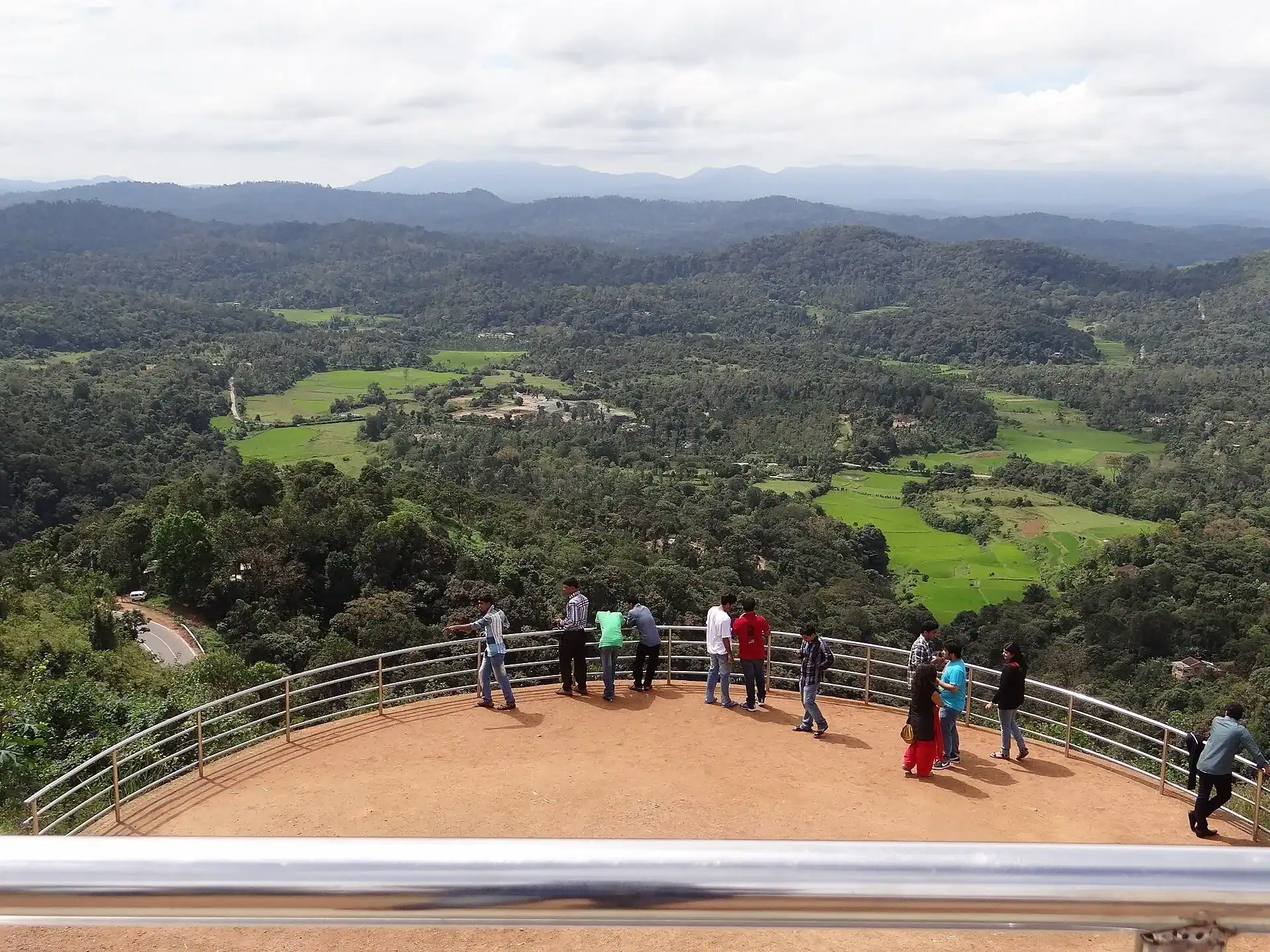 Photo: Pawanrao / Wikimedia Commons (CC BY-SA 4.0)