Cost of Living in Davao
Real market data
Source: Numbeo · August 2026
$690/moSolo nomad1-bed centre + living costs
$1,020/moCoupleshared 1-bed + costs
$580/moLean / localcheaper area + costs
- 1-bed rent, city centre$280₱17,300
- 1-bed rent, outside centre$180₱10,760
- Monthly costs excl. rent (1 person)$410₱24,976
- Meal, inexpensive restaurant$5₱300
- Monthly transit pass$14₱850
- Buy price, per m² (centre)$1,660₱101,733
Prices are from Numbeo (August 2026), converted to USD at $1 = ₱61.25 (01 Aug 2026). The monthly living-costs figure is our transparent one-person basket, groceries, a few meals out, utilities, phone, internet, transport and essentials, priced from those figures. Solo adds central rent; couple and lean are estimates from the same numbers. The guide below quotes its own monthly range, which is a different measurement rather than a competing one: this table prices a defined basket at the figures above, while that range is a judgement about how somebody actually lives here.
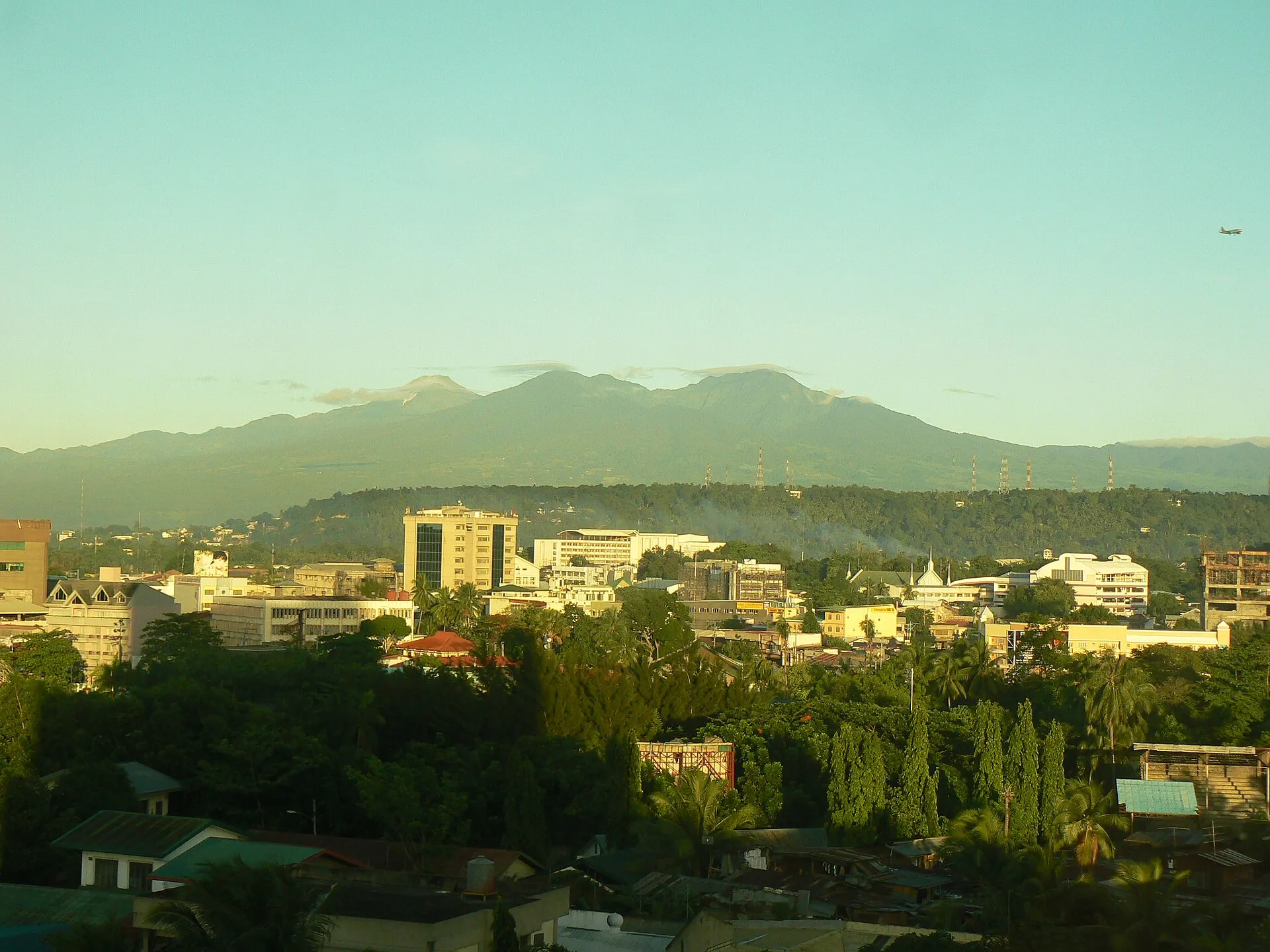
Davao is one of the most affordable large cities in the Philippines. A comfortable solo nomad budget runs between $655 and $1,140 per month, depending on your accommodation and habits.
- Rent, central (Lanang, Bajada, Poblacion): $295 to $540 for a furnished 1-bedroom
- Rent, cheaper areas (Buhangin, Matina): $195 to $325 for a furnished 1-bedroom
- Groceries: $98 to $165 per month at local markets and supermarkets
- Eating out: $1.50 to $3.50 for a local meal; $5 to $11 at a sit-down restaurant
- Coworking hot-desk: $6.50 to $10 per day; monthly plans from $65 to $130
- Local transport (Grab, jeepney, tricycle): $24 to $49 per month
- Utilities (electric, water, internet): $57 to $98; electricity is the biggest variable if you run aircon heavily
- Total range: $655 to $1,140/month
Fiber internet through PLDT or Converge costs $20 to $33 per month for a home plan. Durian and tropical fruit at the market are surprisingly cheap. Fresh local seafood keeps grocery and dining costs very manageable.
Where to Work
Davao has a small but functional coworking scene concentrated in its business districts. Dedicated spaces include Epicenter Coworking in downtown Poblacion, iHub CoWorking and Bistro on JP Laurel Avenue in Bajada (open 24/7), WFC.DVO with all-day passes from $6.50, and Regus at Topaz Tower in Damosa IT Park. Most charge $6.50 to $10 per day for hot-desking.
Cafe-working is common and generally accepted. Purge Coffee Roaster on Tulip Drive is the go-to for specialty coffee and quiet focused work, open until 11pm. Glasshouse Coffee in the heritage district is visually striking but often has no in-house WiFi, so bring a hotspot.
The real WiFi situation: in central districts like Lanang, Bajada, and Poblacion, fiber connections on Converge or PLDT reliably reach 70 to 90 percent of advertised speeds during off-peak hours. Coworking spaces in these areas are consistently fast enough for video calls. Outside the center, speeds drop noticeably. LTE via Globe or Smart is a reliable backup but can be congested in the evening. Overall, Davao is workable for remote work, not exceptional.
Getting Around
Davao is a large, spread-out city. It is not walkable beyond short distances within specific neighborhoods. You will rely on a combination of jeepneys, tricycles, and Grab.
- Jeepney: Fixed routes, minimum fare under $1 for the first 4 km. Good for commutes along main roads but routes can be confusing at first.
- Tricycle: For short inner-street trips, fares start at under $1.
- Grab: The most practical option for nomads. Fares are predictable, drivers are trackable via the app, and cashless payment works. City-center trips typically run $1.50 to $3.50.
- Francisco Bangoy International Airport: Located about 10 km north of the city center. A taxi to the center costs $3.50 to $5; Grab is similar or slightly cheaper. Jeepneys heading to the city pass the main road outside the terminal for under $0.50 if you walk out to the highway.
For day trips to nature areas, renting a motorcycle ($5 to $8/day) or hiring a van gives you the most flexibility.
Sorting transport? Book an airport transfer, or compare car rental on Auto Europe and QEEQ.
Visas and Staying Long-Term
Most Western passport holders including US, UK, EU, Australian, and Canadian nationals receive a 30-day visa-free entry stamp on arrival. This can be extended at the Bureau of Immigration for additional 29-day increments, up to a maximum stay of around 36 months before a required exit.
Executive Order No. 86, signed in April 2025, authorised the Department of Foreign Affairs to issue a Digital Nomad Visa of up to one year, renewable, to remote workers whose income comes from outside the Philippines. As of September 2026 it cannot be applied for: the Bureau of Immigration lists no digital nomad category, and no application form or fee has been published. The order also limits the visa to nationals of countries that offer Filipinos a comparable visa, which neither the US nor the UK does.
For most short-term nomads, the on-arrival 30-day stamp with easy extensions remains the simplest route.
Best Time to Visit
Davao sits outside the main Philippine typhoon belt, which is a significant advantage over Cebu or Manila. It does not experience the dramatic storm seasons that affect northern and central parts of the country.
The dry season runs roughly November through May, with the most reliably sunny weather from December to April. Temperatures stay between 25 and 32 degrees Celsius year-round with high humidity. The wetter months are June through October, with August and September seeing the most rainfall.
For remote work, the dry season from January to April is the sweet spot: lower humidity, more sunshine, fewer power disruptions, and easier access to outdoor activities on weekends. December is festive and busy with local events. The Kadayawan Festival in August is a major cultural draw but coincides with peak rain.
Pros and Cons
- Low cost of living compared to Manila, Cebu, or most Southeast Asian capitals
- Regarded as one of the safest cities in the Philippines, with a noticeably calmer street atmosphere
- English widely understood in business and daily interactions
- Fresh local food, abundant seafood, tropical fruit, and a growing restaurant scene
- Outside the typhoon belt, so fewer weather-related disruptions than northern Philippines
- Access to nature: Mount Apo (highest peak in the Philippines), beaches, and waterfalls within a few hours
- Limited international flights: fewer direct connections than Manila or Cebu, often requiring a layover
- Small nomad and expat community: fewer coworking options, less of a built-in community versus Cebu or Chiang Mai
- Not walkable: you need transport for most daily tasks
- Quieter nightlife: a strength for some, a drawback for others who want a social scene
- High humidity year-round makes outdoor time uncomfortable during the middle of the day
- Digital nomad infrastructure is still developing: fewer coworking spaces and coliving options than more established hubs
Who Davao Is Best For
Davao works well for nomads who want a genuinely low-cost base without sacrificing safety or comfort. If you value a quieter pace, real local culture over tourist infrastructure, and easy access to the outdoors, Davao rewards you. It suits people who already have their work setup sorted and are not relying on a large nomad community for social life or networking. Long-stay visitors who want to stretch a budget while exploring Mindanao will find it practical.
Skip Davao if you need frequent international flight connections for client travel, a large English-speaking nomad community, or a lively bar and nightlife scene. It is also not the right base if you need very high-bandwidth internet for video production or large uploads, since connections outside coworking spaces can be inconsistent. Nomads who do better in established hubs with dense coworking scenes and organized events will find Cebu or Manila more fitting.