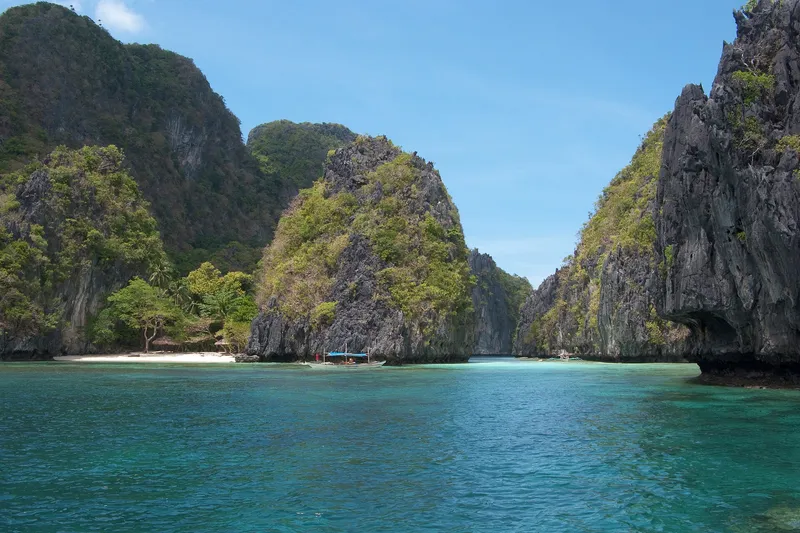
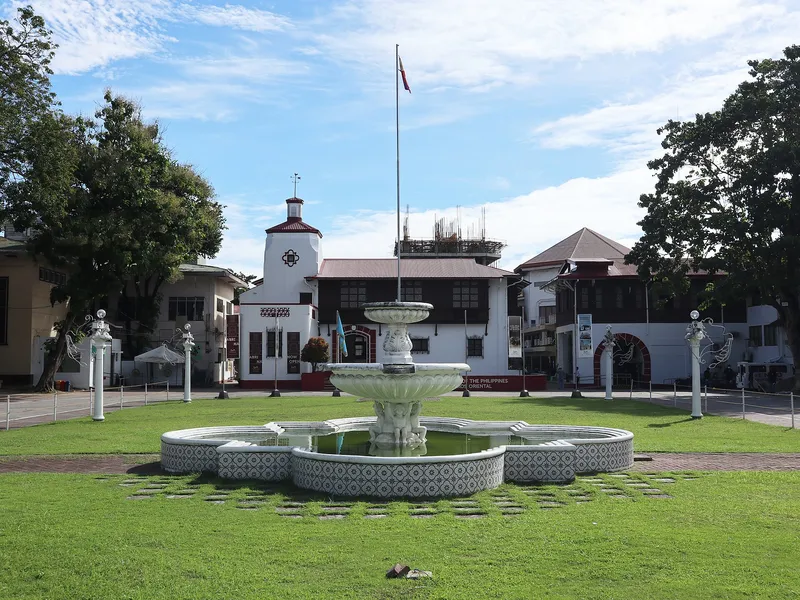
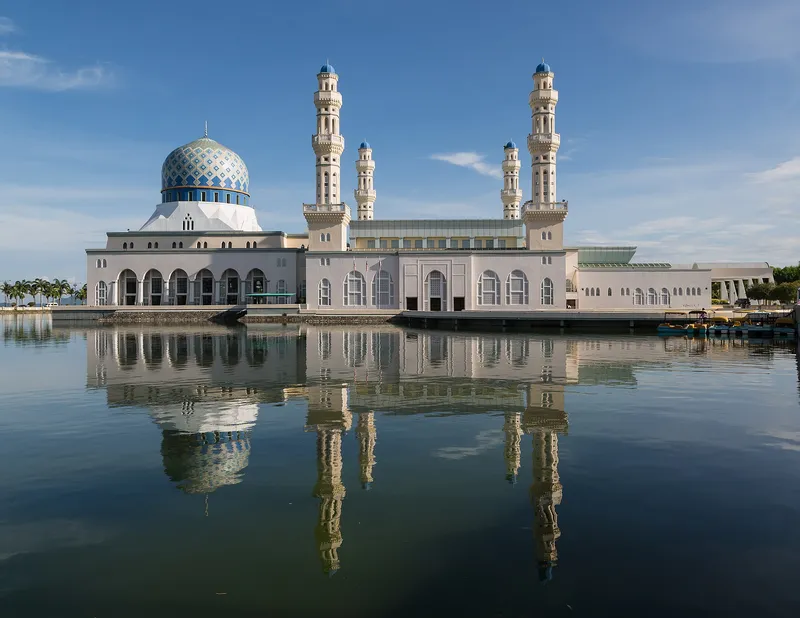
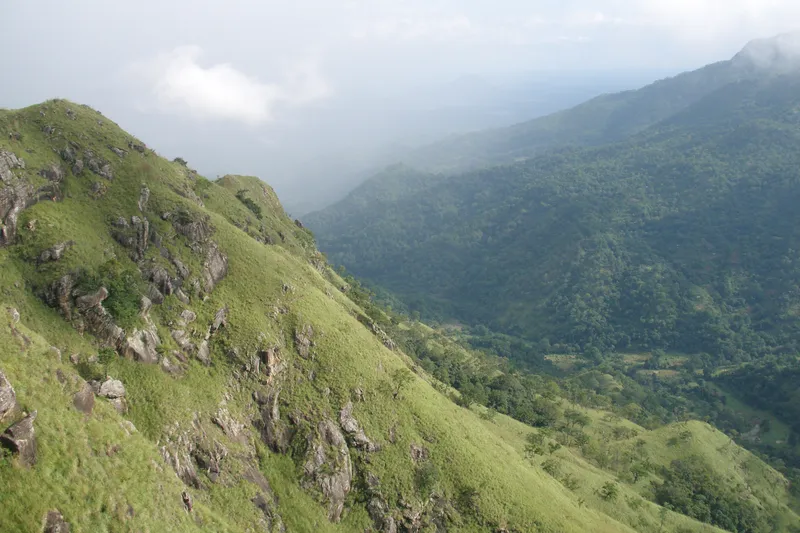
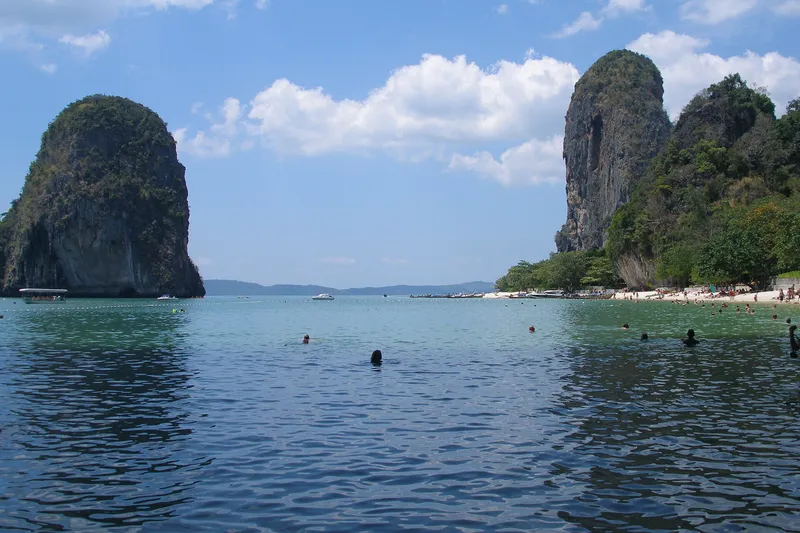
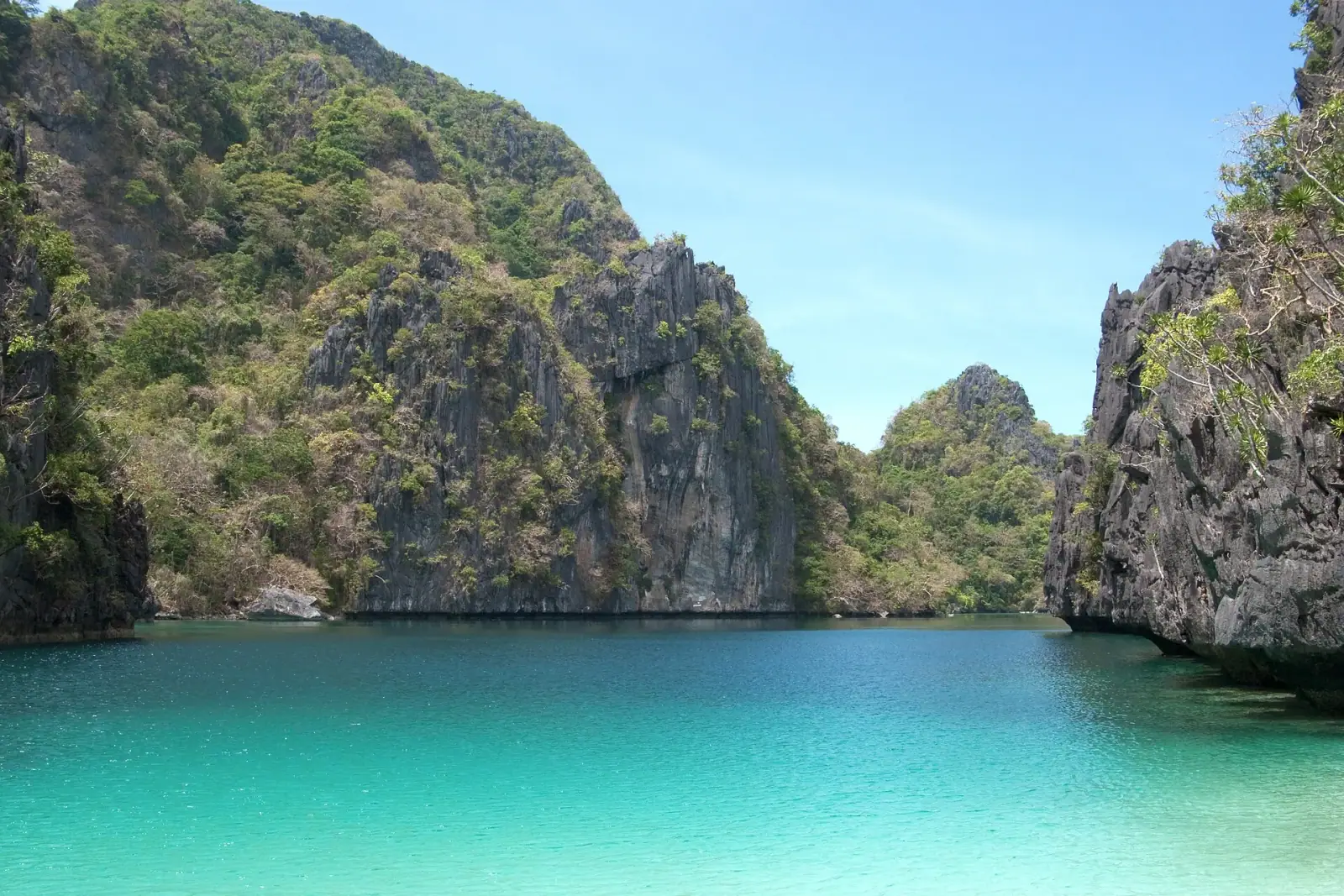
Turquoise lagoon surrounded by dramatic limestone karst cliffs at Bacuit Bay, El Nido, Palawan
Photo: Vyacheslav Argenberg / Wikimedia Commons (CC BY 4.0)
Philippines flag

Palawan

Philippines

Experience best island in the world, underground rivers, lagoons, and pristine nature.

$1.500
Monthly Budget
--
Current Weather
Tropical
Climate Type
30 Mbps
Avg. WiFi Speed
7/10
Safety Score
2,000+
Active Nomads
--
Time Difference
Scroll
0
Nomad Score

Setting Up as a Nomad in Palawan

Experience best island in the world, underground rivers, lagoons, and pristine nature. For remote workers, Palawan leans on nature and low costs, with a typical budget near $1,500 a month. The main trade-off is internet speed.

Compare Palawan vs El Nido →

Category Breakdown

How Palawan scores across all 13 factors

Weather in Palawan

Monthly averages from 2019-2023 (Open-Meteo), and the best time to visit

29°
24°
Jan
29°
24°
Feb
30°
24°
Mar
30°
25°
Apr
31°
26°
May
30°
26°
Jun
30°
25°
Jul
30°
25°
Aug
30°
25°
Sep
29°
25°
Oct
29°
25°
Nov
29°
25°
Dec
Daily high & low (°C)Rainfall (mm/month)Best months to visit

The best time to visit Palawan for comfortable weather is Feb, Mar, Apr. The warmest month is May (around 31°C by day), and the wettest is Oct (about 240mm of rain).

Chasing good weather? See other cities that are warm in Feb, or plan a multi-city route around the seasons. Staying a while in Palawan? Check visa options, your time-zone overlap and how far your budget stretches, or find it on the world map.

Historical monthly averages, not a forecast. Source: Open-Meteo.

Best Neighborhoods in Palawan

Where to base yourself for the perfect nomad experience

Puerto Princesa

$
Gateway & City

Palawan's gateway capital

Puerto Princesa is Palawan's main city - airport, services, and Underground River access. It's the practical gateway to Palawan's natural wonders.

Best for: Arrivals, Underground River visitors, and those needing city services
✓ Pros
  • Airport
  • Services
  • Underground River
  • Restaurants
✗ Cons
  • Not scenic
  • Far from beaches
  • Transit point

Sabang/Underground River

$
Nature & Basic

Palawan's UNESCO natural wonder

Sabang hosts Palawan's UNESCO site - the Underground River. It's basic accommodation near the cave entrance for early access.

Best for: Underground River visitors, nature lovers, and early access seekers
✓ Pros
  • River access
  • Nature setting
  • Beach
  • Quiet
✗ Cons
  • Basic facilities
  • Limited options
  • Mosquitoes

Port Barton

$
Off-Grid & Chill

Palawan's off-grid beach village

Port Barton is Palawan's chill alternative - no ATMs, limited electricity, and genuine beach village vibes. It's for those escaping El Nido crowds.

Best for: Off-grid seekers, budget travelers, and those wanting quiet beaches
✓ Pros
  • Uncrowded beaches
  • Chill vibe
  • Cheap
  • Island hopping
✗ Cons
  • No ATM
  • Limited electricity
  • Basic

San Vicente/Long Beach

$
Emerging & Beach

Palawan's emerging 14km beach

San Vicente boasts the Philippines' longest white beach - 14km of largely empty sand. It's Palawan's emerging destination before the crowds arrive.

Best for: Beach seekers, pioneers, and those wanting undeveloped Palawan
✓ Pros
  • Longest beach
  • Uncrowded
  • New airport
  • Pristine
✗ Cons
  • Developing
  • Limited services
  • Basic accommodation

Coron Town

$$
Adventure & Diving

Palawan's wreck diving capital

Coron is Palawan's northern hub - WWII wreck diving, island hopping, and lake adventures. It's the adventure base of northern Palawan.

Best for: Divers, wreck enthusiasts, and those seeking northern Palawan
✓ Pros
  • Wreck diving
  • Island hopping
  • Kayangan Lake
  • Tours
✗ Cons
  • Crowded tours
  • Town not scenic
  • Expensive tours

Cost of Living in Palawan

Palawan is one of Southeast Asia's more affordable island destinations, though costs vary significantly between Puerto Princesa (the provincial capital) and resort towns like El Nido or Coron. Budget travelers can live well; comfort seekers will still spend less than in most European or North American cities.

  • Rent, central area (Puerto Princesa): PHP 14,000-20,000/month (~$240-360 USD) for a furnished studio or one-bedroom near Rizal Avenue
  • Rent, cheaper area: PHP 9,000-14,000/month (~$160-240 USD) in suburban barangays or farther from the center
  • Groceries: PHP 6,000-9,000/month (~$100-160 USD) cooking mostly at home with local produce, rice, eggs, and chicken
  • Eating out: PHP 200-300 ($3.50-5.50) for a local carinderia meal; PHP 600-900 ($10-16) at a sit-down Western or seafood restaurant
  • Coworking hot-desk: PHP 200-400/day (~$3.50-7), or PHP 3,000-6,000/month (~$55-110) at spaces like Workhub Palawan or Think Space
  • Local transport: PHP 15-50 ($0.25-0.90) per tricycle ride within town; PHP 8-15 per jeepney trip in Puerto Princesa
  • Total monthly range: PHP 35,000-65,000/month (~$620-1,150 USD) for a comfortable but not extravagant nomad lifestyle in Puerto Princesa. El Nido runs 30-50% higher due to its tourist economy.

Where to Work

Puerto Princesa is the only town in Palawan with reliable coworking infrastructure. Workhub Palawan on Rizal Avenue offers unlimited WiFi, air conditioning, printing, a meeting room, and coffee for a daily or monthly fee. Think Space Co-working and Study Lounge is another well-rated option with fast fiber and private conference rooms suited to video calls.

Palawan Coliving in Tiniguiban doubles as both accommodation and a coworking venue, which suits nomads who want everything in one place. In El Nido, purpose-built coworking is sparse: Hama Coffee is your most reliable cafe-work option, with consistent WiFi and a staff that tolerates long working sessions. AP Kala at Town Square also has WiFi and a power-friendly setup, though it fills with tourists by midday.

The WiFi situation is honest: fiber connections reach urban Puerto Princesa and deliver 50-100 Mbps at good spots. El Nido is patchier; speeds can drop to 5-15 Mbps during peak hours, and power outages happen, especially during typhoon season. A local SIM with a data plan (Smart or Globe, around PHP 999-1,299/month) is essential as a backup. Starlink is available at some coliving and hotel properties and dramatically improves reliability.

Getting Around

Within Puerto Princesa, tricycles (motorbike-sidecar combos) are the default mode of transport. Negotiate the fare before you board; tourist rates start around PHP 50-80 for short hops. Jeepneys run fixed routes for PHP 8-15 and are the cheapest way to get between districts. Grab (the Southeast Asian rideshare app) operates in Puerto Princesa and is increasingly convenient for metered fares.

Getting from Puerto Princesa Airport to the city center takes 10-15 minutes by tricycle (roughly PHP 100-150). El Nido's smaller Lio Airport sits about 4 km north of town; a tricycle costs PHP 150-200. The overland van journey between Puerto Princesa and El Nido takes 5-6 hours over a winding mountain road and costs PHP 650-900 by shared van with operators like Cherry Bus. Air Swift operates direct flights between El Nido and Manila, cutting the journey to under an hour if budget allows.

Palawan is long and thin with no ring road. Beyond Puerto Princesa and El Nido, transport becomes infrequent and multi-step. If you plan to move around the island regularly, build in buffer time and do not rely on tight schedules.

Visas and Staying Long-Term

Citizens of most Western countries (US, UK, EU, Australia, Canada) enter the Philippines visa-free for 30 days. You can extend at any Bureau of Immigration office for an additional 29 days (initial extension), then continue extending in roughly two-month blocks, up to a maximum of 2 years total stay. Each extension costs around PHP 3,000-4,000 ($55-70) in fees. The Puerto Princesa BI office handles extensions without requiring a trip back to Manila.

The Philippines launched its Digital Nomad Visa (DNV) in June 2025 under Executive Order No. 86. It requires proof of remote work, foreign-sourced income of at least $24,000/year, valid health insurance, and a clean police record. It grants a one-year stay with multiple-entry privileges and is renewable. As of mid-2026 the program is still in pilot phase and availability depends on reciprocal agreements with your home country. Always confirm current rules with the Bureau of Immigration at immigration.gov.ph or your nearest Philippine embassy before travel.

Best Time to Visit

The dry season runs from late November through May, with February and March considered the sweet spot: skies are clear, seas are calm, and temperatures hover around 27-30C (80-86F). This is also the peak tourist season, so accommodation fills up and prices are at their highest in El Nido and Coron.

December and January are excellent for work-travel balance: reliable weather, slightly fewer crowds than February-April, and a festive atmosphere in Puerto Princesa. April and May bring intense heat and humidity but remain dry.

The wet season (June to October) brings regular afternoon downpours, occasional typhoons in the north, and choppy seas that ground island-hopping boats. Internet connections can become less reliable during storms. If your work is deadline-sensitive and you rely on stable power and connectivity, the wet season in northern Palawan (El Nido especially) carries real risk. Puerto Princesa is somewhat more protected and can still function well for remote work in the early wet season months.

Pros and Cons

  • Pro: Some of Southeast Asia's most spectacular scenery: limestone karsts, turquoise lagoons, and white-sand beaches within easy reach
  • Pro: Genuinely low cost of living by island standards, with strong English and a welcoming local culture
  • Pro: Puerto Princesa has improving coworking and fiber internet infrastructure, and a Starlink rollout at many accommodation options
  • Pro: Slow-paced, safe, and easy to live in for extended periods; far less chaotic than Manila or Cebu City
  • Pro: Visa extensions are straightforward and handled locally without a trip to the capital
  • Con: Reliable fast WiFi is limited to Puerto Princesa; El Nido remains inconsistent for video calls and heavy uploads
  • Con: The island is long and transport between towns is slow, expensive by local standards, or requires a flight
  • Con: The nomad community is thin: you will find travelers but not a built-in coworking culture or meetup scene
  • Con: Wet season brings genuine weather disruption, not just inconvenience, especially in the north
  • Con: El Nido and Coron run on tourism pricing; a beachfront lifestyle here costs more than comparably beautiful spots elsewhere in Asia

Who Palawan Is Best For

Palawan works best for remote workers who can keep a flexible schedule and do not need 9-to-5 reliability from their internet. If you are between projects, on a creative break, or doing async work, the environment is exceptional. Writers, designers, photographers, and consultants with flexible deadlines tend to thrive here.

It suits people who want to spend meaningful time outdoors, snorkeling, island-hopping, or hiking, and treat work as something you do efficiently in the mornings before the rest of the day opens up. Puerto Princesa is the better base for anyone who genuinely needs daily coworking access, while El Nido is ideal for shorter stays where the natural beauty is the point.

Skip Palawan if you need consistent high-speed internet for video production or large file transfers, want an active nomad social scene with regular events, or plan to base yourself in one of the resort towns for months at a time. It is also a harder sell if you dislike heat and humidity, since air conditioning is your primary relief for six or more months of the year.

Where to Stay in Palawan

Top neighborhoods and accommodations for digital nomads

Hue Hotels and Resorts Puerto Princesa Managed by HII

Boutique hotel
San Manuel

Lifestyle hotel near Robinson's Mall with a rooftop pool, work desks in all rooms, and reliable high-speed wifi.

Check availability →

Best Western Plus The Ivywall Hotel - Palawan

Hotel
City Center

Central hotel a short walk from NCCC Mall and the Cathedral, with a business center, free wifi, and daily breakfast.

Check availability →

Alvea Hotel

Hotel
Rizal Avenue

Walkable Rizal Ave hotel steps from Baywalk, offering 500+ Mbps wifi, a business center, and complimentary breakfast.

Check availability →

Manuela Suites Puerto Princesa near Airport

Serviced apartments
City Center

Affordable suite-style rooms near the airport and NCCC Mall with free wifi and a 9.0 location score on Booking.

Check availability →

Spin Designer Hostel El Nido

Hostel
El Nido Town

Top-ranked designer hostel in El Nido town center with free wifi, social spaces, and a strong rep among solo nomads.

Check availability →

Browse apartments, aparthotels and hotels across Palawan. Compare prices and book a base that suits a remote-work stay.

See available stays in Palawan →

Affiliate link. See our disclosure.

Best Coworking Spaces

Where nomads get work done in Palawan

Workhub Palawan

Coworking space
Rizal Avenue

Dedicated coworking hub on Rizal Avenue with unlimited WiFi, coffee, printing, and a bookable meeting room.

View on Maps →

Think Space Co-working and Study Lounge

Coworking space
Puerto Princesa City

Well-rated study and work lounge with fast fiber internet and private conference rooms suited to video calls.

View on Maps →

Palawan Coliving

Coliving and coworking
Tiniguiban

Combined accommodation and coworking facility in Tiniguiban with shared kitchen, WiFi, and airport transfer service.

View on Maps →

Hama Coffee El Nido

Laptop-friendly cafe
El Nido Town

Beachside cafe with reliable WiFi, table service, and a relaxed atmosphere where staff welcome long working sessions.

View on Maps →

AP Kala

Beachfront cafe bar
Town Square El Nido

Beachfront modern cafe at Town Square open from 7am, with WiFi, power points, and bay views for morning work sessions.

View on Maps →

KaLui Restaurant

Laptop-friendly lunch spot
Rizal Avenue

Iconic Puerto Princesa cafe-restaurant with WiFi and a calm native-style interior ideal for a working lunch.

Visit website →

Where to Eat & Drink

Best food and drink spots in Palawan

KaLui Restaurant

Filipino seafood
Rizal Avenue

Beloved barefoot dining experience in a wooden house where you remove shoes and eat surrounded by local artwork.

Visit website →

Kinabuch Grill and Bar

Filipino grill bar
Rizal Avenue

Lively grill and bar famous for exotic local specialties including crocodile sisig and tamilok, open until midnight.

View on Maps →

Badjao Seafront Restaurant

Seafood over water
Abueg Road

Over-water restaurant on stilts above clear bay, with mangrove views and a menu of fresh local seafood and Filipino dishes.

View on Maps →

Bella Vita El Nido

Italian beachfront
Corong-Corong

Italian restaurant on Corong-Corong beach with wood-fired pizza, fresh pasta, cocktails, and sunset views over the water.

View on Maps →

Republica Sunset Bar

Spanish tapas bar
Corong-Corong

Clifftop bar with panoramic views of Bacuit Bay, serving Spanish tapas and paella with sundowner cocktails from 2pm.

Visit website →

AP Kala

Modern beach bar and cafe
Town Square El Nido

Versatile beachfront spot at Town Square serving brunch through late-night drinks, with bay views and an all-day menu.

View on Maps →

What Do Nomads Say?

Vote on how accurate these scores are based on your experience

Cities with a Similar Vibe to Palawan

Different places that score alike across our 13 categories, if you like Palawan, these tend to feel similar.

Frequently Asked Questions About Palawan

How much does it cost to live in Palawan as a digital nomad?

A comfortable nomad budget in Palawan is around $1,500 a month: a furnished rental, food, coworking, and getting around. Live a little outside the center or eat local to spend less.

Is the internet fast enough for remote work in Palawan?

With a WiFi score of 3/10, connectivity in Palawan is patchy for calls and focused work. A prepaid local SIM keeps you online when you are away from the apartment.

Is Palawan safe for digital nomads?

Palawan scores 7 out of 10 for safety in our ratings, which is good for solo travel and long stays. Use normal precautions at night and with valuables, and choose well-reviewed areas.

Is Palawan a good city for digital nomads overall?

For nomads, Palawan is worth a look if you value nature and low costs. Costs sit near $1,500 a month and the community keeps growing, though, like anywhere, it will not match every checklist.