Cost of Living in Bacolod
Where this figure comes from. No cost survey covers Bacolod, so the $700 a month above is our own estimate rather than a measurement. On 416 of our 999 city guides the figure is built from a published Numbeo basket, a one-bedroom rent in the centre plus one person's monthly costs without rent, converted to USD; this city is not one of them. How we source everything.
Budget roughly $700 a month as a solo remote worker in Bacolod, which is among the better value in the Philippines for a city of 600,000. A one-bedroom apartment or condo near the centre runs about $220 to $360, with newer developments higher. Groceries land around $150 to $210. Chicken inasal, the grilled dish this city is known for, is $2 to $4 a meal at a local place, a restaurant dinner $8 to $14, and a San Miguel about $1.20. A jeepney ride is under $0.20. Utilities add $60 to $130, with air conditioning and the Philippines' high electricity tariffs the main variable; power costs more here than most of Southeast Asia. The electricity price is the odd part, because Negros generates a great deal of its own power from geothermal fields and solar farms and has been held up as the country's renewable island. None of that reaches the tariff, which is set nationally and stays among the highest in Southeast Asia. Budget for it the way you would in Europe rather than the way the rest of the region trains you to.
Where to Work in Bacolod
Bacolod has a genuine business process outsourcing sector and a corresponding coworking supply at roughly $70 to $130 a month, more than a city this size would otherwise have. The BPO presence means the city is used to people working odd hours and to reliable connectivity being a business requirement. Philippine internet has improved considerably from a poor base: fibre is available in the centre and the newer developments and is reasonably fast, though it remains less dependable than in neighbouring countries, and a mobile data backup is a normal precaution. English is very widely spoken, which is the country's standing advantage and makes daily life straightforward. Hiligaynon is the language here rather than Tagalog, and Bacolodnons are teased across the country for how soft it sounds, which is the kind of detail that opens a conversation faster than anything else a foreigner can say. English handles work entirely. The outsourcing sector runs on American and Australian hours, so a cafe at six in the morning is busier than one at noon, and the city's rhythm suits somebody working to the Pacific rather better than somebody working to Europe.
Getting Around Bacolod
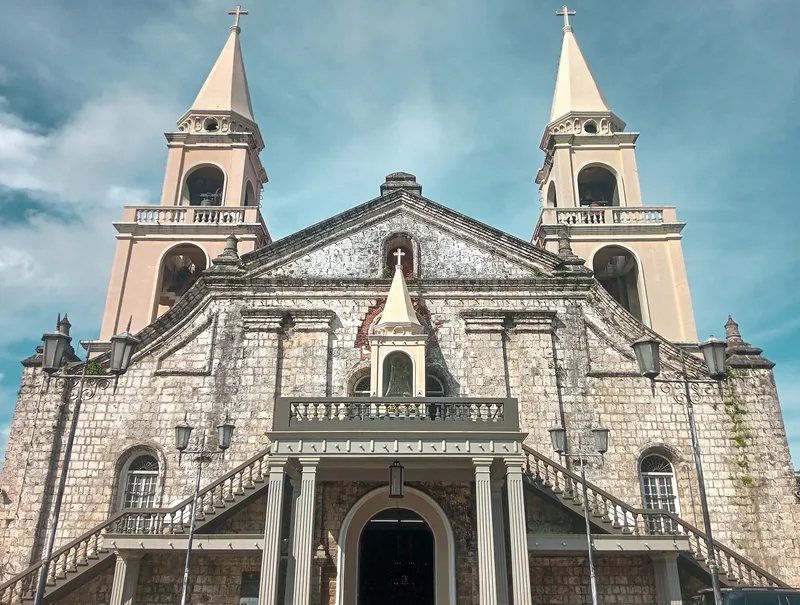
Bacolod is flat and laid out on a grid, and the downtown around the plaza and the cathedral is walkable. Jeepneys run fixed routes across the city for a fraction of a dollar and are the standard transport; tricycles fill the gaps for short hops and ride-hailing is available. Traffic is manageable by Philippine standards. Bacolod-Silay International Airport is about 40 minutes north with frequent flights to Manila and Cebu and a few regional routes. Ferries from the port reach Iloilo across the strait in about an hour, which makes a second city easy to reach, and the sugar towns and Mount Kanlaon are inland. Silay, twenty minutes north on the way to the airport, holds around thirty heritage houses built by sugar families between the 1880s and the 1930s, several of them open as museums, and it is the reason the province rewards a car rather than a jeepney. The Ruins at Talisay, closer in, is the shell of an Italianate mansion burned deliberately by Filipino guerrillas in 1942 so the Japanese could not use it as a headquarters, and the family left it standing.
Sorting transport? Book an airport transfer, or compare car rental on Auto Europe and QEEQ.
Visas for Bacolod
The Philippines grants most Western passports 30 days visa-free on arrival, and this is extendable in-country repeatedly up to a total of 36 months for most nationalities, which is one of the most generous long-stay arrangements anywhere and is done through Bureau of Immigration offices for a fee. That flexibility is why many long-stayers never bother with anything else. A digital nomad visa was authorised by executive order in April 2025, but it is not yet open for applications. Other routes include the SRRV retirement visa, which has a relatively accessible deposit requirement, and standard work and spousal visas. The thirty six month ceiling has steps inside it that catch people out. The first extension is twenty nine days, the ones after run in blocks of one or two months, and once you pass fifty nine days in the country an ACR I-Card is required, a separate application with a separate fee and a card that takes weeks to arrive. Missing it does not stop the extensions but it does surface at the airport on departure. The Bureau of Immigration office here handles all of it, and turning up in person on the day an extension falls due is normal rather than a sign of poor planning.
Best Time to Visit Bacolod
December to May is the dry season and the best time in Bacolod, with the driest and least humid months from January to April. The MassKara Festival in October is the city's landmark event, a week of masked street dancing that fills every hotel, and is the single date worth planning around either to attend or to avoid. The wet season runs June to November, with the heaviest rain from July to September. This is also typhoon season, and while Negros is less exposed than Luzon or the eastern Visayas, storms do cross and can close the airport and the ferries for a day or two. Temperatures sit around 31 degrees year-round. MassKara began in 1980, and the year matters: the sugar price had collapsed and the Don Juan ferry had gone down in the strait with hundreds of Negrenses aboard, and the city invented a festival of smiling masks in the middle of both. That is where the City of Smiles name comes from, and knowing it changes how the October crowds read. Kanlaon is the other date-setter now, since the volcano became more active from late 2024 and the exclusion zone and alert level move without much notice, so a climbing plan needs checking against the current bulletin.
Pros and Cons of Bacolod
Bacolod is friendly, cheap, flat and English-speaking, with a BPO sector that keeps the internet honest and a food culture built on inasal and a sugar-planter sweet tooth that is genuinely distinctive. The MassKara Festival is one of the best in the country, the airport connects to Manila and Cebu, and Negros has volcanoes, dive sites and the sugar heritage towns of Silay. The city itself is not attractive and has little to hold a visitor beyond the festival. Electricity is expensive, internet less dependable than in neighbouring countries, and typhoon season is real. There is no nomad community, and Philippine bureaucracy, while extendable, is slow. The sugar economy has a labour history the heritage houses do not mention. Negros ran on sacadas, migrant cane cutters hired by the season with nothing between harvests, and the hungry months between planting and cutting have a local name. The province has also seen killings of farmer organisers and land reform activists within the last decade, documented by Philippine and international rights groups. None of it is visible to a visitor eating inasal, and it is the other half of what paid for those mansions.
Who Bacolod Is For
Living cheaply in an English-speaking country, valued above scenery, and the unusually long Philippine visa extensions that let a year pass without complication. Divers have Negros and Apo Island within reach. Beyond them it is people who wanted a real Philippine city instead of a beach town, and anybody working Western hours who likes being surrounded by a BPO population doing exactly the same through the night. There is no nomad scene, the beach is a drive rather than a walk, the weather never cools, and the electricity tariff makes the monthly bill a moving target. Cebu is the regional city with far more happening, and Siargao and Dumaguete have the coast and the crowd. It suits somebody who wants to stay put for a year rather than move every few weeks, because the visa arithmetic rewards exactly that and very few countries make it this easy. It suits a cook, since inasal is a technique rather than a recipe and the stalls at Manokan will explain it to anyone who asks properly.
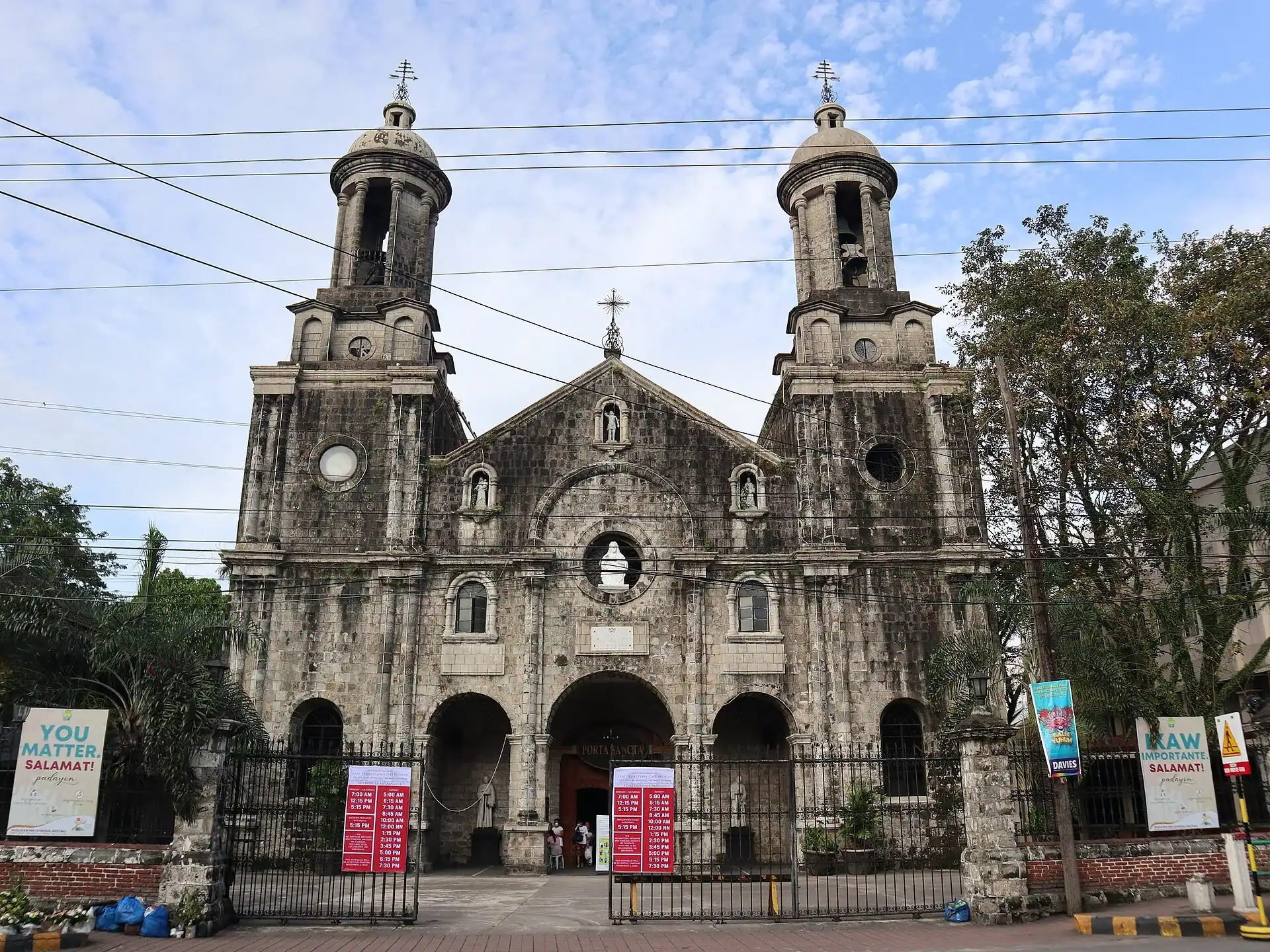 Photo: Patrickroque01 / Wikimedia Commons (CC BY-SA 4.0)