Cost of Living in El Nido
Where this figure comes from. No cost survey covers El Nido, so the $720 a month above is our own estimate rather than a measurement. On 416 of our 999 city guides the figure is built from a published Numbeo basket, a one-bedroom rent in the centre plus one person's monthly costs without rent, converted to USD; this city is not one of them. How we source everything.
El Nido is among the pricier places to base yourself in the Philippines. Its remote location on northern Palawan means most goods are shipped in, and tourist demand keeps prices elevated year-round. That said, it remains affordable compared to Southeast Asian island destinations like Phuket or Bali.
A realistic monthly breakdown for a solo nomad:
- Rent, central El Nido town (Buena Suerte/Hama area): $245-325
- Rent, outlying area (Corong Corong, Maremegmeg): $165-230
- Groceries: $82-115 for cooking most meals
- Eating out (local carinderia and mid-range restaurants): $3.50-6.50 per meal
- Coworking hot-desk daily rate: $5.50-13; monthly passes from $120
- Local transport (tricycle rides): $0.50-2.50 per trip; budget $33-49/month
- Utilities (electricity, water): $41-65/month, often not included in rent
Total realistic range: $655-1,060/month. If you eat mostly local food and live a bit outside town center, you can get under $900. If you eat at tourist restaurants regularly and want air-conditioning all day, expect closer to $1,100-1,300.
Where to Work
El Nido has a small but functional set of remote work options. The standout dedicated space is Neighbors and Nomads on Hama Street in town, a purpose-built coworking venue with dual fiber-optic internet, ergonomic desks, soundproof call booths, and meeting rooms. It runs 24/7 and costs $13 for a full day or $120 for a monthly pass. This is your most reliable option for back-to-back video calls.
Masayana near Caalan Beach offers a quieter alternative with hourly rates from $1.50 and day passes at $5.50. Connectivity is good but the hours are more limited unless you buy a pass.
Hama Coffee on Calle Hama is the most popular cafe for laptop work, with ocean views of Cadlao Island and solid WiFi for lighter tasks. The Boutique Artcafe on Sirena Street also has reliable connectivity and is open all day.
WiFi quality across El Nido has improved meaningfully since 2023, with fiber infrastructure now available in the town center and Corong Corong. That said, power outages still occur a few times a month, lasting a few hours each. If your work is deadline-critical, a mobile data backup on Globe or Smart is worth having, and the dedicated coworking spaces have generator backup.
Getting Around
El Nido town is compact enough to walk for most daily errands. The main Hama Street strip, restaurants, markets, and the beach are all within a 10-15 minute walk of each other. For the outlying beaches like Maremegmeg (Las Cabanas), Corong Corong, or Nacpan, you use tricycles.
Tricycles are everywhere and cheap: $0.50-1 for short hops within town, $1.50-3.50 to reach Corong Corong or Las Cabanas. Agree on the fare before you get in as there are no meters. For longer distances or shared trips, habal-habal (motorbike taxis) fill the gaps. Renting a motorbike costs around $8-10/day if you want flexibility.
The airport serving El Nido is Lio Airport (ENI), located roughly 5 km north of town. Direct flights operate from Manila and Cebu via Air Juan and other small carriers. A tricycle from the airport to town costs $2.50-5 and takes about 15-20 minutes. There are no ATMs at the airport, so arrive with cash. An alternative route is flying into Puerto Princesa (PPS) and taking a van transfer north, which takes 5-6 hours but is significantly cheaper on airfare.
Sorting transport? Book an airport transfer, or compare car rental on Auto Europe and QEEQ.
Visas and Staying Long-Term
Most nationalities, including citizens of the US, EU, UK, Canada, and Australia, enter the Philippines visa-free for 30 days. You can extend this at a Bureau of Immigration office: the nearest one to El Nido is in Puerto Princesa, or you can use a local immigration fixer service in town. Extensions are available in increments and can stack up to a cumulative 36 months, costing $49-98 per extension depending on duration.
Executive Order No. 86, signed in April 2025, authorised the Department of Foreign Affairs to issue a Digital Nomad Visa of up to one year, renewable, to remote workers whose income comes from outside the Philippines. As of September 2026 it cannot be applied for: the Bureau of Immigration lists no digital nomad category, and no application form or fee has been published. The order also limits the visa to nationals of countries that offer Filipinos a comparable visa, which neither the US nor the UK does.
Best Time to Visit
El Nido has two distinct seasons. The dry season runs from November through May, brought by the northeast monsoon (amihan), with cooler temperatures, calm seas, and minimal rain. This is the optimal window for both island-hopping tours and remote work, since power outages are less frequent and the overall infrastructure holds up better under lower humidity.
The sweet spot for nomads is November through April. February and March offer the calmest seas, best underwater visibility for diving, and excellent weather. January sees peak tourist crowds and the highest accommodation prices. Late November is underrated: weather has stabilized after the rainy season, crowds have not yet built, and you can often find accommodation without advance booking.
The wet season runs from June through October, driven by the southwest monsoon (habagat). September and October see the heaviest rainfall, frequent afternoon storms, and rough seas that regularly cancel island tours. Prices drop and the town is quieter, but the risk of being grounded for days at a time is real. If you are on a tight work schedule, this is a difficult time to be based here.
Pros and Cons
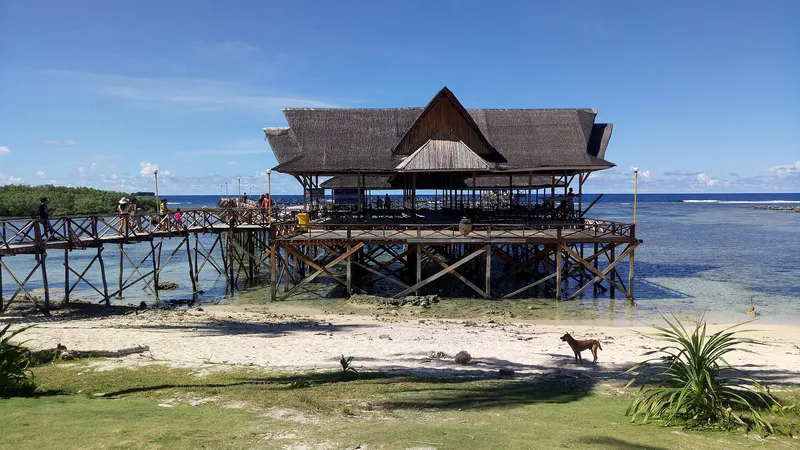
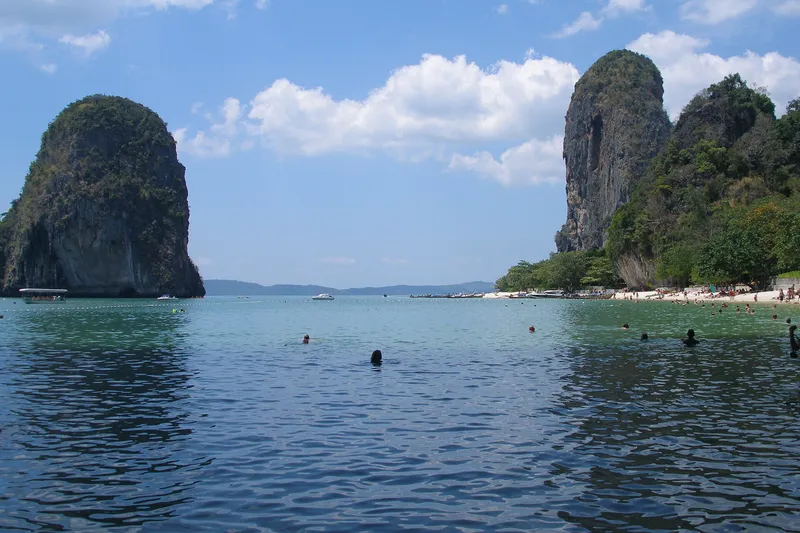
- Pro: The natural setting is exceptional: 45-island Bacuit Bay, limestone karsts, turquoise lagoons, and white sand beaches, all accessible from town
- Pro: Low crime rate and relaxed atmosphere, safer than most Philippine cities
- Pro: Genuine coworking infrastructure now exists, with fiber internet and 24/7 access options
- Pro: Growing international food scene with Thai, Italian, Japanese, Mediterranean, and Filipino options
- Pro: Relatively affordable by Southeast Asian island standards
- Pro: Strong English proficiency makes daily logistics easy
- Con: Remote location makes getting here expensive and time-consuming
- Con: Power outages are a recurring issue, a few times per month in peak season
- Con: Limited ATM access; the town has a couple of ATMs that run out of cash or go offline
- Con: Rainy season (June to October) can make sea-based activities impossible for days at a time
- Con: The nomad community is smaller than in Chiang Mai, Bali, or Lisbon; less built-in social infrastructure
- Con: Food and drinks at tourist restaurants are pricey relative to the rest of the Philippines
Who El Nido Is Best For
El Nido works well for nomads who want natural beauty as a core part of their life, not just a weekend trip. If you can combine a manageable work schedule with island-hopping on off days, kayaking at dawn, or diving in the Bacuit archipelago, this place will exceed expectations. It suits people who are comfortable with occasional infrastructure hiccups and can work asynchronously, since connectivity is reliable enough for focused work but not bulletproof for all-day Zoom calls without a coworking setup.
It is also a good fit for pairs or small groups: the cost sharing on accommodation helps the budget, and having company makes the quieter rainy season more manageable.
Skip El Nido if you need a dense nomad hub with constant networking events, require enterprise-grade connectivity at all times, or are working primarily in time zones that demand overnight hours when the coworking space power situation is least predictable. Budget-first nomads looking to maximize value in the Philippines will find Cebu, Dumaguete, or Siargao better suited.