Cost of Living in Boracay
Where this figure comes from. No cost survey covers Boracay, so the $1,050 a month above is our own estimate rather than a measurement. On 416 of our 999 city guides the figure is built from a published Numbeo basket, a one-bedroom rent in the centre plus one person's monthly costs without rent, converted to USD; this city is not one of them. How we source everything.
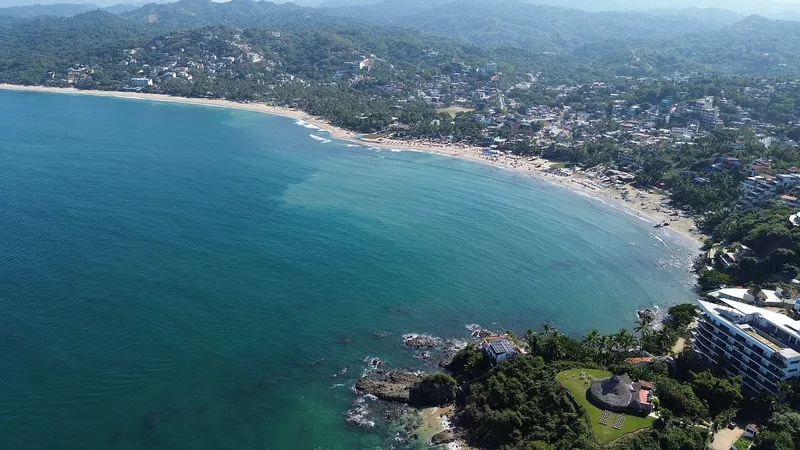
Boracay runs more expensive than most Philippine cities because it is a resort island. Everything from rent to groceries carries a tourist markup, so expect to pay more here than in Manila or Cebu.
- Rent, central (Station 1 or 2): $410-655/month for a studio or 1-bedroom apartment
- Rent, cheaper area (Balabag or near Bulabog): $245-360/month
- Groceries: $130-195/month shopping at local markets and supermarkets
- Eating out: $2.50-4 for a local meal; $10-20 at mid-range restaurants
- Coworking hot-desk: $5-10/day; $130-165/month
- Local transport (e-trike): $1-2.50/trip; plan on $33-65/month
- SIM and data: $8-15/month
Total monthly range: Budget-conscious at around $800-1,000; comfortable mid-range at $1,300-1,800. Boracay is roughly 17% pricier than the regional Southeast Asia average for nomads, and the island economy means prices are higher year-round with peak-season spikes from December through April.
Where to Work
Boracay is a small island, and coworking infrastructure is still developing relative to cities like Cebu or Chiang Mai. That said, reliable options exist if you know where to look.
Dedicated Coworking
Mahogany Lounge at The Strand Boutique Resort in Station 1 is the best-equipped option: Starlink internet, 24/7 access with generator backup, and good ergonomics. Day passes run about $5. KnEsq Coworking Space, on the third floor of the East West Bank building along Main Road in Balabag, is the island's most professional dedicated office with hot desks, private offices, and meeting rooms, open Monday through Friday at around $10/day or $150/month. The District Boracay in Station 2 offers a resort-based coworking option with WiFi and access to a pool and gym.
Cafe Work Culture
Cafe culture for remote workers is lighter here than in urban hubs. Calma Cafe near Bulabog Beach has the best reputation: WiFi, power sockets at every seat, and a quieter atmosphere with a 4.8 Google rating. Totally Bananas Cafe in Balabag runs 24/7 with a stable connection. Smooth Boracay in Station 1 offers free Starlink WiFi but requires laptops to be put away after 4pm. Most beachfront cafes prioritize tourists over workers, so head slightly inland for a productive session.
WiFi Reality Check
The top coworking spots have the most dependable connections on the island, but infrastructure can degrade during power disruptions or peak hours. Carrying a local SIM (Globe or Smart) as a mobile hotspot backup is essential. Accommodation WiFi quality is highly variable, so test it before committing to a long stay.
Getting Around
Boracay is a small island, roughly 7 km long, and most areas relevant to nomads are accessible without motorized transport if you stay near the beach path.
On the Island
Electric tricycles (e-trikes) are the primary motorized option. Gasoline vehicles are restricted, so e-trikes are everywhere and run 24/7. A short trip costs $1-1.50; longer cross-island rides run $1.50-2.50. White Beach has a paved shoreline path that you can walk the full length of in 30-40 minutes. Renting a bicycle ($3.50-6.50/day) works well for exploring. Southwest Tours runs a hop-on-hop-off bus that covers key stops across the island.
Getting to and from the Airport
The nearest airport is Caticlan Airport (MPH), a short flight from Manila (about 1 hour) or Cebu. From the airport, take a tricycle to Caticlan Jetty Port (5-10 minutes, about $1 per person), pay terminal and environmental fees totaling $5, then take the 15-minute boat crossing to Cagban Port in Boracay for $1. From Cagban Port an e-trike gets you to your accommodation. Total time from landing to beach is typically under an hour. Kalibo Airport (KLO) is a cheaper alternative if you catch budget flights; it is 90 minutes away by van transfer.
Sorting transport? Book an airport transfer, or compare car rental on Auto Europe and QEEQ.
Visas and Staying Long-Term
The Philippines is one of the more accessible countries for long-term slow travel. Citizens of the US, UK, EU countries, Australia, Canada, Japan, South Korea, and most other nationalities enter visa-free for 30 days.
Extending is straightforward. Your first extension brings you to 59 days (fee: around $49). After that, you can extend monthly at the Bureau of Immigration. The Philippine Bureau of Immigration also offers a Long-Stay Visitor Visa Extension (LSVVE), which grants a single 6-month extension for $190 for non-visa-required nationals. In total, most nationalities can extend repeatedly up to a maximum of 3 years as long as they remain compliant.
Extensions in Boracay can be handled through accredited travel agencies on the island for a convenience fee, saving you the trip to the nearest Bureau of Immigration offices in Kalibo or Iloilo.
Executive Order No. 86 created a Digital Nomad Visa in April 2025, but applications had not opened by October 2026, so on Boracay you stay on tourist extensions.
Best Time to Visit
Boracay has two main seasons. The dry Amihan season runs from November to May, bringing cool, consistent northeast trade winds, minimal rainfall, and calm seas. This is the peak window for both tourism and remote work comfort. February through April offer the most sunshine, with up to 8 hours of sun daily, but also the highest crowds and prices.
The wet Habagat season runs from June to October. Typhoon risk increases across the Philippines during this period, and July through September see the heaviest rain. That said, rain on Boracay often comes in short bursts rather than all-day downpours. The wet season brings lower accommodation rates, fewer tourists, and lush scenery. For remote workers, weather affects beach enjoyment more than work productivity, and coworking spots remain open year-round.
The sweet spot for remote work is November through January: dry season has started, the Christmas crowds have not yet peaked, and prices are more reasonable than February through April. Avoid June through September if you want reliable beach weather alongside your work schedule.
Pros and Cons
Pros
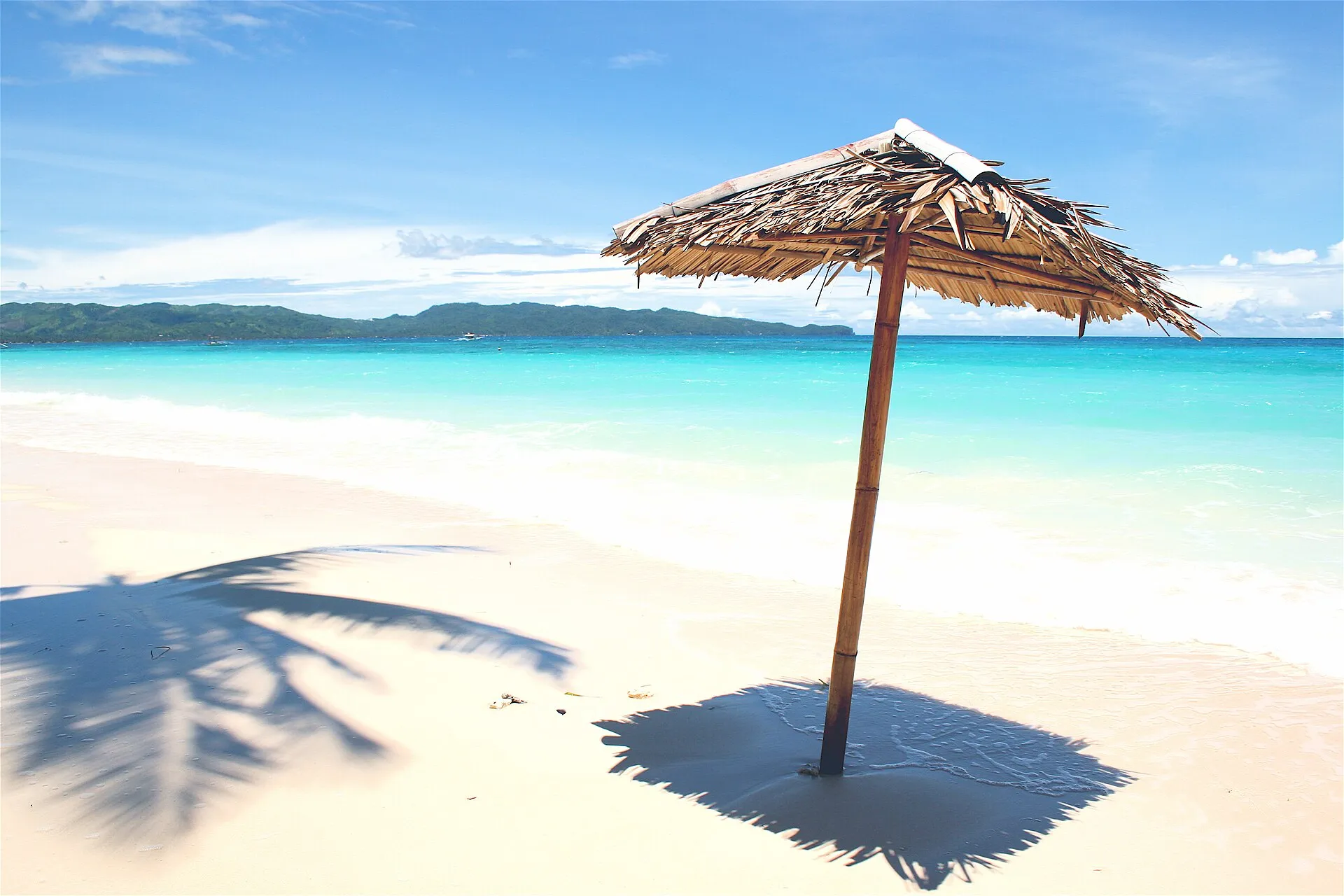
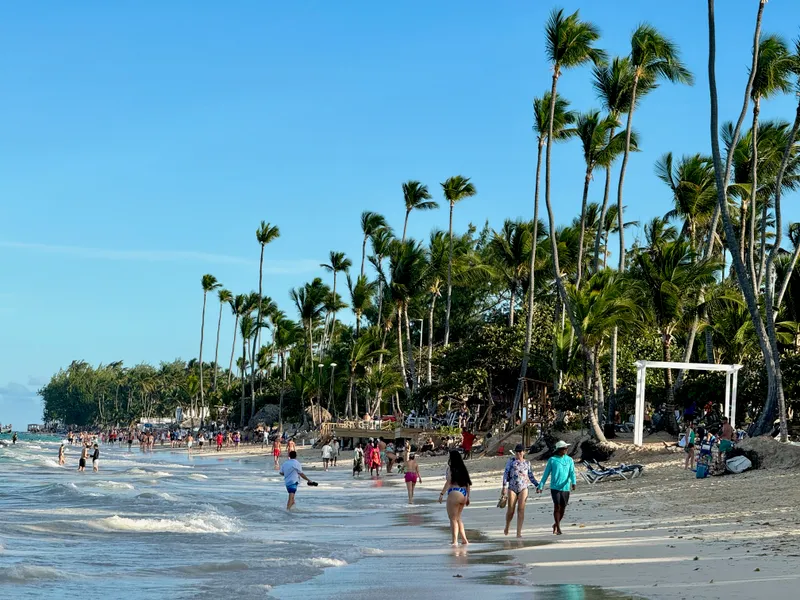
- One of the most beautiful beaches in the world, right outside your door
- Warm, English-speaking locals with a strong hospitality culture
- Strong English fluency across the island
- Improving coworking infrastructure with Starlink-powered spaces
- Good food diversity, from budget Filipino street food to quality international dining
- Active nightlife if you want it, easy to avoid if you do not
- Relatively safe environment with low violent crime
Cons
- More expensive than most of Southeast Asia for the level of infrastructure
- Limited coworking options compared to urban nomad hubs
- Small island feeling can bring restlessness after several weeks
- Internet and power reliability can be inconsistent outside top coworking spots
- Tourism-heavy environment makes it harder to meet locals or form a real community
- Getting on and off the island requires boats, adding friction to day trips or airport runs
- Peak season (December-April) brings significant crowds and price hikes
Who Boracay Is Best For
Boracay works best for nomads who prioritize lifestyle over logistics. If you want to close your laptop at 4pm and walk straight onto one of the world's best beaches, this island delivers that reliably. It suits people who already have a stable remote setup, do not need daily in-person community or networking, and can tolerate a slightly higher cost of living in exchange for a stunning environment.
It is a strong fit for: solo nomads on short-to-medium stays of 1-3 months, couples where both partners work remotely, or anyone who wants to mix serious work hours in the mornings with beach and ocean activities in the afternoons.
Skip Boracay if you are on a tight budget under $800/month, need a large established nomad co-working community, require highly reliable enterprise-grade internet for video production or large file transfers, or get restless in small contained environments quickly. Those needs are better served by Cebu, Manila, or Chiang Mai.