Cost of Living in Sagada
Where this figure comes from. No cost survey covers Sagada, so the $700 a month above is our own estimate rather than a measurement. On 416 of our 999 city guides the figure is built from a published Numbeo basket, a one-bedroom rent in the centre plus one person's monthly costs without rent, converted to USD; this city is not one of them. How we source everything.
Sagada is one of the more affordable places you can base yourself in the Philippines, largely because it is a small mountain town with a modest traveller economy rather than a built-up resort. A slow-travel nomad can live comfortably here on roughly $500 to $1,000 a month, depending on how much comfort you want. Simple guesthouse rooms and long-stay inns are cheap, local canteens serve filling meals for a few dollars, and there is little to spend money on beyond food, guides and the occasional transport out. Costs climb if you eat mostly at the tourist-facing cafes, hire guides frequently, or want a heated room in the cool season. These figures are editorial estimates, not surveyed data, and prices shift with season and demand.
- Budget guesthouse or inn room: roughly $150 to $350 per month for longer stays.
- Local canteen meals: around $2 to $4 each; cafe meals cost more.
- Cave and viewpoint guides: a shared per-trip fee arranged through the tourism office.
- Little nightlife or shopping means fewer incidental expenses.
Where to Work in Sagada
Sagada is a remote mountain town before it is anything resembling a workplace, and its connectivity, weak and variable, reflects exactly that order. Wifi exists in some guesthouses and cafes but can be slow, drops out, and is not something to stake a deadline on. There is no dedicated coworking space. Mobile data through a Globe or Smart SIM is the usual backup, but signal in the Cordillera is patchy and depends heavily on where you are standing. The realistic approach is to treat Sagada as a place to unplug, do light asynchronous work, and enjoy the mountains, rather than a base for video calls or heavy uploads. If you must work online, ask your accommodation directly about their connection before booking, and keep expectations low.
- Bring a Globe and a Smart SIM; coverage varies block to block.
- Ask guesthouses and cafes specifically about wifi speed and reliability.
- Download offline work and files before you arrive.
- Plan around outages; this is not a deadline-driven work base.
Getting Around Sagada
Sagada town itself is small and walkable, and most of your days will start on foot from the Poblacion. For anything beyond the center, tricycles and shared jeepneys cover short hops and reach nearby viewpoints and trailheads. Many of the signature experiences, including the Sumaguing and Lumiang caves and parts of Echo Valley, require a registered local guide arranged through the municipal tourism office, both for safety and to respect Igorot cultural sites. Getting to Sagada is the bigger effort: vans and buses climb the winding mountain road from Baguio in roughly five to six hours, and connections also run from Banaue and Bontoc. There is no airport nearby, so plan for long overland travel and motion-friendly timing. Every visitor registers at the tourist information office on arrival, or online beforehand, and pays a fee of about $2; keep the receipt, because guides and site staff ask to see it at the caves and viewpoints.
- The town center is compact and easy to explore on foot.
- Tricycles and jeepneys handle short trips to trailheads and viewpoints.
- Guides for caves and some sites are booked at the tourism office.
- Vans and buses connect Baguio (5 to 6 hours), Banaue and Bontoc.
- No nearby airport; access is entirely by winding mountain road.
Sorting transport? Book an airport transfer, or compare car rental on Auto Europe and QEEQ.
Visas for Sagada
Sagada follows the same immigration rules as the rest of the Philippines, since it is a domestic mountain town with no separate entry process. Many nationalities can enter the Philippines visa-free for a stay that is commonly around 30 days, and this is typically extendable at a Bureau of Immigration office if you want to linger longer in the mountains. Because Sagada is remote, any visa extension usually means a trip out to a larger city with an immigration office, so factor that into a longer stay. Count the travel days too: reaching Sagada from Manila's airport takes a long day or an overnight on the road via Baguio, and the same again on the way out, so a month-long entry leaves noticeably less time in the mountains than the stamp suggests.
- Visa-free entry is common for many nationalities, often around 30 days.
- Extensions are generally possible through the Bureau of Immigration.
- Extending usually requires travelling to a larger city with an office.
Best Time to Visit Sagada
The most rewarding window is the dry, cool season from roughly November to May, when skies are clearer, the famous sunrises over the sea of clouds at Kiltepan and Marlboro Hill are most likely to deliver, and cave routes and trails are in their best condition. The rainy season from about June to October brings heavy fog, slippery and leech-prone trails, and a real chance that viewpoints are socked in when you climb them before dawn. Sagada sits at around 1,500 metres, so it stays cool all year and can get genuinely cold at night, which surprises visitors expecting tropical heat. Whenever you come, pack warm layers, a rain shell and decent footwear for uneven, sometimes muddy ground.
- November to May: drier, clearer sunrises, better caving and hiking.
- June to October: fog, rain, leeches and slippery trails.
- Cool year-round at altitude; nights can be cold.
- Bring warm layers, rain protection and sturdy shoes any time of year.
Pros and Cons of Sagada
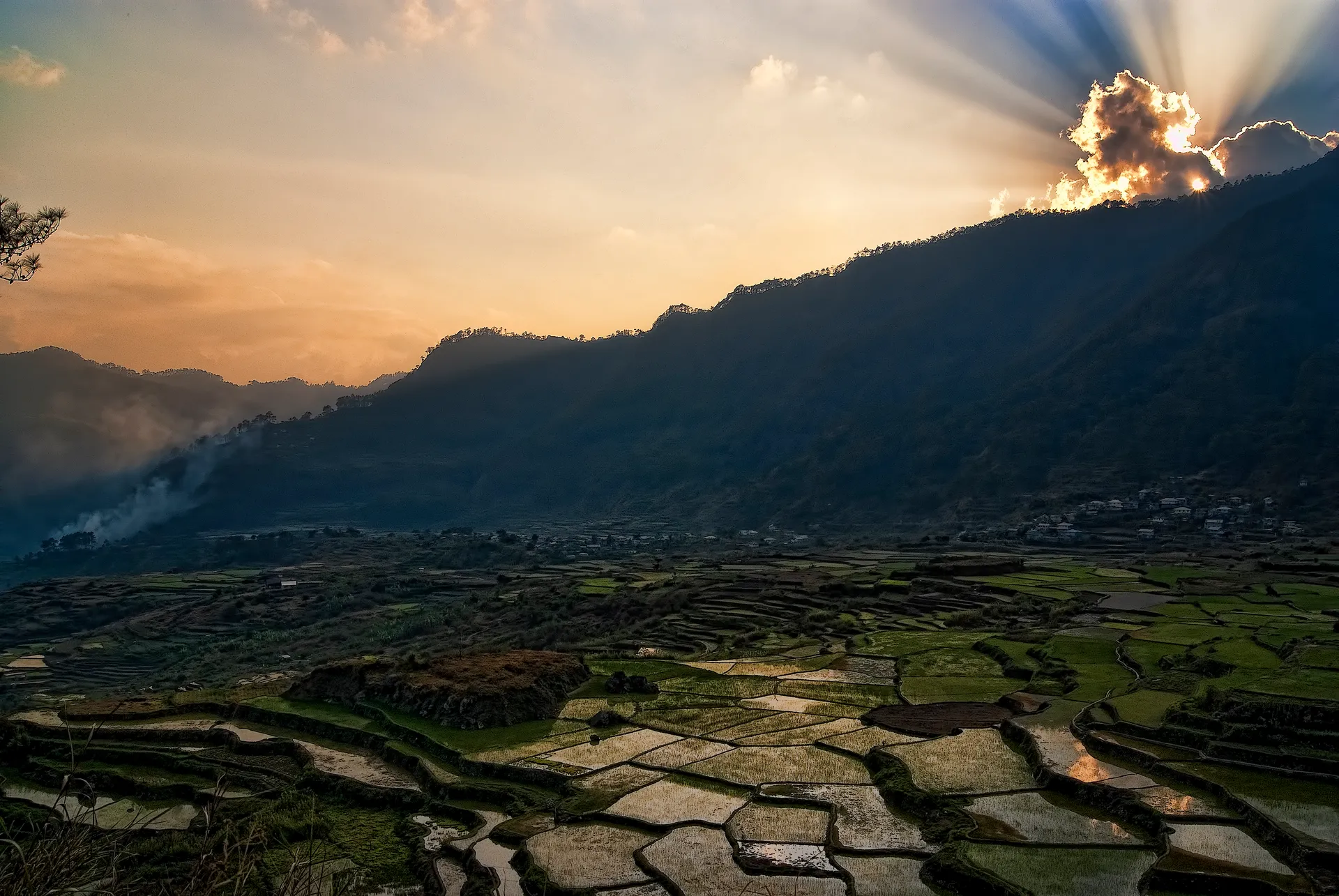
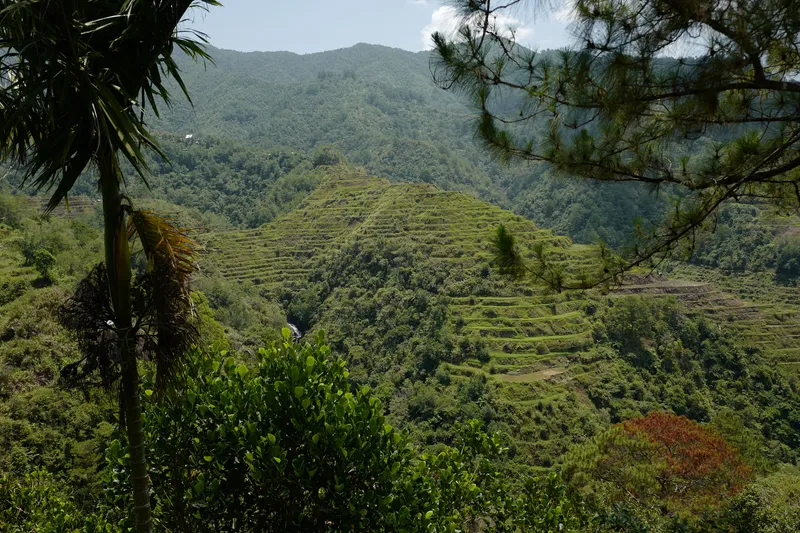
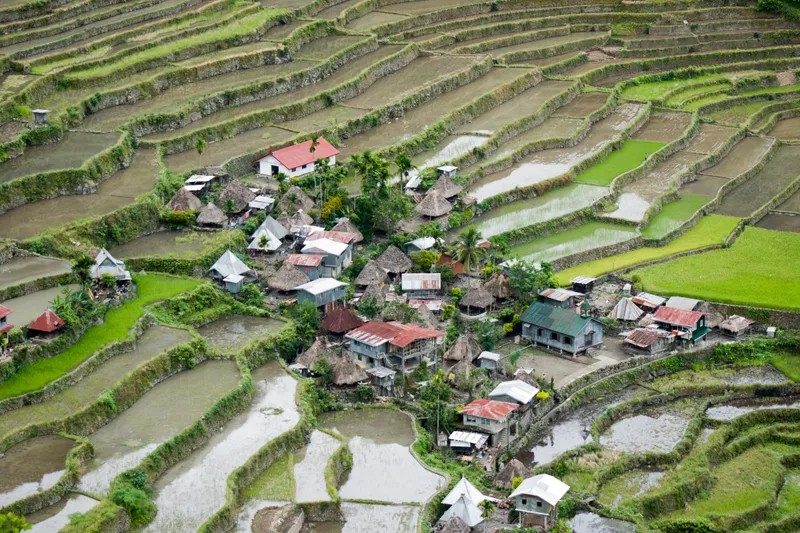
Sagada rewards a very particular kind of traveller. The upsides are real: a cool pine-forest climate that is a relief from lowland heat, striking scenery from rice terraces to limestone caves, unique Igorot heritage including the hanging coffins of Echo Valley, clean mountain air, low costs and a relaxed backpacker atmosphere. The trade-offs are just as real. Getting here is a long winding haul, infrastructure is basic, wifi is weak and unreliable, nightlife is essentially nonexistent, and the traveller scene is small and seasonal. This is a place to slow down, spend time outdoors, and connect with culture and nature, not somewhere to run a demanding online business. Go in with the right expectations and it is memorable; arrive expecting a connected hub and you will be frustrated.
- Pros: cool climate, dramatic nature, unique culture, clean air, low cost.
- Pros: safe, walkable town with a friendly, laid-back atmosphere.
- Cons: remote, long access road, and basic infrastructure.
- Cons: weak and variable wifi, minimal nightlife, small traveller scene.
Who Sagada Is For
Sagada suits adventurous, nature-and-culture-focused slow travellers far more than deadline-driven remote workers. If you are the kind of person who wants to wake before dawn for a sea of clouds, spend a day squeezing through the cave connection, walk to waterfalls and rice terraces, and sit over a slice of the town's famous lemon pie without checking your inbox, this town will feel like a gift. It is ideal for hikers, cavers, photographers, cultural travellers and burned-out workers who genuinely want to disconnect for a while. It is a poor fit for anyone who needs reliable video calls, fast uploads, a lively nightlife, or urban conveniences on demand. Come for the mountains and the heritage, keep your online commitments light, and let the pace of the place set your days.
- Great for hikers, cavers, photographers and cultural travellers.
- Great for burned-out workers who truly want to unplug.
- Poor fit for anyone needing reliable connectivity for work.
- Poor fit for those wanting nightlife or city conveniences.