Cost of Living in El Calafate
Where this figure comes from. No cost survey covers El Calafate, so the $1,100 a month above is our own estimate rather than a measurement. On 416 of our 999 city guides the figure is built from a published Numbeo basket, a one-bedroom rent in the centre plus one person's monthly costs without rent, converted to USD; this city is not one of them. How we source everything.
El Calafate is pricey by Argentine standards because almost everything is trucked in and the economy runs on tourism. A modest monthly budget of roughly $900 to $1,400 covers a small rented flat or long-stay guesthouse, groceries, and the odd restaurant meal, though glacier excursions, park fees, and boat trips add up quickly on top. Rent is the biggest line, and short-term holiday pricing can be steep in peak season. Cooking at home saves a great deal, since dining out and imported goods carry a clear premium. Bring a comfortable buffer if you plan frequent trips into Los Glaciares National Park. The costs that dominate here are not the rent. The national park charges a per-entry fee that is several times higher for foreigners than for residents and is payable each time you go in, so a plan involving repeat visits to the glacier should budget it as a recurring line rather than a one-off. And almost nothing is produced within a thousand kilometres, so a supermarket basket here costs noticeably more than the same basket in the north of the country. The compensation is the off-season: a flat taken from April to September can cost a third of its January rate.
- Monthly budget: roughly $900 to $1,400, higher in peak summer season
- Rent is the largest cost; long stays negotiate better rates than nightly holiday pricing
- Groceries and imported goods carry a premium as most supplies arrive by road
- Excursions, park entry fees, and boat trips are significant extras to plan for
Where to Work in El Calafate
This is a small town with no dedicated coworking scene, so most remote workers set up in their accommodation, a cafe on Avenida del Libertador, or a hostel common room. Wi-Fi is generally serviceable for email, browsing, and standard calls, but it is not fast or bulletproof, and connections can wobble during busy evenings. A local SIM with mobile data is a sensible backup for important video meetings. Guesthouses aimed at longer stays sometimes offer the steadiest connection and a quiet desk. Manage expectations around heavy uploads or large file transfers, and schedule critical calls for off-peak hours when the network is least congested. The wind is the environmental fact that shapes everything, including a working day. It blows here for most of the year, often at a strength that makes the door of a building hard to open, and the practical effect is that the outdoor cafe table you imagined is not available for eight months. Rooms on the exposed side of a building are noticeably colder and noisier. On timing, the country sits three hours behind Greenwich, which lands the European afternoon at the end of your morning and makes clients on that side of the Atlantic the natural fit.
Getting Around El Calafate
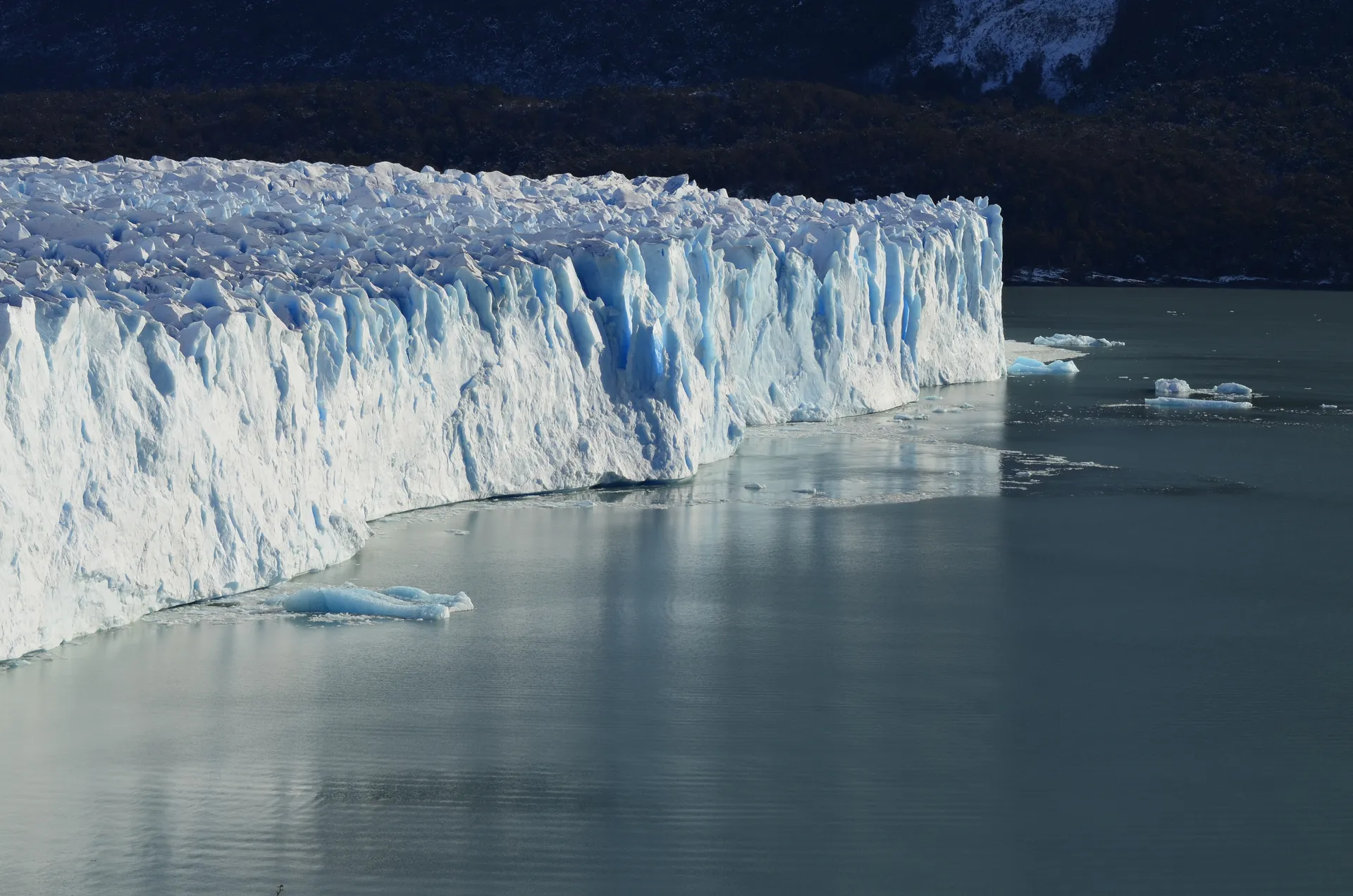
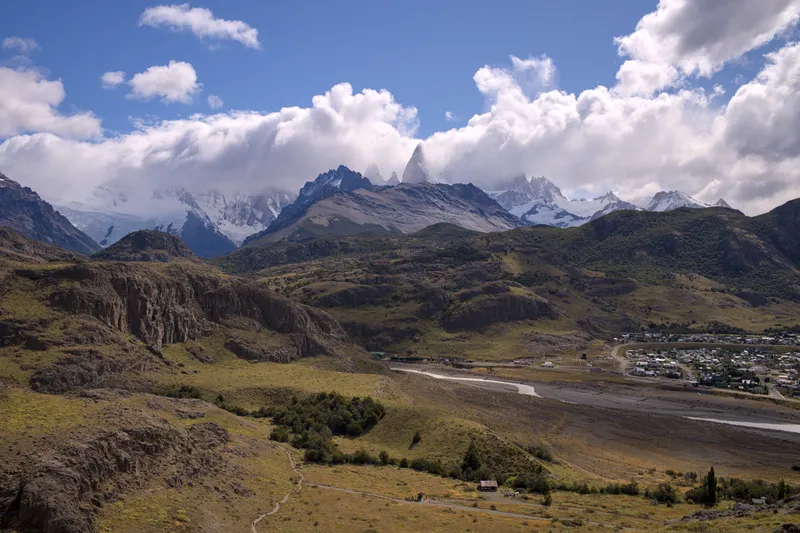
The town centre is compact and easily walked, with most shops, restaurants, and agencies strung along Avenida del Libertador. For the big sights you will need transport, since the Perito Moreno glacier sits about 80km away by road inside Los Glaciares National Park, reached by tour minibus, shuttle, or hire car. Taxis and remises handle short hops, including the run to the airport (FTE). Many nomads join organised excursions that include pickup, which removes the hassle of driving in strong Patagonian wind. El Chalten and the Fitz Roy massif lie about three hours north by bus, a popular add-on for trekkers. The glacier trip has two practicalities worth knowing. The boardwalks at the viewpoint run for several kilometres on different levels and a proper visit is three or four hours, not the ninety minutes most tours allow, so the shuttle that lets you set your own time is worth the small extra. And the calving is unpredictable: people wait hours for the big collapses and the best odds are simply patience in the afternoon when the ice has warmed. On the road north, the bus to the trekking town is the standard leg and books out in January.
Sorting transport? Book an airport transfer, or compare car rental on Auto Europe and QEEQ.
Visas for El Calafate
El Calafate follows Argentina's national rules, so there is nothing town-specific to arrange. Many nationalities, including citizens of the UK, the EU, the US, Canada, and Australia, receive a 90-day tourist entry on arrival, which is generous for a slower Patagonian stay. Extensions are sometimes possible through immigration, and some travellers do a border hop, though the remote location makes that less casual than in northern Argentina. For longer or work-based stays you would need to look into the appropriate national visa category rather than relying on tourist entry. From here the useful border is the Chilean one, a few hours west and the standard route to the towers on the other side, and it is the practical way to reset a stay as well. Both countries stamp, the crossing is straightforward, and the buses are timed for it. Note that neither side allows fresh food across and the checks are real. The extension of a tourist stay is now applied for online rather than at a counter, which matters here because the nearest immigration office of any size is a long way north.
Best Time to Visit El Calafate
The high season runs through the southern summer, roughly November to March, when days are long, trails are open, and glacier boat trips run at full tilt. This is also when prices peak and popular excursions fill early, so book ahead. Spring and autumn shoulder months are quieter and cheaper, with crisp, changeable weather and fewer crowds. Winter brings short days, cold temperatures, and reduced services, though the scenery turns starkly beautiful. Wind is a constant companion in Patagonia year-round, so pack proper layers and a windproof shell whenever you come. For trekking around El Chalten, the summer window is by far the most reliable. The calendar does not convey two things about the summer here. Daylight in December runs to about seventeen hours with a long dusk after it, which changes what a single day can contain and is on its own a reason to come then. And the wind peaks in the same months, strong enough that the trekking routes further north issue warnings and the boats occasionally do not sail. In the shoulder weeks either side, the light is lower and better for photographs, the crowds halve and the wind eases, which is why residents rate late March above January.
Pros and Cons of El Calafate
El Calafate rewards nature lovers with world-class glaciers and lakes, but it is small, remote, and firmly seasonal, so temper your expectations before committing to a long stay. The upsides are scenery, safety, and clean air; the trade-offs are cost, thin nomad infrastructure, and a quiet social scene once the tour buses leave. Weigh what you want from a base. If daily inspiration comes from mountains and ice rather than nightlife and coworking buzz, the balance tips firmly in its favour, and the surrounding wilderness more than compensates. The thing to understand about this town is how new it is. It existed as a wool-shipping stop and grew into a resort only after the glacier became the country's most visited natural attraction, which is why it has no old quarter, no square worth sitting in and a main street that could be anywhere. What it has instead is a glacier that held its position for decades after most of the world's had begun retreating, a five-kilometre wall of ice reachable on a morning bus, and a national park behind it that would take a season to walk. Judge it as a base camp with a supermarket rather than as a destination, and the arithmetic is straightforward.
- Pros: outstanding glacier and lake scenery, gateway to Los Glaciares National Park, clean air, low crime, and easy access to El Chalten trekking
- Cons: relatively pricey, cold and very windy, small and remote, strongly seasonal, limited nomad community, modest nightlife, and only decent rather than standout internet
Who El Calafate Is For
El Calafate suits the nomad who prioritises wild landscapes over a bustling scene. If you dream of watching the Perito Moreno glacier calve into Lago Argentino, hiking under Fitz Roy, and spotting birds at Laguna Nimez, this is a superb base for a focused few weeks. It is less ideal for anyone chasing nightlife, a large coworking crowd, warm weather, or rock-bottom prices. Independent, self-sufficient travellers who can work quietly around excursions will thrive here, especially those happy to slow down. Treat it as a nature-first chapter rather than a long-term hub, and it delivers memorable, uncluttered Patagonian living. Six to eight weeks in the shoulder season is the sensible length, arriving in late February or early November. That gives you the park without the January crowds and the January prices, and it leaves enough of the season for the trekking town up the road, which is where most people end up spending the better half of their time. Budget for one splurge: the boat that takes you onto the ice with crampons is the thing nobody regrets. And bring the layers you would bring for a British winter, in what is technically summer.