Cost of Living in Buenos Aires
Real market data
Source: Numbeo · August 2026
$1,490/moSolo nomad1-bed centre + living costs
$2,110/moCoupleshared 1-bed + costs
$1,290/moLean / localcheaper area + costs
- 1-bed rent, city centre$720
- 1-bed rent, outside centre$520
- Monthly costs excl. rent (1 person)$770
- Meal, inexpensive restaurant$20
- Monthly transit pass$28
- Buy price, per m² (centre)$2,640
Prices are from Numbeo (August 2026), already in US dollars. The monthly living-costs figure is our transparent one-person basket, groceries, a few meals out, utilities, phone, internet, transport and essentials, priced from those figures. Solo adds central rent; couple and lean are estimates from the same numbers. The guide below quotes its own monthly range, which is a different measurement rather than a competing one: this table prices a defined basket at the figures above, while that range is a judgement about how somebody actually lives here.
What this figure covers. Argentine rents are quoted and paid in dollars in the neighbourhoods foreigners use, and the peso figures the survey converts from lag the market badly during a devaluation. The guide below reflects what Palermo and Recoleta actually cost in dollars, which is roughly double the converted average. How we source everything.
Buenos Aires sits in a rare sweet spot for nomads earning in hard currency: day-to-day expenses are low, but it takes some homework to understand what you are actually paying. Argentina prices everything in pesos (ARS), and the official exchange rate has historically trailed the unofficial rate. Most landlords and coworking spaces now quote in USD, so that is the cleaner number to plan with.
- Rent (central, furnished): Palermo or Recoleta studios run USD 1,100-1,800/month. Belgrano and Villa Crespo, a short Subte ride away, come in at USD 600-900.
- Groceries: A week of basics from a Carrefour or Coto costs roughly $24-34 ($35-50 at the current rate). Local produce and beef are cheap; imported goods and specialty items are not.
- Eating out: A good lunch menu (menú ejecutivo) at a local restaurant runs $2.50-4.50. A sit-down dinner with wine at a mid-range place is $15-25 per person. A parrilla blowout lands around $30-40.
- Coworking hot-desk: Day passes cost USD 10-15. Monthly memberships at established spaces run USD 120-220.
- Local transport: The Subte (metro) and city buses use a SUBE card; a single trip costs under $0.50. Ubers are cheap by Western standards, typically $2-5 across the city.
- Total monthly range: Budget-comfortable living, USD 1,400-2,000. Palermo apartment plus coworking plus regular dining out, USD 2,200-2,800.
Keep in mind that Argentina's inflation can move prices quickly.
Where to Work
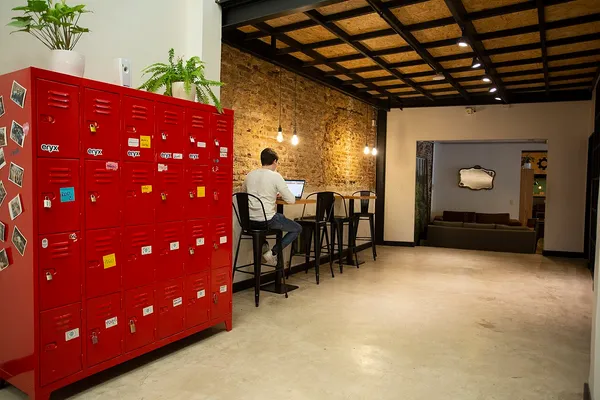
Buenos Aires has a mature coworking scene, mostly clustered in Palermo, with secondary options in Recoleta and Microcentro. La Maquinita Co. operates the largest network in the country, with multiple Buenos Aires locations and reliable fast fiber. Areatres in Palermo Soho (Malabia 1720) runs a more premium, design-forward space popular with startups. Huerta Cowork is B Corp certified and has a strong community focus. Day passes at any of these get you dedicated fiber, a proper desk, and meeting rooms.
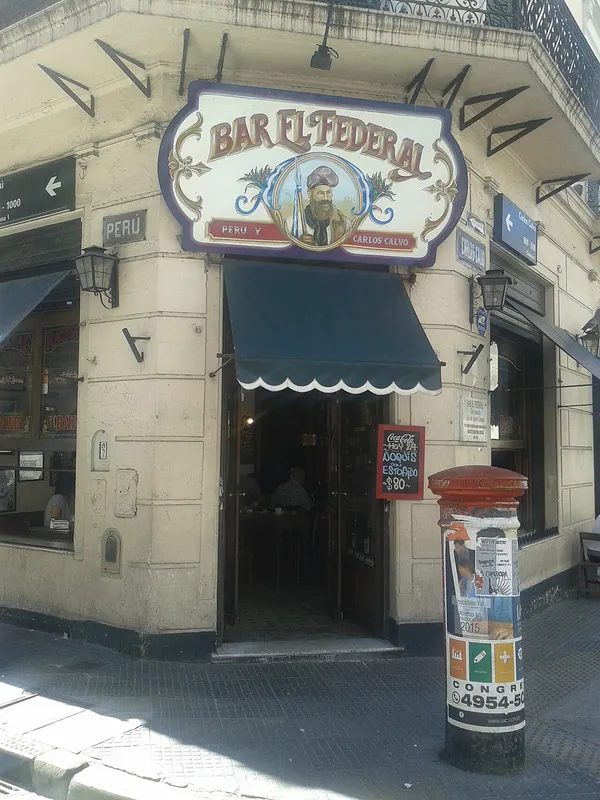
Cafe culture is real here and genuinely work-friendly. El Federal in San Telmo is one of the most laptop-tolerant in the city; staff leave you alone for hours. Cafe Martinez branches across the city are the practical fallback: outlets near tables, no pressure to move on, functional WiFi for light work.
On WiFi quality: fixed broadband in Buenos Aires is reliable, and coworking spaces consistently deliver fast, low-latency connections. Cafe WiFi is more variable, fine for calls and email but not always reliable enough for large uploads. The city's public BA WiFi network covers parks and plazas but caps bandwidth per user, so treat it as an emergency backup only.
Getting Around
Within the city, the Subte (subway) covers six lines and is the fastest way across central neighborhoods. Buses (colectivos) fill every gap the Subte misses and run 24 hours. Both require a SUBE card, a rechargeable smart card you can top up at kiosks or via Mercado Pago. A single ride on either system costs under USD 1.
Walkability in Palermo, Recoleta, and San Telmo is excellent: wide footpaths, good lighting, and everything you need within 15-20 minutes on foot. Uber and local remis apps (Cabify, InDriver) are affordable and widely used for late nights or heavier journeys.
For the airport: Ezeiza (EZE) is the international gateway, about 35 km from the center. There is no metro connection. Your main options are a pre-paid fixed-rate taxi or remis from the official desk in arrivals (USD 30-40), or the Manuel Tienda Leon shuttle bus to Puerto Madero (around USD 13). Budget 45-75 minutes depending on traffic. Aeroparque (AEP), for domestic and some regional flights, sits inside the city limits and is a short taxi ride from Palermo or Recoleta.
Sorting transport? Book an airport transfer, or compare car rental on Auto Europe and QEEQ.
Visas and Staying Long-Term
Citizens of the US, Canada, UK, Australia, New Zealand, and most EU countries enter Argentina visa-free and receive a 90-day tourist stamp on arrival. You can extend that once at the Migraciones office in Buenos Aires for a fee of about $13, buying another 90 days without leaving.
Argentina also has a dedicated Digital Nomad Visa (introduced 2022), available to visa-exempt nationalities. It grants an initial 180-day stay, renewable once for another 180 days, for a total of up to one year of legal residence. You must prove remote work for a non-Argentine employer or clients, and the application fee is approximately USD 200, processed through Migraciones' online TIE system.
As of mid-2025, travel health insurance with at least USD 20,000 coverage became a mandatory entry requirement.
Best Time to Visit
Buenos Aires sits in the Southern Hemisphere, so its seasons are flipped. The most comfortable windows for remote work are:
- April to June (fall): Temperatures in the low-to-mid 20s Celsius, low humidity, long golden afternoons. This is the sweet spot: pleasant weather, lower hotel rates, and the city operating at its normal rhythm rather than tourist-season pace.
- September to November (spring): Similar conditions to fall. November brings the famous jacaranda bloom across Palermo and Recoleta. Daytime highs are comfortable for walking and cafe-hopping.
Avoid January and February if heat bothers you. Temperatures regularly hit 33-35C with high humidity, and much of the city's middle class leaves for the coast. Some restaurants and local services have reduced hours. Winter (June-August) is mild by global standards, rarely below 5C, but grey and drizzly stretches can last weeks.
Pros and Cons
- Pro: Excellent value for USD or EUR earners, especially on rent and dining
- Pro: Genuinely world-class food, wine, and nightlife culture
- Pro: Large, active expat and nomad community, especially in Palermo
- Pro: Fast, reliable internet in coworking spaces and most apartments
- Pro: Walkable, European-feeling neighborhoods with real urban character
- Pro: 180-day nomad visa available with a straightforward application
- Con: Petty theft (phone snatching, pickpocketing) is genuinely common; you have to adapt your habits
- Con: Argentina's economy is volatile; exchange rates and prices can shift fast
- Con: Bureaucracy is real: opening a local bank account or navigating any official process takes patience
- Con: Ezeiza airport is far from the city with no rail link, making arrivals slow and pricey
- Con: Summers are hot and humid, and a portion of locals leave the city
Who Buenos Aires Is Best For
You will thrive in Buenos Aires if you earn in USD or EUR, enjoy a proper urban lifestyle, and want a long stay somewhere with real culture, great food, and a large community of people doing the same thing. It suits people who want European city density, Latin American energy, and low daily costs without sacrificing quality. Spanish at a basic level makes life much easier and is worth picking up; much of daily life outside Palermo's tourist corridor runs entirely in Spanish.
It is a harder fit if you are on a tight budget and need maximum predictability, since Argentina's economic shifts can complicate planning. It is also not the right base if you want easy nature access from the city itself: Buenos Aires is flat, dense, and urban, and reaching mountains or wilderness requires a flight. If you dislike city living or want a quieter pace, consider Mendoza or Bariloche instead.