Cost of Living in Ushuaia
Where this figure comes from. No cost survey covers Ushuaia, so the $1,400 a month above is our own estimate rather than a measurement. On 416 of our 999 city guides the figure is built from a published Numbeo basket, a one-bedroom rent in the centre plus one person's monthly costs without rent, converted to USD; this city is not one of them. How we source everything.
Budget roughly $1,400 a month as a solo remote worker in Ushuaia, which is expensive for Argentina and reflects the cost of shipping everything to the end of the continent. A one-bedroom apartment runs about $450 to $700, and housing is genuinely scarce: the town has grown fast and rentals are tight, particularly in the summer season. Groceries land around $330 to $420, noticeably above mainland Argentina because almost everything arrives by ship or plane. A menu lunch is $10 to $15, a dinner of king crab or Fuegian lamb $30 to $45, and a craft beer about $5. Argentina's currency and inflation situation changes fast, so any figure here is a snapshot.
Where to Work in Ushuaia
Ushuaia has a small coworking presence at roughly $110 to $190 a month, serving a town whose economy runs on tourism, Antarctic logistics and a duty-free electronics manufacturing sector. Most remote workers use their accommodation. Argentine internet in Ushuaia is adequate rather than fast; the town is at the end of a very long line and fibre coverage is partial, so testing a specific property matters. Mobile coverage is good in town and disappears immediately outside it. Power is reliable. English is more common here than in most Argentine towns because of the cruise and expedition trade, though Spanish carries ordinary life. The island has carried a special industrial regime since the 1970s, exempting manufacturers from certain federal taxes, which is why televisions and phones for the whole country are assembled down here rather than near its markets. The expedition season hires locally for a few months a year in logistics, hospitality and support roles, and that is the one route into local work that does not demand fluent Spanish. The clock sits close enough to Europe that an afternoon in Madrid lands here mid-morning.
Getting Around Ushuaia
Ushuaia is small, built on a slope between the Beagle Channel and the mountains, and the centre along San Martín is walkable in fifteen minutes, though the climb up from the waterfront is steep. Local buses and taxis cover the rest cheaply. For Tierra del Fuego national park, the Martial glacier and the trailheads, there are shuttles in season and a car helps otherwise. The port is the departure point for most Antarctic expeditions, which is the town's defining industry. Ushuaia's airport has several daily flights to Buenos Aires, about three and a half hours, and seasonal regional services; the road north crosses into Chile twice and takes days. The narrow-gauge line running west from town was built by prisoners hauling timber to the penal colony and now carries visitors along the same route, which is a short trip and a piece of honest local history rather than a novelty. Cruise passengers arrive in numbers between November and March, and the centre changes character on the days two ships are in. Taking a lift on the road north is common among Argentines and works better in summer than any timetable does.
Sorting transport? Book an airport transfer, or compare car rental on Auto Europe and QEEQ.
Visas for Ushuaia
Argentina grants most Western passports 90 days visa-free on arrival, extendable once by a further 90 days at the immigration office. Argentina introduced a digital nomad visa in 2022 for remote workers with foreign income, granting 180 days extendable to a year, and it was designed to be relatively accessible. The country's economic volatility is the more practical consideration than the paperwork: exchange rates, parallel markets and price levels have moved dramatically in recent years, which affects both what things cost and how you should hold money. Take current advice on both the visa and the currency situation rather than relying on anything written even a year ago. Card payments by foreigners have at times been settled at a preferential rate rather than the official one, which changes the arithmetic of paying by card against paying in cash, and the rule has been altered more than once. Carrying clean foreign notes has been standard advice for years for the same reason. The extension is granted at the immigration office and amounts to a form and a fee rather than an interview, though the office here is small and the queue takes a morning.
Best Time to Visit Ushuaia
December to March is the southern summer and the only season most people should plan a stay around: daylight stretches past ten at night, temperatures reach 10 to 15 degrees, the trails in Tierra del Fuego national park are open and the Antarctic expedition season is running, which fills the town. Autumn in April is beautiful as the lenga forests turn red and the crowds go. Winter, June to August, is cold, dark and snowy, with daylight down to about seven hours and the Cerro Castor ski area operating; the town is very quiet. Wind is the constant here in every season and it shapes everything about being outdoors. Beavers brought from Canada in the 1940s for a fur trade that never materialised have reshaped the valleys around the town, felling the lenga forest and flooding it behind their dams, and the damage is visible from most of the trails. A long-running eradication programme continues with no sign yet of winning. The wind is strongest in spring, when a still day is the exception rather than the pattern, and it decides more about a day outdoors than the temperature does.
Pros and Cons of Ushuaia
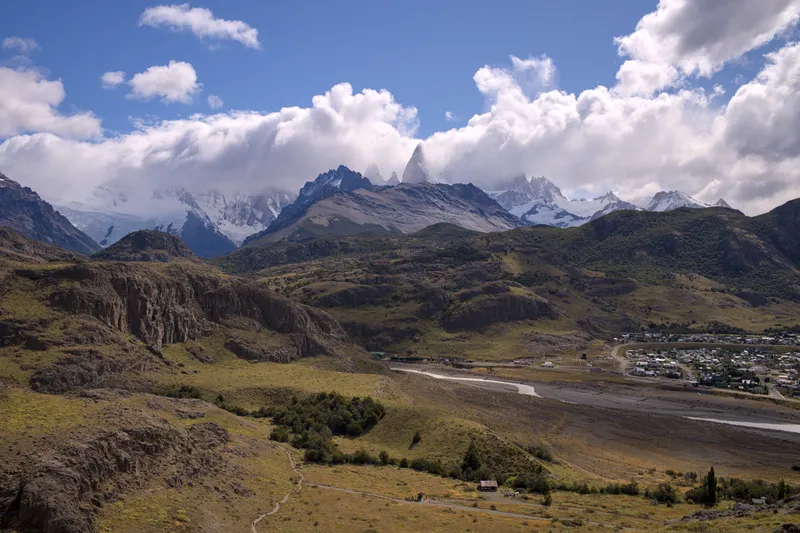
Ushuaia is genuinely unlike anywhere else: the southernmost city in the world, wedged between the Beagle Channel and the last of the Andes, with a national park at the edge of town, glaciers above it and Antarctic ships in the harbour. The landscape is extraordinary and the hiking, skiing and sailing are the reason to be here. Argentina's digital nomad visa is accessible. It is expensive for Argentina, housing is genuinely scarce, and the internet is adequate rather than genuinely good. The winter is long and dark. Everything is far away: Buenos Aires is three and a half hours by air and there is no cheap way out. Argentina's economic instability is a real planning problem.
Who Ushuaia Is For
Living inside a landscape at the end of the world, which takes both money and planning. Hikers, climbers, skiers and sailors all have a case for being here. So does anybody with an interest in Antarctica or in Patagonian natural history, and so does anybody who wants a summer of very long daylight at the bottom of the world. It works best as a season rather than a year for most people. Internet at the end of the world is what it sounds like, prices are Argentine-remote rather than Argentine-cheap, the weather is subantarctic, the professional network is tourism and logistics, and everywhere else is a very long way away. Buenos Aires has all of that, and Bariloche offers Patagonian mountains with far better access. The sensible plan is a single summer, arriving in November and leaving in March, which is when the town has light, work and company all at once. Staying through a winter is a separate decision and wants making deliberately rather than by drift.
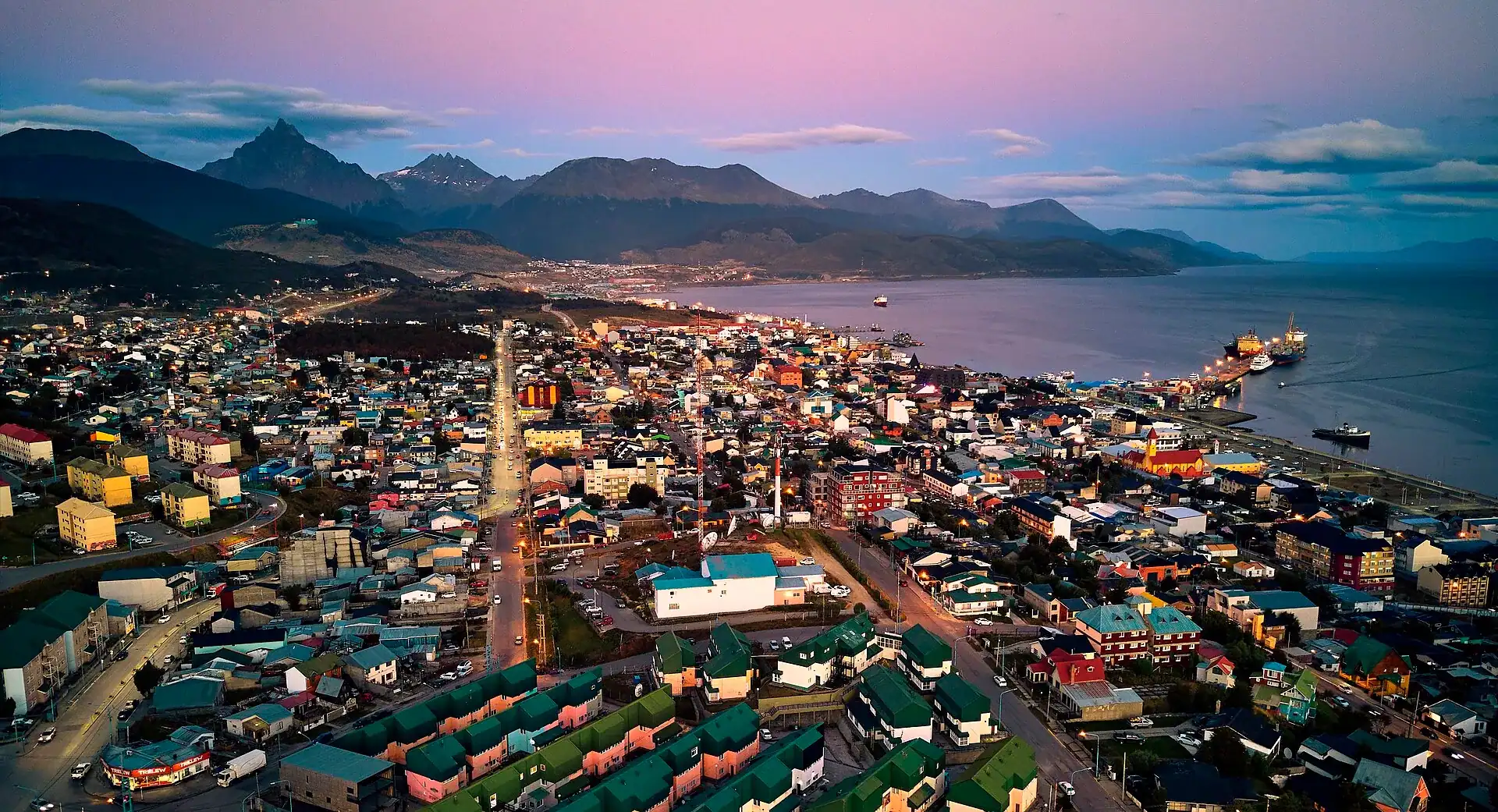 Photo: Deensel / Wikimedia Commons (CC BY 2.0)