Cost of Living in Salta
Where this figure comes from. No cost survey covers Salta, so the $1,000 a month above is our own estimate rather than a measurement. On 416 of our 999 city guides the figure is built from a published Numbeo basket, a one-bedroom rent in the centre plus one person's monthly costs without rent, converted to USD; this city is not one of them. How we source everything.
Salta is affordable, especially for visitors earning in dollars or euros, though Argentina's high inflation and shifting exchange rates make budgeting a moving target. A comfortable single-person budget runs roughly $800 to $1,300 a month. A furnished apartment in or near the colonial centre costs about $300 to $600, and hearty local meals of empanadas, grilled meat and regional dishes are cheap. These are our editorial estimates in US dollars; because prices in pesos change fast and the exchange rate matters enormously, paying attention to how and where you change money can meaningfully stretch your budget here. The money question has changed and older advice is now actively misleading. For years an official rate and a street rate ran side by side, far enough apart that carrying cash dollars was essential; the government has since unified much of that, and foreign cards now settle at or near what used to require a queue on a particular street. Check what is true in the month you arrive rather than what a forum said two years ago. Rents for foreigners are often quoted in dollars and paid in cash, and utilities in an older building are the one bill that rises sharply in winter.
- Furnished apartment, central: roughly $300 to $600 a month
- Half a dozen empanadas: roughly $3 to $5
- City bus fare (SAETA card): under $1
- Bottle of Cafayate Torrontes wine: a few dollars
Where to Work in Salta
Salta has a modest but functional remote-work setup for a mid-sized provincial city. Home internet is reasonable, with fibre available in many central buildings, though speeds trail the big capitals. A small number of coworking spaces and plenty of laptop-friendly cafes around the centre give you places to plug in. A Claro, Movistar or Personal SIM adds cheap mobile data. Salta shares Argentina's time zone, which gives comfortable overlap with the Americas and a workable, if early, window for Europe. Some Spanish smooths daily working life considerably. The local timetable is the thing that takes adjusting to. Shops and offices in this part of the country still close for several hours in the middle of the day and reopen into the evening, dinner starts at ten, and a working rhythm imported from the north collides with all of it. Most people give in and take a long midday break, which happens to fit clients on either side of the Atlantic, the eastern ones before it and the western ones after. The altitude here is mild, around twelve hundred metres, and affects nothing beyond how quickly the sun burns.
Getting Around Salta
Salta's colonial centre is compact and highly walkable, with the main plaza, churches and markets clustered together. City buses run on the rechargeable SAETA card and cover the wider city cheaply, while taxis and remis are inexpensive for longer hops. A cable car climbs Cerro San Bernardo for sweeping views over the valley. Salta is above all a gateway to its spectacular province: rental cars, tours and buses reach the Cafayate wine country, the painted hills of the Quebrada de Humahuaca, the vast Salinas Grandes salt flats and the famous Train to the Clouds. The airport connects to Buenos Aires and beyond. A warning about the famous train: most of the journey is now done by road coach with the rail section shortened, and it is a long day out at a price that surprises people, so read what is actually included before booking. For the wider province, hire a car. The classic loops climb past four thousand metres over the salt flats, where the air thins enough to matter, the fuel stops are far apart and some of the best stretches are gravel rather than tarmac, so take a vehicle with clearance and start each day with a full tank.
Sorting transport? Book an airport transfer, or compare car rental on Auto Europe and QEEQ.
Visas for Salta
Argentina is welcoming to visitors: citizens of the EU, UK, US, Australia and many other countries enter visa-free as tourists for 90 days, extendable once for another 90 at the immigration office. Argentina has also introduced a digital nomad visa for remote workers, offering a longer stay for those who qualify. As always, note your permitted period and any extension process to avoid overstaying, and keep an eye on the practicalities of money and currency, which shift frequently in Argentina. From here the land borders matter as much as the airport. Chile is a few hours west over a high pass that closes in winter snow, and Bolivia is a few hours north at a crossing that is busy, slow and worth arriving at early. Both are ordinary crossings rather than ordeals, but neither is a quick errand. On the paperwork, an overstay is settled with a fine paid at departure rather than at a police station, which is simple but goes on record; anyone planning repeated long stays is better off with the proper permit than with a habit of paying it.
Best Time to Visit Salta
Salta sits at altitude in Argentina's subtropical northwest, giving it a mild, distinctly seasonal climate. The best times to visit are spring, from September to November, and autumn, from March to May, when days are warm, skies are clear and the surrounding landscapes are at their finest for exploring. Summer, from December to February, is the wet season, with warm days and frequent afternoon thunderstorms. Winter, June to August, is dry, sunny and cool, with cold nights but excellent visibility for the region's dramatic scenery. Aim for the shoulder seasons to pair comfortable city weather with great conditions for road trips. The local year is dominated by two dates. In early spring a pilgrimage brings hundreds of thousands of people into the city over about ten days, filling every bed and closing the centre to traffic, which is extraordinary to witness and impossible to ignore. And the grape harvest in the valleys to the south runs from late summer, when the wineries are working and the vineyards are at their best. In the wet months, check road conditions before any trip into the hills; the rivers rise fast and the gravel sections wash out.
Pros and Cons of Salta
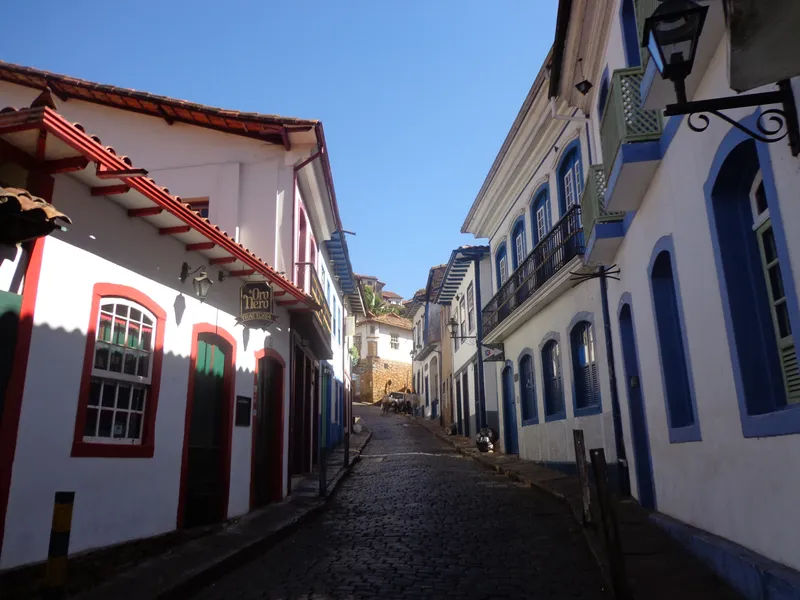
Salta offers colonial beauty and Andean adventure, tempered by Argentina's economic turbulence. Economic turbulence is a polite phrase for something that shapes daily life. Prices have moved by large percentages within single months, the rules on how foreigners pay for things have changed repeatedly, and a rent agreed in one currency can feel like a bargain or a mistake by the end of a lease. For a visitor earning abroad this has mostly cut in your favour, and that asymmetry is worth naming rather than celebrating: your good deal is somebody's salary losing value. What does not change is the setting. This is a genuinely beautiful colonial city sitting at the mouth of one of the most spectacular regions on the continent, with red rock canyons, high salt flats and vineyards at three thousand metres all within a day's drive, and almost none of it on the standard tourist circuit. That combination, a real city with real landscape at the door, is rarer than it should be.
- Pros: gorgeous, well-preserved colonial architecture, superb regional food and Cafayate wine, spectacular nearby landscapes of canyons, salt flats and vineyards, a safe and relaxed feel, and strong value for those earning in hard currency.
- Cons: limited English, a small nomad community, internet that trails the big capitals, and the constant backdrop of Argentina's inflation and currency swings, which complicate budgeting. It is also a long way from Buenos Aires and the main coastal hubs.
Who Salta Is For
Salta is for the culture-and-nature nomad who wants authentic, non-touristy Argentina with world-class scenery on the doorstep. Lovers of colonial towns, wine, empanadas and Andean road trips will be in their element, and the strong dollar value rewards those earning abroad. It suits travellers comfortable with some Spanish and happy to build their own social circle rather than join a large scene. It is a weaker fit for those who need widespread English, a big nomad community, or stable, predictable prices. Come in spring or autumn, base yourself near the centre, and use Salta as a springboard into one of South America's most beautiful regions. A shape that works: three months here with a hire car for one week in every four. The city is comfortable and cheap enough to hold a working routine, and the province is large enough that four separate trips still leave things unseen. Anyone without at least functional command of the language should plan on a class from week one, because here you will not get through a landlord conversation or a mechanic without it. And keep some savings in a stable currency rather than converting a year ahead; flexibility is worth more here than a good rate on any particular day.