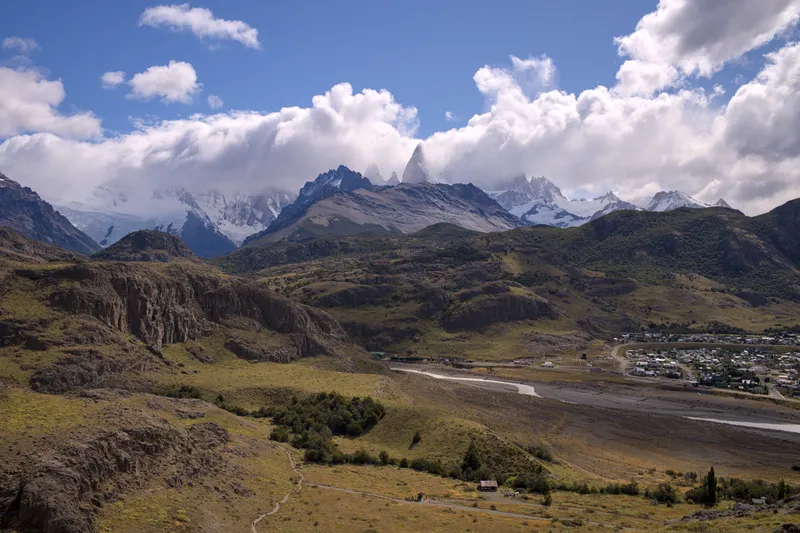
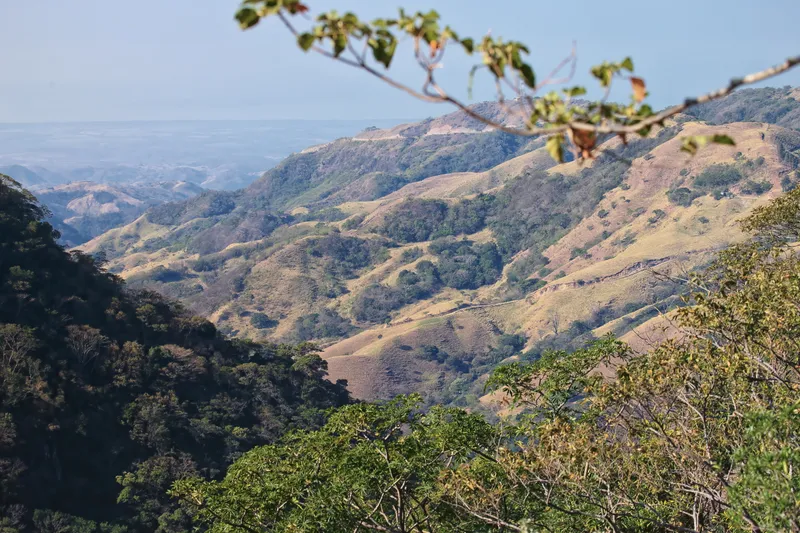
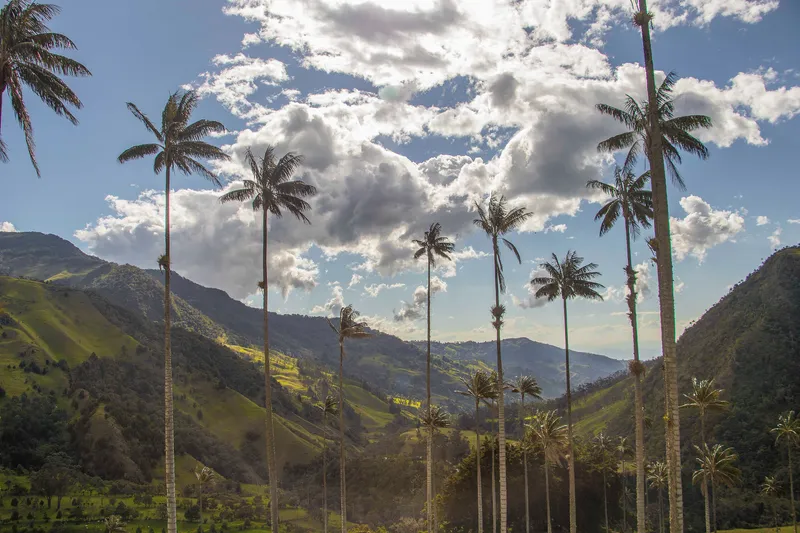
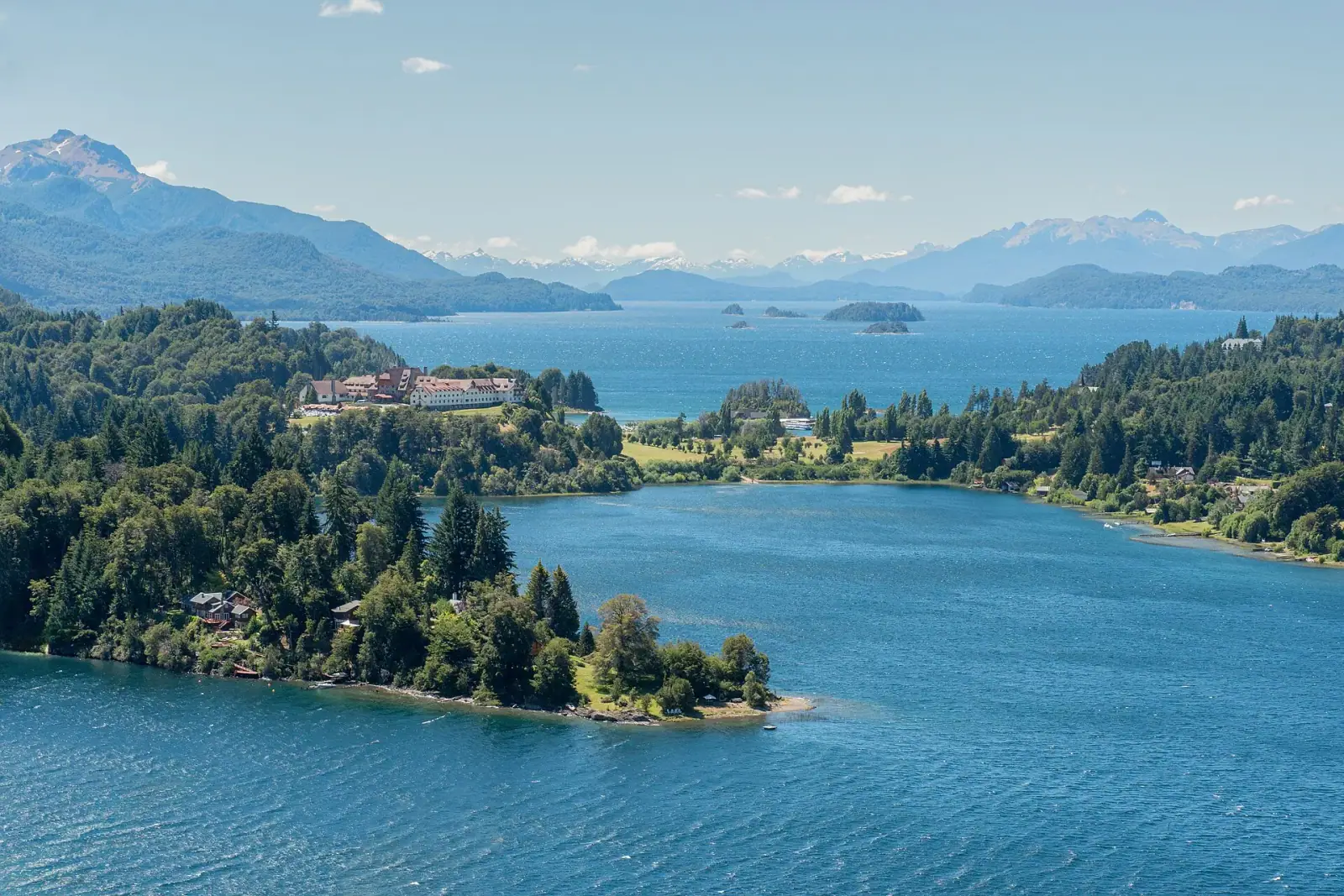
Aerial view of Llao Llao peninsula with the iconic hotel, Nahuel Huapi lake, and snow-capped Andes mountains, Bariloche, Argentina
Photo: Fernando / Wikimedia Commons (CC BY-SA 4.0)
Argentina flag

Bariloche

Argentina

Discover patagonian Switzerland with chocolate and ski slopes.

$1.800
Monthly Budget
--
Current Weather
Oceanic
Climate Type
50 Mbps
Avg. WiFi Speed
8/10
Safety Score
500+
Active Nomads
--
Time Difference
Scroll
0
Nomad Score

A Remote Worker's Guide to Bariloche

Discover patagonian Switzerland with chocolate and ski slopes. Plan on roughly $1,800 a month. Its strengths are nature and clean air, while the language barrier is where it scores lower.

Compare Bariloche vs Santiago →

Category Breakdown

How Bariloche scores across all 13 factors

Weather in Bariloche

Monthly averages from 2019-2023 (Open-Meteo), and the best time to visit

22°
10°
Jan
23°
11°
Feb
19°
Mar
15°
Apr
10°
May
Jun
Jul
Aug
Sep
13°
Oct
17°
Nov
21°
Dec
Daily high & low (°C)Rainfall (mm/month)Best months to visit

The best time to visit Bariloche for comfortable weather is Jan, Feb, Dec. The warmest month is Feb (around 23°C by day), and the wettest is Jul (about 232mm of rain).

Chasing good weather? See other cities that are warm in Jan, or plan a multi-city route around the seasons. Staying a while in Bariloche? Check visa options, your time-zone overlap and how far your budget stretches, or find it on the world map.

Historical monthly averages, not a forecast. Source: Open-Meteo.

Best Neighborhoods in Bariloche

Where to base yourself for the perfect nomad experience

Centro Cívico

$$$
Alpine & Touristy

Alpine architecture on the lakeshore

Bariloche's center channels Switzerland - alpine architecture, chocolate shops, lakefront promenade. The gateway to Patagonian adventures with Central European charm.

Best for: First-time visitors, chocolate lovers, and tour seekers
✓ Pros
  • Lake views
  • Chocolate shops
  • Good restaurants
  • Tour access
✗ Cons
  • Very touristy
  • Expensive
  • Crowded peak season

Circuito Chico

$$$$
Scenic & Luxury

Scenic route with boutique hotels

Circuito Chico follows the lakes - boutique hotels, mountain viewpoints, Llao Llao Hotel. Where Bariloche's most spectacular scenery meets luxury accommodation.

Best for: Nature lovers, honeymooners, and luxury seekers
✓ Pros
  • Stunning views
  • Luxury hotels
  • Nature access
  • Peaceful
✗ Cons
  • Very expensive
  • Car essential
  • Far from town

Cerro Catedral

$$$
Ski & Adventure

South America's premier ski resort

Cerro Catedral is Argentina's top ski destination - extensive terrain, mountain village, winter sports infrastructure. Where South Americans come to ski.

Best for: Skiers, snowboarders, and winter sports enthusiasts
✓ Pros
  • Great skiing
  • Mountain atmosphere
  • Good facilities
  • Stunning views
✗ Cons
  • Seasonal
  • Expensive
  • Isolated

Colonia Suiza

$$
Traditional & Rustic

Swiss settlement with curanto tradition

Colonia Suiza preserves Swiss immigration heritage - traditional curanto feasts, craft markets, mountain backdrop. Where Patagonian and European traditions blend.

Best for: Food lovers, culture seekers, and those wanting traditions
✓ Pros
  • Traditional curanto
  • Craft markets
  • Mountain setting
  • Authentic
✗ Cons
  • Limited to markets/meals
  • Car needed
  • Seasonal

Lago Gutiérrez

$$
Natural & Peaceful

Peaceful lake away from crowds

Lago Gutiérrez offers quieter Bariloche - less touristy lake, camping, hiking trails, and local lodges. Where outdoor enthusiasts escape the chocolate shop crowds.

Best for: Hikers, campers, and those wanting peace
✓ Pros
  • Quieter
  • Great hiking
  • Camping options
  • Affordable
✗ Cons
  • Limited services
  • Car essential
  • Basic accommodation

Cost of Living in Bariloche

Bariloche is one of the pricier cities in Argentina for nomads, largely because tourism and ski season keep demand high. Expect to pay more than you would in Mendoza or Cordoba, though your dollar still goes reasonably far compared to Western Europe or North America.

Rent in the centro and lakefront corridor runs roughly ARS 900,000 to 1,200,000 per month (around USD 855 to 1,140) for a furnished one-bedroom. Move to outlying barrios like Nireco or Melipal and you can find studios from ARS 700,000 (USD 660) or one-bedrooms from ARS 800,000 (USD 760). The rental market is tight; well-priced places go within two weeks.

  • Rent (1-bed, centro): ARS 900,000-1,200,000 / USD 855-1,140
  • Rent (1-bed, cheaper areas): ARS 700,000-900,000 / USD 660-855
  • Groceries (one person): ARS 150,000-200,000 / USD 140-190
  • Eating out (budget lunch): ARS 4,000-8,000 / USD 4-8
  • Dinner at a mid-range restaurant: ARS 10,000-20,000 / USD 9-19
  • Coworking hot desk (monthly): ARS 80,000-120,000 / USD 75-115
  • Local bus pass: ARS 8,000-12,000 / USD 8-11
  • Mobile data (10 GB): ARS 10,000 / USD 10

Realistic monthly total: USD 1,400-2,000 for a frugal-to-comfortable solo nomad, excluding travel in and out. Cash transactions using the blue-market exchange rate stretch your budget noticeably; always carry pesos.

Where to Work

Bariloche has a small but functional coworking scene. La Compania Coworking on Vice Almirante O'Connor 587 is the most established dedicated space, with reliable fiber internet and desk options. Open Work on Francisco Pascasio Moreno 370 offers a modern setup with uninterrupted fiber. Fab Lab Bariloche, run by the municipality, is more of a maker space but accepts remote workers. Selina Bariloche on Av. de los Pioneros offers the most polished coworking experience with good community events, though it costs more.

Cafe culture is genuinely nomad-friendly. Vertiente Cafe con Ideas on 20 de Febrero 698 is the community favorite: fast wifi (around 15 Mbps), power outlets at tables, English-speaking owner, and a calm atmosphere. El Molinito on Av. Belgrano 102 has excellent coffee and reliable wifi. Cafe Delirante on Bartolome Mitre 585 is central and laptop-friendly.

WiFi across the city is adequate for most tasks. Fiber is available in central apartments; older buildings may have slower ADSL connections. Power cuts are rare but do happen, particularly in winter when electricity demand peaks. A personal mobile data backup is wise.

Getting Around

The centro is compact and walkable for daily errands, restaurants, and the lakefront promenade. Most coworking spaces and cafes are within a 20-minute walk of each other.

The city has a reliable local bus network operated by Mi Bus. A single ride costs a few hundred pesos and requires a SUBE card (rechargeable). The same SUBE card is used nationwide, so if you already have one from Buenos Aires it works here. Taxis and remises are cheap by Western standards: a 3 km trip averages around USD 2.

To get from Bariloche International Airport (BRC) to downtown, take bus line 72. It runs roughly every two hours, takes 30 to 40 minutes, costs around ARS 221, and requires a SUBE card, which you can buy and load at the airport. A taxi from the airport runs about USD 10-15. There is no Uber in Bariloche; use InDriver or local remis services booked by phone or app.

Visas and Staying Long-Term

Most Western passport holders (US, UK, EU, Canada, Australia) enter Argentina visa-free for 90 days as tourists. You can apply for a 90-day extension at the Dirección Nacional de Migraciones, giving you up to 180 days total without leaving. Many nomads do a quick border run to Chile (a beautiful bus journey through the Andes via Paso Samore) to reset their tourist entry, though this is not officially guaranteed.

Argentina introduced a formal Digital Nomad Visa that allows remote workers to stay up to 180 days, renewable for another 180 (12 months total). The application is done online or at a consulate; fees are around USD 200. You need proof of remote income, health insurance, and a clean criminal record. Processing takes 10 to 15 business days. Confirm current requirements directly with the Argentine consulate or cancilleria.gob.ar before applying, as rules can change with little notice.

Best Time to Visit

Bariloche has four distinct seasons and no universally bad time, but some windows are better than others for remote work.

Summer (December to February) is warm, dry, and very long-daylight: daytime highs reach 20 to 30°C (68 to 86°F). This is peak tourist season, so accommodation prices spike and the town gets crowded. Book early.

Autumn (March to May) is stunning for the fall foliage, with fewer crowds and lower prices, but rainfall increases and temperatures drop quickly. March is the sweet spot.

Winter (June to August) means ski season at Cerro Catedral, one of the largest ski resorts in the southern hemisphere. The town buzzes, prices peak again, and daytime highs hover around 5 to 8°C (41 to 46°F). It is cozy and atmospheric, but expect cold mornings and occasional power demand strain.

Spring (September to November) is arguably the best window for remote work: mild temperatures (10 to 20°C), fewer tourists, blooming landscapes, and lower accommodation costs. October and November are particularly good.

For remote work specifically, March through May and September through November offer the best combination of reasonable prices, manageable crowds, and pleasant working conditions.

Pros and Cons

  • Stunning natural setting on the shores of Lago Nahuel Huapi, with mountains, trails, and ski slopes accessible from town
  • Affordable by Western standards, especially using cash at the informal exchange rate
  • Small-city ease: safe, walkable centro with no urban chaos
  • Great food and craft beer, with a strong tradition of chocolate, lamb, and Patagonian cuisine
  • Proximity to Chile for border runs and Andean adventures
  • High quality of life with clean air, hiking year-round, and a genuinely outdoor lifestyle
  • Small nomad community: noticeably less of a digital nomad hub than Buenos Aires or Mendoza
  • Currency complexity: Argentina's economic situation requires navigating the blue-dollar rate, keeping cash on hand, and managing ARS volatility
  • Limited direct international flights: most international arrivals connect through Buenos Aires, adding travel time and cost
  • Expensive ski season: July and August prices rise sharply and availability tightens
  • Spanish almost mandatory: outside tourist-facing businesses, English is limited
  • Coworking options are few: if you need a large professional coworking community, you will be disappointed

Who Bariloche Is Best For

Bariloche suits nomads who prioritize nature and quality of life over urban stimulation. If you want to hike in the morning, work through the afternoon from a cafe with a lake view, and eat good lamb and drink craft beer in the evening, this is your city. It works especially well for those who can handle intermittent Spanish-only interactions, enjoy a slower pace, and plan stays of at least one to three months to make the logistics worthwhile.

Skiers and snowboarders who also work remotely will find winter season Bariloche almost perfect. Cyclists, hikers, and kayakers will love the shoulder seasons. Solo travelers who are comfortable being somewhat off the main nomad circuit will appreciate the authenticity.

Skip Bariloche if you need a large, active nomad meetup scene, strong English-language infrastructure, fast and cheap international flight connections, or the energy of a big city. It is also a poor fit if you are on a very tight budget (under USD 1,000 per month) and unwilling to navigate Argentina's informal economy.
Where to Stay in Bariloche

Top neighborhoods and accommodations for digital nomads

Portales de la Patagonia Apartments

Serviced apartments
Centro

Modern, fully equipped apartments in the city center, ideal for medium-term stays with a well-stocked kitchen and easy access to cafes and coworking.

Check availability →

Cacique Inacayal Lake Hotel & Spa

Hotel
Centro Lakefront

Four-star lakefront hotel four blocks from the Civic Center with free WiFi, a business center, and desks in every room for focused remote work.

Check availability →

Hotel Concept Bariloche

Boutique hotel
Centro

Centrally located boutique hotel on Moreno 136, purpose-built for nomads with high-speed WiFi throughout, quiet work areas, and meeting-ready common spaces.

Check availability →

Los Dones Departamentos DAT

Serviced apartments
Playa Oeste

Beachfront apartments with lake views, fully equipped kitchens, free WiFi, and soundproofed walls, a solid value pick for stays of a week or more.

Check availability →

Hospedaje Penthouse 1004

Hostel
Centro

Top-floor hostel on San Martin with panoramic lake views, a homey atmosphere, and a prime walkable location, great value for solo nomads.

Check availability →

Browse apartments, aparthotels and hotels across Bariloche. Compare prices and book a base that suits a remote-work stay.

See available stays in Bariloche →

Affiliate link. See our disclosure.

Best Coworking Spaces

Where nomads get work done in Bariloche

La Compania Coworking

Dedicated coworking
Centro

Established coworking space with fiber internet, private offices, and flexible hot-desk memberships in the city center.

View on Maps →

Open Work

Dedicated coworking
Centro

Modern coworking space on Moreno with uninterrupted fiber optic internet and a clean, professional environment.

View on Maps →

Selina Bariloche

Hostel coworking
Las Margaritas

Selina's coworking area on Av. de los Pioneros offers reliable wifi, community events, and a social atmosphere suited to longer stays.

Visit website →

Vertiente Cafe con Ideas

Laptop-friendly cafe
Centro

Top-rated nomad cafe with 15 Mbps wifi, power outlets at every table, vegetarian-friendly food, and an English-speaking owner.

View on Maps →

El Molinito Cafe

Specialty coffee cafe
Centro

Widely regarded as Bariloche's best coffee, with 15 Mbps wifi, work-ready tables, and extended hours from 7:45 to 20:00.

View on Maps →

Cafe Delirante

Coffee roaster cafe
Centro

In-house roaster on Bartolome Mitre serving beans from Colombia and Brazil, with reliable wifi and power outlets for remote workers.

View on Maps →

Where to Eat & Drink

Best food and drink spots in Bariloche

Oveja Negra

Argentine empanadas
Centro

Beloved spot famed for the best empanadas in Bariloche, with a relaxed counter-order setup and great craft beer selection.

View on Maps →

Alto El Fuego

Argentine parrilla
Centro Civico

Family-run steakhouse in the civic center area, known for perfectly grilled ribeye and classic Patagonian cuts.

View on Maps →

El Boliche de Alberto

Parrilla
Centro

Legendary Bariloche grill serving sizzling platters of beef, lamb, chorizo, and provoleta on wood boards.

View on Maps →

Belek

Beer bar and grill
Centro

Craft beer bar with a standout lamb burger and rotating taps from Patagonian and local independent breweries.

View on Maps →

Lo de Gabriel

Italian pasta
Centro

Cozy trattoria making fresh pasta daily, with generous portions of classics like tagliatelle al ragu and gnocchi.

View on Maps →

Wilkenny Irish Pub

Irish pub
Centro

Long-running pub on San Martin 435 that draws a consistent crowd of locals and travelers for drinks and live music on weekends.

View on Maps →

What Do Nomads Say?

Vote on how accurate these scores are based on your experience

Cities with a Similar Vibe to Bariloche

Different places that score alike across our 13 categories, if you like Bariloche, these tend to feel similar.

Frequently Asked Questions About Bariloche

How much does it cost to live in Bariloche as a digital nomad?

Budget roughly $1,800 a month in Bariloche for a furnished place, food, coworking, and transport. The most popular central areas cost more; suburbs and local spots cost noticeably less.

Is the internet fast enough for remote work in Bariloche?

Bariloche rates 5 out of 10 for WiFi in our scoring, so it handles video calls and daily remote work workable. Carry a local SIM with data as a backup for cafes and travel days.

Is Bariloche safe for digital nomads?

Our safety score for Bariloche is 8/10, excellent for nomads. As anywhere, watch your belongings, favor busier streets after dark, and research neighborhoods before you book.

Is Bariloche a good city for digital nomads overall?

Bariloche stands out for nature and clean air among remote workers. With a typical budget near $1,800 a month and a growing nomad scene, it suits anyone whose priorities line up with those strengths.